
There’s no such thing as a flawless relationship, but some couples seem to crack a code others haven’t. They aren’t necessarily luckier or more “in love”–they just rely on small, repeatable habits that make their bond stronger day by day. Think of these like relationship “cheatsheets”: little shortcuts that don’t replace effort but make it a whole lot easier to stay connected, respected, and cared for.
The truth is, most happy couples aren’t doing dramatic grand gestures. Instead, they use simple but strategic behaviors that reduce friction, create closeness, and help them bounce back when life throws curveballs. These aren’t gimmicks–they’re the kinds of practical, battle-tested habits you can start trying tonight. Here are 18 cheatsheets that real, happy partners say keep them thriving.
1. They Pick Their Battles–And Drop the Rest

Happy couples don’t waste their energy arguing about every annoyance. They’ve learned to identify which issues genuinely matter to the health of the relationship and which are better left alone. For example, a partner’s messy sock habit might be irritating but isn’t worth a 30-minute fight. This doesn’t mean swallowing feelings; it means being selective so you’re not constantly draining goodwill. A practical approach is to ask yourself: “Will this still matter a year from now?” If not, let it slide.
2. They Schedule Check-Ins Like Appointments

Instead of waiting for tension to explode, happy couples carve out time for regular “relationship check-ins.” Think of it like preventative maintenance: once a week or month, they sit down to talk about what’s working, what’s frustrating, and what each person needs more of. These talks are calmer because they’re scheduled, not reactive. Treat it like a recurring meeting–short, focused, and safe. The consistency prevents little problems from growing into full-blown disconnects.
3. They Have a Shared Language for Stress

In strong partnerships, both people know each other’s stress signals and what helps in those moments. Maybe one says “I need 10 minutes of quiet” or the other signals “Can you hug me before we talk?” These cues prevent misunderstandings, especially when someone seems withdrawn or irritable. Creating a shared shorthand for stress makes it easier to respond with compassion instead of defensiveness. This is less about reading minds and more about making communication ridiculously clear.
4. They Make Inside Jokes a Priority

Laughter isn’t just fun–it’s glue. Couples who stay happy long-term tend to build a library of inside jokes, funny references, and goofy traditions. These aren’t just silly; they’re tiny reminders that the relationship is a safe, joyful space. Even on rough days, a well-timed inside joke can defuse tension or bring someone back into connection. Don’t underestimate humor as a tool–it’s often stronger than logic when it comes to softening conflict.
5. They Use the “Daily Highlight” Trick
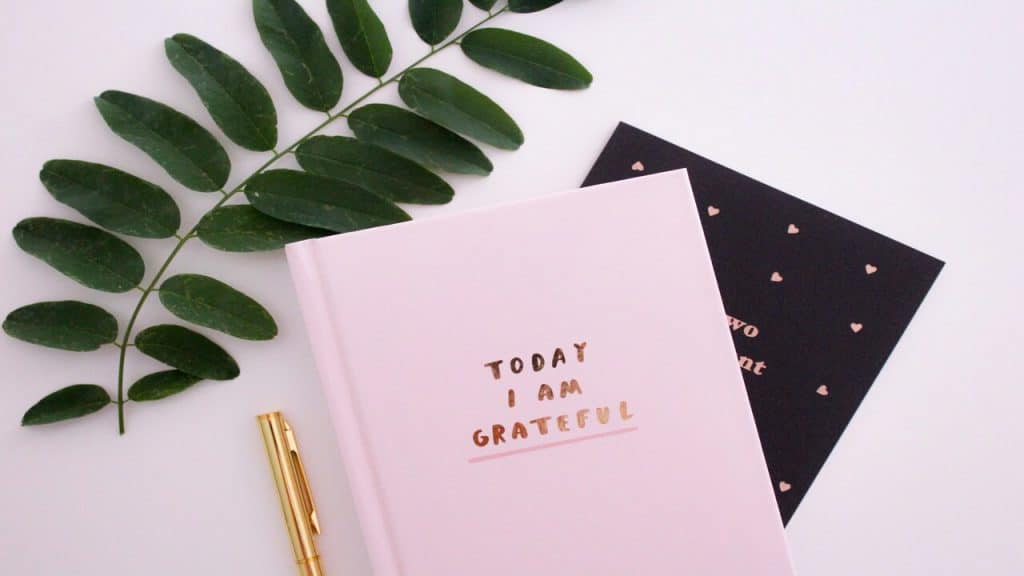
One cheatsheet happy couples love: before bed, they share their “highlight of the day.” It’s quick, simple, and keeps both partners tuned into each other’s world. This habit reinforces gratitude, makes conversations less transactional, and ensures you never go too long without knowing what lights up your partner’s life. Even on boring or tough days, finding a highlight shifts focus toward connection instead of stress. Think of it as a low-effort way to stay emotionally synced.
6. They Don’t Just Split Chores–They Specialize

Instead of fighting over who does what, successful couples divide household responsibilities based on strengths and preferences. One might handle cooking while the other manages bills–not because it’s “fair” in a strict sense, but because it reduces resentment and gets things done more smoothly. This approach turns chores from a battleground into a partnership. The key is making sure both feel the overall load is balanced, even if tasks differ.
7. They Practice Micro-Affection

Happy couples don’t just rely on big romantic gestures–they pepper their days with small, consistent touches of affection. A hand on the back when passing in the kitchen, a forehead kiss before work, or sending a quick “thinking of you” text. These moments add up, keeping intimacy alive without requiring grand effort. Micro-affection signals “I see you” in everyday life, which often matters more than rare, dramatic gestures.
8. They Revisit Happy Memories on Purpose

It’s easy to forget how good things once felt when stress piles up. Happy couples actively remind themselves by looking back on old photos, retelling funny stories, or revisiting meaningful places. Nostalgia isn’t about living in the past–it’s about reinforcing the foundation of why you chose each other. Even a five-minute scroll through vacation pictures together can refresh positive feelings and provide perspective when current stress feels heavy.
9. They Use Humor to Short-Circuit Conflict

Happy couples know when to break tension with humor–without mocking or minimizing the issue. A playful comment, funny voice, or exaggerated gesture can reset the tone when an argument is spiraling. The trick is timing: humor should invite laughter, not dismiss the concern. When done right, it signals, “We’re on the same team–even if we disagree.” This keeps conflict from escalating and reminds both partners that love is still the bigger context.
10. They Lean on Rituals, Not Just Randomness

Consistency creates safety, and happy couples rely on rituals–whether it’s morning coffee together, Sunday walks, or Friday night takeout. Rituals aren’t boring; they’re grounding. They give both partners something predictable to look forward to and act as anchor points when life feels chaotic. The beauty of rituals is that they don’t have to be elaborate–just repeatable. These touchstones keep connection alive without requiring constant reinvention.
11. They Say “Thank You” for the Little Stuff

Over time, it’s easy to stop noticing the everyday things partners do–making coffee, taking out the trash, handling errands. Happy couples keep gratitude alive by actually voicing appreciation for these small acts. Saying “thanks” keeps effort from being invisible and prevents one partner from feeling taken for granted. This simple habit builds a culture of recognition, where both feel valued instead of overlooked.
12. They Practice the 5-to-1 Ratio

Psychologists say healthy relationships thrive when there are at least five positive interactions for every negative one. Happy couples use this principle almost like a rule of thumb. After a disagreement, they’ll consciously add in more kindness, affection, or humor to rebalance the scales. The idea isn’t to keep score, but to make sure positivity outweighs tension. Over time, this ratio helps build resilience and prevents negativity from becoming the default.
13. They Use “Pause Words” During Arguments

When a fight starts heating up, some couples use agreed-upon pause words–like “time-out” or even something silly like “banana.” It’s a quick way to halt escalation before hurtful things are said. The rule is simple: once the word is used, both agree to step back, cool off, and return later. This strategy is less about avoiding conflict and more about protecting the relationship from words that can’t be unsaid.
14. They Keep Curiosity Alive

Happy couples never assume they’ve fully “figured out” their partner. They ask new questions, show interest in changing hobbies, and treat each other as evolving people. This keeps the relationship dynamic instead of stagnant. A practical trick: once a week, ask your partner something unexpected–like their dream vacation or a childhood memory you’ve never heard. Curiosity shows you’re still invested in discovery, not just maintenance.
15. They Create Micro-Adventures

Not every date has to be fancy. Happy couples know that even small adventures–a spontaneous drive, trying a weird snack, or exploring a nearby town–inject excitement. These micro-adventures break routine and create new shared memories without draining the bank account. The point isn’t the activity itself but the sense of novelty. Doing something out of the ordinary keeps the relationship playful and forward-looking.
16. They Apologize Fast and Repair Well

Happy partners don’t wait days to mend hurt feelings. They prioritize quick, sincere apologies and follow up with gestures that show accountability. The repair process isn’t about winning–it’s about restoring trust. Even a short acknowledgment like “I overreacted, and I see how that hurt you” goes a long way. Fast repair prevents resentment from taking root, which is one of the biggest relationship killers over time.
17. They Keep Individual Lives Strong

Ironically, one of the biggest cheatsheets to a thriving relationship is having a full life outside of it. Happy couples encourage solo hobbies, friendships, and personal growth. This creates healthier dynamics because neither person feels smothered or resentful. Instead of pulling away, independence actually strengthens the bond–you choose each other daily, not out of dependence but out of genuine desire.
18. They End the Day with a Reset Ritual

Before bed, happy couples often do something small to reconnect–whether it’s a cuddle, a prayer, or even just a “goodnight” text if apart. This closing ritual acts like a reset button, reminding both partners that no matter what happened during the day, they’re ending as a team. It keeps small irritations from carrying over into the next morning and reinforces the sense of togetherness.








Ask Me Anything