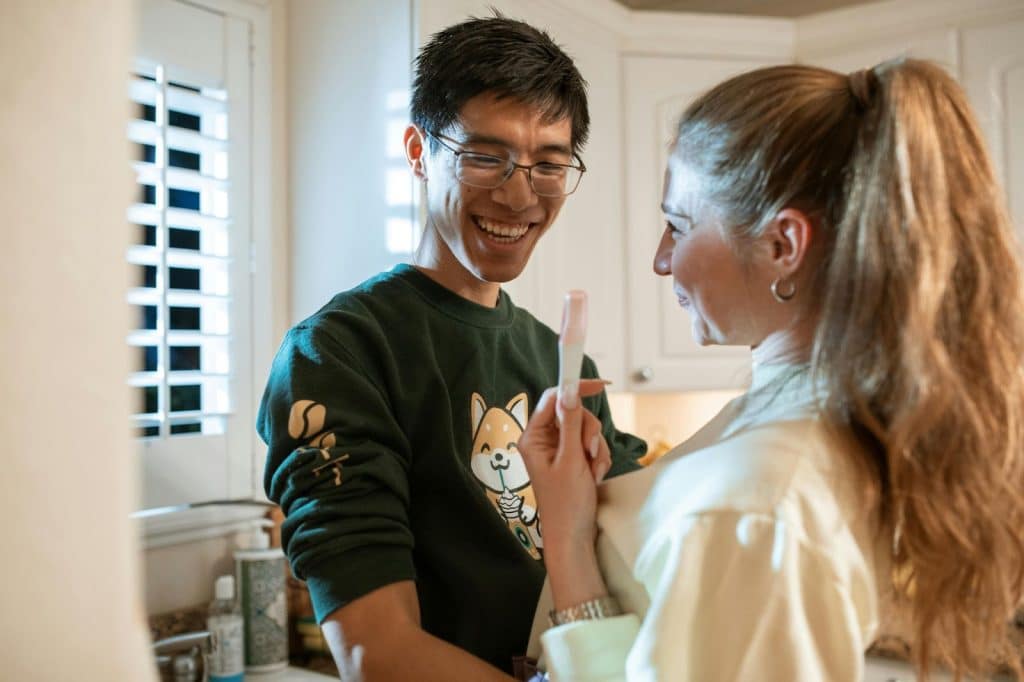
The decision to have children is one of the biggest milestones in any couple’s life. While most people imagine diapers, baby clothes, and late-night feedings, the truth is that parenthood reshapes nearly every aspect of life. From finances to relationships, the shift goes far beyond baby gear. Preparing for these changes in advance allows couples to enter this new chapter with resilience and confidence. Here are 18 life changes every couple should anticipate before becoming parents.
Household Budgets Tighten

Once children arrive, financial priorities shift dramatically. Expenses once devoted to dining out, travel, or hobbies are redirected toward baby supplies, childcare, and household needs. Couples may find themselves budgeting more carefully than ever before. Planning ahead for this adjustment reduces stress when those bills start piling up. A tighter budget is inevitable, but it doesn’t have to mean financial strain if managed proactively.
Healthcare Becomes a Priority Expense

Medical costs start before birth and continue for years. Prenatal checkups, delivery fees, pediatric appointments, and vaccinations all add up. Without preparation, healthcare can strain a household’s finances. Couples who research insurance coverage and set aside funds feel more secure. Making health a financial priority ensures the family’s well-being is never compromised.
Long-Term Savings Take Center Stage

Children don’t just bring short-term costs, they also require long-term financial planning. Savings for school, extracurricular activities, and eventually college become pressing goals. Couples who prepare early have a smoother path when these expenses arrive. Thinking beyond the baby years helps families avoid financial panic later. A strong savings plan builds stability for everyone.
Career Choices May Shift

The arrival of children often reshapes career paths. One partner may pause work, reduce hours, or change jobs to achieve better balance. These choices impact income and family dynamics. Planning for possible career adjustments ensures smoother transitions. When both partners align on priorities, work and parenting feel more manageable.
Identity Evolves

Becoming a parent redefines personal identity. Individuals who once centered life around careers, hobbies, or social circles may now view themselves primarily through the lens of parenthood. This change can feel fulfilling but also challenging. Couples who anticipate this shift adapt more smoothly. Recognizing that identity will evolve helps prevent feelings of loss or confusion.
Stress Levels Increase

Parenting is rewarding, but it’s also stressful. From sleepless nights to financial pressure, the demands are constant. Couples who build stress management strategies beforehand cope better. Whether through exercise, mindfulness, or shared responsibilities, preparation makes challenges less overwhelming. Acknowledging stress as part of the journey keeps it from eroding love.
Patience Gets Tested Daily

Children require patience on a level that adults rarely experience elsewhere. Tantrums, endless questions, and constant needs can wear down even the calmest parent. Couples who recognize this reality prepare emotionally for the test. Developing patience beforehand prevents resentment and burnout. In parenting, patience is as valuable as love.
Postpartum Realities Affect Both Partners

The postpartum period brings emotional and physical changes for mothers, but it impacts fathers or partners as well. Mood shifts, exhaustion, and mental health challenges are common. Couples who discuss postpartum realities ahead of time enter this stage with greater empathy. Planning ensures no one feels blindsided. Awareness turns challenges into opportunities for deeper support.
Sleep Becomes a Luxury

Sleep deprivation is one of the most immediate changes new parents face. Nights become unpredictable, and rest feels scarce. Couples who anticipate this shift prepare strategies, such as alternating night duties. While it may feel temporary, exhaustion can strain patience and health. Preparation makes sleepless nights more bearable.
Social Life Shrinks

Spontaneous nights out with friends often fade once children arrive. Priorities shift, and time becomes limited. Couples may struggle with feelings of isolation if they don’t prepare. Maintaining a smaller but supportive social circle helps. Recognizing this reality prevents disappointment when social life inevitably changes.
Spontaneity Disappears

Life with children demands planning. Outings require bags, schedules, and naps to be considered. Couples used to last-minute adventures may feel constrained. Anticipating this change helps shift perspective. Planning doesn’t eliminate fun, it simply reshapes how it happens. Parenthood redefines spontaneity rather than eliminating it entirely.
Health and Fitness Take on New Meaning

Physical health becomes more important once children arrive. Parents need energy to keep up with growing kids, and modeling healthy habits sets a positive example. Couples who prioritize fitness and wellness beforehand find it easier to stay consistent. Ignoring health leads to exhaustion and stress. Parenthood thrives when wellness is part of the plan.
Romance Requires More Effort

Romance doesn’t disappear after kids, but it does require intentionality. Late-night feedings and busy schedules leave little space for intimacy. Couples who plan date nights or small daily gestures maintain their connection. Effort keeps love alive amid the chaos of parenting. Romance doesn’t vanish, it just looks different.
Division of Labor Can Create Tension

Childcare and household chores multiply quickly, and imbalance can spark resentment. Couples who plan a fair division of labor prevent conflict. This may involve rotating tasks, hiring help, or adjusting schedules. Sharing responsibilities equally strengthens partnership. Resentment grows when one parent feels overburdened.
Communication Becomes Critical

Parenthood amplifies the need for clear communication. Misunderstandings escalate faster when both partners are tired or stressed. Couples who practice constructive communication beforehand navigate challenges more smoothly. Open dialogue ensures problems are addressed instead of ignored. Healthy communication becomes the backbone of parenting teamwork.
Independence Needs Respect

Even with children, individuality matters. Couples who respect each other’s need for downtime, hobbies, or self-care preserve balance. Without independence, parents risk burnout or resentment. Planning for personal space keeps the relationship strong. Respecting individuality strengthens partnership instead of weakening it.
Redefining Success as a Couple

Parenthood shifts the definition of success. Couples may move from chasing personal achievements to focusing on family milestones. This shift can be fulfilling when anticipated. Planning ensures both partners feel valued in the new vision. Redefining success together builds unity.
and Values Become Central

Children inherit not only genetics but also traditions, values, and culture. Couples who discuss what legacy they want to leave create consistency in parenting. Whether it’s moral values, cultural traditions, or family rituals, alignment matters. Shared values provide children with a strong identity. Planning these conversations early strengthens the family foundation.
Conclusion

Parenthood is about more than diapers, bottles, and baby clothes, it’s about a complete transformation of life. Finances, emotions, lifestyles, and relationships all shift when children arrive. Couples who anticipate these changes enter the journey with resilience and clarity. Preparation doesn’t eliminate challenges, but it provides the tools to face them together. In the end, readiness creates not only better parents but also stronger, more united partners.








Ask Me Anything