
Retirement is often imagined as a time of relaxation, but the transition can be challenging if it’s not approached with care. For husbands, it’s not just about leaving behind the nine-to-five; it’s about stepping into a new season of partnership. Financial stability, health, and emotional connection all play critical roles in whether this chapter strengthens or strains a marriage. Retirement isn’t the end of purpose, it’s the beginning of a new kind of life together. These 18 rules provide a roadmap for husbands to thrive in marriage long after the paycheck stops.
Plan Retirement Together, Not Alone

One of the most important retirement steps is building a shared vision with a partner. Too often, one spouse assumes the other has the same expectations, only to face disappointment later. Discuss dreams openly, whether it’s travel, volunteering, or staying close to home. A unified plan prevents conflict and builds excitement. Retirement becomes a joint adventure rather than separate paths.
Stay Transparent About Finances

Money secrets or unclear plans can create stress in retirement. Transparency is essential for trust and peace of mind. Go over savings, investments, and spending expectations together. This honesty avoids surprises that could damage stability. Open conversations about finances strengthen both security and partnership.
Diversify Income Streams

Relying on a single pension or savings account is risky. Diversifying income, through side investments, rental properties, or passive earnings, adds resilience. It ensures that unexpected costs don’t derail plans. Couples who explore multiple sources of income create a stronger safety net. Financial flexibility allows retirement to be enjoyed without fear.
Budget for Experiences, Not Just Bills

Covering essentials is important, but retirement should also be about creating memories. Allocating part of the budget for travel, hobbies, or special outings keeps life exciting. Experiences matter more than accumulating possessions. Couples who budget for joy as well as necessities find deeper satisfaction in this season.
Treat Health Like Wealth

Good health is the foundation of an enjoyable retirement. Exercise, balanced nutrition, and routine check-ups prevent avoidable struggles later. Investing in health is as important as saving money. A husband who values wellness protects both his own future and the relationship. Staying active and healthy means more quality years together.
Create Shared Wellness Routines

Working out or practicing wellness as a couple creates accountability and connection. Whether it’s daily walks, yoga classes, or cooking healthy meals together, shared routines keep both partners aligned. These habits support physical health while strengthening emotional bonds. Retirement becomes less about slowing down and more about growing together.
Address Mental Health Early

Retirement often brings identity shifts that can trigger stress, anxiety, or even depression. Ignoring these changes risks damaging both personal well-being and the marriage. Being proactive about mental health ensures smoother adjustments. Seeking counseling, support groups, or simply talking openly helps. Protecting emotional health is a gift to the relationship.
Design a Home That Supports Aging

Practical planning includes making the home safe and supportive for the years ahead. Simple adjustments, such as better lighting, slip-resistant flooring, or accessible layouts, prevent accidents. Designing with the future in mind gives peace of mind. A safe, comfortable home makes daily life easier and less stressful for both partners.
Balance Time Together and Apart

Retirement often means spending more time under the same roof, which can feel overwhelming without balance. Creating space for individual hobbies or time with friends helps maintain independence. At the same time, planning shared activities keeps intimacy alive. The healthiest retirements blend togetherness with personal freedom. Respecting both strengthens the partnership.
Keep Romance Alive Intentionally

Love doesn’t retire, but it does require attention. Simple gestures, date nights, affectionate words, or small surprises, keep romance alive. Husbands who continue to prioritize intimacy help the marriage thrive. Retirement provides more time for connection, but it must be intentional. Romance doesn’t fade when effort stays consistent.
Respect New Roles at Home

Retirement often changes household dynamics. A husband who worked long hours may now find himself at home more often. Respecting new roles, like sharing domestic responsibilities or learning tasks previously handled by the partner, prevents friction. Adapting to new patterns shows maturity. The marriage grows stronger when responsibilities are balanced.
Revisit Goals Regularly

Dreams evolve, and retirement should adapt along the way. Revisiting goals annually ensures both partners feel aligned. Whether it’s adjusting travel plans, financial targets, or lifestyle preferences, regular check-ins prevent misunderstandings. Flexibility keeps retirement fresh and relevant. A relationship that evolves together avoids stagnation.
Invest in Hobbies That Bring Joy

Purpose doesn’t end with a career; it shifts into passions and pursuits. Hobbies add meaning and joy to daily life. Men who invest in their interests also inspire their partners to pursue their own. Shared or individual hobbies prevent boredom and strengthen self-fulfillment. Joy in personal passions spills over into marriage.
Say Yes to Learning New Skills

Retirement offers time to explore areas left untouched during working years. Whether it’s painting, gardening, or learning a new language, new skills keep the mind sharp. Couples who explore learning together add novelty to their relationship. Growth keeps the marriage dynamic. Curiosity makes life exciting long after work ends.
Stay Socially Connected
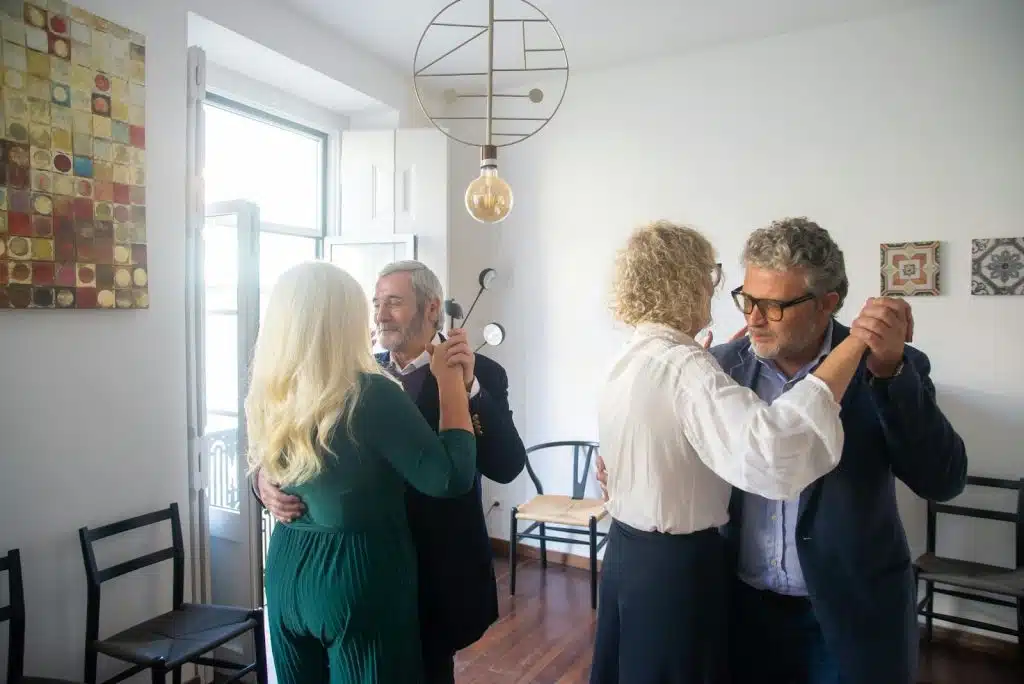
Isolation is a hidden danger in retirement. Maintaining friendships and staying active in communities protects against loneliness. Husbands who prioritize social engagement bring more energy back to their marriages. Strong external connections create balance and prevent pressure from falling entirely on the partner. Social health supports relationship health.
Volunteer or Give Back

Giving back adds purpose beyond personal satisfaction. Volunteering or mentoring creates fulfillment and community impact. It also strengthens perspective, reminding couples of the bigger picture. Serving together as a couple deepens shared values. Retirement becomes a chapter of contribution, not just consumption.
Embrace Adaptability

Retirement comes with unexpected shifts, from health changes to financial surprises. Husbands who approach these with flexibility protect their marriages from unnecessary strain. Adaptability shows resilience and prevents minor issues from becoming major conflicts. Couples who bend instead of break grow stronger through change. Retirement thrives on open-mindedness.
Think Legacy Beyond Money

Legacy isn’t just about wealth, it’s about values, traditions, and the memories left behind. Husbands who focus on legacy beyond finances give their families something deeper. Creating traditions, teaching life lessons, and strengthening family bonds matter as much as financial inheritance. The true measure of retirement is the life built together.
Conclusion
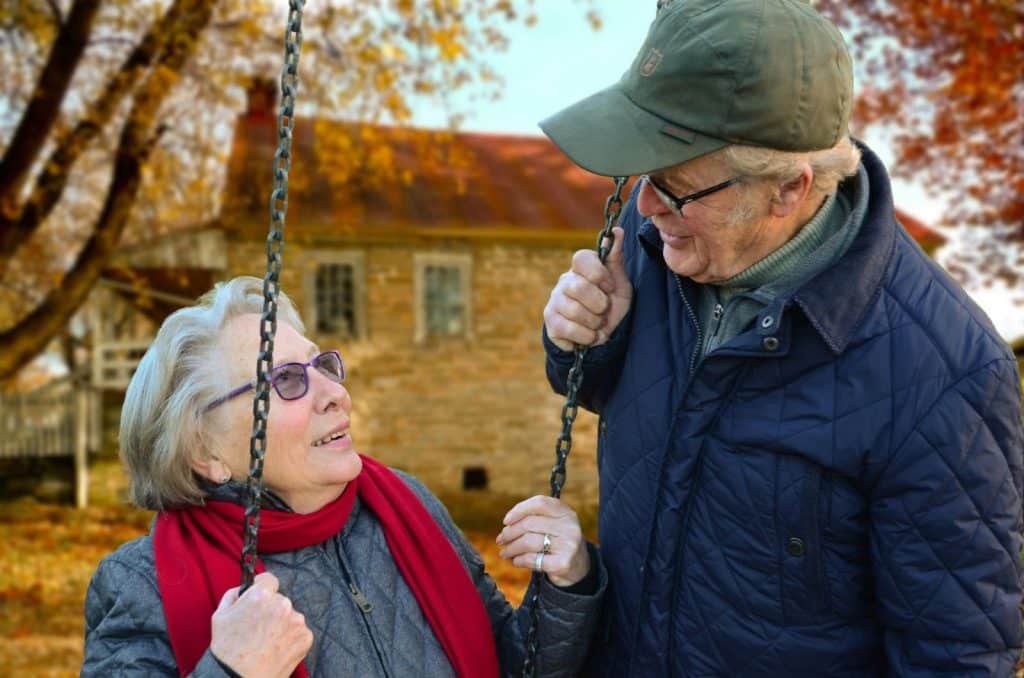
Retirement is more than a financial milestone; it’s a test of adaptability, partnership, and vision. Husbands who plan with both practicality and heart set themselves and their marriages up for success. These 18 rules show that thriving after the paycheck requires balance, between independence and togetherness, health and leisure, giving and receiving. Love in retirement is not automatic, but it is possible with intention. When effort and presence remain, marriage grows even stronger in this new season.








Ask Me Anything