
Sharing a life with someone comes with plenty of perks like late-night takeout, laughing over inside jokes, and weekend plans you actually look forward to. But once every paycheck lands in one big account, things can change in ways couples rarely expect.
Plenty of couples start out thinking it shows trust or commitment, only to realize later they miss having a little freedom over their own money. Before tossing everything together, here are 17 reasons why it’s a good idea to keep your finances separate.
1. Spending styles clash fast

You might love spontaneous road trips, dinners out, and upgrading your phone every year. Your partner could be the type who tracks every expense, convinced that a tighter budget is more important than unnecessary spending.
You feel like someone’s watching every purchase, and they feel like money is slipping away. Having some of your own funds means you both can spend without turning every coffee or pair of shoes into a debate.
2. Independence doesn’t disappear

When you’ve got money that’s yours alone, you can sign up for a dance class or go golfing on a Friday without asking for approval. Little choices like that shouldn’t require a household discussion.
If you both control a slice of your finances, neither of you ends up feeling boxed in by someone else’s spending habits or opinions.
3. Debt doesn’t spread around

Maybe your partner walks into the relationship with student loans or credit card balances, while you arrive debt-free. Mixing all the money together makes both of you feel tied to that burden, whether it’s fair or not.
If each person handles their own obligations, the one paying off debt can stay on track while the other keeps savings and credit scores out of the crossfire.
4. Money arguments don’t escalate so fast
Fights about money often begin with something small, like a streaming subscription or a pair of shoes. They grow because both paychecks land in the same pot, and neither of you feels fully in control.
When you keep part of the finances separate, shared bills stay simple while personal spending doesn’t turn into a battlefield.
5. Breakups don’t become a financial nightmare
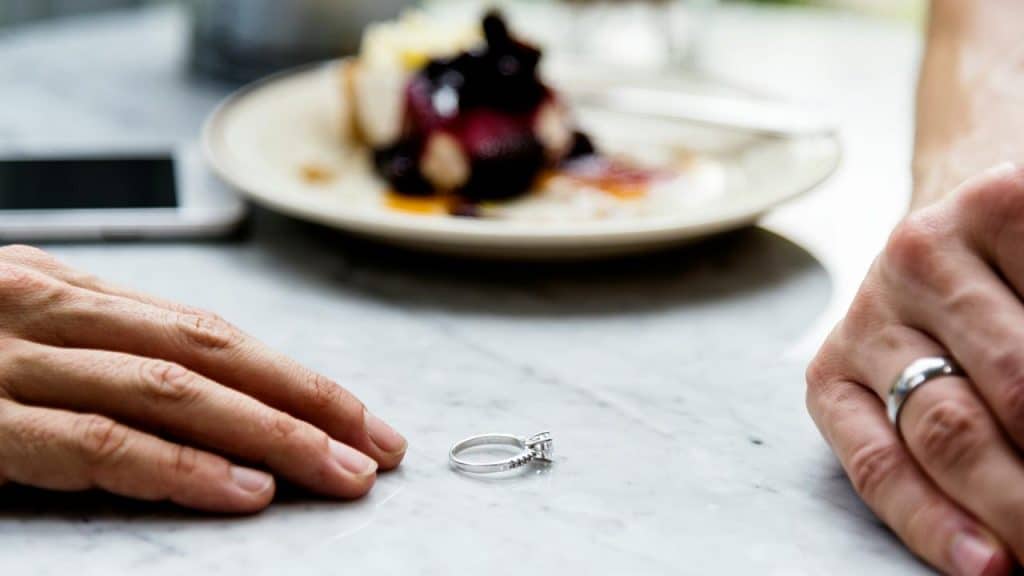
Nobody wants to picture things ending, but if they do, splitting one big account makes everything harder. It drags out a situation that’s already painful enough.
When you both keep a little money under your own names, you can walk away without spending weeks arguing over who gets what.
6. Gifts and surprises stay fun

Planning a birthday weekend or buying a special gift loses all excitement when the other person spots the charge before the big reveal. A joint account ruins the surprise instantly.
If each of you has your own funds, you can actually keep things secret until the right moment.
7. Career changes hit softer

Losing a job or quitting to start a business brings enough stress on its own. When every dollar belongs to both of you, the shock spreads farther than it should.
Keeping some of your own money means one of you can take risks while the other keeps the basics covered.
8. Big purchases stay optional

One of you might dream about a brand-new TV while the other feels fine with the old one. A shared account means both pay for it, whether they agree or not.
When the person who wants the upgrade covers it themselves, nobody feels dragged into an expense they didn’t want.
9. Less guilt over personal spending

Buying lunch out or grabbing a new pair of shoes shouldn’t spark a whole conversation. It often does when both of you see every charge in the same place.
Having your own money takes away that pressure, so nobody has to explain every small choice.
10. Emergencies are easier to handle

Life throws curveballs like car trouble or last-minute flights. When the money all comes from one pool, those surprises turn into debates about what to pay first.
If each of you controls some funds, you can jump on urgent expenses without draining the whole household account.
11. Retirement plans stay flexible

Maybe you want to retire early and travel, while your partner prefers to work longer for a bigger safety net. With one account, you’re both locked into the same timeline, even if your goals differ.
Having individual retirement savings lets you each plan your future without forcing one path on both people.
12. The children’s expenses stay manageable

Parents rarely agree on what’s reasonable for kids’ activities. One might want sports, music lessons, and camps, while the other keeps things simpler.
If you both control some money separately, extras don’t have to turn into full-blown budget arguments.
13. Family inheritances stay clear

Families often expect inheritances to remain with the person who received them. Throwing everything into one account blurs those lines fast.
Keeping inherited money under the recipient’s name avoids confusion and keeps family expectations in check.
14. Personal goals don’t compete
One of you might want to save for a side business while the other focuses on a dream vacation or bigger house. When everything lands in one account, those goals fight for the same dollars.
If you each keep some money of your own, you can chase different plans without slowing each other down.
15. Holiday spending stops feeling tense

Gift-giving seasons already come with enough stress. Couples with one account often argue about how much to spend once the balance starts dropping.
When both of you handle gifts for your own families, the holidays stay about fun rather than money fights.
16. Fewer financial surprises pop up

Shared accounts make it easy to overdraft by accident. One of you pays bills while the other swipes the card, and suddenly the balance hits zero.
When you each manage your own money, nobody gets blindsided by fees or missed payments.
17. You both have peace of mind

When some money stays outside the joint account, finances stop taking over every conversation. You can focus on the relationship instead of turning it into a business partnership.
Life together feels lighter when love, not bank balances, stays at the center.








Ask Me Anything