
Weaponized incompetence happens when someone pretends not to know how to do a task so they won’t have to do it again. In relationships, this often shows up in domestic responsibilities. It’s not just laziness, it’s a subtle way of dodging accountability. Over time, it breeds resentment and erodes partnership. Recognizing it is the first step to breaking the cycle.
Why It’s a Relationship Killer

This behavior shifts the emotional burden onto one partner. It creates an unequal emotional load, often invisible but deeply felt. When one person is always the “fixer,” it disrupts trust and balance. Over time, this imbalance silently chips away at love. It’s one of the top contributors to burnout in long-term relationships.
The Emotional Labor Load

Emotional labor includes remembering appointments, planning meals, and managing household dynamics. When one partner defaults on these, the other becomes the mental manager. Weaponized incompetence often hides behind excuses like “you’re just better at it.” That mindset isn’t a compliment, it’s a cop out. It adds stress instead of easing it.
Subtle Signs to Watch For

Look out for repeated mistakes that seem intentional. “I don’t know how” said too often is a red flag. When someone avoids responsibility through feigned helplessness, it’s not harmless. It’s a behavioral pattern. Repetition is what makes it damaging.
The Impact on Mental Health

Carrying the weight of an entire household affects mental well being. Chronic inequality at home can lead to anxiety and resentment. It reinforces the idea that one person’s time matters more than the other’s. That imbalance hurts connection and self-worth. Mental fatigue is often mistaken for personal failure.
When It Starts Early in Dating

His pattern doesn’t always wait until marriage. It can start during dating when one partner avoids basic contributions. If someone never offers help or expects to be catered to, take note. The early stage is the time to set expectations. Small habits can predict long term patterns.
How It Becomes Normalized

Social conditioning plays a huge role. Some men were never taught or expected to contribute at home. What starts as a blind spot becomes a habit. When unaddressed, it gets passed off as a “guy thing.” But it’s not gender, it’s responsibility.
Communication Breakdown

When the mental load isn’t acknowledged, frustration builds. The partner picking up the slack may lash out or go silent. Either way, it creates emotional distance. A lack of recognition for effort slowly breeds contempt. That’s where many relationships quietly begin to fracture.
The Passive Power Play

Weaponized incompetence isn’t just passivity, it’s control. Refusing to participate fully gives one partner all the decision-making power. It’s a quiet way to stay in charge without taking responsibility. Over time, it creates a dynamic of imbalance. Emotional equality can’t exist in this environment.
When It’s Used as a Defense

When called out, some use confusion as a shield. “I didn’t know you wanted help” becomes a pattern of avoidance. Accountability gets replaced with excuses. The key isn’t whether someone knows, it’s whether they’re willing to learn. Learning is a partnership. Avoidance is manipulation.
The Financial Tie In

Some justify inequality by citing income. But financial contribution doesn’t replace emotional or domestic effort. Relationships thrive on shared work, not just shared expenses. Time and energy are equal currencies. One partner shouldn’t be drained so the other can relax.
Resentment Builds Quietly

Weaponized incompetence doesn’t explode, it erodes. The partner left carrying the load starts to emotionally check out. Over time, even small interactions feel heavy. It creates a slow drift toward emotional disconnection. That’s how divorces start quietly.
Shifting the Pattern

Awareness is the beginning of change. If both partners are willing, the dynamic can shift. Start by naming the behavior without blame. Then, agree on shared expectations. The goal is a partnership, not a parent-child dynamic.
Relearning Domestic Skills

If someone truly lacks skill, that’s fixable. Learning is a sign of commitment. Sharing chores is about mutual respect. No one is born knowing how to meal prep or clean a bathroom. What matters is the willingness to show up.
Setting Boundaries

Boundaries protect both partners. If weaponized incompetence continues, speak up early. Don’t wait for burnout to become bitter. Clarity creates accountability. The earlier expectations are set, the better the relationship flows.
Therapy Can Help

Couples counseling isn’t just for crises. It can reveal dynamics like weaponized incompetence before they become destructive. A neutral voice helps both sides see their roles. Don’t wait until resentment hardens. Therapy invites growth.
Checking in Regularly

Routine relationship check ins can prevent imbalance. Ask: Do you feel supported? Is the load being shared? Emotional maintenance matters as much as physical intimacy. Regular dialogue keeps connection alive.
Leading With Action

Doing your part without needing reminders builds trust. Initiative speaks louder than intention. Quiet effort is love in motion. Don’t wait to be asked. Contribute like a teammate.
What Real Partnership Looks Like
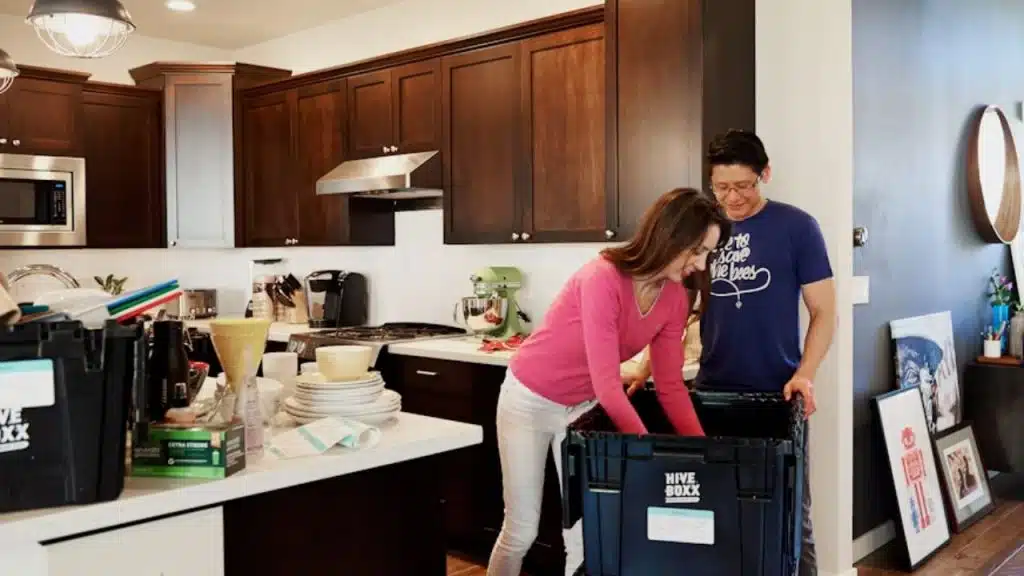
True partnership means showing up with equal effort, not equal skill. It’s not about perfection, it’s about presence. When both partners invest, resentment has no room to grow. Small gestures become big statements. Equality is the new intimacy.
Breaking the Cycle for Good

Breaking weaponized incompetence starts with self awareness. It requires a choice to stop benefiting from imbalance. Men who lean in emotionally and domestically build stronger, happier relationships. The reward is mutual respect and long term connection. That’s the kind of love that lasts.








Ask Me Anything