Let’s be honest. You’ve probably heard the age-old claim: men are just better drivers. Some guys say it with pride, others toss it out as a joke, and plenty actually believe it. Surveys back up the bravado, too, with nearly 8 in 10 men calling themselves “very confident” behind the wheel. Confidence is one thing, but does it really make you better? That’s where the debate gets messy. So let’s break down the reasons men swear they rule the road, whether you agree or roll your eyes.
Overconfidence and Ego
Men love acting like kings of the road. That swagger shows up every time a guy brags about “nailing that parking spot” or “beating the GPS by five minutes.” Confidence is good, but ego tricks men into thinking skill and guts are the same thing. Ever notice how quickly men turn a simple lane merge into a full-blown victory lap? It’s not just driving; it’s pride on four wheels.
Natural Spatial Skills
Plenty of men believe they’re wired for better distance judgment and quick maneuvers. That’s why you’ll hear guys claim parallel parking is “their thing.” Whether it’s genetics or just practice, men love the idea that they can size up a gap and slide right in. But here’s the kicker: just because you think you’re a parking pro doesn’t mean everyone else agrees with your bumper clearance.
Speed and Thrill-Seeking

For a lot of men, speed equals skill. If you can weave through traffic at 70, brake late, and still keep control, you must be a pro, right? The thrill of driving fast fuels the notion that men are naturally better drivers. The danger, of course, is confusing recklessness with ability. Ask yourself this: Are you proving skill, or just proving you’re not afraid of flashing lights in your rearview mirror?
Professional Driving Experience

Truck drivers, delivery guys, and cabbies are overwhelmingly men, and they see that as proof. Spending hours on the road daily makes them feel like experts compared to the casual driver. The guy who logs 500 miles a week for work won’t hesitate to tell you his wheel time beats anyone’s. It’s hard to argue with experience, but experience doesn’t always equal excellence.
Motorsports and Role Models
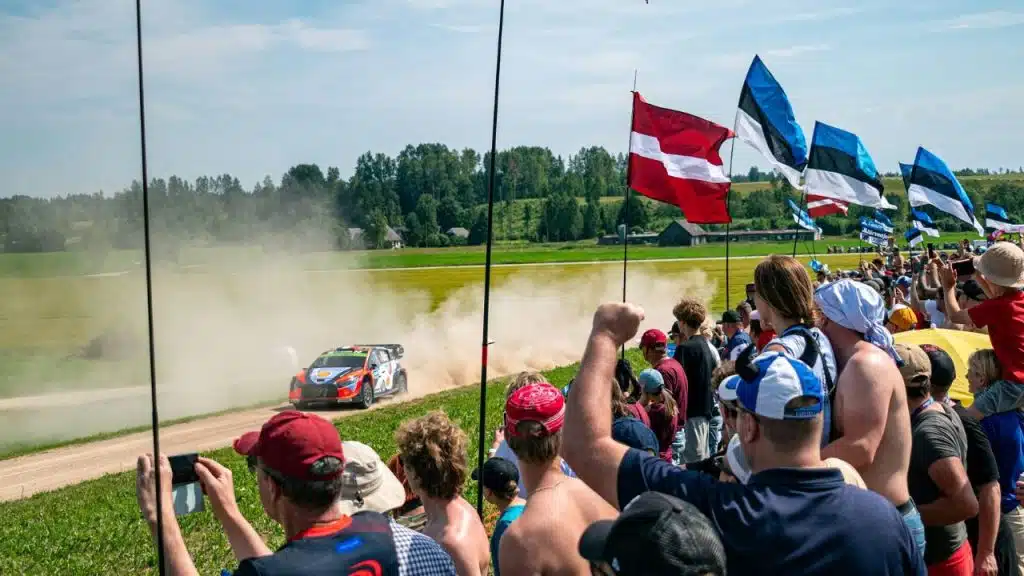
Turn on a race and you’ll see men behind the wheel almost every time. From NASCAR to F1, the role models men grew up watching were male, reinforcing the idea that “driving is a man’s arena.” That spotlight adds fuel to the belief that men are naturally built for speed and control. If your heroes are all guys racing at 200 mph, it’s easy to think the edge is genetic.
Car and Tech Savvy
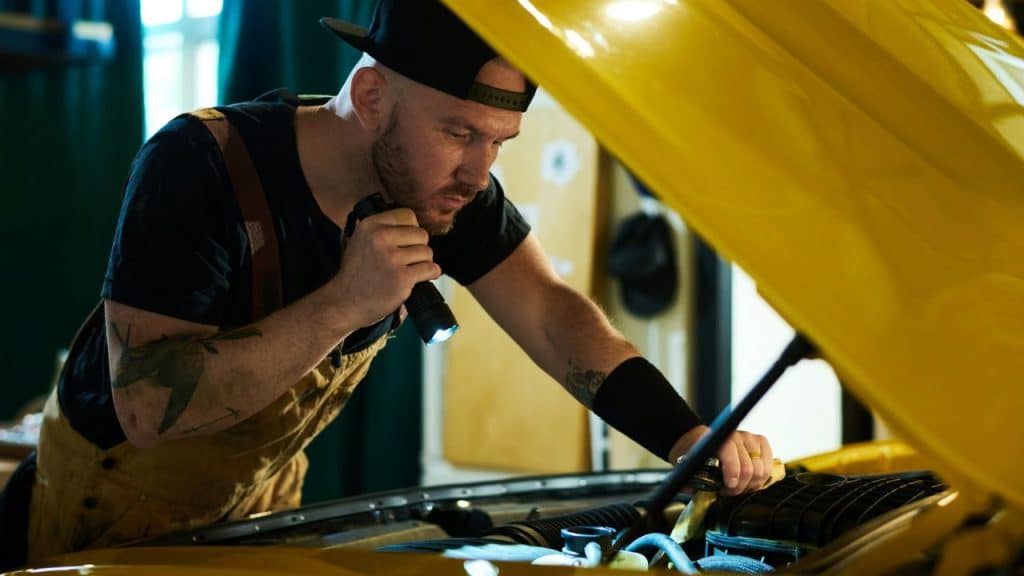
Guys who know their horsepower from their torque love to connect knowledge with skill. If you tinker under the hood or follow every car tech update, it feels like proof you’re better than average on the road. Owning gadgets, custom mods, or even just memorizing specs gives men a sense of authority. But being the guy who knows which oil to buy doesn’t mean you’re suddenly Lewis Hamilton.
Fearlessness and Risk-Taking

Men often wear risk-taking like a badge of honor. Rolling through yellow lights, pushing past speed limits, or tailgating to “make a point” is often framed as a sign of confidence. They see caution as weakness and boldness as talent. The problem? Fearlessness may look impressive until it lands you in the back of a tow truck.
Twisting the Data
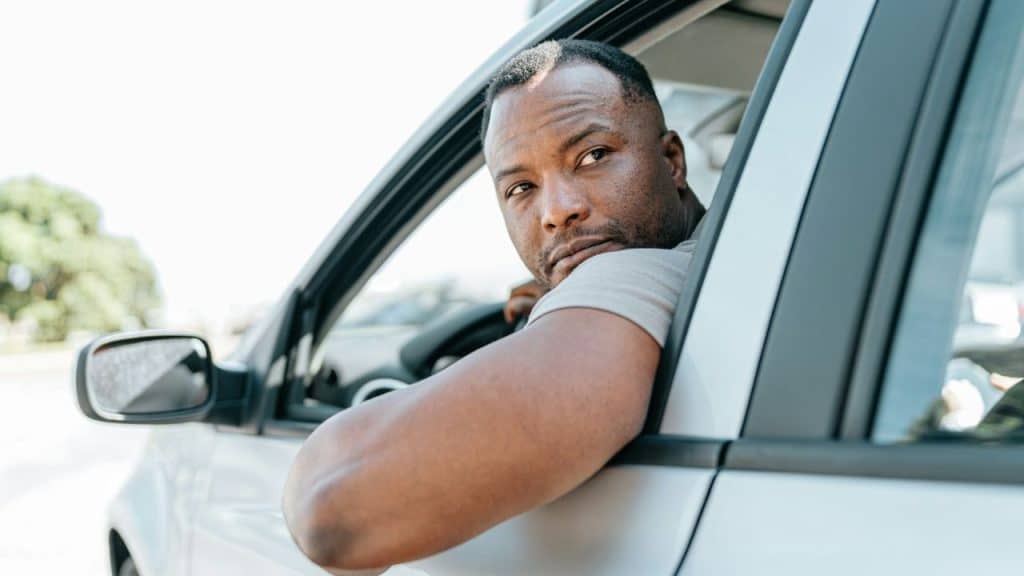
Ask a guy about accidents, and he’ll whip out selective stats. Men drive more miles, so of course, they’ll point to that as justification for higher accident numbers. Or they’ll claim “we have fewer accidents per mile” as if that settles the debate. It’s not about lying—it’s about shaping numbers to protect pride. Convenient, sure, but hardly the full story.
Big Vehicles Advantage
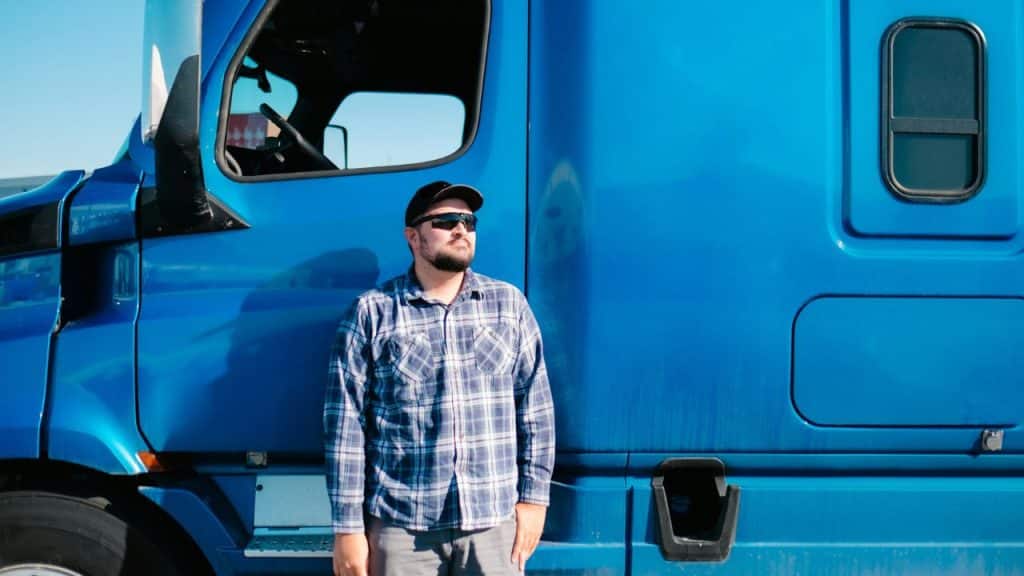
Many men drive bigger trucks or SUVs and take pride in handling them. Steering a massive vehicle makes them feel more in control, tougher, and more skilled. To them, piloting two tons of steel proves they’re better drivers than someone cruising in a compact. It’s more about power than finesse, but it fuels the belief either way.
Navigation and Direction Sense
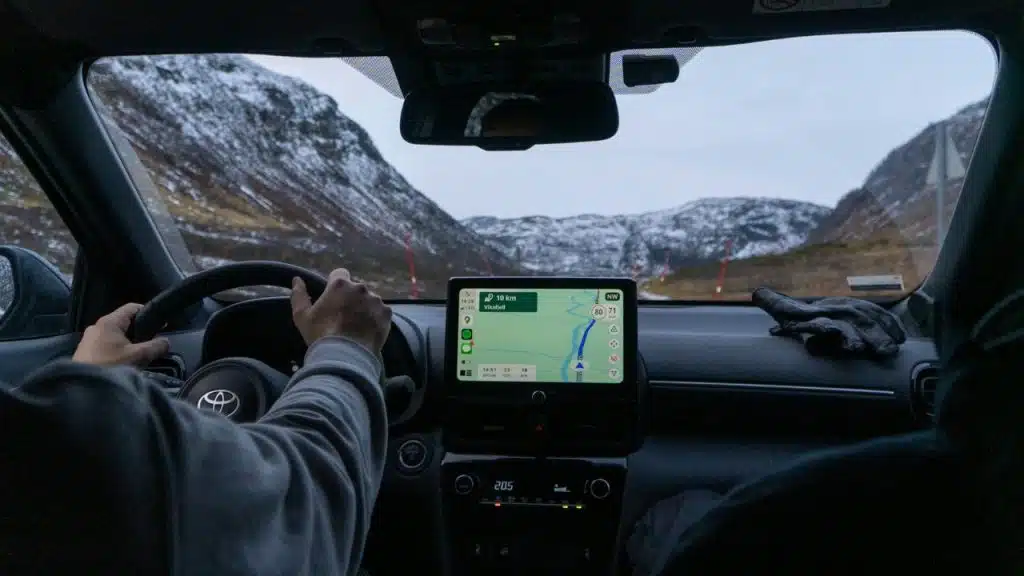
Plenty of men believe they have a built-in compass. Getting lost? That’s not in their vocabulary. The stereotype that men don’t ask for directions plays into this idea that their sense of direction is superior. And when they find a shortcut that actually works, it only reinforces the legend.
“We Rarely Crash” Rationalization
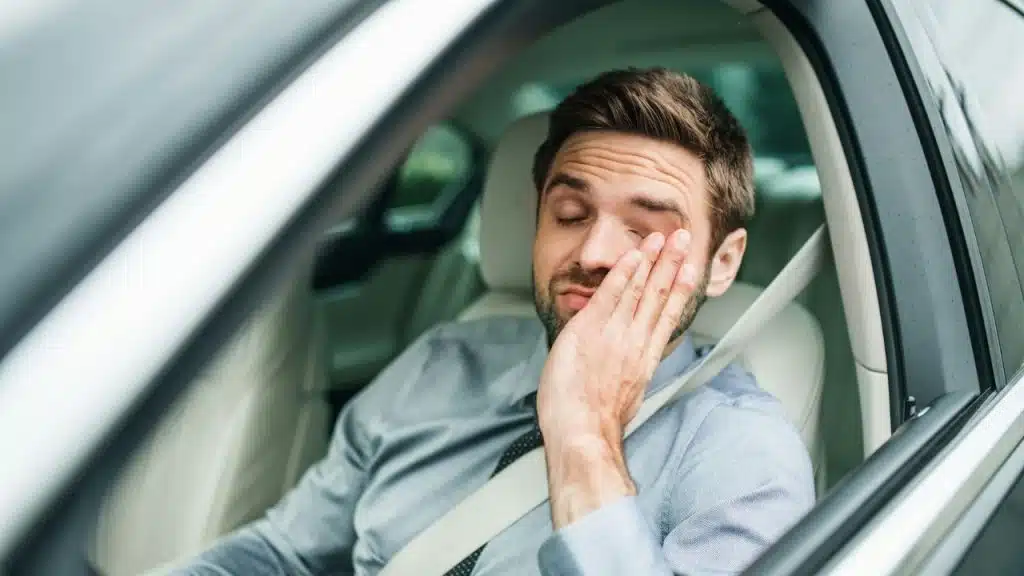
When men do crash, they’re quick to brush it off. Maybe a deer ran out, maybe the road was slick, or maybe “the other driver was clueless.” Rarely will a guy admit he just messed up. Downplaying accidents helps keep their “I’m a great driver” narrative alive, no matter what really happened.
Peer Bragging and Stories

Driving becomes a sport when men swap stories. From late-night road trips to near-misses on the freeway, these tales always end with, “and I handled it like a champ.” Men build reputations with these stories, convincing themselves and their buddies they’re better drivers. It’s not about facts—it’s about how good the story sounds over a beer.
Tradition and Upbringing
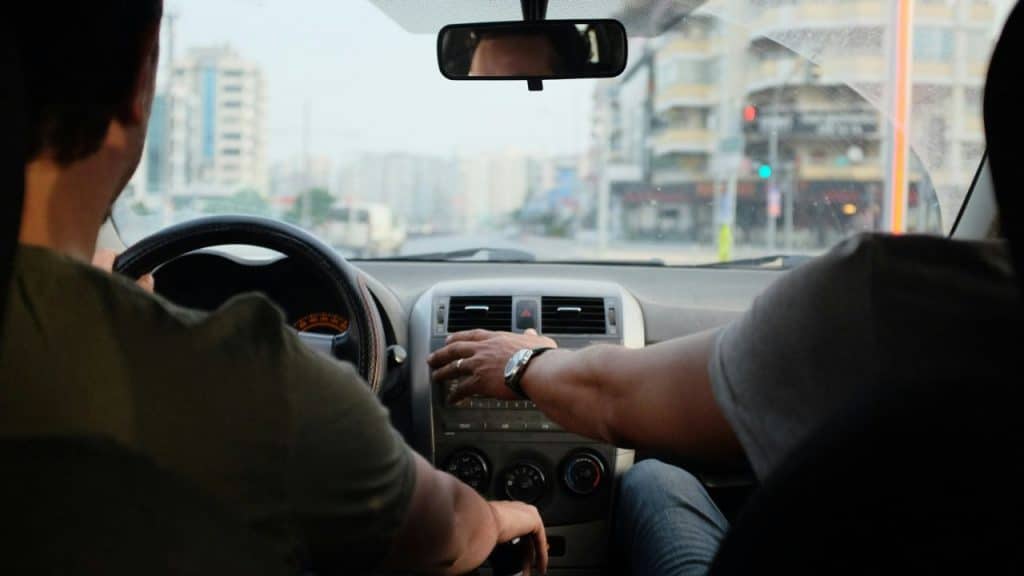
For many men, driving was a rite of passage handed down by dads, uncles, or older brothers. Learning stick shift in a parking lot at 15 made you feel like a man before you even shaved. That tradition sticks, feeding the belief that men are meant to be drivers. When driving is baked into your upbringing, it feels like destiny.
Echoing Old Stereotypes
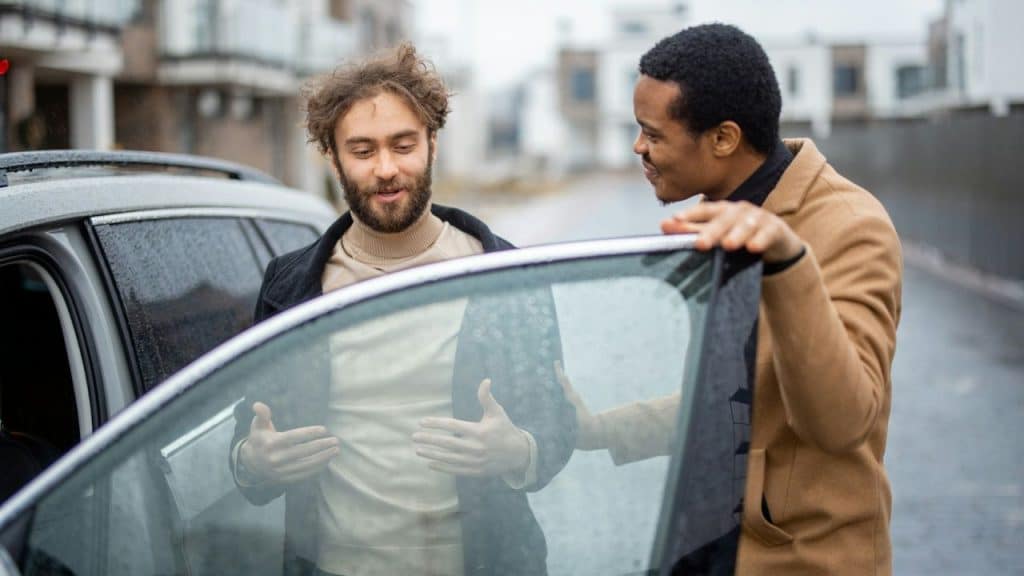
Sometimes men repeat things they’ve always heard. “Women can’t park” or “men are better on highways” gets passed around like family sayings. Even if it’s not true, hearing it your whole life makes it easy to believe. It’s lazy logic, but it’s powerful when you’ve never challenged the script.
Downplaying Careful Driving
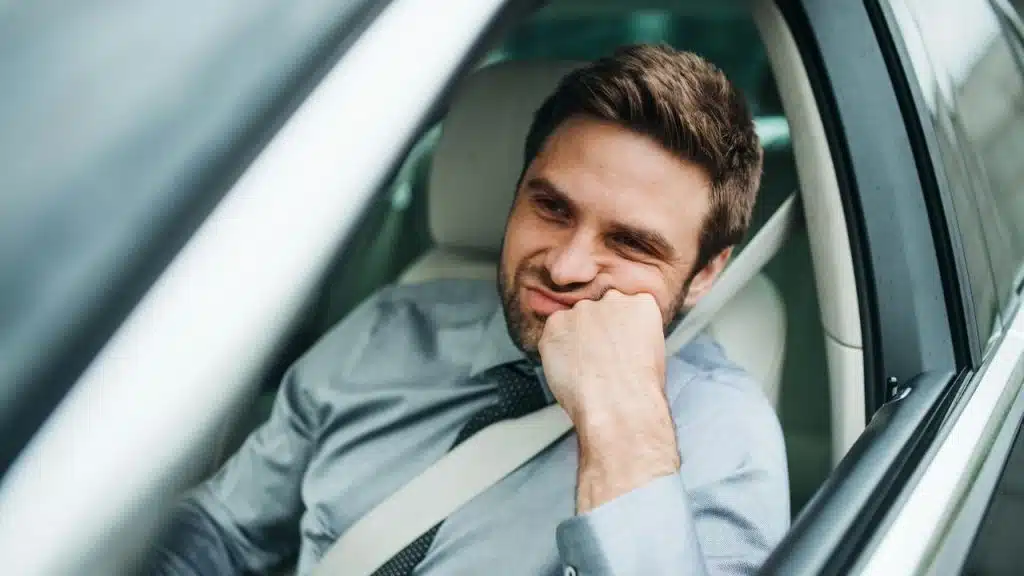
Cautious drivers get mocked as “slow” or “scared” by men who value speed and assertiveness. To them, safety isn’t skill—it’s weakness. So when a woman drives carefully, they interpret it as proof that they’re better. The irony, of course, is that the careful driver is more likely to arrive in one piece.
Humor and Macho Myth

Not every claim is serious—sometimes it’s just guy humor. Saying “women can’t drive” might be less about belief and more about banter. It’s bravado that feels good in the moment, even if nobody truly buys it. That macho myth keeps the stereotype alive without anyone taking responsibility for it.
Focusing on Others’ Mistakes
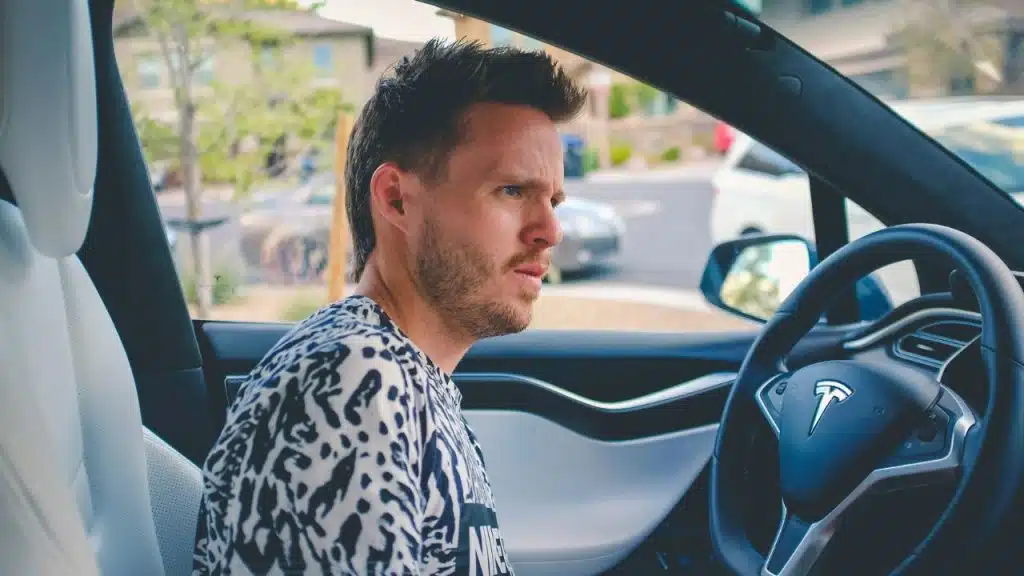
Here’s the reality: men notice and remember other people’s mistakes, not their own. If a woman makes a bad lane change, they’ll point it out every time. But when it’s them cutting someone off, well, that’s just “assertive driving.” Selective memory fuels the idea that men are better; it’s all about what you choose to notice.








Ask Me Anything