
Video games have shaped culture in ways few could have predicted, becoming more than just entertainment. They’ve influenced music, movies, fashion, and even how people socialize. Some titles stand out not only for their popularity but for the way they transformed the industry and left lasting marks on entire generations of players. These games introduced new genres, mechanics, and communities that continue to resonate today. Here are 18 video games that truly defined a generation.
Super Mario Bros. (1985)

When Nintendo released Super Mario Bros., it revived the gaming industry after the crash of 1983. The side-scrolling platformer set new standards for design and accessibility. Its colorful world, memorable music, and intuitive gameplay made it a cultural icon. Mario became a household name, symbolizing video games for decades to come.
Tetris (1989, Game Boy)
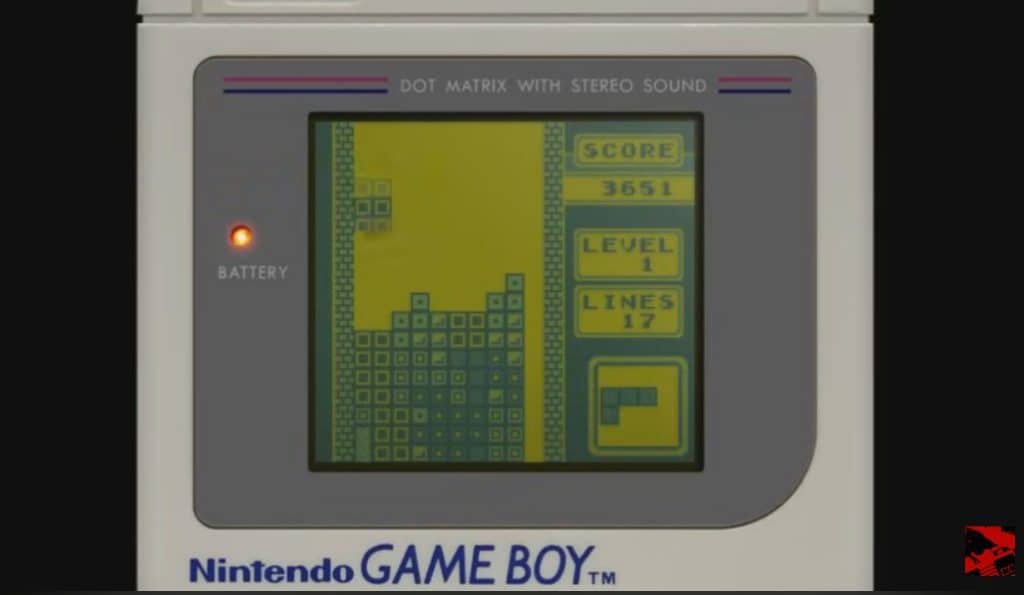
Tetris on the Game Boy revolutionized handheld gaming. Its simple yet addictive puzzle format made it universally appealing across ages. Bundling it with the Game Boy boosted the console’s success worldwide. The falling blocks became a global phenomenon, influencing puzzle games for generations.
The Legend of Zelda: Ocarina of Time (1998)

Often hailed as one of the greatest games ever made, Ocarina of Time redefined 3D adventure gameplay. Its lock-on targeting system and expansive open world were groundbreaking. The storytelling and music created an immersive fantasy experience that influenced nearly every action-adventure game afterward. It remains a gold standard in game design.
Pokémon Red & Blue (1996, worldwide release 1998)

The Pokémon craze started with Red & Blue on the Game Boy. Players caught, trained, and battled creatures, sparking a global phenomenon. Beyond gaming, Pokémon expanded into TV, movies, trading cards, and merchandise. The games encouraged connection through trading and battling, making them one of the most influential franchises in history.
Final Fantasy VII (1997)

Final Fantasy VII brought Japanese role-playing games (JRPGs) to mainstream Western audiences. Its cinematic storytelling, complex characters, and emotional depth stood out at the time. The use of 3D graphics and pre-rendered cutscenes set a new benchmark for narrative-driven games. It proved games could rival movies in emotional impact.
Halo: Combat Evolved (2001)

Launching with the Xbox, Halo: Combat Evolved defined the first-person shooter experience on consoles. Its intuitive controls, vast maps, and engaging multiplayer set a new bar. The game introduced the world to Master Chief, who became an icon for Xbox. It paved the way for online console gaming through Xbox Live.
Grand Theft Auto III (2001)

GTA III changed open-world gaming forever. It gave players unprecedented freedom to explore, drive, and interact with a living city. Its mix of story-driven missions and sandbox chaos was revolutionary. The mature themes and realistic world design pushed gaming into more adult-oriented storytelling.
The Sims (2000)

The Sims introduced life simulation in a way no game had before. Players controlled characters’ daily lives, building houses, managing careers, and forming relationships. Its appeal reached far beyond traditional gamers, especially attracting casual players. It became one of the best-selling PC game series of all time.
Counter-Strike (1999)

Originally a mod for Half-Life, Counter-Strike became a cornerstone of competitive gaming. Its tactical, team-based gameplay emphasized strategy and communication. The title grew into one of the earliest eSports sensations. Even today, its influence is seen in modern shooters like Valorant.
World of Warcraft (2004)

World of Warcraft redefined online multiplayer experiences. Millions of players around the globe logged in to explore Azeroth, complete quests, and form guilds. It became a cultural touchstone, referenced in mainstream media and pop culture. WoW set the template for massively multiplayer online role-playing games (MMORPGs).
Call of Duty 4: Modern Warfare (2007)

This title propelled the Call of Duty series into global dominance. With cinematic campaigns and addictive multiplayer, it set a new bar for shooters. The introduction of customizable loadouts and progression systems influenced countless games. It was also a landmark in the rise of online console gaming.
Wii Sports (2006)

Bundled with the Nintendo Wii, Wii Sports made gaming accessible to everyone. Its motion controls brought families, friends, and even non-gamers together. Games like tennis and bowling encouraged social play, even in retirement homes and fitness centers. It remains one of the best-selling games ever, proving the power of simplicity and fun.
Minecraft (2011)

Minecraft became more than a game, it became a cultural platform. Its sandbox creativity allowed players to build anything they imagined, from simple houses to entire cities. The game inspired educational uses, teaching coding and teamwork in schools. Its massive online community helped it become the best-selling video game of all time.
The Elder Scrolls V: Skyrim (2011)
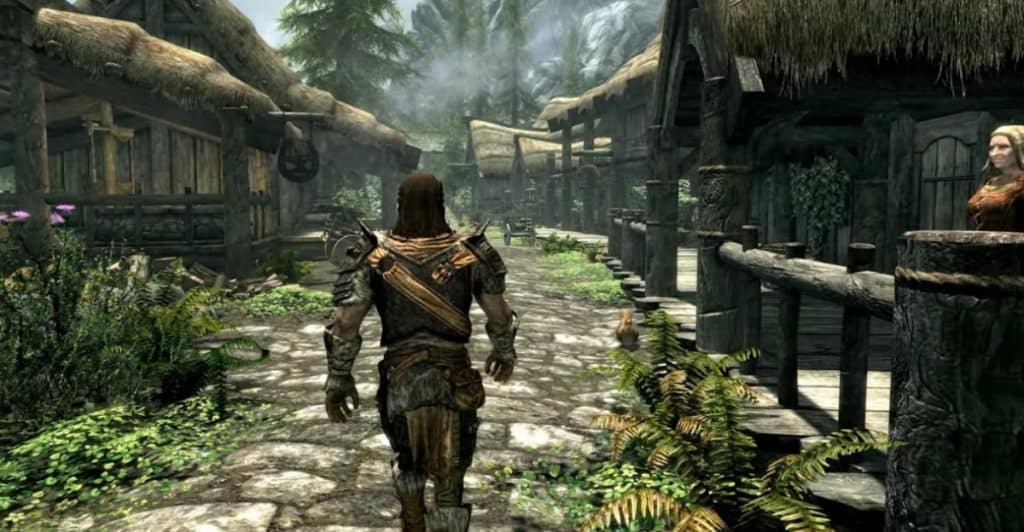
Skyrim pushed the limits of open-world role-playing. Its massive, detailed world offered endless exploration and freedom. Players could choose their path, hero, villain, or wanderer, with nearly limitless possibilities. The game’s longevity is legendary, thanks to mods and re-releases, keeping it relevant over a decade later.
Fortnite (2017)

While not the first battle royale, Fortnite turned the genre into a global phenomenon. Its free-to-play model, colorful style, and constant updates kept players engaged. More than a game, it became a social hub where players watched concerts and events. Its influence on gaming culture is undeniable.
Among Us (2018, mainstream popularity 2020)

Among Us exploded during the global pandemic, becoming a social lifeline. Its simple premise, spot the impostor, created hilarious, tense group interactions. The game encouraged communication, deception, and teamwork. It became a cultural moment, spawning memes, streams, and mainstream recognition.
The Last of Us (2013)

The Last of Us showcased video games as a powerful storytelling medium. Its gripping narrative about survival, family, and morality resonated deeply with players. The relationship between Joel and Ellie became one of gaming’s most iconic duos. It blurred the line between film and game, proving emotional storytelling could be central.
League of Legends (2009)

League of Legends built one of the largest eSports scenes in the world. Its free-to-play model and accessible design drew millions of players. Competitive tournaments filled stadiums and attracted global audiences. Beyond gaming, it influenced music, animation, and pop culture. It remains one of the most played games worldwide.
Conclusion

These 18 games didn’t just entertain, they shaped generations. From introducing new genres to redefining storytelling, each one changed how people experience gaming. They became cultural touchpoints, bringing people together, inspiring creativity, and influencing industries beyond gaming. Whether through nostalgia or ongoing impact, these titles prove that video games are far more than a pastime, they’re part of cultural history.








Ask Me Anything