
Childhood trauma doesn’t stay in childhood. Even when you grow up, succeed, and build a seemingly stable life, the emotional imprints of those early wounds tend to show up in how you relate to others–especially in your closest relationships. Trauma often operates beneath the surface, driving reactions, fears, and attachment styles without you even realizing it. The good news? Once you learn to recognize these patterns, you can start breaking them instead of repeating them.
Here are 18 ways unresolved childhood trauma often shows up in adult relationships–and what you can do about it.
1. Fear of Abandonment

One of the most common echoes of childhood trauma is a deep fear of being left. If your early caregivers were inconsistent or emotionally unavailable, you may find yourself constantly on edge in relationships, waiting for the other shoe to drop. This can lead to clinginess, over-checking, or even testing your partner’s loyalty. The healthier move is to acknowledge the fear, but not let it dictate your behavior. Therapy, journaling, or even naming the fear out loud when it comes up can help you separate the present from the past.
2. Struggling with Trust

If the people you relied on in childhood betrayed you, it’s hard to believe anyone won’t do the same. You may second-guess your partner’s motives, snoop through their phone, or assume bad intent when they make a mistake. This creates unnecessary conflict and pushes people away. The practical shift is learning to build trust slowly, not in all-or-nothing terms. Trust should be seen as a process you co-create with someone, not a leap you force yourself into overnight.
3. Emotional Numbing

Some people adapt to trauma by shutting down their feelings entirely. You may look “strong” on the outside but feel detached or robotic in love. This keeps you from experiencing true intimacy, because vulnerability is the gateway to connection. If this is you, start small: practice expressing minor emotions, even if it feels uncomfortable. Let yourself say, “That hurt my feelings” or “I’m excited about this.” Over time, your emotional range will widen, making closeness feel less dangerous.
4. Overreacting to Conflict

When you grow up in chaos, even small disagreements can feel threatening. You may explode, withdraw, or shut down at the slightest sign of tension. The problem is that partners often experience your reaction as disproportionate, which fuels more conflict. The better approach is to pause before responding–literally count to ten or excuse yourself for a breather. That pause gives your nervous system time to regulate so you can respond, not just react.
5. Choosing Unavailable Partners

Unresolved trauma often draws people toward what feels familiar, even if it’s unhealthy. If you grew up around neglect, you may subconsciously seek out partners who are emotionally distant or inconsistent. The brain mistakes “familiar” for “safe,” even when it isn’t. Breaking this cycle means recognizing your patterns and intentionally choosing people who treat you well, even if they feel “boring” at first. Healthy love should eventually feel exciting and steady at the same time.
6. Difficulty Accepting Love

If affection wasn’t freely given to you as a child, receiving love as an adult can feel uncomfortable–or even suspicious. Compliments may make you squirm, and consistent care may cause you to push someone away. Instead of sabotaging, practice simply saying “thank you” when someone offers kindness. You don’t need to fully believe it yet; acceptance is the first step toward rewiring your sense of worthiness.
7. Hyper-Independence

Some people respond to childhood trauma by convincing themselves they don’t need anyone. You may pride yourself on doing everything alone, but in relationships, this can block intimacy. Refusing help, rejecting comfort, or never letting your guard down keeps partners at a distance. Try experimenting with small acts of letting others in–like asking for advice or admitting when you’re struggling. True strength isn’t about being untouchable; it’s about being open without losing yourself.
8. People-Pleasing
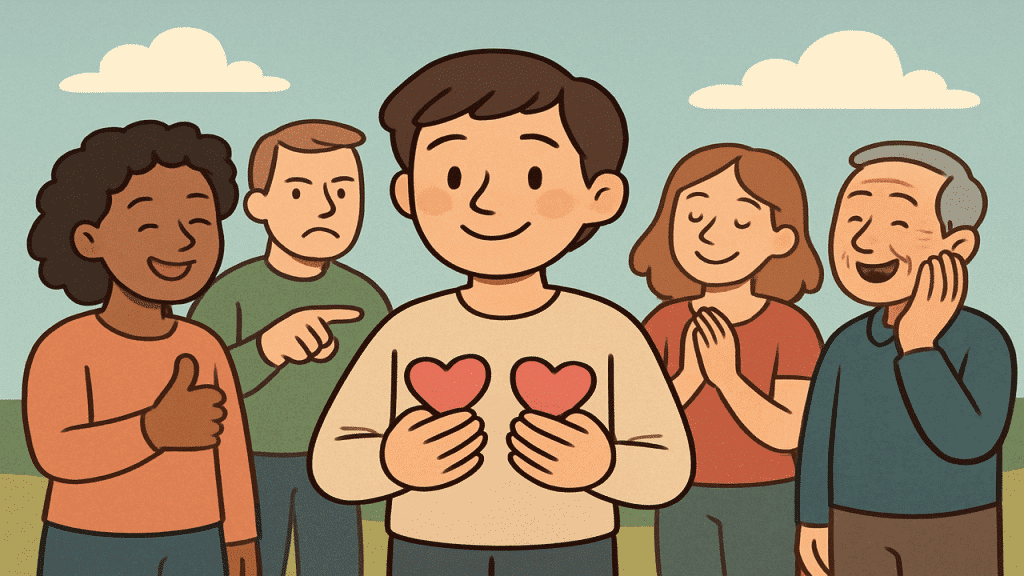
If love in your childhood felt conditional, you may have learned to earn it by being “good.” As an adult, this translates into over-accommodating, avoiding conflict, and putting others’ needs ahead of your own. While it keeps the peace temporarily, it also breeds resentment and exhaustion. To shift, practice tolerating discomfort when you set boundaries. Start with low-stakes situations and build your way up. A partner who loves you won’t vanish just because you said no.
9. Low Self-Worth

Trauma often leaves kids believing something is inherently wrong with them. That belief can follow you into adulthood, making you settle for less than you deserve. You may accept poor treatment or believe you have to “prove” your value in a relationship. Real change begins with challenging that inner script: write down evidence of your strengths, practice self-affirmations that feel true (not cheesy), and surround yourself with people who reflect your worth back to you.
10. Avoidance of Intimacy

For some, closeness itself feels unsafe because vulnerability once led to pain. You may avoid deeper conversations, keep partners at a surface level, or disengage when things get serious. The irony is that you want connection, but your protective walls prevent it. A practical step is pacing intimacy: let yourself share one meaningful thing at a time and see how your partner handles it. Often, safe intimacy is built in layers, not leaps.
11. Repeating Old Dynamics

Trauma can set the stage for unconscious repetition. You may find yourself replaying your parents’ dynamic in your adult relationships–whether that’s constant fighting, one-sided caregiving, or emotional distance. The mind gravitates toward what it knows, even when it’s harmful. Awareness is key here: notice patterns across your relationships, and ask yourself, “Does this remind me of home?” If so, it’s likely a trauma echo–and breaking it requires making different choices on purpose.
12. Controlling Behavior

When your early environment was unpredictable, controlling others can feel like the only way to stay safe. But in relationships, this shows up as micromanaging, jealousy, or needing constant reassurance. It doesn’t create security–it creates resentment. The healthier route is building internal safety: learning self-soothing techniques like deep breathing, grounding exercises, or journaling so you don’t rely on control to feel okay.
13. Struggling to Communicate Needs

Children who learned their needs weren’t important often grow into adults who don’t know how to voice them. You may hope your partner will just “know” what you need, or you may suppress your desires until resentment builds. A better approach is direct, simple communication: “I feel [emotion] and I need [specific request].” It feels awkward at first, but clarity prevents confusion and strengthens the relationship.
14. Over-Attachment

Sometimes trauma makes you latch on too tightly, because the thought of being alone feels unbearable. You may become dependent on your partner for validation, happiness, or even identity. While closeness is healthy, over-attachment drains both people. Work on developing your sense of self outside the relationship–through hobbies, friendships, and personal goals. A strong relationship is made of two whole people, not one person clinging to the other.
15. Anger Issues

For many trauma survivors, anger is the most accessible emotion–it feels safer than sadness or fear. But in relationships, unchecked anger damages trust. Explosive outbursts or simmering resentment usually point to deeper wounds. The key is learning to pause and name what’s underneath: often it’s hurt, shame, or loneliness. By identifying the real feeling, you can respond with honesty instead of defensiveness.
16. Difficulty Forgiving

When you grew up hurt, your brain may hold grudges as a way of protecting you. In relationships, this makes it hard to move forward after conflict. You might replay past mistakes, bring them up in every argument, or struggle to trust even after apologies. Forgiveness doesn’t mean forgetting–it means releasing the hold those moments have over you. If you struggle here, consider writing letters (even unsent ones) to process and let go.
17. Perfectionism

Kids who learned love was earned often grow into adults who believe they must be flawless to deserve affection. You may obsess over being the perfect partner, never showing weakness, or hiding mistakes. The irony is that perfectionism blocks true intimacy, because intimacy requires authenticity. A healthier path is to embrace imperfection as part of love–messiness, flaws, and vulnerability are what make relationships real.
18. Fear of Commitment

Finally, some people avoid long-term relationships altogether because commitment feels like a trap. If your childhood home felt suffocating or unsafe, you may associate closeness with loss of freedom. But avoidance only keeps you lonely. The key is reframing commitment as choice, not confinement: you’re not reliving your childhood–you’re creating something new. Start by committing in small, manageable ways, and notice how it feels to build safety instead of reliving fear.








Ask Me Anything