Love hasn’t disappeared–it’s just been reshaped. Dating apps promised to make romance easier, but what they really did was throw gasoline on the fire. Everything is faster, louder, and more complicated. You’re meeting more people than ever before, but that doesn’t mean you’re connecting more deeply. In fact, for many, it feels harder than ever to build something real.
The harsh truth is that while dating apps opened doors, they also created new traps you have to navigate if you want lasting love. Here are 19 harsh truths the age of dating apps is teaching us.
1. The Paradox of Choice Is Real

When you have an endless lineup of potential partners, it’s easy to slip into “shopping mode.” You swipe, compare, and keep scrolling, thinking the next person might be a better fit. The result? You rarely commit fully to exploring what’s in front of you. This constant scanning creates a mindset where nobody feels “good enough” because there’s always the illusion of something better around the corner. The practical shift? Treat apps as a tool, not a buffet–set limits on swiping and actually invest in the conversations you start.
2. Chemistry Gets Confused With Compatibility
That rush when someone attractive matches with you? It feels intoxicating, but it doesn’t mean they’re compatible long term. Apps lean heavily on appearance and surface-level profiles, which can make sparks feel more meaningful than they are. The truth is, chemistry fades if values, goals, or communication don’t align. If you want more than a fling, you need to slow down and ask better questions early. Think less “Do we click?” and more “Can we grow together?”
3. Ghosting Is Practically Built Into the System

The design of dating apps makes ghosting not just possible, but easy. When connections are low-stakes and easily replaced, people vanish rather than communicate. As harsh as it feels, ghosting has become normalized because accountability is low–you don’t share circles, workplaces, or mutual friends. The fix? Don’t waste energy chasing closure from strangers. Instead, filter early for people who show consistency and effort from the start.
4. Profiles Are Carefully Curated Versions of Reality
What you see on dating apps is rarely the full picture. People choose their most flattering photos, highlight reel hobbies, and witty one-liners to stand out in the crowd. That’s not lying–it’s marketing. But the problem is when you expect someone’s profile to fully represent who they are. The reality check? Assume you’re only seeing about 20% of the truth. The rest comes from real conversations, time spent together, and seeing how they act in everyday moments.
5. Texting Creates False Intimacy
Chatting for days on an app or over text can trick you into thinking you “know” someone. You start to build them up in your head, filling in the blanks with hope or fantasy. But texting is a low-effort communication style–it doesn’t reveal tone, nuance, or how someone behaves in person. Don’t get stuck in “chat relationships.” Move from the app to a real-life date within a week or two if you’re genuinely interested.
6. Attraction Is Amplified, Rejection Is Multiplied
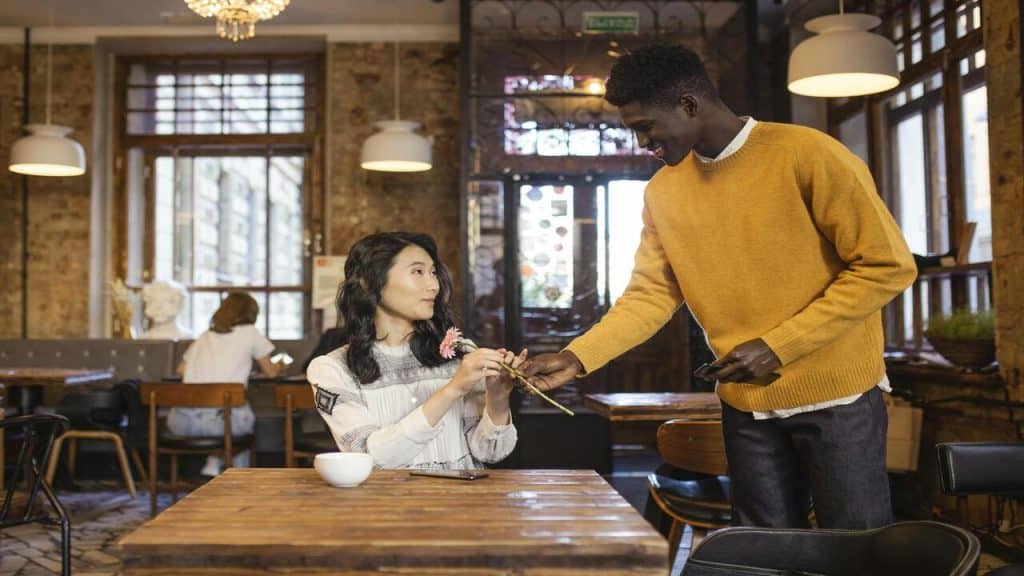
On apps, every like, match, or compliment gives you a quick dopamine hit. But the flipside is that rejection is just as constant–swipes ignored, messages unanswered, connections that vanish. This cycle of highs and lows can mess with your self-esteem if you take it personally. The hard truth is most of it has nothing to do with you–it’s timing, preference, or pure distraction. Don’t hinge your worth on responses from strangers.
7. “Talking Stages” Can Drag On Forever
Apps have blurred the line between dating and just chatting. Many people linger in the “talking stage” because it feels safe–lots of banter, no commitment. But these endless conversations often go nowhere, leaving you emotionally invested with little to show for it. The fix? Have a clear intention. If you want to date seriously, push for a real-life meeting. If the other person dodges, that’s your sign they’re not on the same page.
8. Algorithms Reward What’s Shallow
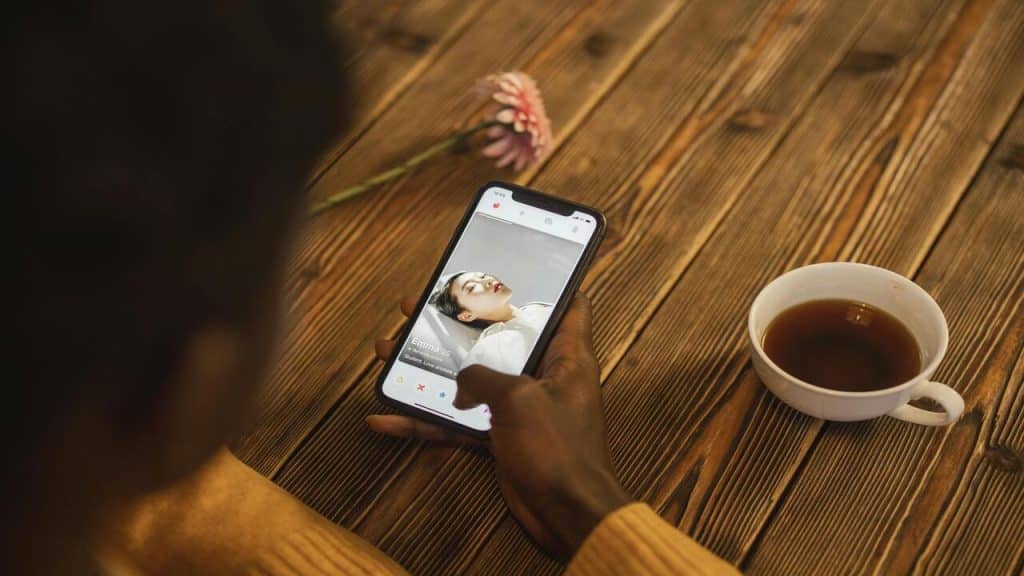
Dating apps are designed to keep you swiping, not necessarily to help you find love. That means the algorithm often prioritizes looks and activity over compatibility. The profiles you see most are the ones who get the most likes–not necessarily the ones who’d make the best partner. Knowing this, you can outsmart the system: optimize your profile for clarity, not perfection, and swipe intentionally rather than endlessly.
9. Overlap Creates Dating Fatigue

The overlap of conversations, matches, and potential dates can leave you feeling drained instead of excited. Juggling five conversations at once sounds efficient, but it dilutes your focus and emotional energy. Pretty soon, everyone starts blending together, and dating feels like another job. The fix is to simplify: invest in fewer conversations at a time, and allow space for real connection to build.
10. Apps Skew Toward Short-Term Connections

While many people do find long-term partners through apps, the truth is most platforms are built for speed and casual interactions. Swiping culture favors instant attraction, not deeper compatibility. That doesn’t mean you can’t find something lasting–it just means you’ll need to be intentional and patient. If long-term love is your goal, treat every match as a screening process instead of just another fling.
11. In-Person Skills Are Getting Rustier
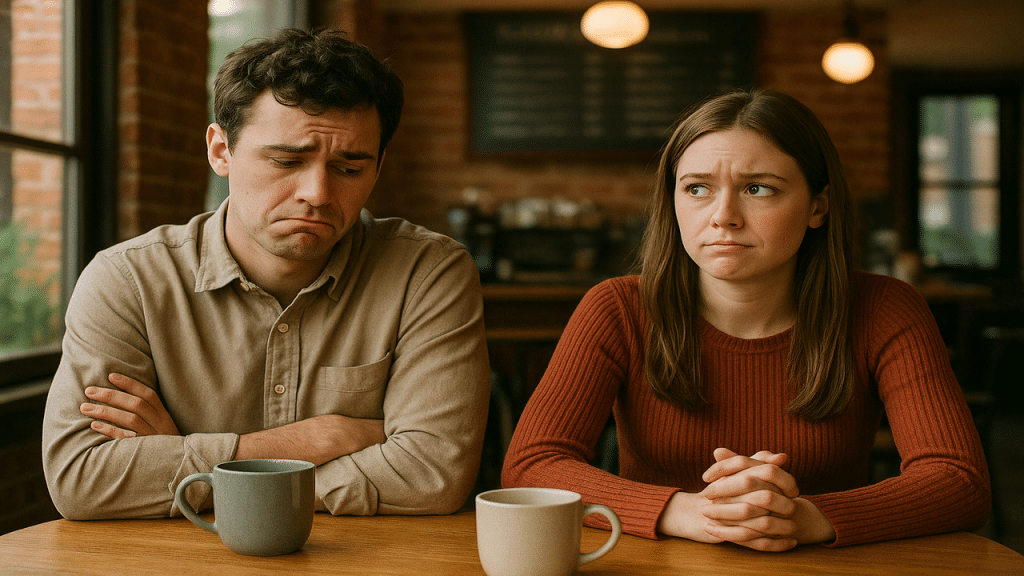
The more people rely on apps, the less confident they feel approaching someone naturally in real life. You get so used to digital filters and witty one-liners that the thought of walking up to someone in a coffee shop feels terrifying. But real-life skills are still crucial–because chemistry is often decided face-to-face. Practice offline interactions, even casually, to keep your confidence sharp.
12. Ghost Profiles Waste Your Time

A large percentage of profiles on apps aren’t even active. Some are old accounts people never deleted, while others are people who log in once a month with no real intention to date. That means you’re often competing for attention that doesn’t even exist. To save time, focus on people who engage quickly and consistently. If someone can’t be bothered to reply or plan, they’re not truly available.
13. Looks Still Hold Too Much Weight
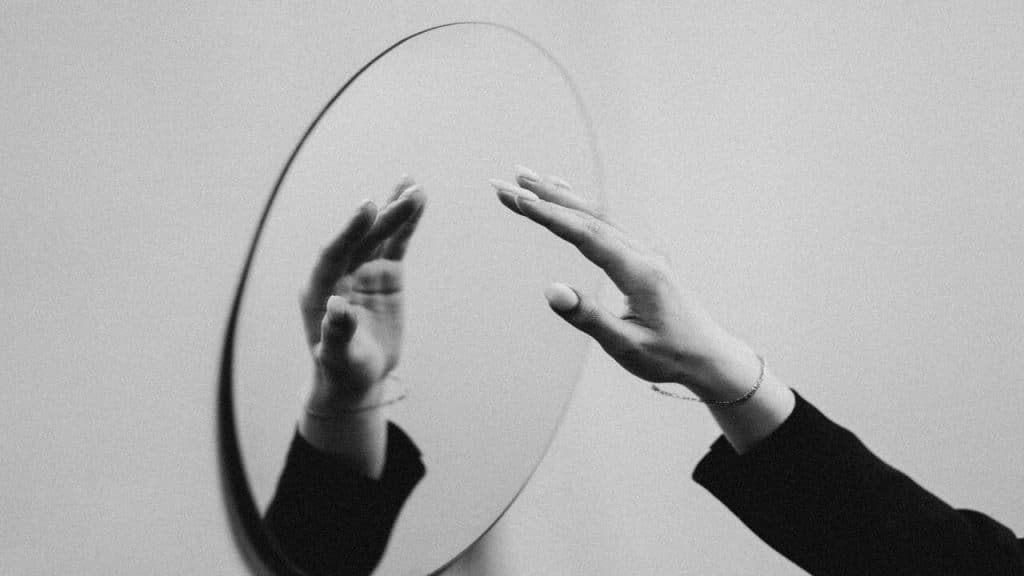
Despite what people say about “personality” or “values,” most apps are driven by photos. The harsh truth is that looks are the initial filter, and no clever bio can override that. While you can’t change someone else’s preferences, you can be strategic: choose authentic, high-quality photos that reflect your lifestyle and energy. And remember, real connection is built after the first impression, not before it.
14. Many People Don’t Know What They Want

Dating apps attract people at all stages–those looking for casual fun, validation, or genuine love. The issue is that many don’t even know what they’re truly seeking. That confusion leads to mismatched expectations and frustration. You can’t control that, but you can control your clarity. Define your intentions and communicate them upfront, even if it risks scaring someone off. That honesty saves you wasted months of guessing.
15. The Market Isn’t Always Fair
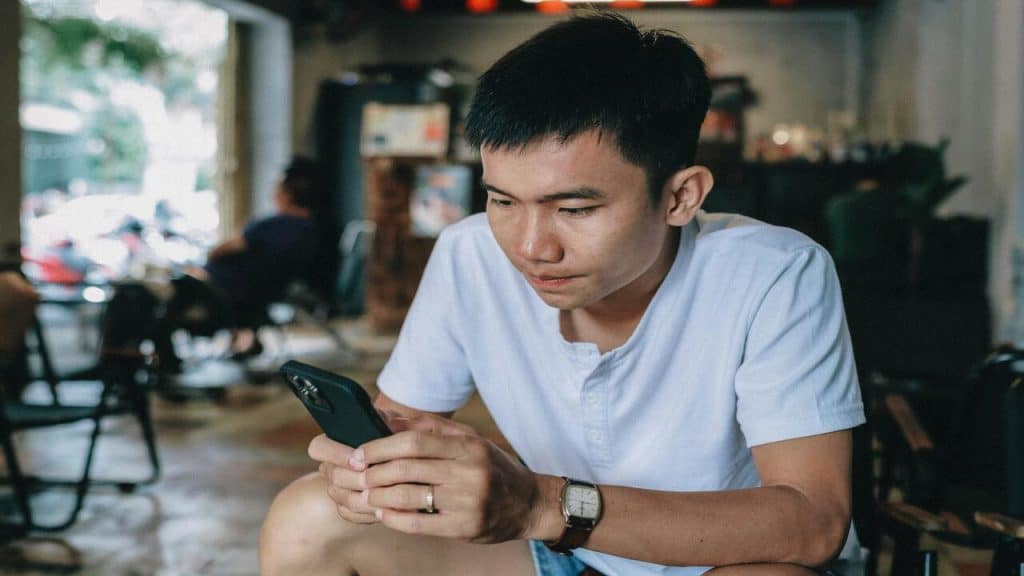
Dating apps magnify certain traits–height, age, income, or looks–while minimizing others like kindness, reliability, or humor. Some people get flooded with attention, while others struggle for matches, no matter how great they are. The truth is, the app “market” isn’t always a fair reflection of real-world compatibility. Don’t let the algorithm dictate your confidence–remember that apps are only one avenue, not the whole picture.
16. People Treat Dating Like Entertainment

For some, dating apps aren’t about finding love at all–they’re about passing time, collecting matches, or boosting ego. You may invest energy in someone who’s just scrolling between meetings with no real interest in dating. That’s the harsh truth: not every match has the same level of seriousness. The fix? Pay attention to consistency. If they don’t move toward action–dates, calls, plans–they’re likely just in it for the thrill.
17. You Can Start to Feel Disposable
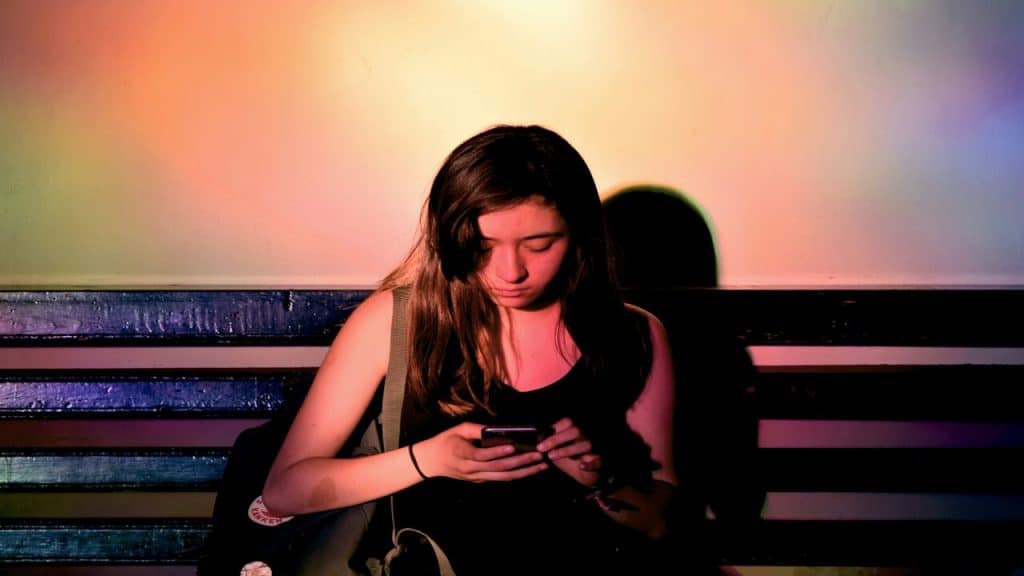
When you’re swiped away after one photo or unmatched mid-conversation, it can sting. Apps can make you feel replaceable, like just another profile in the pile. That’s not a reflection of your worth–it’s the byproduct of a system designed for speed, not depth. The antidote is to separate your self-esteem from digital validation. Your value is not defined by the number of likes you get, but by how you show up in real life.
18. Patience Becomes the Rarest Commodity
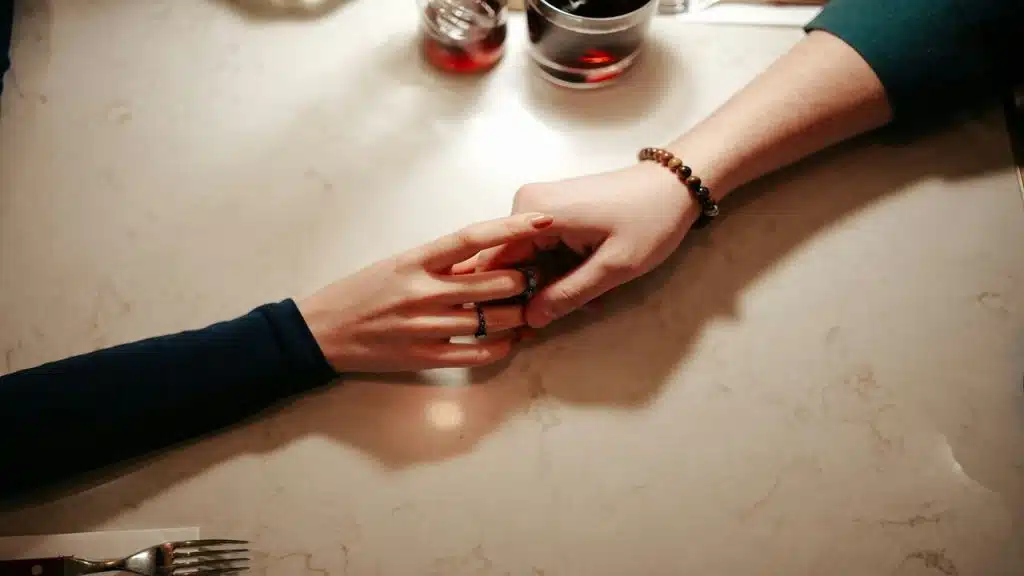
In a world of instant replies and constant notifications, patience has practically vanished. People expect fast responses, quick dates, and instant chemistry. But love doesn’t operate on that timeline. If you’re looking for something meaningful, you’ll need to resist the pressure to rush. Slow connections often last longer. Give people (and yourself) the chance to reveal more than what fits in a profile.
19. True Love Still Requires Effort

At the end of the day, no app can bypass the work real relationships require. Swiping might help you meet, but what happens after is still about effort, communication, and vulnerability. The harshest truth? Even in the age of dating apps, love isn’t convenient. But if you’re willing to sift through the noise, set clear intentions, and show up consistently, you can still find it. The apps may change the game, but the rules of lasting love haven’t.








Ask Me Anything