
A lot of “green” products sound noble on the surface, but some hide nasty side effects that undo all that good karma you thought you were collecting. Some of them became trendy faster than they were actually tested for impact. Others get marketed so cleverly that we barely notice their ugly footprint until someone spells it out.
So, here’s the lowdown on 15 so-called eco-friendly products that aren’t quite the planet’s BFF.
1. Bamboo toothbrushes

Bamboo sounds wholesome, like pandas and zen gardens, but it’s not always the eco hero it claims to be. Many bamboo toothbrushes still have nylon bristles that are not biodegradable. Once the bristles are tossed, they live forever in landfills.
Some companies even use chemical-heavy glues or paints to make the handles look “premium.” Those extra processes can cancel out the environmental gains you thought you were getting from ditching plastic.
2. Reusable shopping bags

Reusable bags can be great if you use them hundreds of times. Cotton bags, especially the thick “organic” ones, require an enormous amount of water and energy to produce. You would have to use one every week for years to break even on its footprint.
They also end up in closets, car trunks, and pantries in piles that no one can realistically get through. Eventually, they become just another thing we toss.
3. Compostable coffee pods
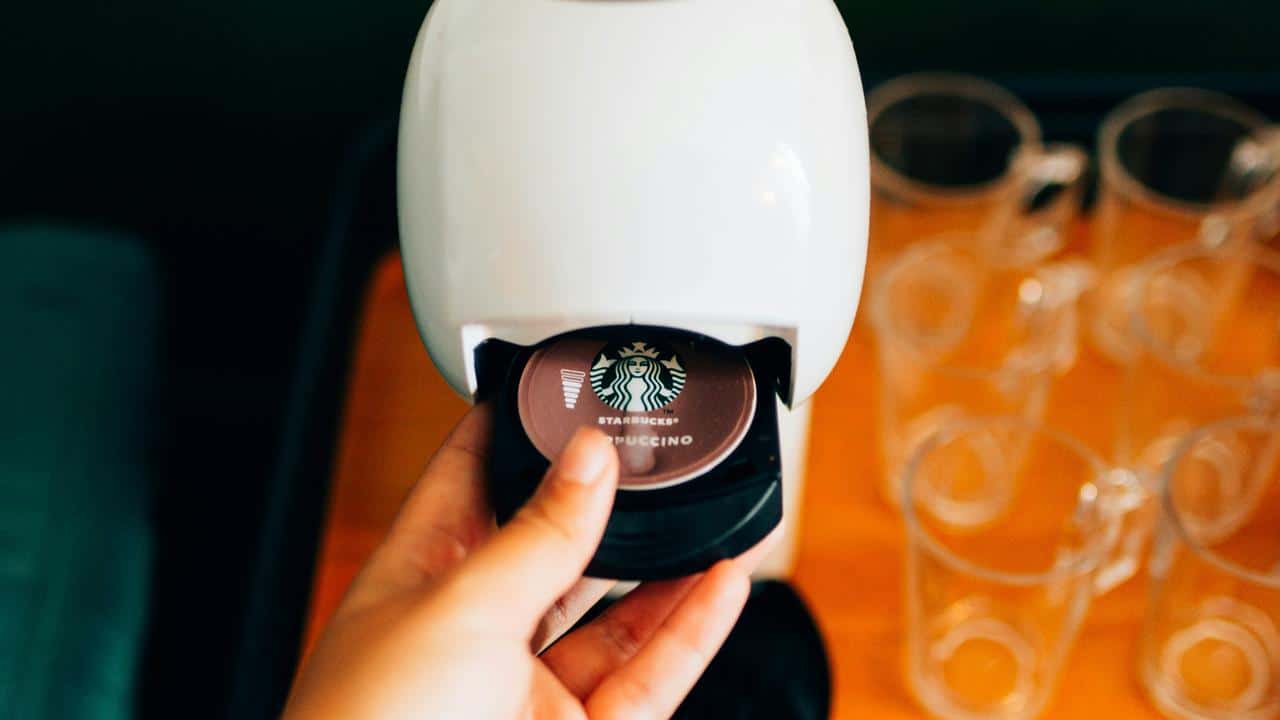
Compostable pods seem like the perfect fix for single-use coffee waste. The problem is that most of them require industrial composting facilities. Tossing them in your backyard bin means they will sit for months without breaking down properly.
A lot of folks end up throwing them in the trash because they are not sure where to take them, so the “green” part never even happens.
4. Paper straws

Paper straws swooped in to save the turtles, but they can be just as wasteful in other ways. They often get coated with plastic or wax to keep them from turning to mush, which makes them harder to recycle.
They also take more resources to produce than you might expect, especially if they are bleached for that crisp white look.
5. Biodegradable trash bags
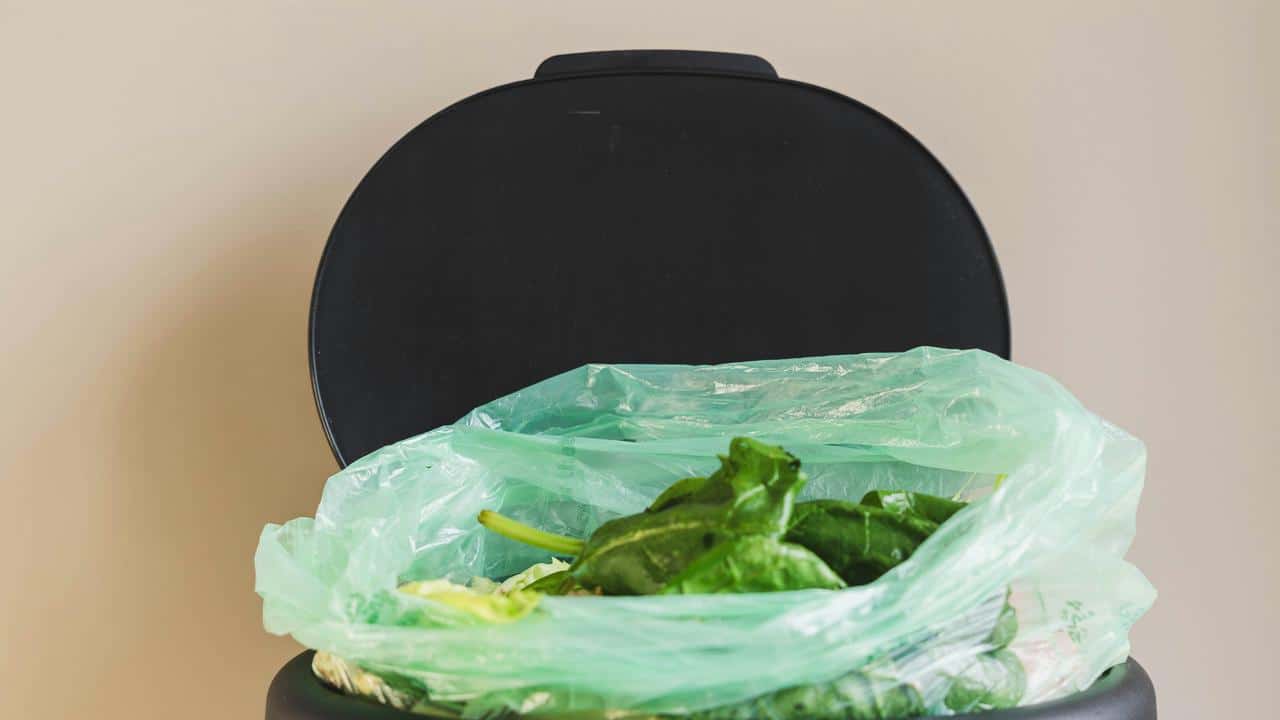
Biodegradable bags sound like magic, but most of them only break down in very specific conditions, like controlled industrial composting environments. In regular landfills, they can take just as long to decompose as regular bags.
If they are made with cornstarch or plant-based plastics, they might still release methane as they break down in oxygen-poor landfill environments.
6. Fast fashion “eco” collections

Some clothing brands slap “sustainable” on a tag and call it a day. These so-called “eco” collections often use a small percentage of recycled materials but still churn out new clothing at a rate that is far from environmentally friendly.
Shipping, packaging, and energy use for production all pile up, and those “green” pieces are often designed to be just as disposable as the rest of the line.
7. Organic cotton t-shirts
Organic cotton skips the pesticides, which is great, but it still requires a huge amount of water to grow. The process is not as gentle on resources as the marketing makes it seem.
Many organic cotton items also get dyed with chemicals that are not kind to waterways, undoing a lot of the good intentions.
8. Electric scooters

Zipping around on an electric scooter feels futuristic and clean, but those batteries have to come from somewhere. Mining for lithium, cobalt, and nickel has a serious environmental cost.
Scooters also have surprisingly short lifespans in city rental programs, meaning they are replaced more often than you would think.
9. Single-use wooden cutlery

Swapping plastic forks for wooden ones sounds solid, but those disposable utensils are still made using energy-intensive processes. Many are bleached or coated to keep food from soaking in.
They are also not easy to compost unless they are taken to specific facilities, so they often end up in regular trash bins.
10. “Green” cleaning products
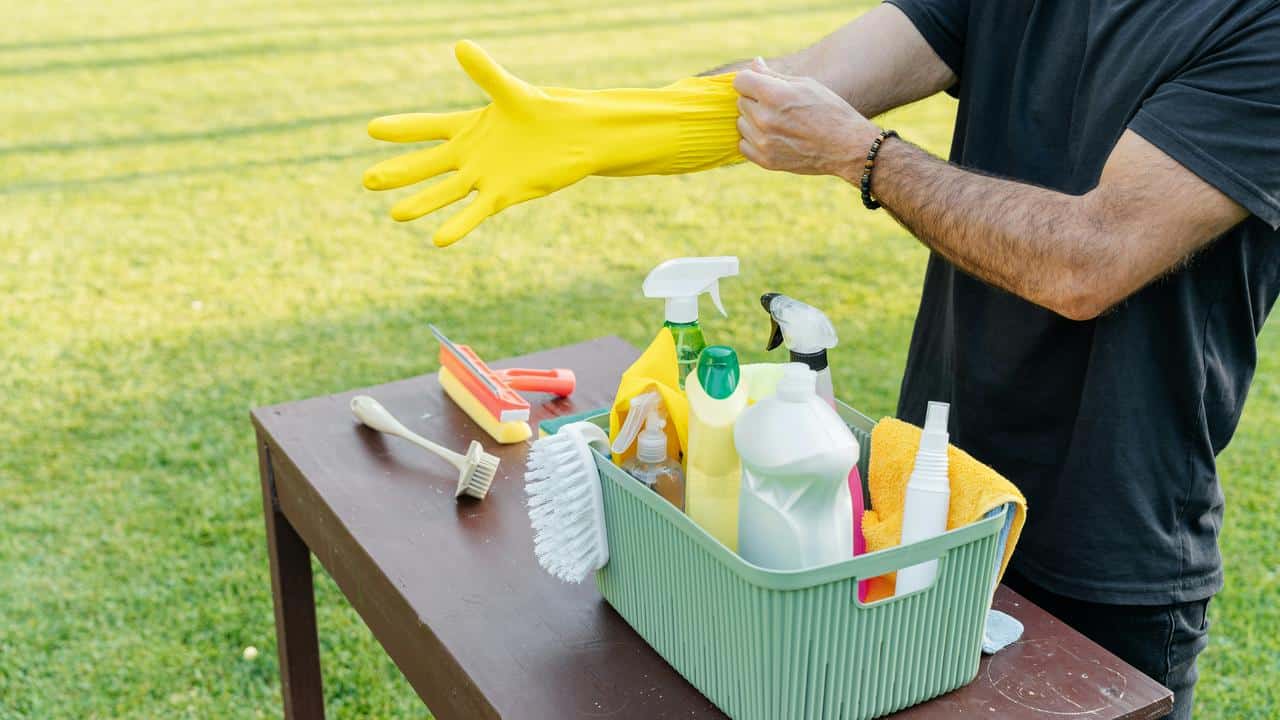
Some eco-labeled cleaners still pack synthetic chemicals that do not break down easily in water systems. The packaging is often plastic too, which sticks around no matter how natural the formula is.
Many are shipped long distances, adding to their carbon footprint before they even reach your kitchen counter.
11. Solar garden lights
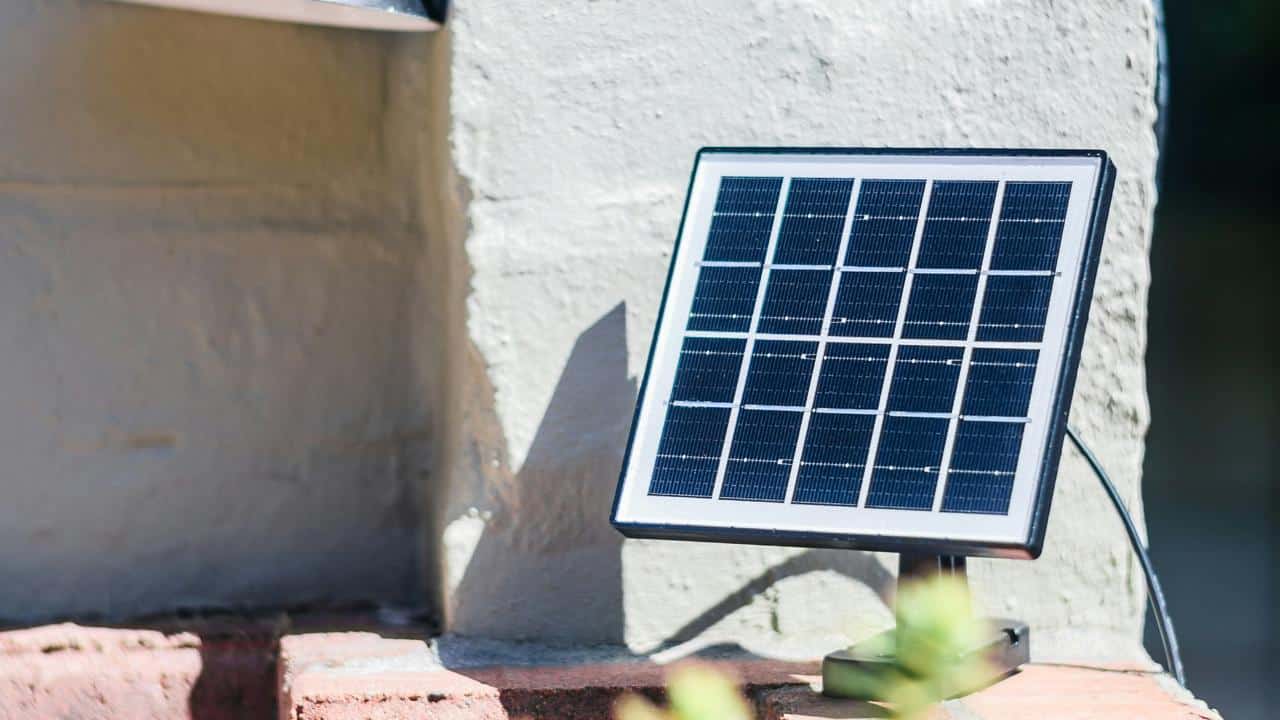
Little solar lights in the yard seem harmless, but they contain small batteries that eventually wear out. Those batteries are rarely recycled and often contain heavy metals.
The plastic housings can also become brittle in the sun and end up as more microplastic pollution.
12. Aluminum cans
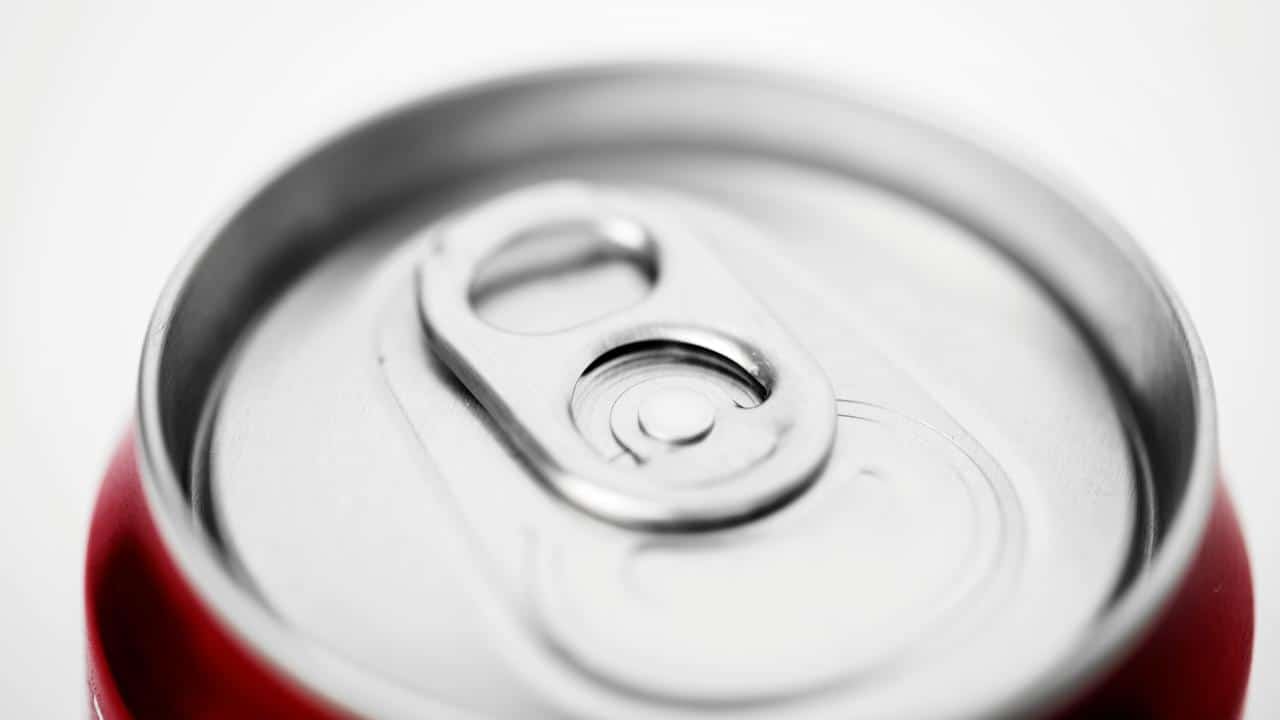
Swapping plastic bottles for aluminum cans feels clever until you remember that aluminum production is incredibly energy hungry. Recycling helps, but it is still a resource-heavy process.
Single-use anything, no matter the material, still creates demand for production, shipping, and packaging.
13. Plant-based plastic cups
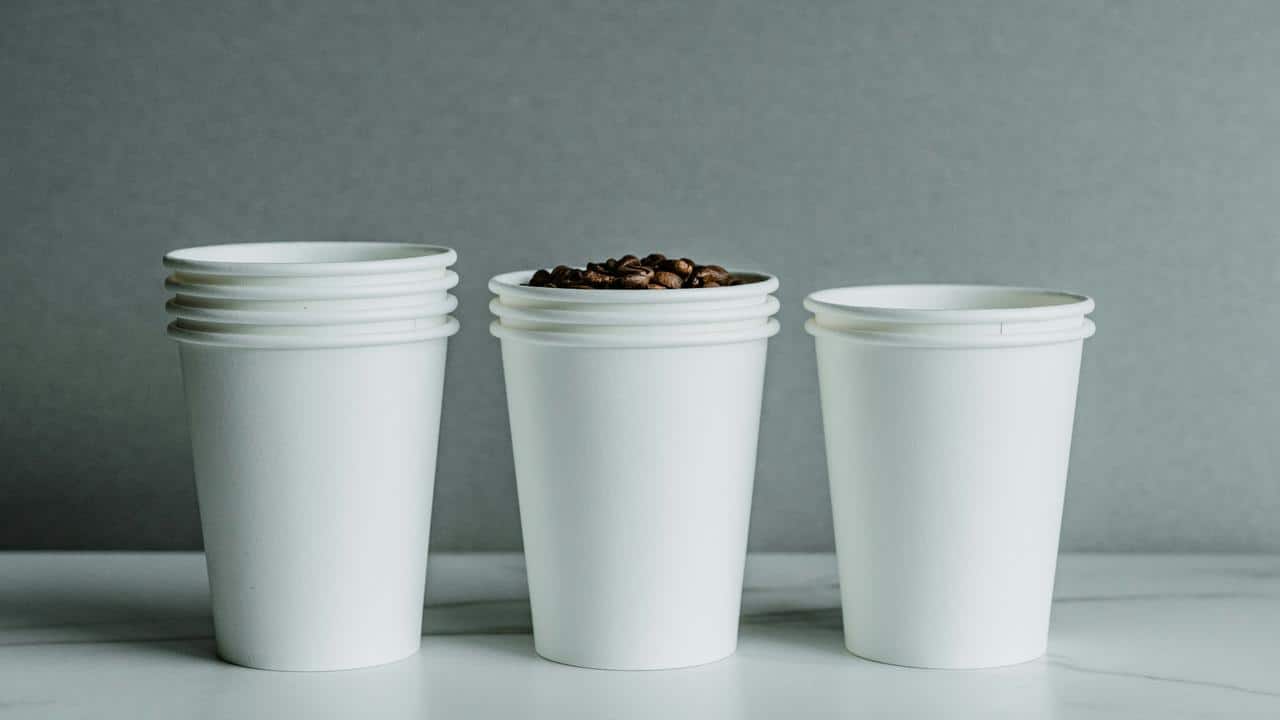
These cups are usually made from corn or sugarcane, which sounds nice until you realize it takes big agricultural operations to produce them. That means fertilizers, pesticides, and lots of land use.
They also will not break down in your home compost bin. Without access to industrial composting, they might as well be regular plastic.
14. Wool clothing

Wool is natural, renewable, and warm, but sheep farming can have a big environmental impact. Land degradation, methane emissions, and water use are all part of the equation.
On top of that, wool is often treated with chemicals to prevent shrinking or pests, which is not so gentle on the planet.
15. Paper gift wrap

Paper gift wrap feels better than shiny plastic-coated paper, but most wrapping paper is dyed or laminated, making it hard to recycle. The glitter and tape do not help either.
Producing decorative paper still uses water, energy, and chemicals that can outweigh the benefit of avoiding plastic versions.








Ask Me Anything