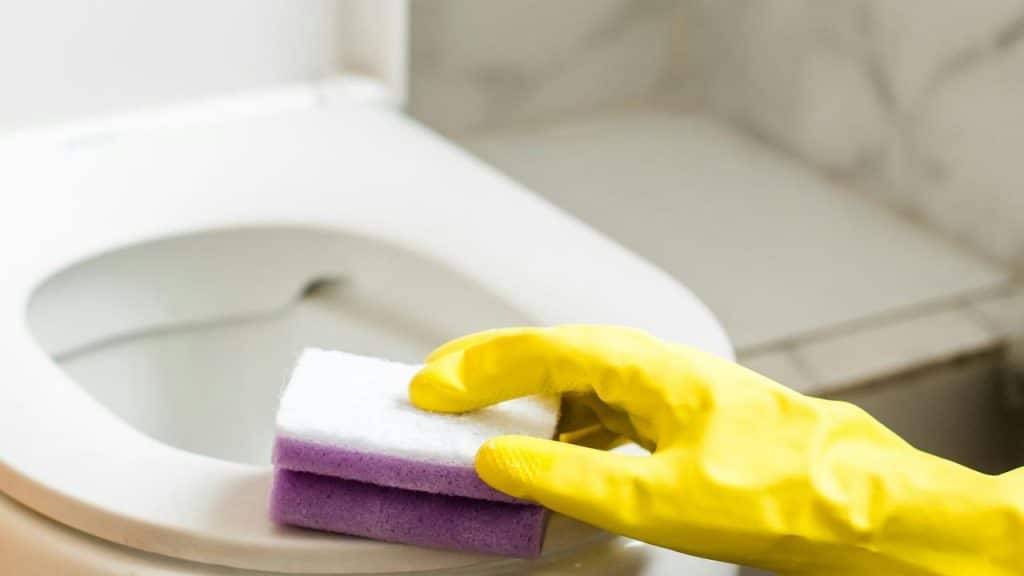
Most people think the throne in the bathroom is the nastiest thing in the house. That’s cute. Truth is, your toilet seat might be the least of your germ problems. Some spots in your home are practically hosting microscopic block parties, and you’re the uninvited guest.
Once you hear about these grime magnets, you might never look at them the same way again. It’s not to freak you out, but more like… hey, if you’re going to be cleaning anyway, maybe give these 16 sneaky troublemakers a little extra love.
1. Kitchen sponge
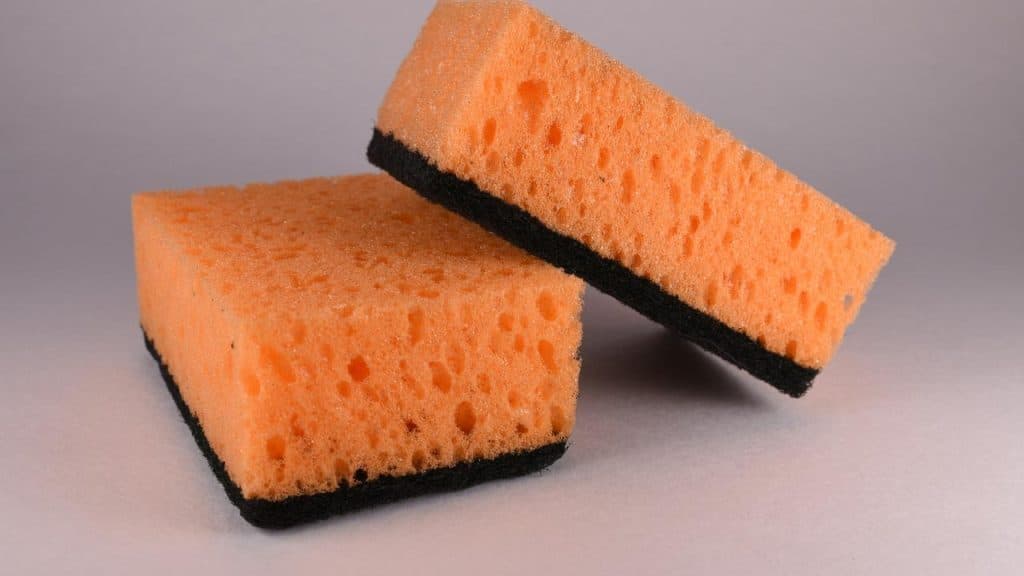
A kitchen sponge soaks up water, grease, and a whole buffet of bacteria after each use. Wiping plates and counters feels like you’re getting things clean, but you’re actually just spreading yesterday’s food into today’s dinner prep.
Every squeeze sends microscopic critters flying. It’s like the sponge is having its own germ parade, and your sink is the main street. Hot water helps, but replacing them often is the real move.
2. Cutting board
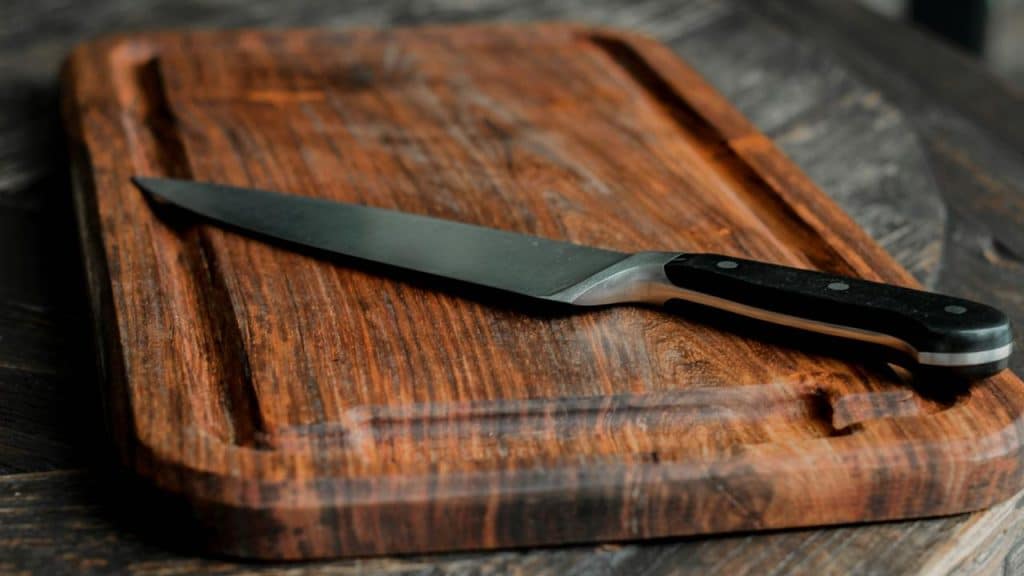
A cutting board gets all the messy work without the glory. Meats, veggies, bread crumbs… they all leave a little something behind. Even after a rinse, those tiny knife grooves hold on to bits of food and bacteria like their lives depend on it.
Wood and plastic boards both have their issues, so no one’s getting out squeaky clean. Using one for meats and another for veggies can save you from some unwanted protein in your salad.
3. Remote control
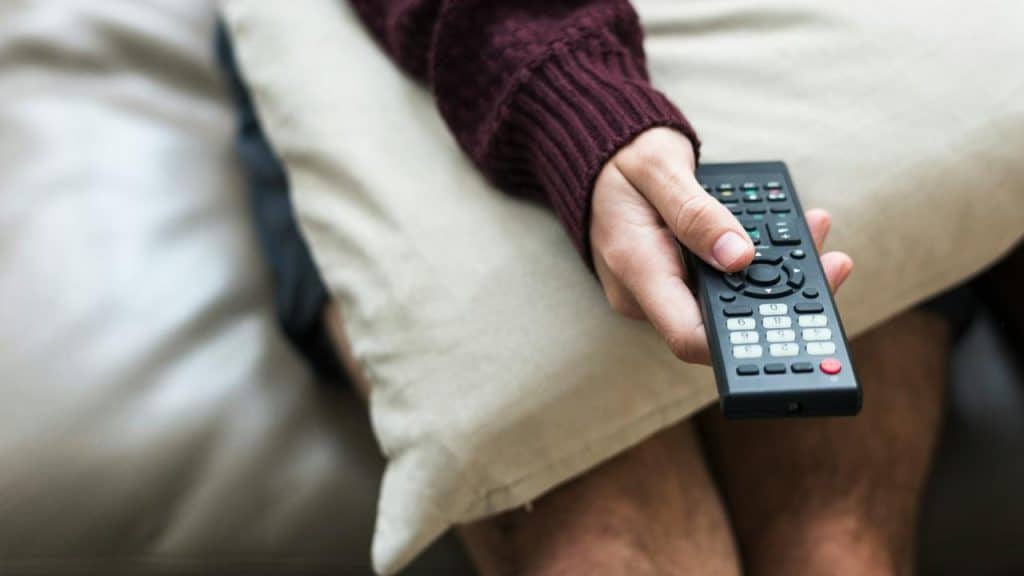
Remotes are the perfect hangout for greasy fingerprints, crumbs, and random dust. Everyone touches it, no one thinks to clean it, and it probably rolled under the couch at least once this month.
When it comes back up, the remote still works fine, so it gets ignored. But those buttons have probably seen more germs than your phone screen, and that’s saying something.
4. Light switches
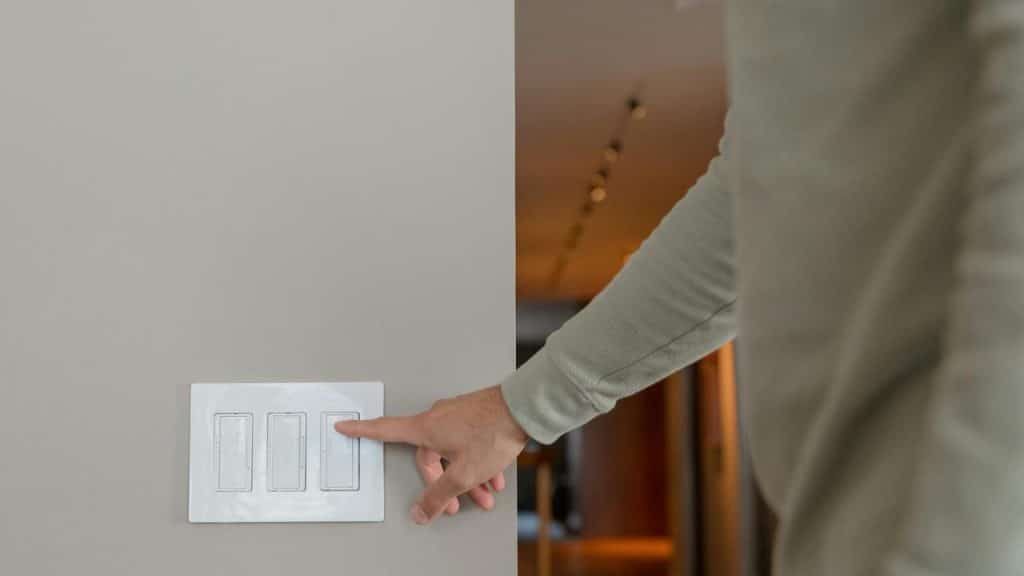
Light switches are a hit-and-run surface. You touch them quickly, so they don’t feel like they’d be that dirty, but oh, they are. Every time you walk in or out of a room, your hands pass along whatever you’ve been carrying.
Since switches rarely get scrubbed, the grime just layers on over time. That cheerful click you hear is probably bacteria cheering too.
5. Cell phone
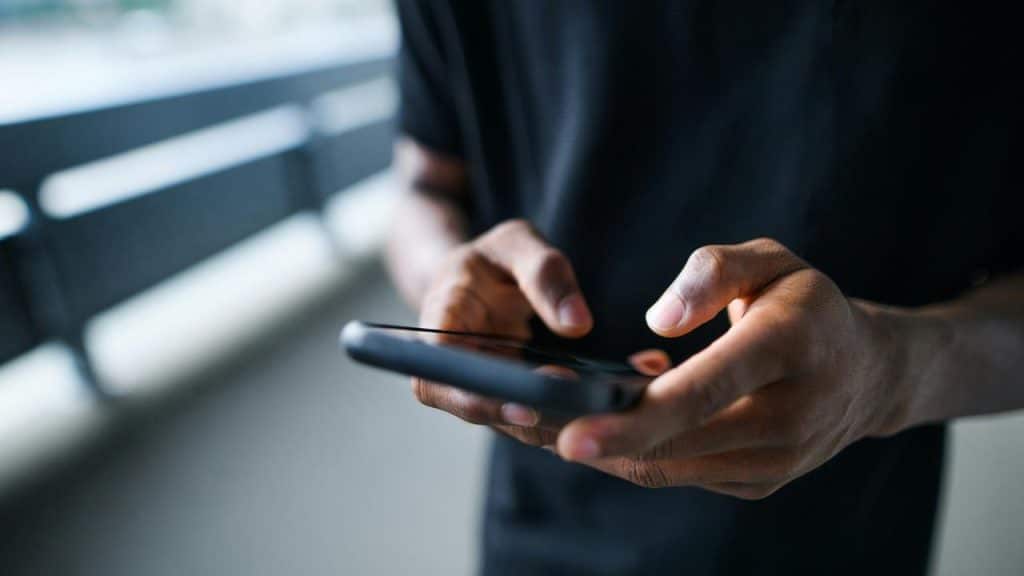
Phones go everywhere with you. Kitchen counters, gym lockers, even the bathroom if we’re being real. Then they press right up against your face like they’ve earned the spot.
Sweat, makeup, food smudges, and fingerprints pile on fast. Cleaning it isn’t hard, but most people are more worried about battery life than germ life.
6. Kitchen sink
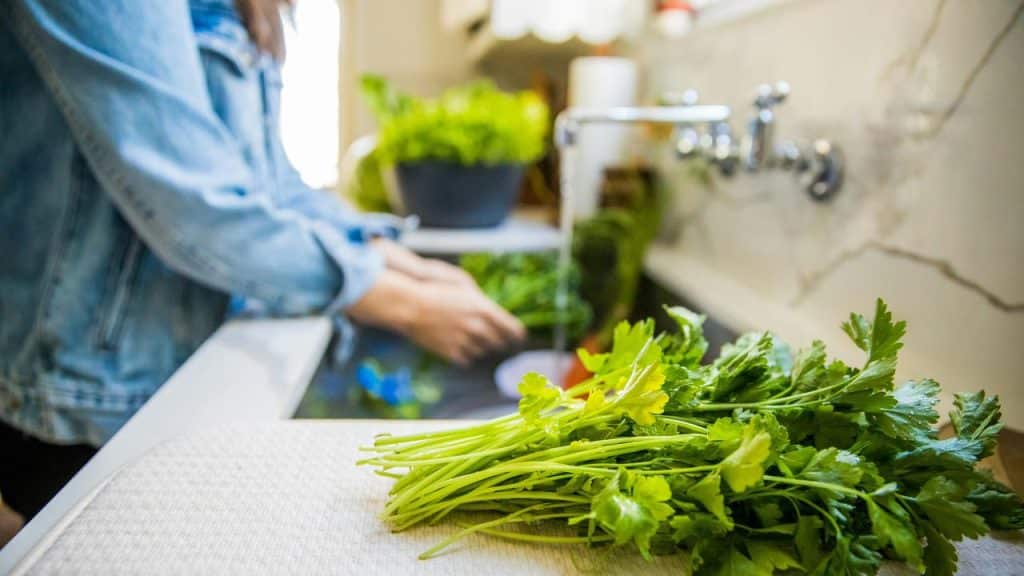
A sink might be where you rinse dishes, but it’s also where old food bits, raw meat juice, and random leftovers go to hang out. The wet surface is like a vacation resort for bacteria.
Even the drain and faucet handle aren’t safe zones. Give them a scrub and they’ll smell less like last night’s dinner.
7. Dish towel
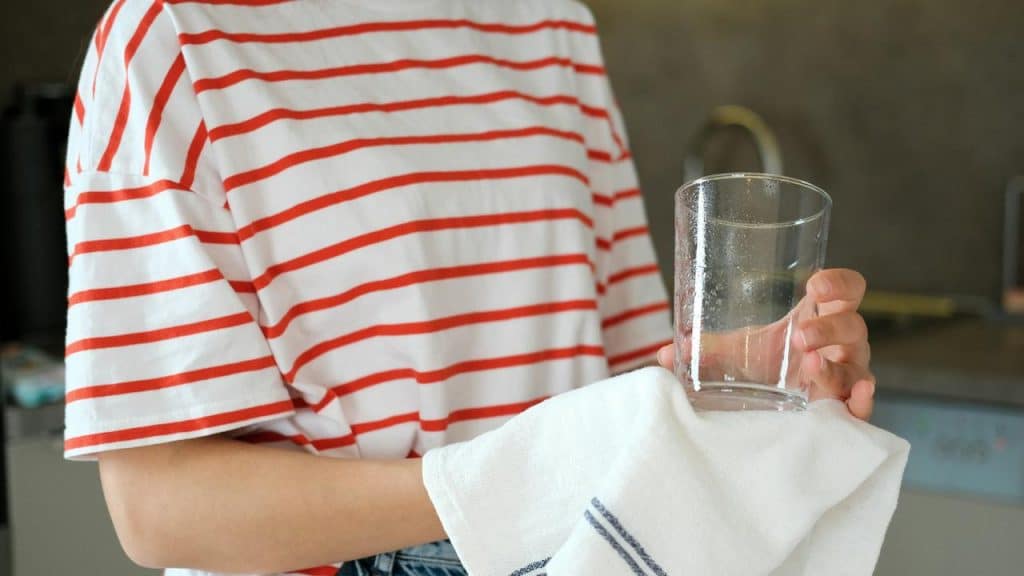
Dish towels often bounce between drying clean hands and wiping dirty counters. Sometimes they even get used to grabbing hot pans. It’s a chaotic life.
Once they’re damp, they become a happy home for bacteria. Changing them every day or two makes a bigger difference than most people think.
8. Computer keyboard
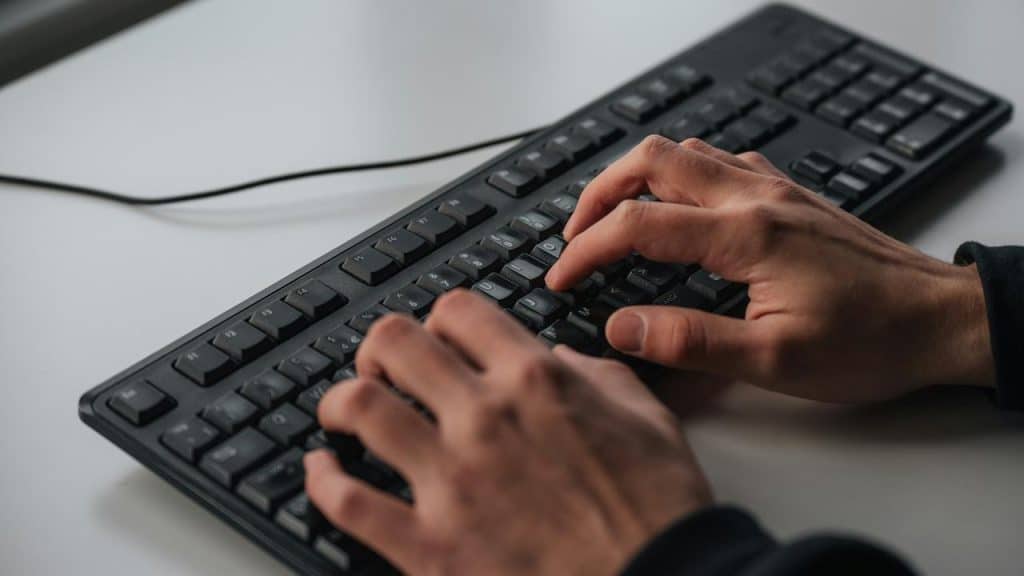
Crumbs fall between the keys like they’re disappearing into another dimension. Add in skin oils and the occasional sneeze, and your keyboard becomes a science experiment.
Since you’re usually eating or drinking while using it, bacteria have a buffet ready to go. Wiping the keys regularly keeps the party under control.
9. Gym bag
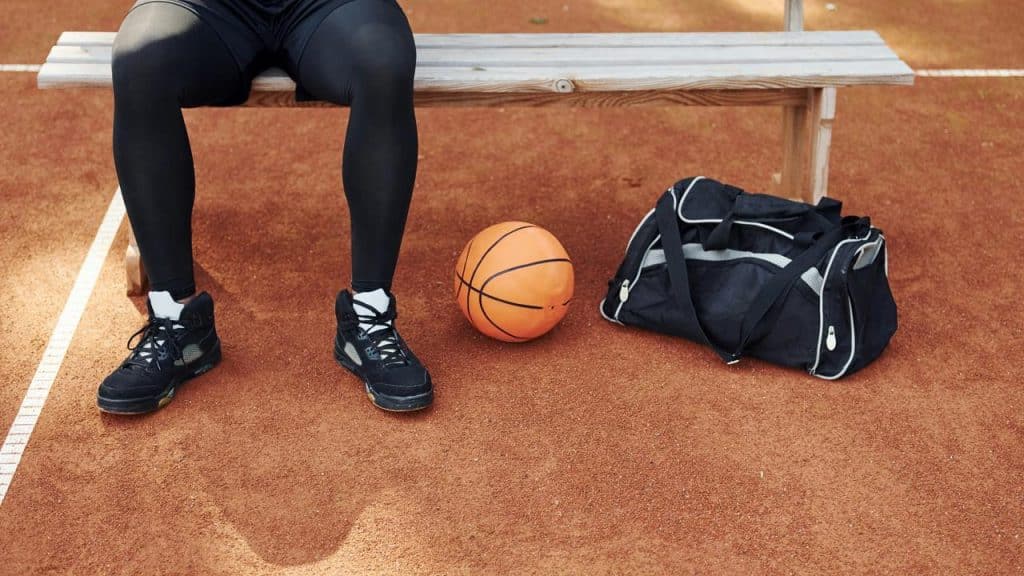
A gym bag hauls sweaty clothes, dirty shoes, and maybe a forgotten protein bar wrapper. It sits on locker room floors, car trunks, and sometimes even gets tossed onto your bed.
The fabric soaks up smells and moisture, holding on to them like some weird badge of honor. A quick wash or wipe-down now and then keeps it from turning into a biohazard.
10. Toothbrush holder
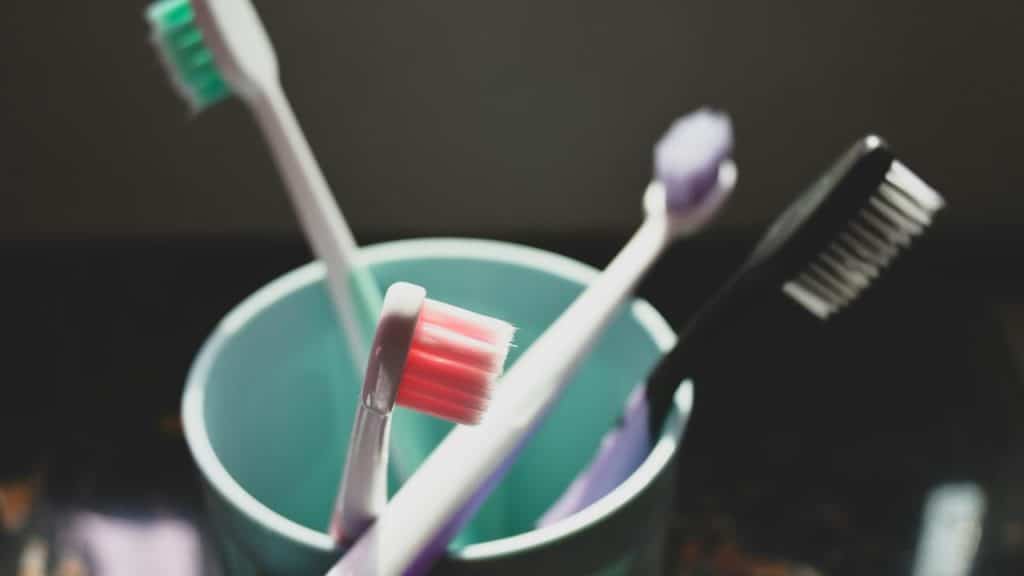
Water drips from your toothbrush right into the holder, creating a perfect damp spot for bacteria to thrive. Add toothpaste splatters, and you’ve got yourself a sticky mess.
Since most holders don’t get rinsed often, all that buildup just chills there. Giving it a scrub is oddly satisfying, like clearing a clogged sink.
11. Coffee maker
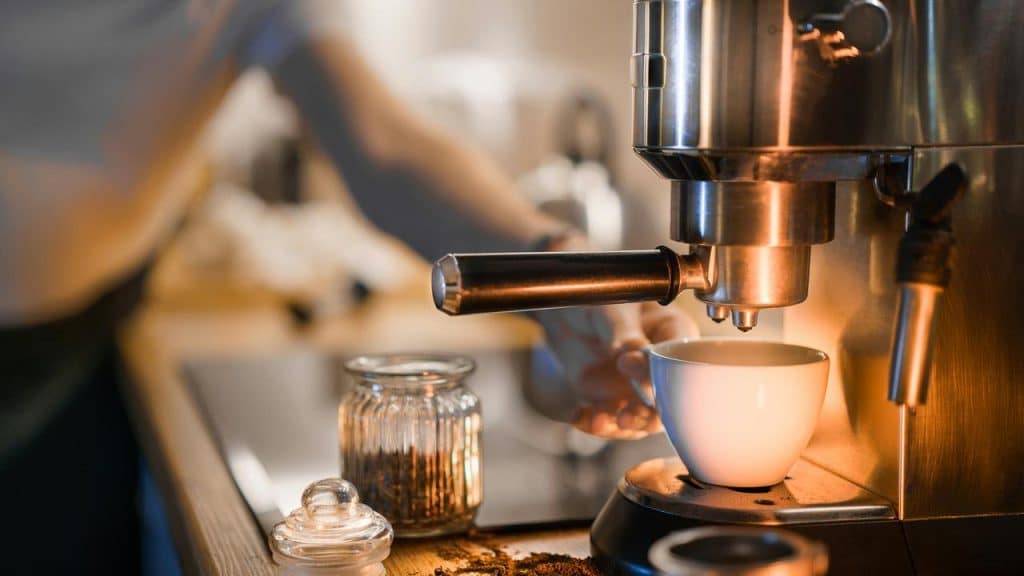
Coffee makers see a lot of water and heat, but not always enough to kill every germ. The reservoir, filter basket, and spout can trap moisture and old coffee residue.
Over time, mold and bacteria can sneak in. Running a cleaning cycle with vinegar feels boring, but it makes your morning cup taste fresher, too.
12. Hotel room curtains
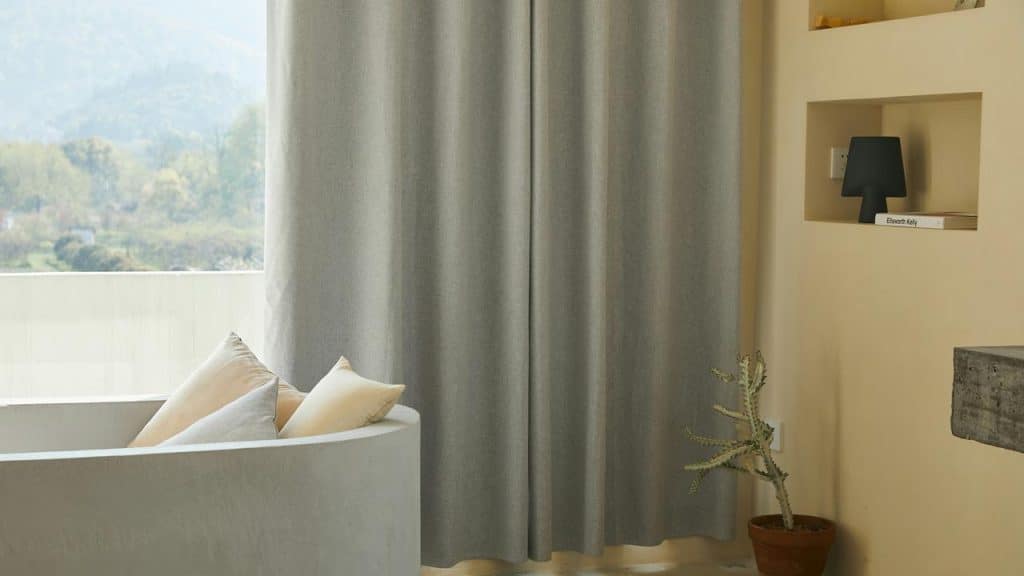
Hotel curtains might look clean, but they hide tons of microscopic bacteria. Curtains are almost never washed between guests, making them a cozy hideout for dust, skin cells, and who-knows-what from previous visitors.
Give them a gentle tug when opening or closing them. Just make sure not to breathe too deeply while you do it.
13. Laundry hamper
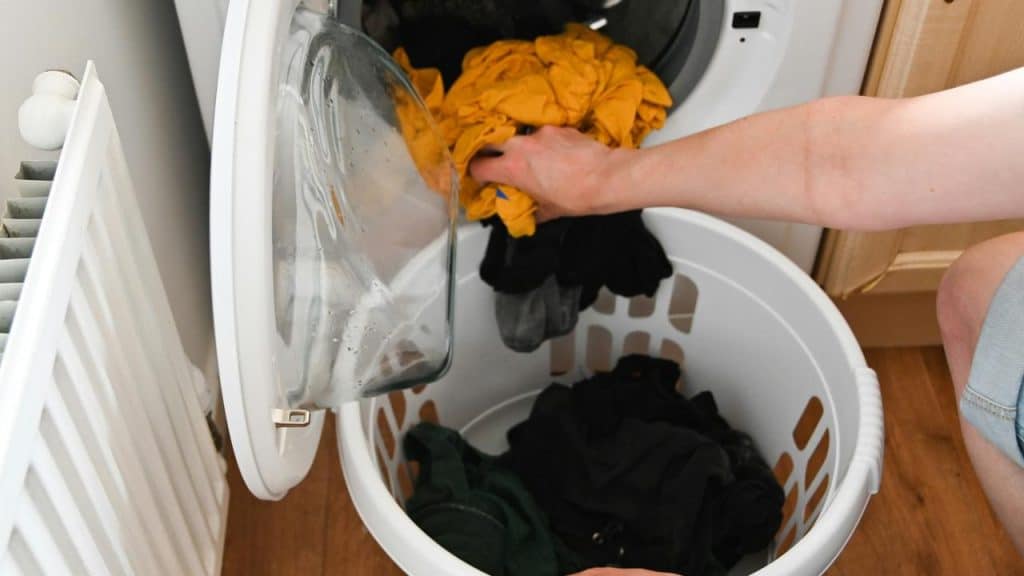
A laundry hamper holds sweaty socks, gym clothes, and anything else you’ve been too busy to wash. Fabrics trap bacteria and odors that slowly mingle together over time.
If the hamper is made of cloth, it can soak up all that funk and keep it. Giving it a wash or airing it out keeps it from becoming part of the problem.
14. Pet food bowls
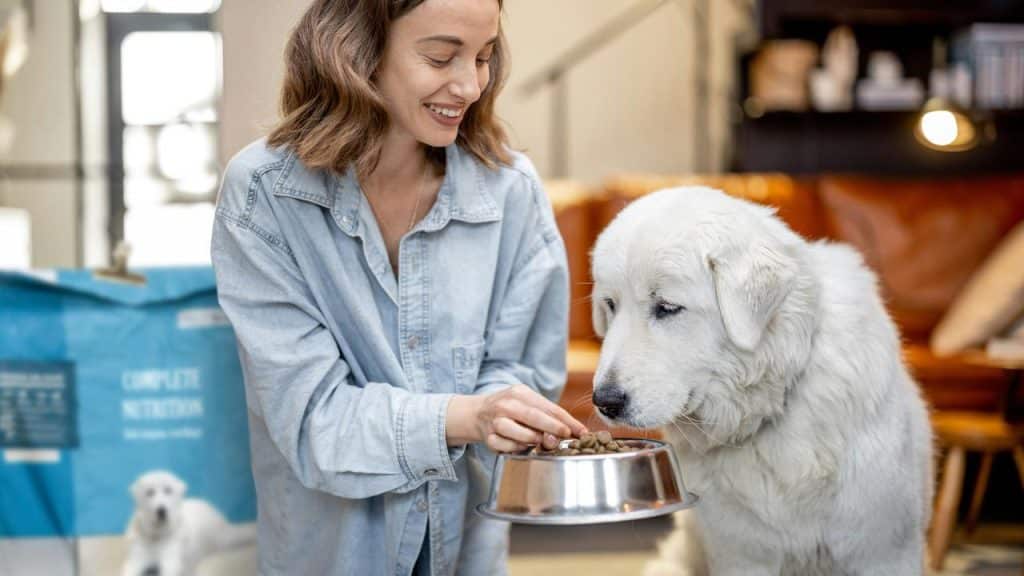
Pet bowls look clean after your furry friend licks them dry, but they’re far from it. Saliva, leftover food, and bacteria mix together like some kind of science stew.
The warm kitchen air only makes things grow faster. Washing them daily makes your pet’s meals a little safer and a lot less gross.
15. Door handles
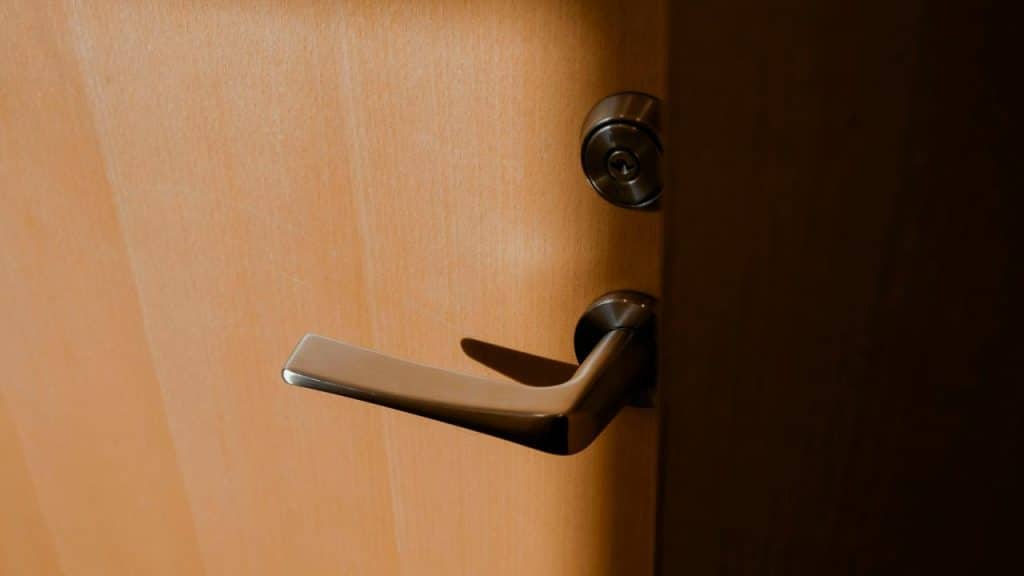
Door handles are like social hubs for germs. Everyone touches them, often in quick bursts, and nobody remembers to clean them unless they look visibly dirty.
Handles on bathroom and kitchen doors take the brunt of it, picking up everything from cooking oils to soap residue. A disinfecting wipe here and there works wonders.
16. Pillowcases
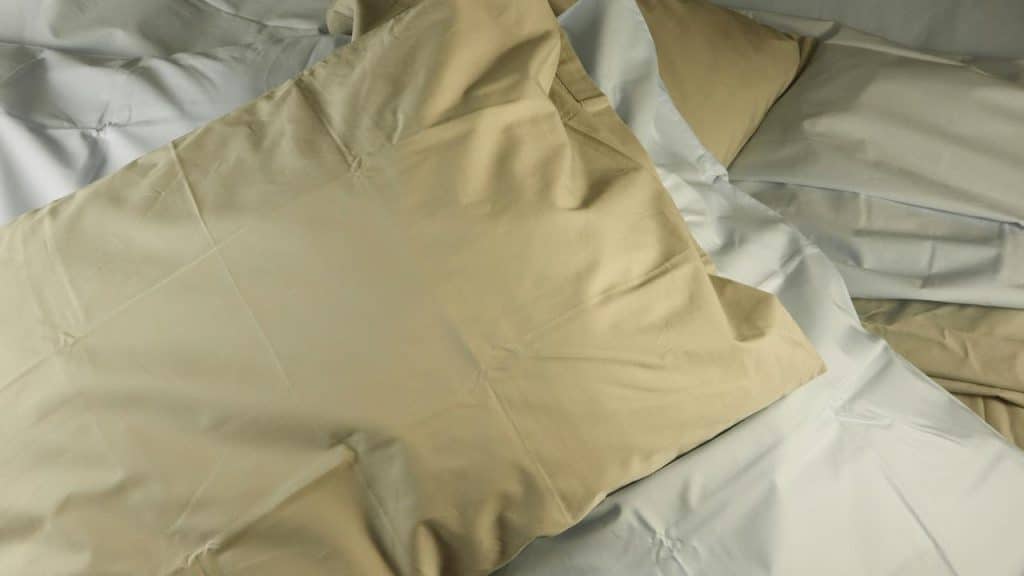
Pillowcases collect sweat, drool, hair oils, and dead skin while you sleep. It’s basically eight hours of you marinating on a soft petri dish.
Even though they look fine, pillowcases can be dirtier than you think. Changing them often gives your face a fresher place to rest and prevents bacteria from accumulating.








Ask Me Anything