
Radiation sounds like the kind of thing you’d only deal with if you were working at a nuclear plant or starring in a superhero origin story. But truth be told, we’re all surrounded by small amounts of it every single day. It’s everywhere. It’s in the food we eat, the air we breathe, and sometimes even the furniture we plop down on.
Before you panic and start wrapping yourself in tinfoil, low-level radiation is part of normal life. Most of it is harmless in the doses we’re talking about here. Still, it’s kind of fascinating how many places have it without you even noticing.
1. The air you breathe

Air holds more than just oxygen and pollen. Trace amounts of radioactive gases like radon can be found naturally, especially in certain parts of the country. These gases seep up from the ground, often in basements or crawl spaces, and become part of the air you’re inhaling without even realizing it.
For most people, it’s such a tiny amount that the body deals with it naturally. Still, it’s one of those everyday invisible guests you wouldn’t think about until someone points it out.
2. Your granite countertops

Granite is beautiful, solid, and practically indestructible. It also happens to contain small amounts of uranium and thorium, which release radiation over time. Every time you’re chopping vegetables or setting down your coffee cup, you’re technically sharing space with these particles.
No need to rip them out, though. The levels are generally well below anything that would cause harm. It’s just one of those fun facts you’ll now think about every time you’re making a sandwich.
3. Bananas

Bananas pack a healthy dose of potassium, and along with that comes a naturally radioactive isotope called potassium-40. Your body actually needs potassium to function, so it’s far from a bad thing.
That doesn’t mean you’ll start glowing after eating a bunch. It’s just that bananas are a classic example of how natural foods can carry harmless radiation without anyone batting an eye.
4. The ground beneath you

Soil isn’t just dirt. It’s a mix of minerals, organic matter, and naturally occurring radioactive elements. Whether you’re walking barefoot in your yard or hiking a trail, you’re surrounded by it.
Those elements have been in the Earth long before humans came around, and they’ll be there long after. It’s just part of the natural background radiation we all live with.
5. Airplane flights

Flying at 35,000 feet puts you closer to cosmic rays, which are high-energy particles from space. The atmosphere still shields you from most of it, but at that altitude, you get a little extra dose compared to being on the ground.
Frequent flyers and pilots experience more of this, but for the average person, a couple of trips a year are nothing to worry about. It’s just one more reason why that window seat comes with a view and a bit of space science.
6. Power lines
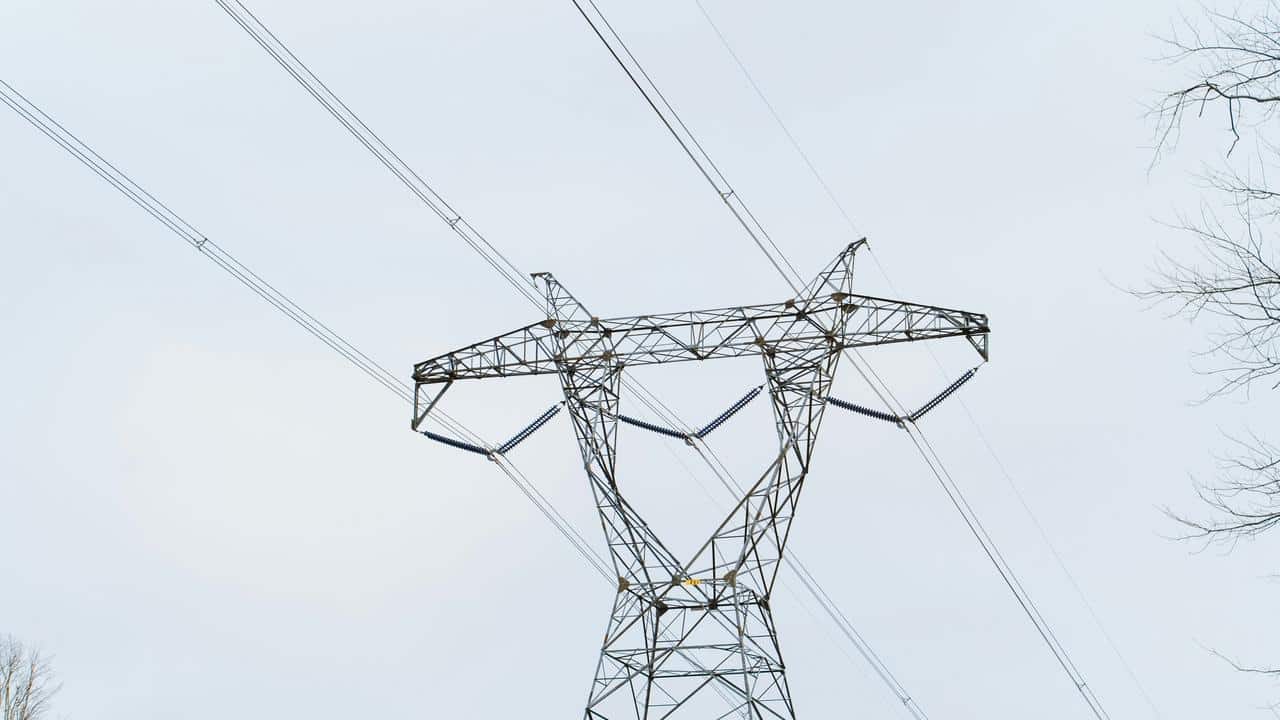
High-voltage power lines give off a small amount of electromagnetic radiation as electricity moves through them. It’s a normal byproduct of how they work, and it spreads out quickly with distance.
Walking under one or living nearby means you’re exposed to a fraction more than usual, but it’s far below anything harmful. It’s just another everyday source you barely think about.
7. Brick walls
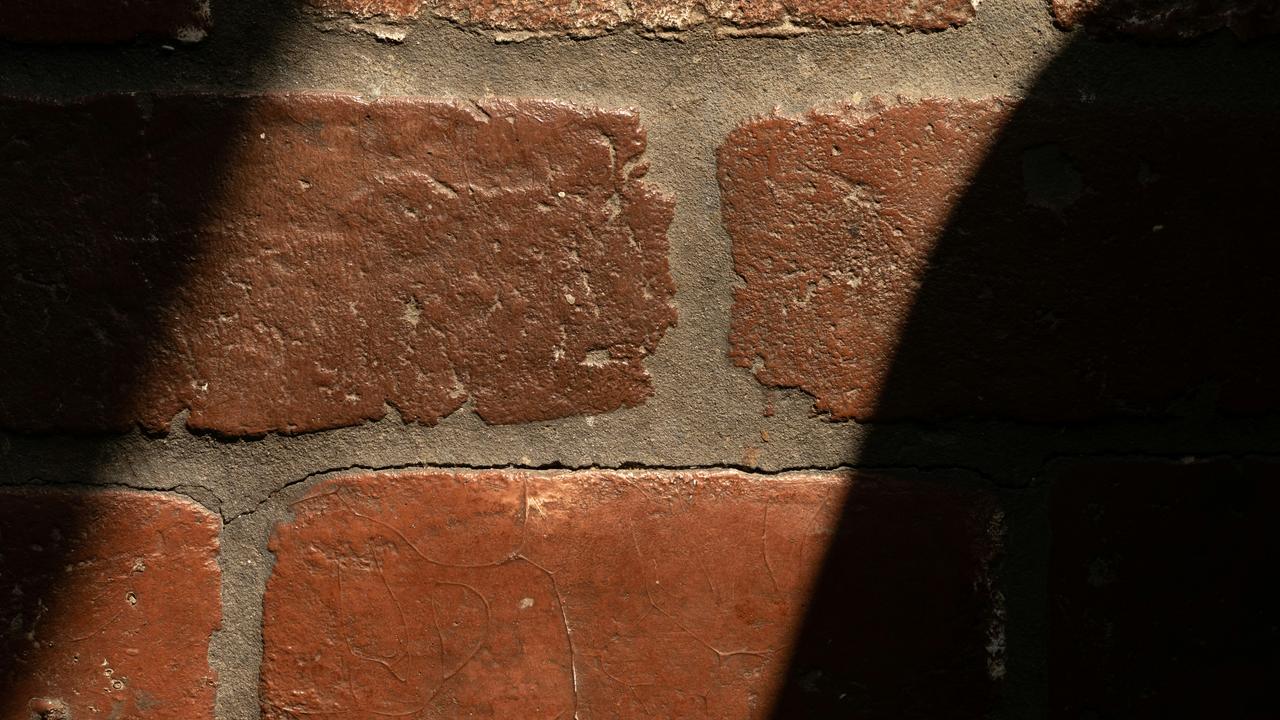
Bricks are made from clay, shale, and other materials that naturally contain uranium and thorium. Over time, they give off a small amount of radiation.
Whether you’re inside a brick home or walking past one, you’re getting a tiny dose. It’s not harmful, but it’s a reminder that radiation comes from our oldest building materials, too.
8. Cigarettes

Tobacco plants absorb radioactive elements from the soil, which end up in cigarettes. That means each puff carries more than nicotine and tar.
It’s another example of how natural processes can bring radiation into our lives without any flashy warning signs.
9. Medical imaging
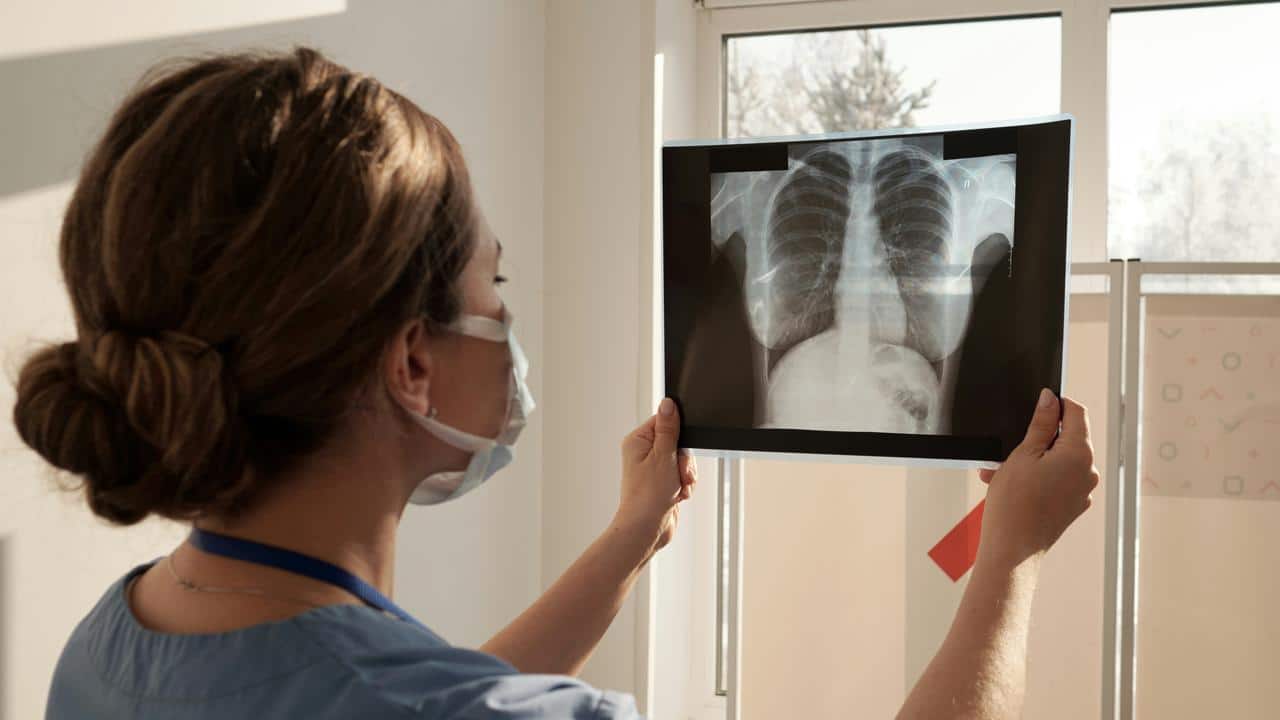
X-rays, CT scans, and other imaging tools use small doses of radiation to create pictures inside the body. They’ve saved countless lives by catching issues early.
While the exposure is minimal, it’s still technically radiation. It’s one of the few times you’re knowingly signing up for it because the health benefit outweighs the small risk.
10. Luminous watches and clocks

Vintage watches and clocks with glow-in-the-dark hands often used radium paint. It let you see the time in the dark long before battery-powered lights became a thing.
Those antiques can still give off small amounts of radiation decades later. It’s usually harmless unless you’re handling the paint directly, but it’s a neat bit of history sitting on someone’s shelf.
11. Streetlights
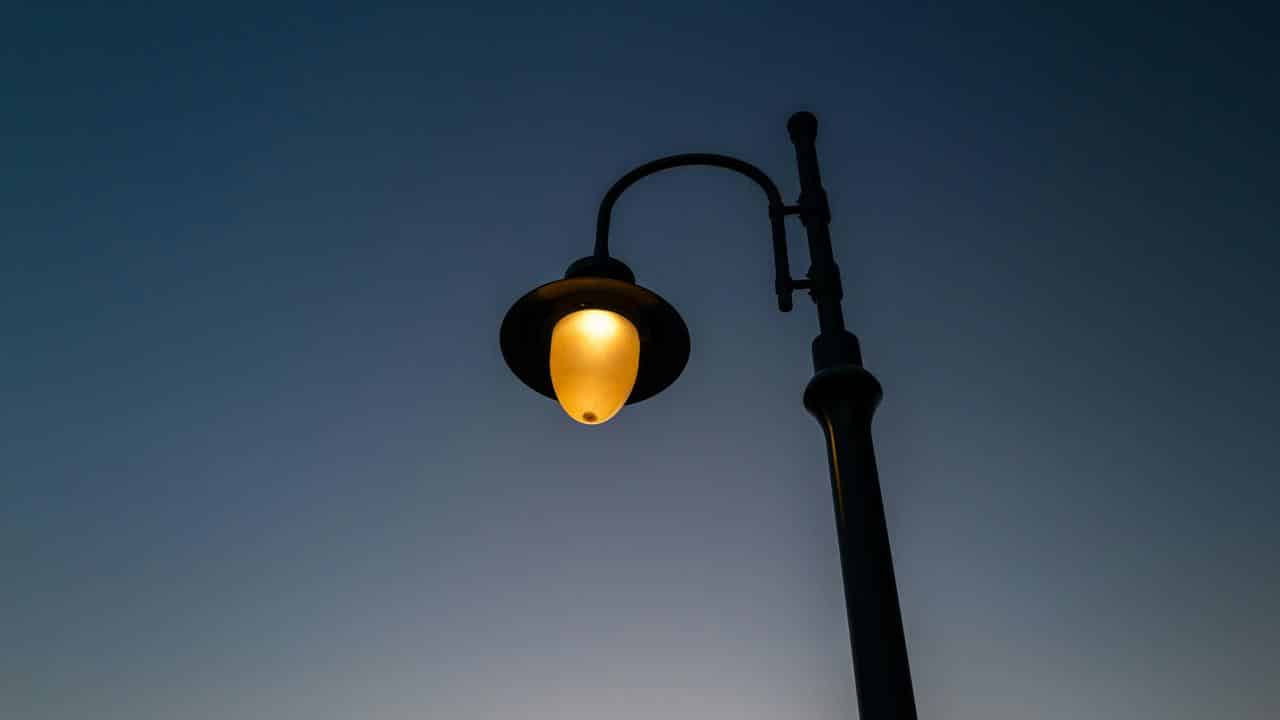
Some older streetlights used a small amount of radioactive material to help them start up and keep a steady glow. While newer designs use different tech, a few of those older lights are still out there doing their job.
The radiation they emit is extremely low and fades quickly with distance, so walking under one is perfectly safe. It’s just a little-known quirk of how some lighting used to work.
12. Sunlight

Sunlight doesn’t just deliver warmth and vitamin D. It also carries ultraviolet radiation. It’s not the same as the ionizing radiation from nuclear sources, but it’s still a form of energy that can affect your cells.
Moderation is key. Enjoying a sunny day is one of life’s simple pleasures, but a little sunscreen goes a long way.
13. Hot springs

Natural hot springs can be loaded with minerals, including some radioactive elements. That’s part of their unique makeup and sometimes even part of their health appeal.
People have soaked in them for centuries, often without knowing the full science behind them. A warm mineral bath feels great, with science bubbling under the surface too.
14. Television screens

Older cathode ray tube televisions emitted a tiny bit of X-ray radiation when they were running. It was far below harmful levels, but it was still technically there every time someone turned one on.
Modern flat-screen TVs don’t work the same way, so this is more of a nostalgic source from the living rooms of the past. Still, plenty of those old sets are tucked away in garages and basements.
15. Building materials

Concrete, stone, and gypsum board all contain trace amounts of radioactive minerals. That means the office, home, or store you’re in right now is giving off a minuscule amount.
It’s part of what makes up the background radiation we measure everywhere on Earth.
16. Food from the ocean

Seafood often contains small amounts of naturally occurring radioactive isotopes like polonium-210, thanks to the minerals and elements in seawater.
It’s completely natural and has been part of the human diet for thousands of years.
17. Fertilizers

Certain types of phosphate fertilizers naturally contain small amounts of radioactive elements from the minerals they’re made with. When spread over fields, they mix into the soil and become part of the environment.
Anyone working with them regularly gets a slightly higher exposure than average, though still far below harmful levels. It’s one of those hidden details of everyday farming.
18. Road construction materials

Certain types of gravel and asphalt contain small amounts of naturally radioactive minerals. It’s part of the rocks and sands used in the mix.
Driving over them or walking on a freshly paved road means you’re technically surrounded by it.
19. Certain ceramics

Some ceramic glazes, especially older or decorative ones, contain uranium compounds that give off radiation. Bright orange or red glazes were sometimes made this way.
While they’re generally safe to display, many people now keep them as art rather than dinnerware.
20. Camping in the mountains

Higher altitudes mean less atmosphere above you, which lets in more cosmic radiation. Spending a few days in the mountains gives you a slightly higher dose than staying at sea level.
It’s one of those trade-offs where fresh air and stunning views come with a dash of space energy.








Ask Me Anything