For many, the biggest challenge in staying active isn’t motivation, it’s time. Between work, family, and everyday responsibilities, finding space for a workout can feel impossible. The good news is, effective routines don’t have to mean hours in the gym. With smart planning and the right approach, even short sessions can deliver results. Here are 20 fitness routines that work for busy schedules without sacrificing effectiveness.
15-Minute Full-Body Circuit

This routine combines push-ups, squats, lunges, and planks in a nonstop circuit. Each exercise is performed for 30–45 seconds with minimal rest in between. It engages all major muscle groups while boosting cardiovascular endurance. Perfect for mornings before work or during a lunch break. Consistency is key to seeing results over time.
Tabata Training

Tabata follows a simple but intense format: 20 seconds of all-out effort followed by 10 seconds of rest, repeated for four minutes per exercise. Movements like burpees, jump squats, and mountain climbers work well. The short time commitment makes it ideal for busy schedules. It improves both aerobic and anaerobic capacity efficiently.
Bodyweight Ladder Workout
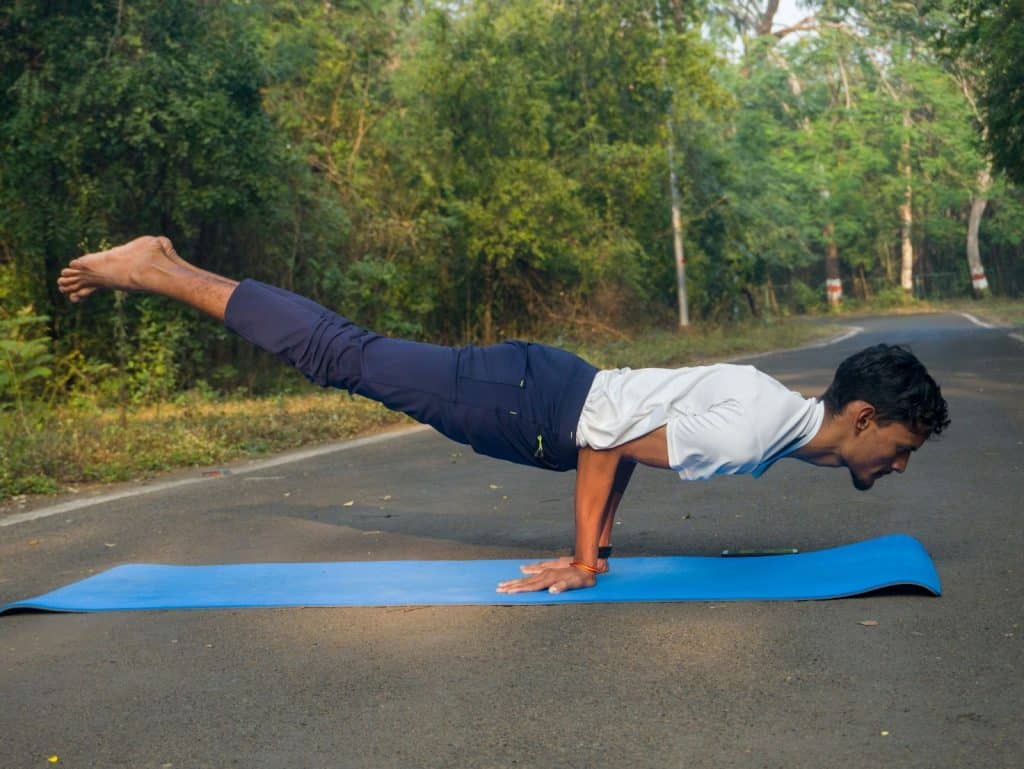
This workout starts with one rep of each movement, then increases by one rep each round until reaching a set number. Exercises like push-ups, sit-ups, and squats keep it simple yet challenging. Ladders build endurance and strength while keeping workouts fresh. They can be done anywhere, no equipment needed.
Walking Meetings

Combining light exercise with productivity, walking meetings are great for low-intensity movement. They help increase daily step count without taking extra time from the day. Walking outdoors can also boost creativity and reduce stress. Even 15–20 minutes can have noticeable benefits. Comfortable shoes make the habit easier to maintain.
Commute Cycling

For those living within a reasonable distance from work, cycling can turn commuting into a daily workout. It’s efficient, eco-friendly, and offers cardiovascular benefits. Investing in a reliable bike and safety gear makes it a sustainable choice. Even partial commute cycling, like biking to a train station, adds value. Consistency transforms it into a lifestyle habit.
Stair Climbing Breaks

Using stairs instead of elevators or dedicating 5–10 minutes to stair climbing can significantly boost cardiovascular health. It strengthens legs, glutes, and core while requiring no equipment. Short, frequent bouts throughout the day add up. The higher the intensity, the greater the calorie burn.
Kettlebell Complexes

Kettlebell workouts combine strength and cardio in a single session. Moves like swings, cleans, and presses flow together without rest. They build power, stability, and endurance efficiently. A 15–20 minute kettlebell session can match the benefits of longer workouts. Proper form is crucial to prevent injury.
Resistance Band Training
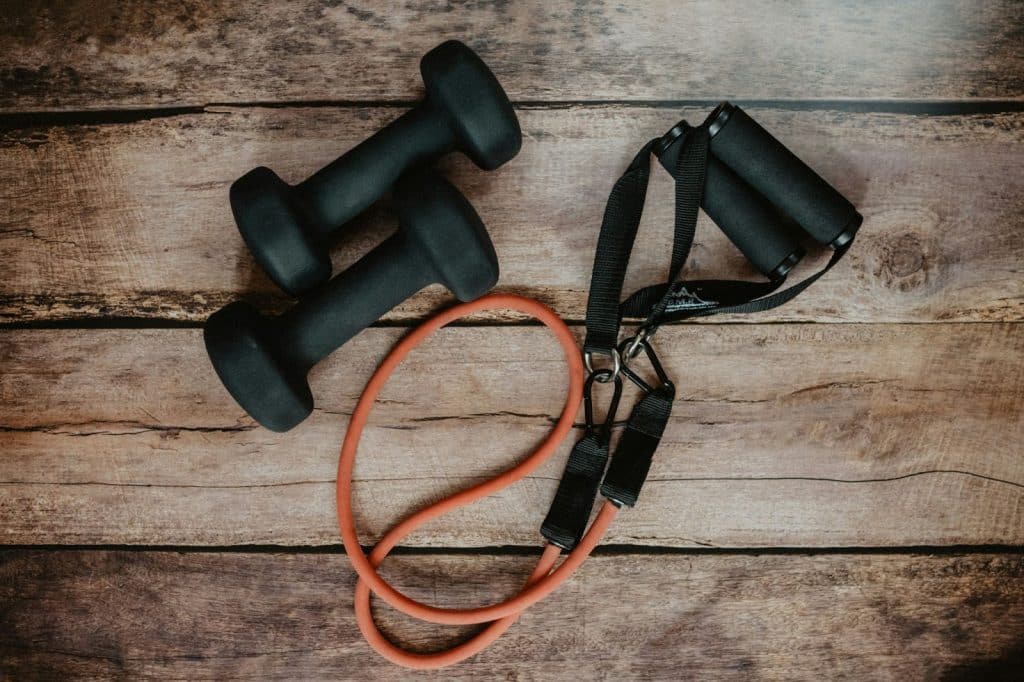
Bands are portable, affordable, and effective for full-body workouts. They allow for progressive resistance without heavy equipment. Ideal for home, office, or travel workouts. Exercises like banded rows, presses, and squats engage multiple muscle groups. They’re especially useful for maintaining strength on the go.
Functional Training Circuits
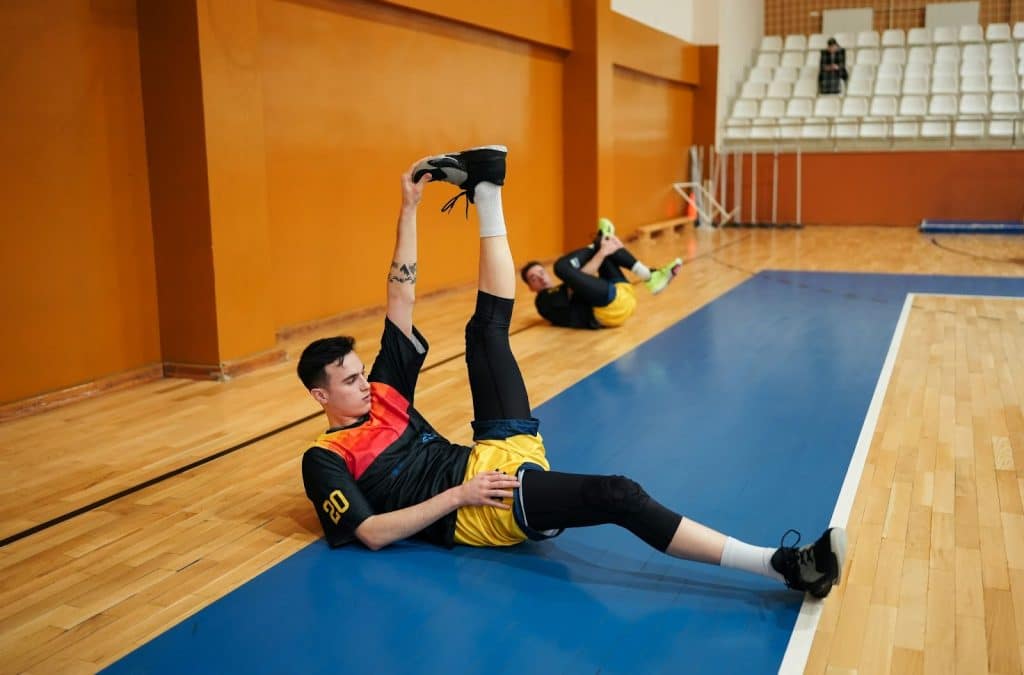
Functional training focuses on movements that mimic real-life activities. Combining exercises like deadlifts, push presses, and farmer’s carries develops practical strength. These workouts improve balance, mobility, and endurance. Sessions can be scaled to fit time constraints while still delivering results.
Jump Rope Sessions

Jumping rope burns calories fast while improving coordination and cardiovascular fitness. Just 10 minutes can be as effective as a 30-minute jog. Intervals of high and moderate intensity keep the workout challenging. Lightweight and portable, a jump rope is perfect for travel or quick breaks.
Sprint Intervals

Sprints require minimal time but offer maximum return on investment. Alternating 20–30 seconds of sprinting with walking recovery builds endurance and power. This can be done outdoors, on a treadmill, or even cycling. Just 15–20 minutes a few times a week delivers noticeable results.
Rowing Machine Workouts
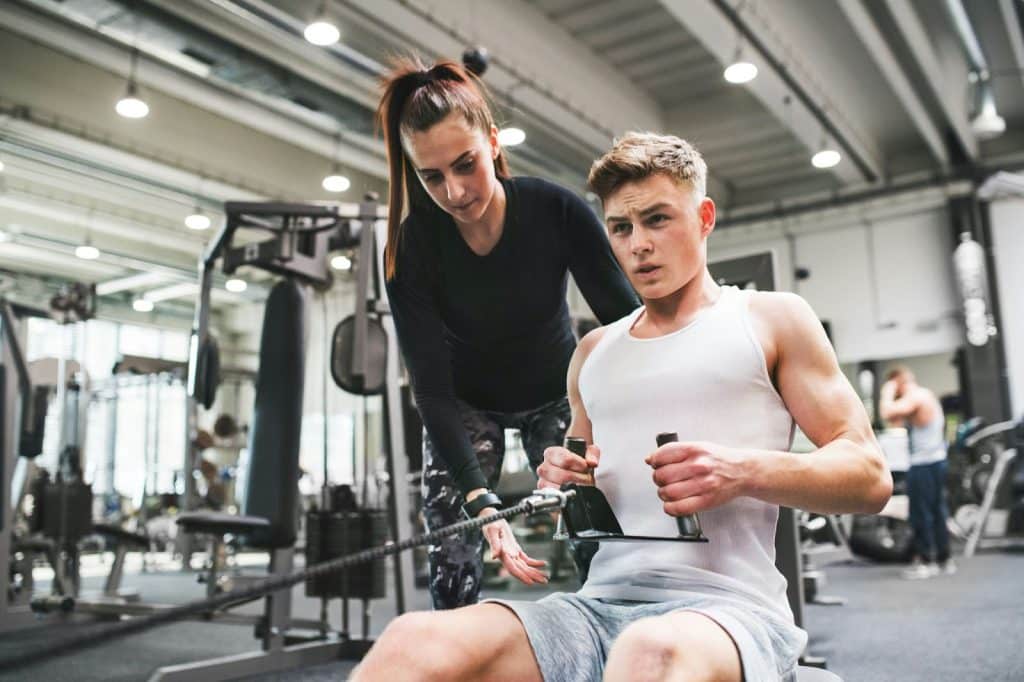
Rowing engages both upper and lower body while delivering an excellent cardio burn. Short, intense intervals save time and build strength simultaneously. Machines are available in many gyms, but compact home models make it easy to stay consistent. Proper form ensures maximum benefit.
Morning Mobility Flow

Starting the day with 10–15 minutes of mobility work enhances flexibility and prevents stiffness. Movements like hip openers, spinal rotations, and shoulder rolls improve range of motion. It prepares the body for daily tasks and reduces injury risk. This gentle routine works well before more intense exercise.
Desk Yoga

Simple seated stretches, forward folds, and spinal twists can be done without leaving the desk. These movements help reduce tension from prolonged sitting. Incorporating them into short breaks boosts circulation and focus. Even two or three mini-sessions daily can make a difference.
Pilates Core Sessions
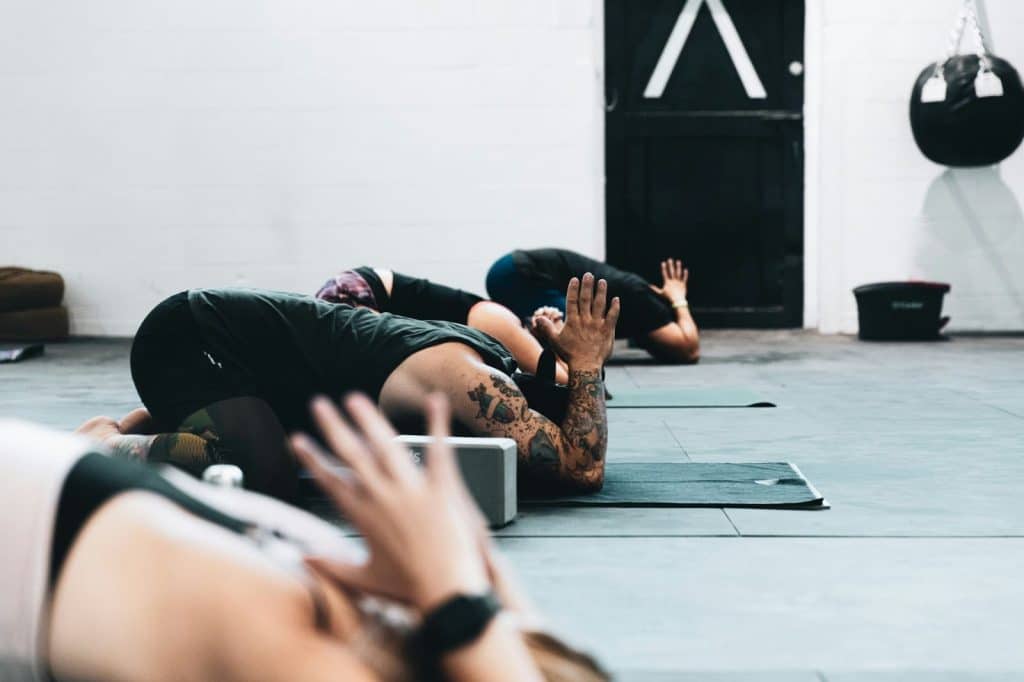
Pilates strengthens deep core muscles that support posture and stability. Short, equipment-free routines target multiple areas simultaneously. It’s low-impact, making it suitable for busy individuals who want effective results without strain. Consistency improves both strength and flexibility.
7-Minute Workout
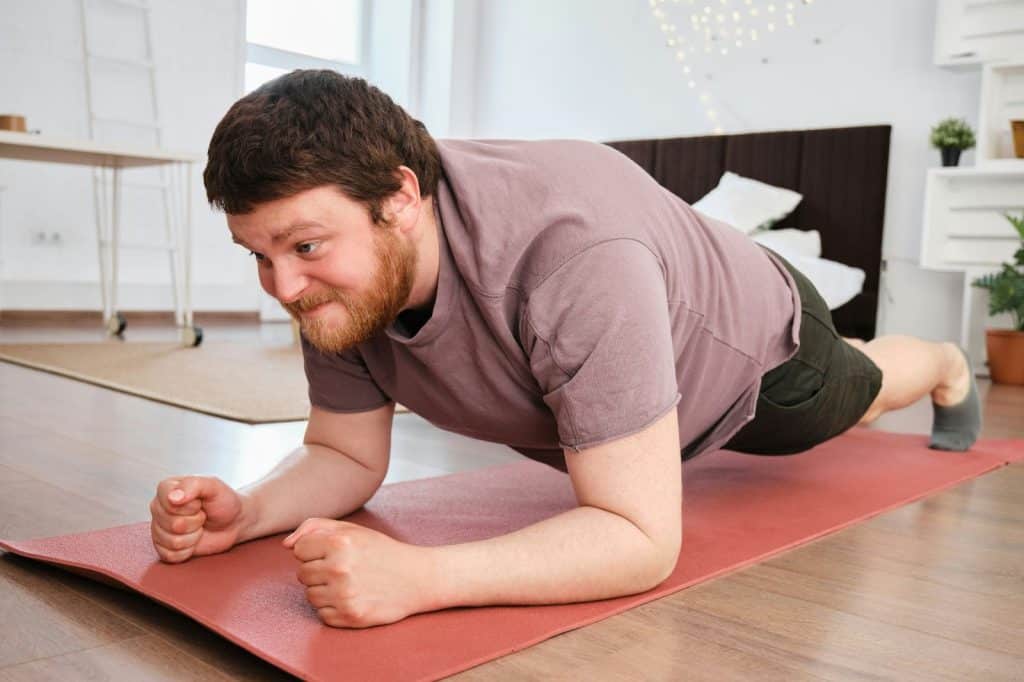
This research-backed routine alternates high-intensity bodyweight exercises with brief rest. It’s designed for maximum efficiency, targeting multiple muscle groups in minimal time. Ideal for mornings or quick breaks during the day. Apps and timers make it easy to follow anywhere.
Weekend Warrior Sessions
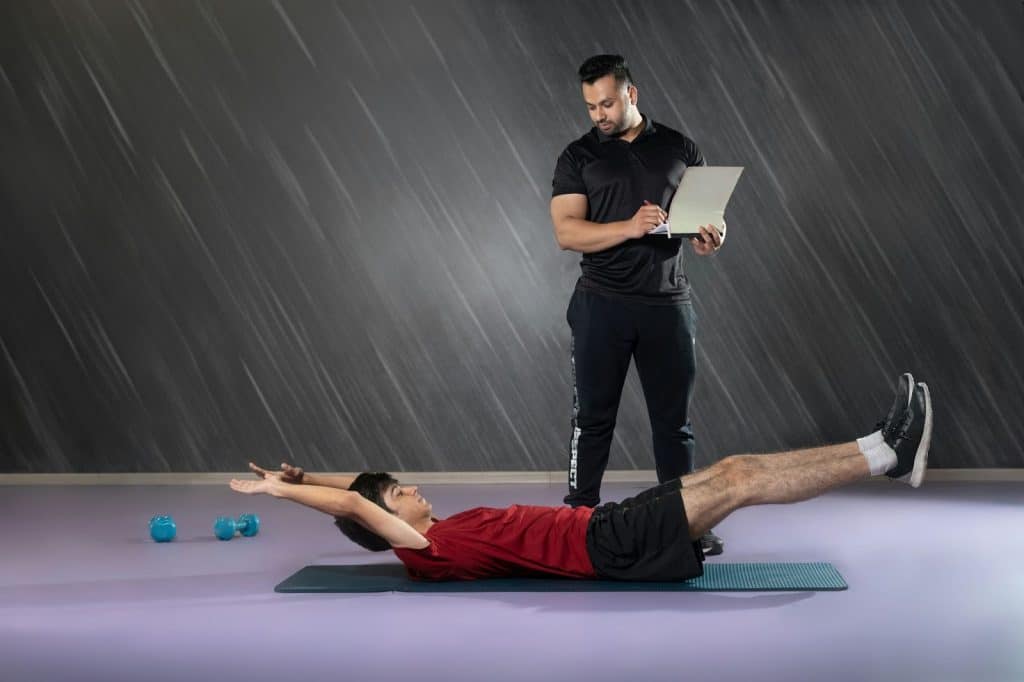
When weekdays are packed, dedicating longer workouts to weekends can keep progress steady. This approach pairs short weekday activity with more intense weekend sessions. It works well for strength training, hiking, or sports. Consistency ensures results despite a hectic schedule.
Active Family Time

Playing sports, hiking, or biking with family turns quality time into exercise. It keeps fitness enjoyable and sustainable. Involving loved ones increases motivation to stay active. The focus is on movement rather than “working out,” making it more appealing.
Conclusion – Redefining Consistency

Being busy doesn’t have to mean being inactive. By choosing efficient routines, fitness can fit seamlessly into daily life. Whether it’s a 7-minute workout, active commuting, or functional training, small consistent actions add up. The key is finding what works and sticking with it. Over time, even the busiest lifestyle can support a strong, healthy body.








Ask Me Anything