
It’s a little surprising to think some everyday foods might come with an extra sprinkle of heavy metals. Stuff like lead, mercury, arsenic, and cadmium can show up in trace amounts in foods we eat, and overexposure to these heavy metals can lead to some unwanted side effects.
Think of this list as a nudge to be more aware rather than a reason to panic and toss everything in your kitchen. Like anything, moderation is key to a balanced diet. With that said, let’s talk about what’s really on your plate because some of these 18 foods are going to surprise you.
1. Rice
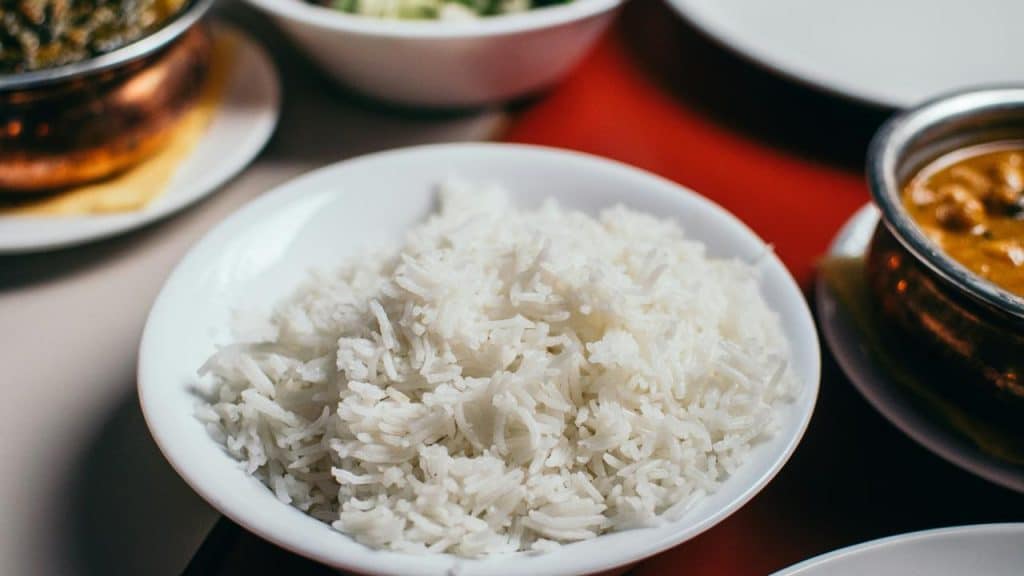
Rice tends to soak up arsenic from soil and water like it’s on a mission. Flooded fields give arsenic more ways to get in, especially in regions where the water already has higher levels. Even brown rice can have more arsenic than white because the outer layer is left intact.
Many people eat rice daily without issue, but swapping in other grains now and then can help keep things balanced. Quinoa, barley, or even potatoes can mix it up without leaving you feeling deprived of carbohydrates.
2. Leafy greens
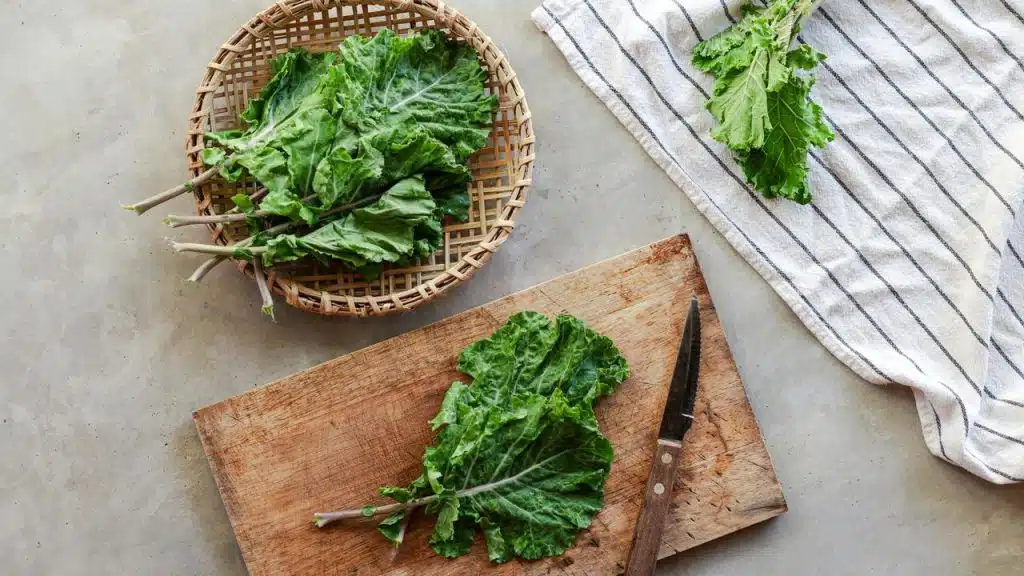
Leafy greens like spinach and kale are nutrient-packed foods, but they can also pick up cadmium from the soil. This heavy metal lingers in farmland due to industrial pollution or certain fertilizers, so the plants absorb it as they grow.
Nobody’s telling you to skip your salad, but maybe rotate between greens and other colorful veggies. That keeps meals interesting and lessens the chance of piling up too much of one thing.
3. Tuna
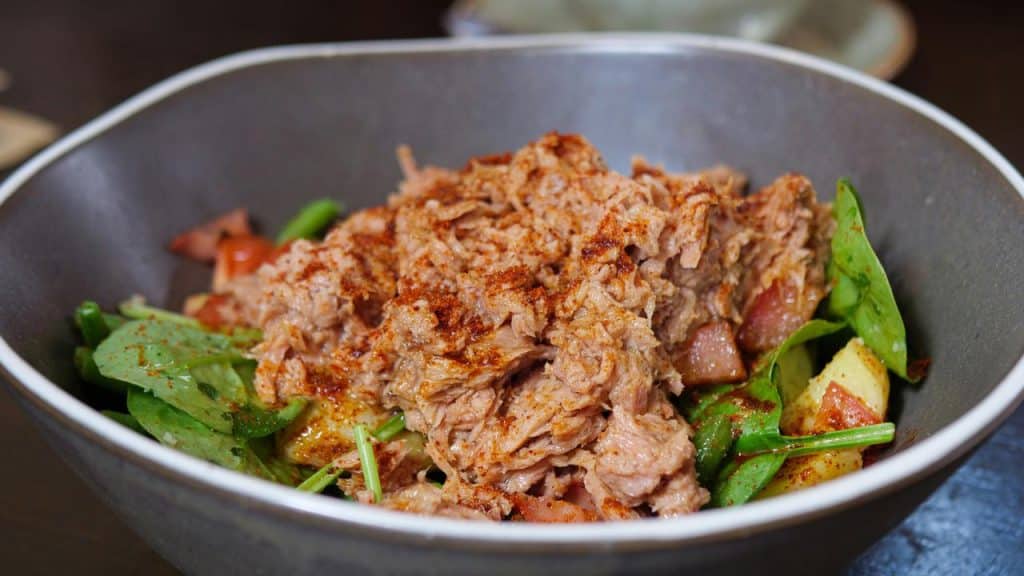
Tuna, especially the big species like albacore, can build up mercury over time. Being high up on the food chain means they snack on smaller fish that already have mercury in them, and it all adds up.
Plenty of seafood is lower in mercury, so alternate your fish choices to make a difference. Salmon, shrimp, and sardines bring good protein and omega-3s without the same concern.
4. Potatoes
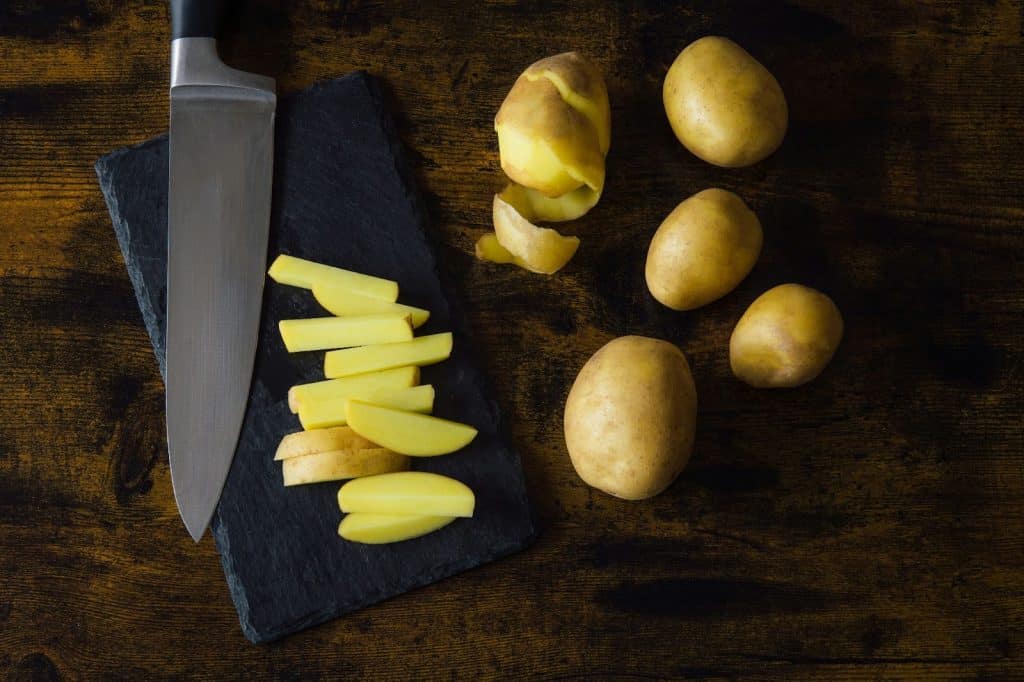
Potatoes can carry cadmium and lead depending on the soil they grow in. Since they’re root vegetables, they sit right in the thick of any contamination in the dirt.
Mix in other starches like sweet potatoes or winter squash to help spread the love and the risk around. Still, nothing quite replaces crispy roasted potatoes on a Sunday night, so it’s about balance.
5. Chocolate
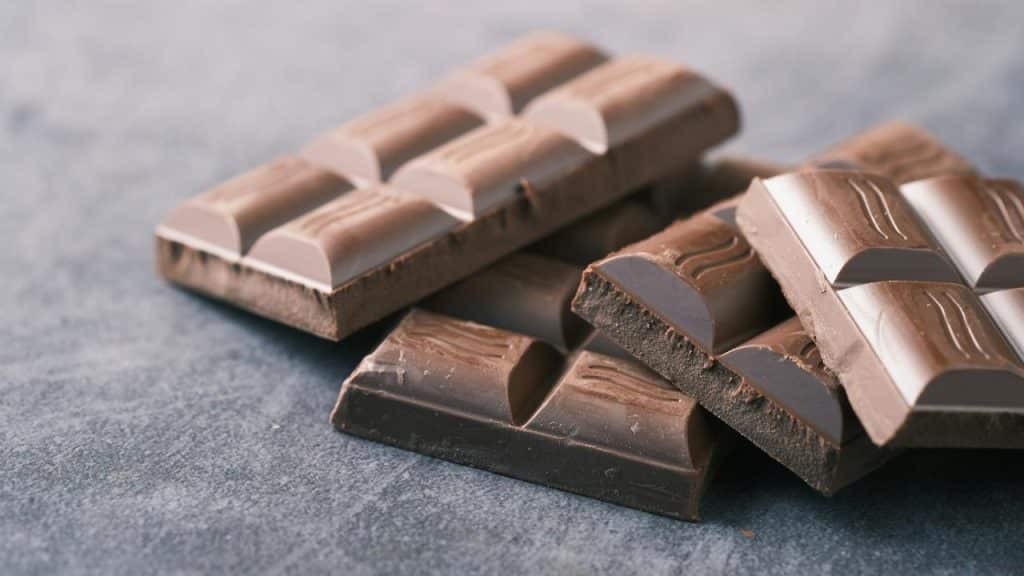
Cocoa plants can pull cadmium and lead from the soil, and unfortunately, those metals stick around during processing. Dark chocolate tends to have higher levels because it contains more cocoa solids than milk chocolate.
Enjoy chocolate in moderation and pair it with fresh fruit to make it feel like a treat worth savoring. A square or two is often enough to satisfy a craving.
6. Apples
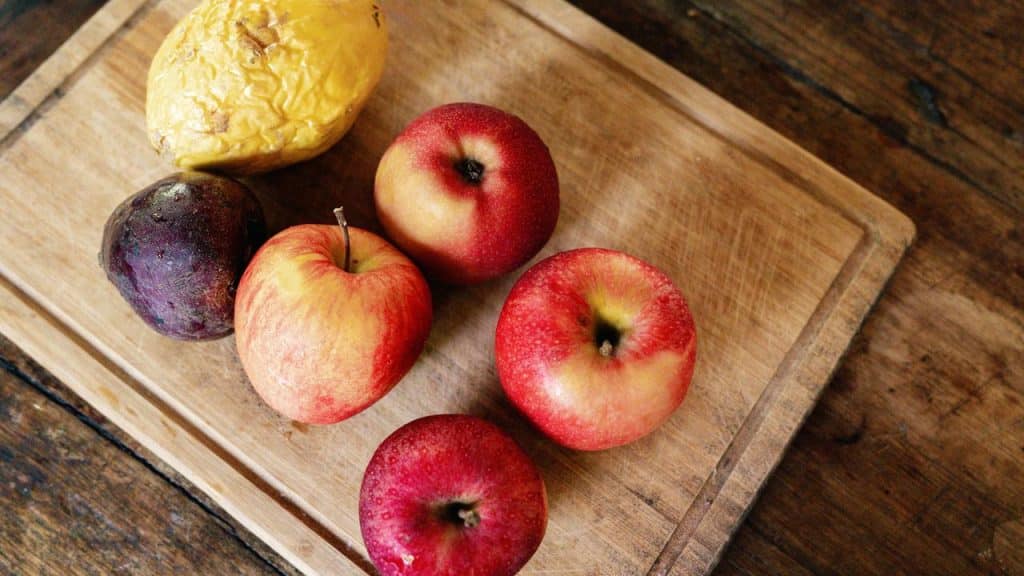
Apples can sometimes carry lead and arsenic from the soil they’re grown in, especially in older orchards. While the fruit itself doesn’t always have high levels, trace amounts can be present in the skin.
Rinse and peel when possible for a simple fix, though you might lose some fiber in the process. Mix apples with other fruits like pears or berries to get the best of all worlds.
7. Shellfish
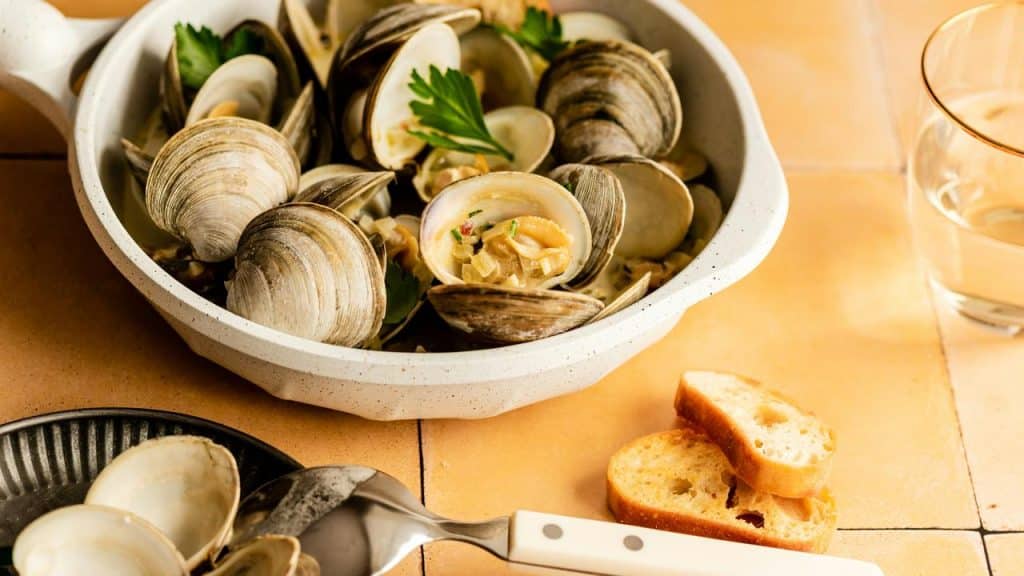
Shellfish like oysters, clams, and mussels can pick up mercury and cadmium from the water they filter. Since they feed by sifting through large amounts of water, they’re like little sponges for whatever’s floating around.
Choose shellfish from cleaner waters and limit how often you eat them to help reduce exposure.
8. Carrots
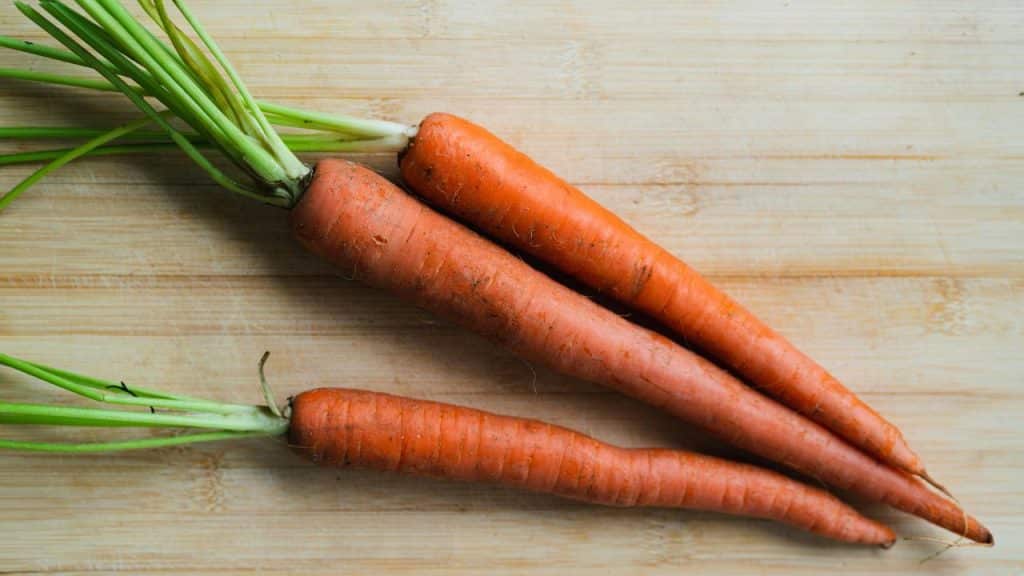
Carrots are generally healthy, but they can absorb lead and cadmium from the soil. The deeper they grow, the more likely they are to tap into whatever’s down there.
Peel carrots to cut down on some of that risk, though you’ll lose a bit of fiber. Add in other root veggies like parsnips or beets to keep your sides from getting boring.
9. Wine

Grapes used in wine production can take up lead and arsenic from the soil, and certain winemaking processes can add more. While levels are usually low, frequent consumption can build exposure over time.
Switch between wine, beer, and non-alcoholic options to keep things fresh. That way, you can still enjoy your favorites without relying on the same drink every time.
10. Protein powders
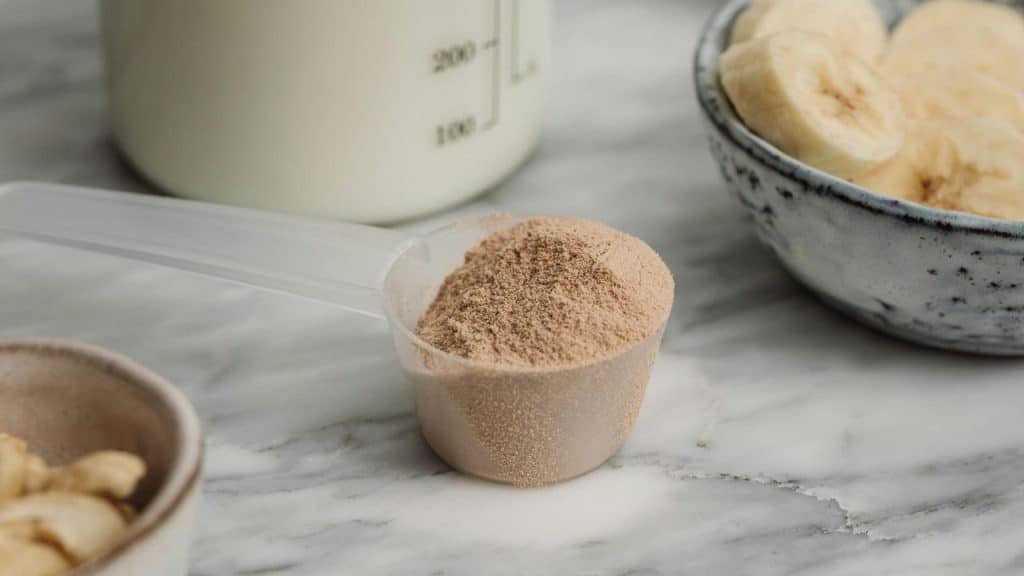
Some plant-based protein powders have been found to contain lead, arsenic, and cadmium. The metals can sneak in through contaminated soil where the plants were grown.
Pick brands that test for heavy metals, but also alternate with whole food sources like eggs, dairy, or meat to spread out the risk.
11. Spices
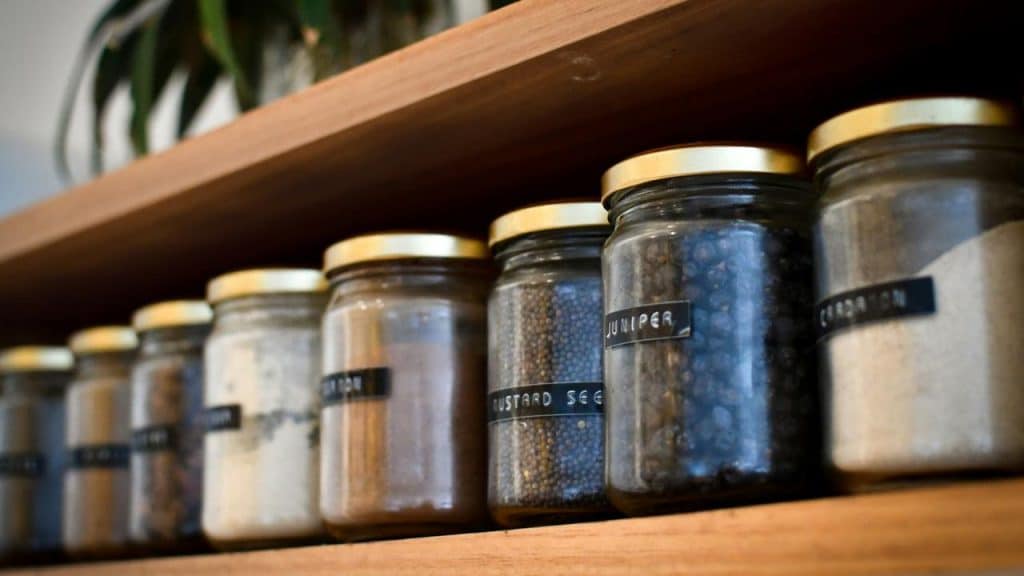
Spices can contain lead, especially if grown in areas with contaminated soil or processed in facilities that don’t monitor levels closely. Certain vibrant spices are more prone to this than others.
Rotate between fresh herbs and dried spices to add variety and flavor without over-relying on the same jar
12. Seaweed
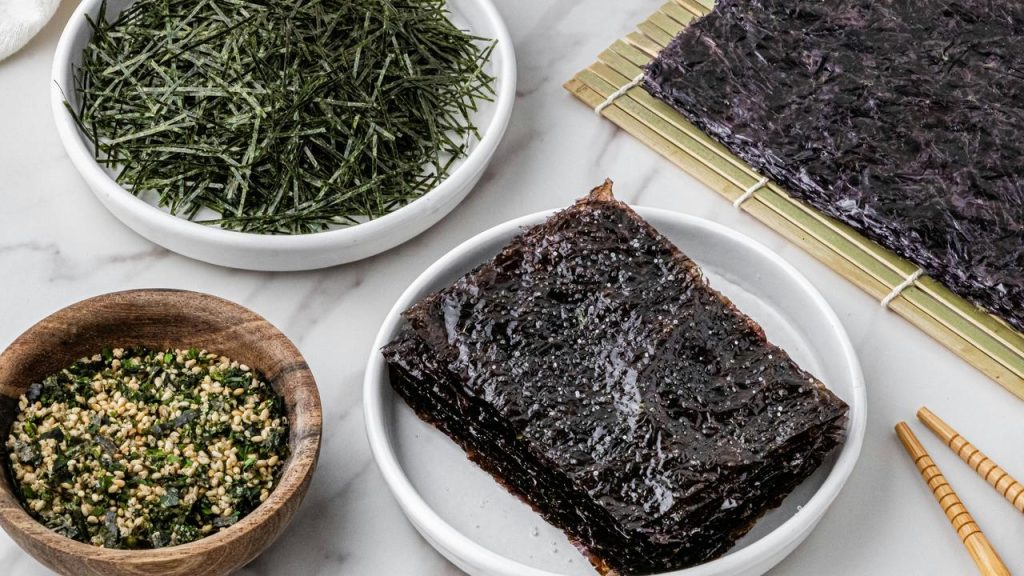
Seaweed is packed with nutrients, but it can also soak up arsenic and cadmium from seawater. The type and source matter a lot here, as some varieties have higher levels than others.
Mix it with other veggies or keep it for occasional use to help keep your exposure in check. A little sprinkle on sushi or in soup goes a long way.
13. Baby food

Some baby foods, especially rice-based ones, have been found to contain arsenic, lead, and cadmium. This is partly due to the same reasons adult foods have them, such as soil, water, and processing.
Make homemade purees with a variety of ingredients for a safer option. Even when buying prepared food, alternate brands and flavors to spread out the risk.
14. Canned food
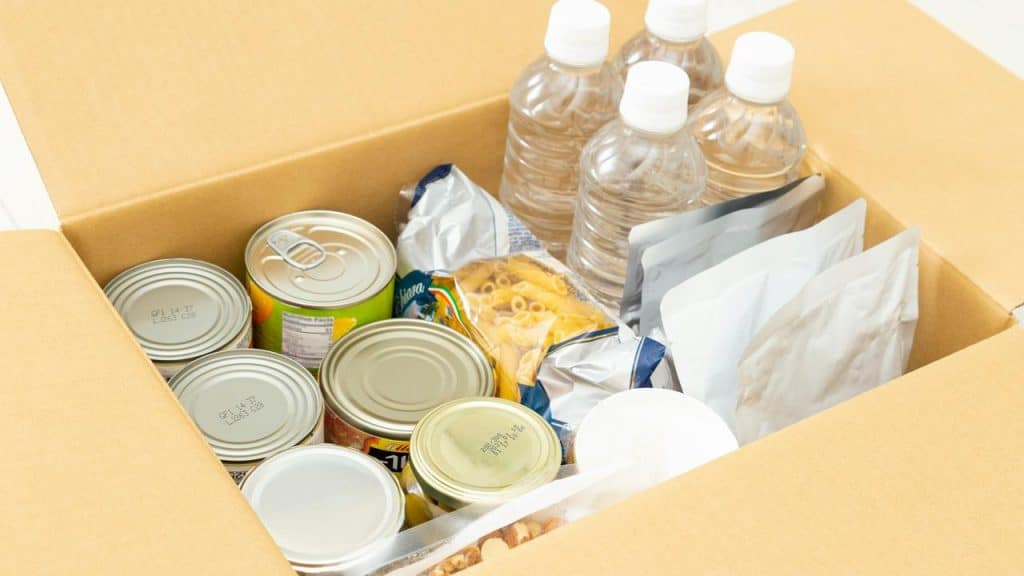
Cans lined with certain materials can leach lead into the food over time. Acidic foods like tomatoes are more prone to picking up metals from the container.
Use fresh or frozen versions when possible to cut down on the chance. Still, canned goods have their place for convenience and emergencies.
15. Tea
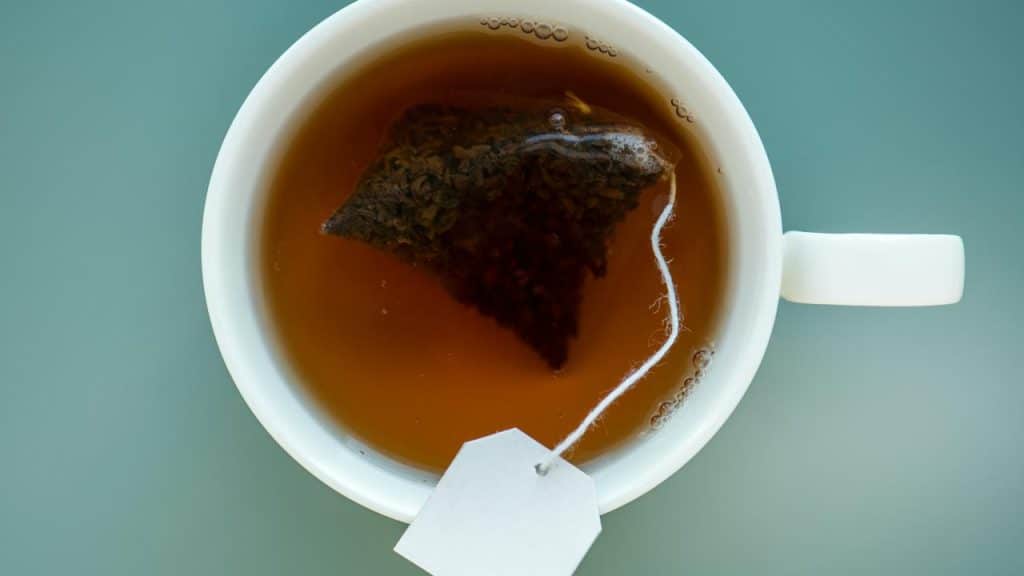
Tea plants can pull lead and aluminum from the soil, especially when grown in polluted areas. The longer the tea steeps, the more metals can leach into the drink.
Alternate between tea, coffee, and herbal infusions to keep your diet varied. Sometimes, a change in your morning ritual feels refreshing.
16. Berries
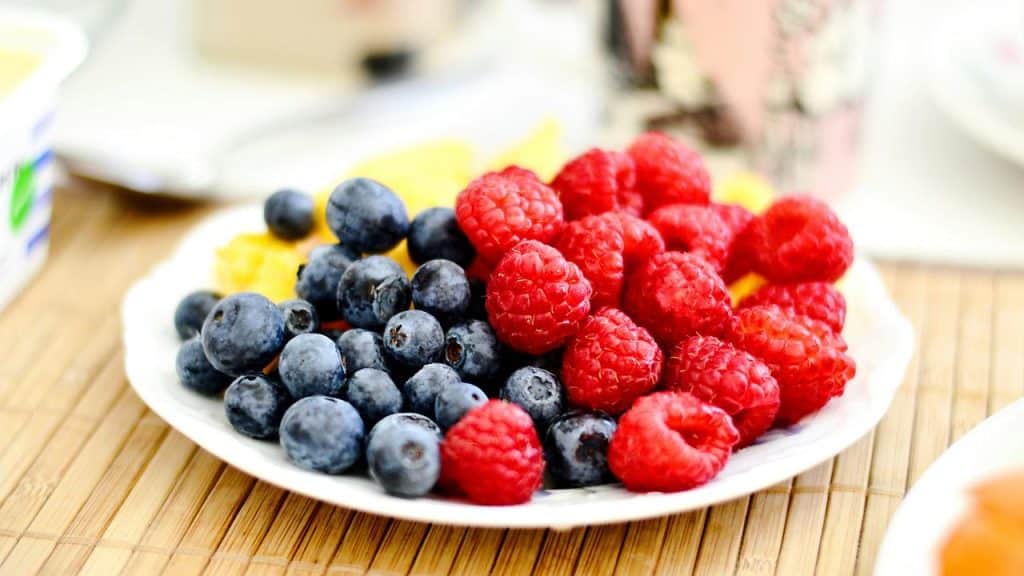
Strawberries and blueberries can carry lead or cadmium if grown in contaminated soil. Washing them well helps, but it doesn’t remove everything.
Pair berries with other fruits to keep your snacks interesting while spreading out potential exposure. Frozen options can also work as a good backup.
17. Corn
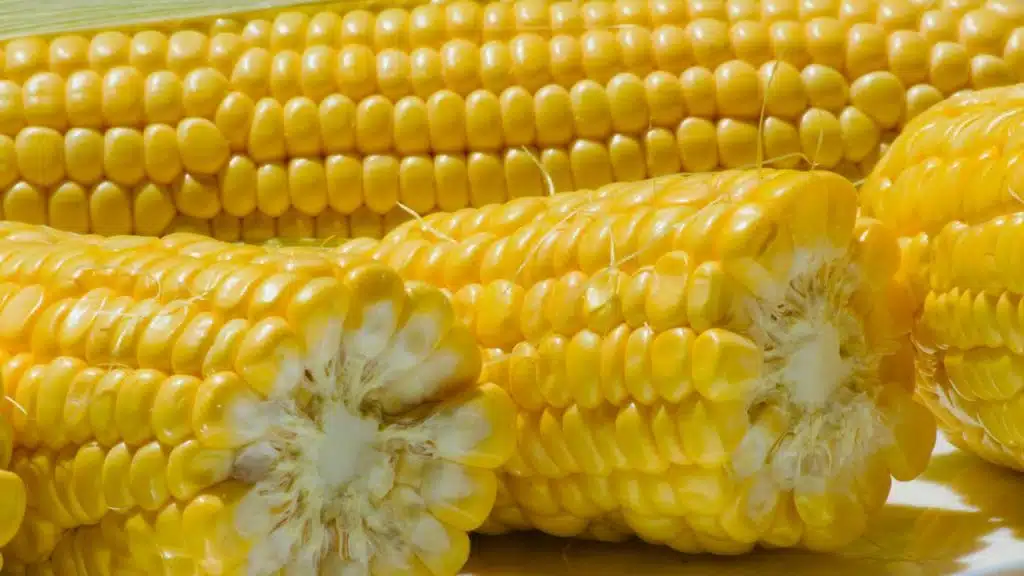
Corn can take in lead and cadmium from soil, especially in areas near industrial activity. The metals can end up in fresh corn, popcorn, and cornmeal products.
Alternate with other grains like oats or millet to add variety to your meals. That switch also makes breakfast and snacks more exciting.
18. Mushrooms
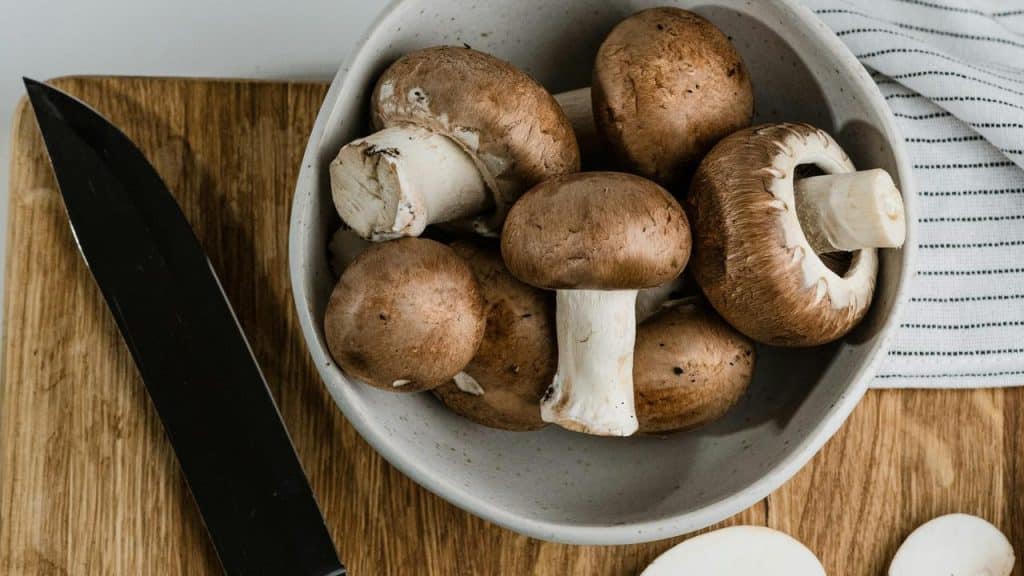
Mushrooms can absorb heavy metals from both soil and decaying matter. Certain wild varieties are more prone to this than cultivated ones.
Buy from reputable sources and mix mushrooms with other vegetables to help balance your diet. They still bring a rich, earthy flavor that’s hard to beat in soups and stir-fries.








Ask Me Anything