
You tell yourself you’ll only grab one drink, but two hours later, the tab is bigger than your grocery budget. Or maybe you swore you’d get up early for the gym, only to smash the snooze button and scroll through your phone instead. Small slip-ups feel harmless until they start stacking up. When you’re constantly giving in to impulses, it’s not just about money or missed workouts; it seeps into your relationships, career, and health. If any of these signs sound familiar, it’s time to call yourself out and get control before the damage becomes permanent.
You Keep Breaking Promises to Yourself

Skipping workouts, ditching your diet, or ignoring that project deadline sends one clear message—you can’t rely on yourself. That eats at your confidence over time, even if you don’t admit it out loud. Self-discipline builds trust with yourself the same way reliability builds trust with others. When you keep breaking those promises, it’s harder to believe you can stick to anything. The fix starts small. Choose one commitment, follow through, and prove to yourself you still can.
You Justify Every Bad Decision

Every time you excuse a poor choice, you make it easier to repeat. Whether it’s another skipped workout, another binge, or another wasted weekend, the reasoning sounds convincing in the moment. But over time, those justifications protect your worst habits. Stop defending them and face the truth. That’s the only way to replace them with something better.
You Quit When Things Get Difficult

The moment things stop being fun, you’re out. That pattern teaches you to walk away instead of working through. Life isn’t designed to be easy all the time, and quitting guarantees you never see the payoff. Push through discomfort, and you’ll find that the reward is often on the other side of the struggle.
Impulse Spending Is Normal for You

Buying gadgets, clothes, or dinners you didn’t plan for might feel harmless in the moment. But when your credit card bill hits, that short rush turns into stress. Financial discipline is one of the clearest measures of self-control. If you’re constantly spending without thinking, it’s a sign you’re avoiding patience and long-term planning. Before you buy, wait 24 hours and see if you still want it.
You’re Easily Distracted by Social Media or Entertainment

You pick up your phone for a quick scroll and lose an hour without noticing. These micro-distractions break your focus and eat your day in pieces. If you’re constantly pulled away by notifications, it’s a clear sign you’ve lost control of your attention. Turn them off, set limits, and give your brain room to work.
Your Anger Gets the Best of You

Blowing up in traffic or snapping at coworkers isn’t just about a bad day—it’s about control. When you can’t regulate your emotions, people stop trusting how you’ll react. That damages relationships faster than almost anything else. Start noticing the moments your temper rises and put a pause between the trigger and your response. It’s not a weakness to walk away.
You Overcommit and Underdeliver

Saying yes to everything feels good at first. People think you’re dependable until you don’t show up or deliver late. This comes from not knowing your limits or managing your time. The cost is your reputation, and rebuilding that takes far longer than simply saying no in the first place. Protect your time and only commit to what you can actually handle.
You Can’t Resist Immediate Gratification

Grabbing fast food instead of cooking. Watching another episode instead of going to bed. Skipping the hard stuff for the quick hit feels good right now, but it robs you later. This constant trade-off of the long-term for the short-term slows your growth in every area. Learning to delay gratification is a muscle, and you need to work it.
Deadlines Constantly Sneak Up on You

You tell yourself you have plenty of time. Then suddenly the deadline is tomorrow and you’re in a panic. Procrastination isn’t laziness; it’s poor self-control dressed as avoidance. You push things off because starting feels uncomfortable, but the stress later is worse. Break tasks into smaller chunks and start early, even if you only do a little at a time.
You Skip the Hard but Necessary Tasks

It’s easy to clean your inbox or make another coffee. It’s harder to face the work that actually matters. Avoiding the tough stuff is a silent career killer. Those hard tasks are usually the ones that move you forward. Make them your priority instead of an afterthought.
Unhealthy Habits Rule Your Routine

Too much alcohol, late nights, fast food—these are comfort traps. They sneak in when discipline slips, and they’re usually the first sign you’ve lost control. Poor health habits bleed into your energy, mood, and focus. The fix isn’t to overhaul your entire life at once. Swap one bad habit for a better one and keep building from there.
You’re Always Reacting Instead of Planning

You spend your days putting out fires because you never set the fireproofing in place. Without a plan, life pushes you around instead of the other way around. This constant reaction mode drains your energy and keeps you stuck in the same spot. Even ten minutes of planning each night can shift you toward control.
You Blame Others for Your Mistakes

Pointing the finger is easier than admitting you messed up. But if every failure is someone else’s fault, you’ll never learn. Taking responsibility requires the discipline to face the truth without excuses. Once you own the mistake, you can actually fix it. That’s where growth happens.
You Struggle to Say No

Agreeing to things you don’t want drains your time, money, and focus. It’s not about being rude; it’s about protecting what matters. Every yes to something meaningless is a no to something important. Practice saying no without overexplaining. The people worth keeping around will respect it.
Your Environment Is Always in Chaos
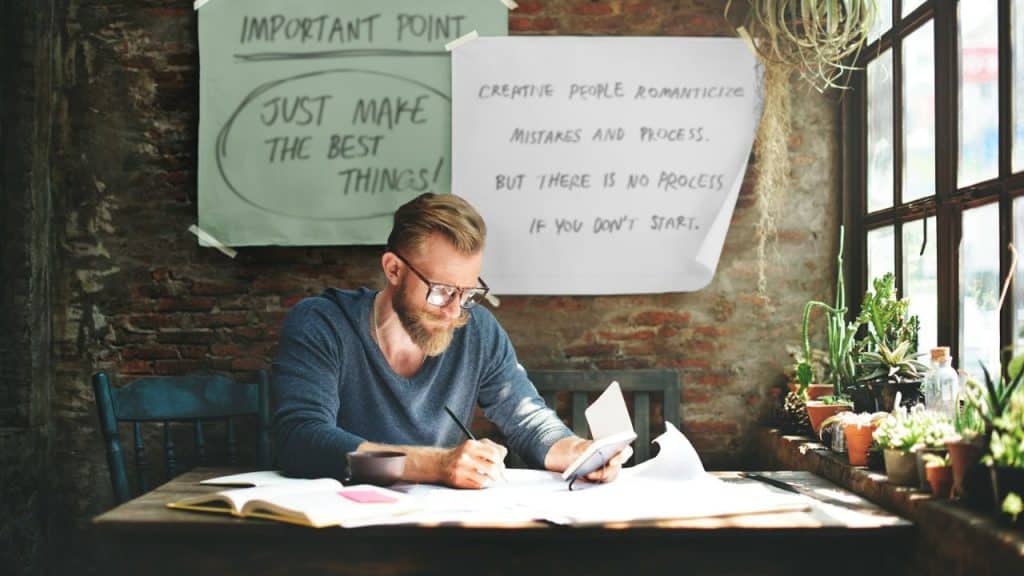
Messy desk, cluttered house, disorganized finances—these aren’t just about aesthetics. They reflect how much control you have over your life. Chaos on the outside often mirrors chaos inside. Clearing your environment can be the first step toward clearer thinking and stronger habits.








Ask Me Anything