
When someone truly wants you, you don’t have to guess. You feel it in their effort, their consistency, and the way they make space for you in their life. But when you’re the “backup plan,” the signs are subtle–hidden in the way they communicate (or don’t), how they handle plans, and where you actually fit into their priorities. It’s not always intentional cruelty; sometimes people keep someone around for comfort, convenience, or just in case things don’t work out elsewhere.
The tricky part? It can feel almost like real interest–until you notice the patterns. And if you’re not paying attention, you’ll keep investing time, energy, and emotion into someone who only treats you like an option, not a choice.
Here are 18 telltale signs you’re not their main priority, with the clarity and perspective you need to decide if you want to stay in that role–or step out entirely.
1. They Only Reach Out When Their First Plans Fall Through

If you notice their texts often start with “Hey, what are you up to tonight?” at the last minute, there’s a strong chance you’re the contingency plan. Real interest looks like foresight–they book you in advance because they’re excited to see you, not because someone else bailed. Pay attention to whether your interactions are proactive or reactive. A person who values you will treat your time as important, not as an emergency filler for their schedule.
2. Your Time Together Is Never During “Prime Time”

You see them in odd, leftover windows–late at night after they’ve done other things, weekday afternoons when their main crowd is busy, or during off-peak moments. People make time for what matters, and if you’re never part of their weekends, key events, or important social plans, it’s a sign you’re not at the top of their list. Occasional off-hours hangouts are fine. Always being slotted in there? Not fine.
3. You’re Excluded from Their Inner Circle

If you’ve been talking or seeing each other for a while and still haven’t met their friends, family, or anyone important in their life, that’s intentional. People integrate those they see as long-term or important into their social fabric. If they’re keeping you separate, it’s often because they don’t want to solidify your place–or they don’t see you as someone who needs to be integrated at all.
4. They’re Vague About the Future

Plans beyond the next hangout are met with “We’ll see” or “I’m not sure yet.” This kind of non-commitment can be framed as “living in the moment,” but more often it’s a way to avoid locking themselves into anything. People who value you want to keep you in their calendar; people keeping you as a backup keep their options open.
5. You Initiate Most Conversations

Healthy interest is reciprocal–both people naturally reach out. If you notice that you’re almost always the one starting conversations, and their responses feel more like maintenance than enthusiasm, you might be the one holding the connection together. That imbalance is telling: if you stopped texting, would they even notice?
6. Their Availability Changes Depending on Who Else Is Around

You’re more likely to hear from them when you know they’re not with other people–or when their more “important” relationships are occupied. It’s not just about you being free; it’s about when you’re convenient for them. Notice the patterns of when they reach out. If they vanish whenever certain people are around, you’re not their main focus.
7. They Rarely Make Concrete Plans in Advance

They keep things loose and noncommittal, with phrases like “Maybe we’ll hang out later” or “Let’s see how the night goes.” That’s not spontaneity–it’s hedging. Someone who truly wants to see you will happily lock in a date and time because they’re certain they want to spend that time with you. If every plan feels tentative, you’re not a priority–you’re a placeholder until something better or more appealing comes along.
8. They Avoid Defining the Relationship

When you try to discuss where things are headed, they change the subject, get defensive, or give non-answers. They might claim labels “don’t matter” or that they “just want to go with the flow,” but often, this is code for keeping you in a gray zone where they can enjoy your company without committing to it. Clarity benefits both people. If they refuse to give it, it’s because they want the freedom to treat you as optional.
9. They Share Just Enough to Keep You Hooked

They’ll open up a little–maybe about their day, a personal story, or a mild struggle–but never enough for you to feel truly connected. This breadcrumbing approach creates the illusion of intimacy without actually letting you in. People who see you as a main person want you to know them deeply. People who keep you as backup give you enough to stay interested, but not enough to become essential.
10. They Cancel or Reschedule Frequently
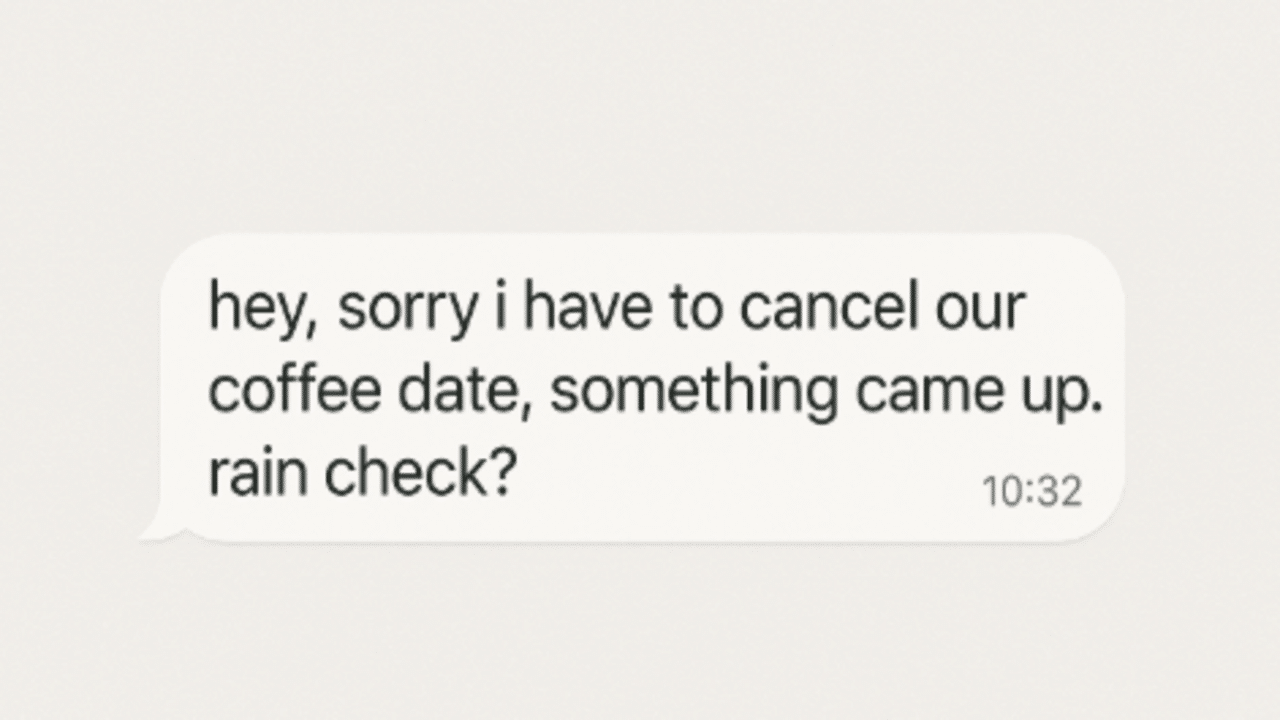
Life happens, and sometimes plans genuinely need to change. But if they often cancel last minute, reschedule repeatedly, or treat your plans as flexible in a way they wouldn’t with others, it’s a sign you’re not at the top of their priority list. Pay attention to whether these cancellations happen more when they’ve got another option on the table–it’s a common backup-plan pattern.
11. You’re Not Part of Their Milestones or Big Moments

You hear about their achievements, struggles, or celebrations after the fact, not as they happen. You’re not invited to their important events, and you’re absent during moments that matter most. That’s because in their mind, you’re not part of their “main cast.” Being kept on the sidelines during life’s key moments is one of the clearest signals you’re secondary in their world.
12. The Effort Isn’t Balanced

You notice you’re the one driving most of the connection–initiating plans, checking in, remembering important dates–while their effort feels inconsistent or minimal. Interest is shown through energy and investment. If they’re only putting in enough effort to keep you around without truly showing up for you, you’re not in the main role.
13. Their Attention Fades When Someone Else Enters the Picture

When they meet someone new or an old flame comes back into their orbit, your interactions noticeably drop. They may become distracted, take longer to reply, or seem less present. This is because you were filling a space in their life, and now someone else is occupying that space. If their interest hinges on who else is (or isn’t) available, you’re not the priority.
14. They Keep Your Connection Low-Profile

They avoid posting about you, bringing you to public events, or even being seen together in certain contexts. While privacy can be healthy, secrecy is different. If it feels like they’re deliberately keeping you out of sight, it’s often because they don’t want anyone to assume you’re a main fixture in their life–or they’re keeping their options open without interference.
15. They Only Show Affection on Their Terms

They’re warm, flirty, and attentive when it suits them, but distant when you need closeness. Affection becomes a tool for maintaining your interest, not a consistent part of the relationship. This hot-and-cold approach can feel intoxicating at first, but it’s often a control tactic that keeps you invested without them having to commit.
16. You Sense They’re Emotionally Invested Elsewhere

They might talk often about another person, seem distracted by someone in their social circle, or keep referencing “what they’re looking for” in a way that subtly excludes you. Your gut will pick up on it–people often reveal where their true emotional energy is going. If their heart or mind seems elsewhere, your role is likely to fill the gaps, not to be their central focus.
17. Important Conversations Are Always Delayed

Whenever you try to discuss something serious–boundaries, feelings, commitment–they push it to “later” or claim it’s “not the right time.” That “later” rarely comes. Delaying important conversations allows them to enjoy the benefits of your connection without having to define it, and it’s a hallmark move of someone keeping you as a backup.
18. You Feel Like You’re Always Waiting On Them
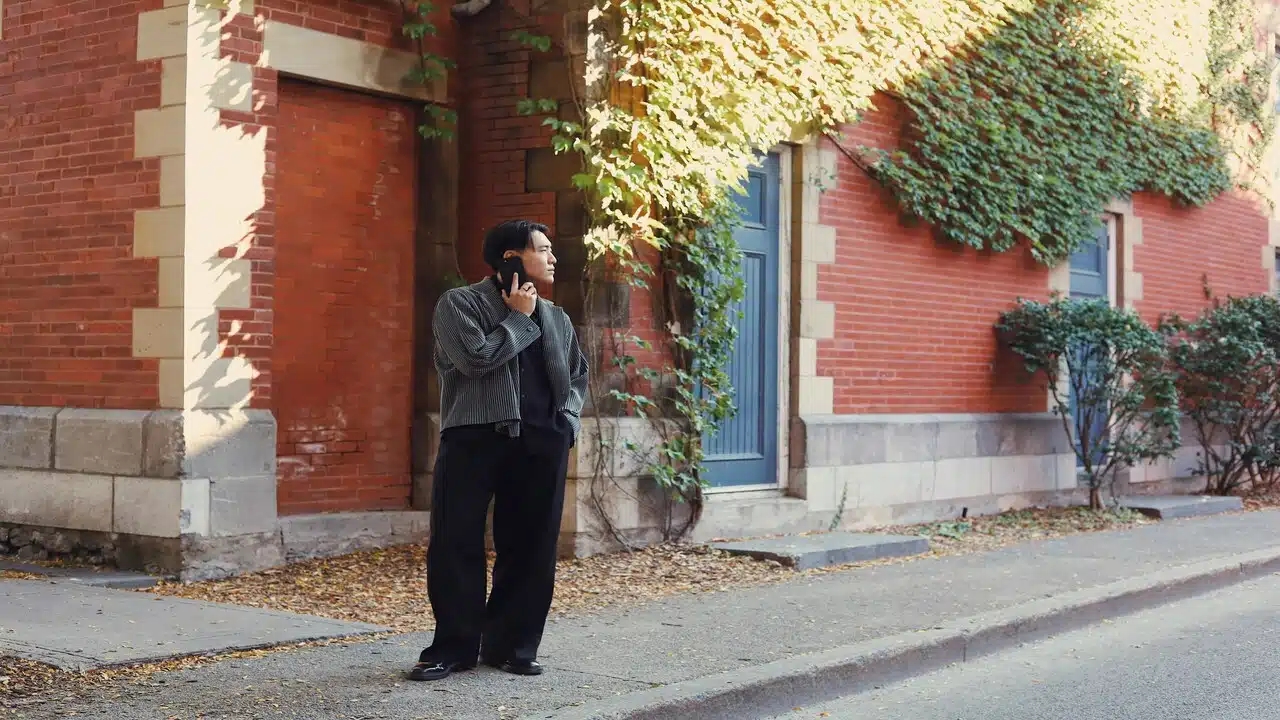
You’re waiting for them to text, waiting for them to confirm plans, waiting to see where things will go. That sense of being “on hold” is exhausting–and it’s a clear signal that the dynamic is unbalanced. When you’re someone’s main priority, you don’t have to wait around for crumbs of attention; you’re actively included in their plans and life. The more you recognize that constant waiting, the clearer it becomes: you’re not first in line.








Ask Me Anything