
Sometimes it’s not the big betrayals or explosive fights that erode a relationship–it’s the little, everyday patterns that quietly chip away at how your partner sees you. Respect and attraction aren’t static; they’re built (or broken) over time through the way you communicate, follow through, and carry yourself. The problem is, you may not even notice you’re doing things that make your partner take you less seriously until the connection feels different–cooler, more dismissive, or quietly resentful.
The good news? Small moves can work in your favor, too. If you can spot the habits that diminish your credibility and shift them, you can restore balance, respect, and even attraction in your relationship. These 18 points aren’t about turning you into someone you’re not–they’re about protecting the dignity and self-respect that make your partner see you as worth taking seriously in the first place.
1. Constantly Over-Promising and Under-Delivering

It’s one thing to miss a deadline or forget something once in a while. It’s another to routinely say you’ll do something–fix the sink, call back, plan a date–and never follow through. Over time, your words lose weight, and your partner stops believing you mean them. If you want to turn this around, scale back on promises until you can keep them consistently. Show them your word is valuable by reserving it for things you’ll actually do, even if they’re small.
2. Using Sarcasm to Deflect Real Issues
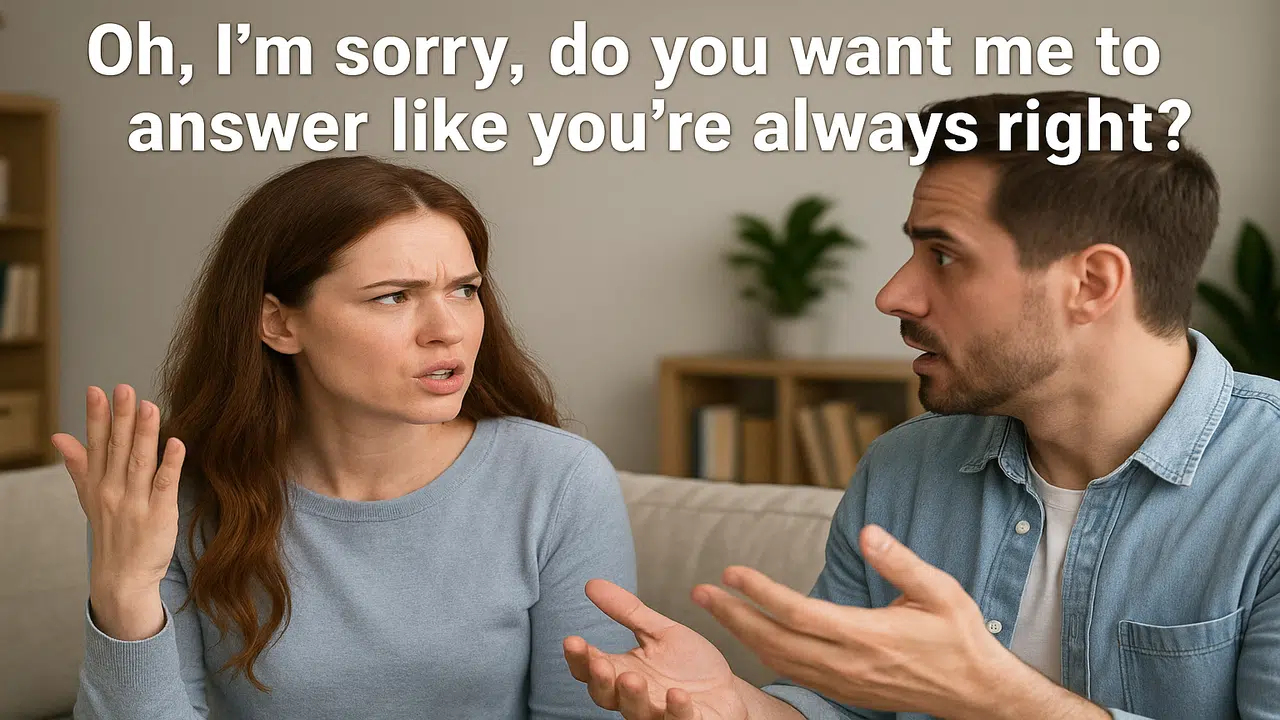
A quick joke or a sarcastic remark might seem like a harmless way to lighten the mood, but if you use humor to dodge uncomfortable conversations, it can make your partner feel you’re not taking their concerns seriously. Eventually, they’ll stop bringing things up, not because they’re resolved, but because they don’t think you’ll engage meaningfully. Try replacing sarcasm with a straightforward acknowledgment of the issue–even a sentence like “I hear you, let’s talk about this” builds trust.
3. Saying “It’s Not a Big Deal” When It Is

Dismissing something important to your partner–even if it seems trivial to you–sends the message that their feelings aren’t worth considering. Over time, this minimizes not just the issue, but their sense of importance in the relationship. Instead of brushing it off, validate their perspective first. You don’t have to agree with every concern, but taking it seriously shows that you take them seriously.
4. Treating Commitments Casually

When you consistently show up late, cancel plans last minute, or act like shared responsibilities are flexible, it signals that you see the relationship as optional work rather than a priority. Your partner will start mirroring that energy, and suddenly both of you are half-invested. Protect the relationship by treating commitments with the same respect you would in a professional or high-stakes setting–because in a way, it’s more important than either.
5. Avoiding Eye Contact During Serious Talks

It might just be a nervous habit, but avoiding eye contact in emotional conversations can come across as evasive or uninterested. In moments when your partner needs reassurance that you care, breaking that connection can make them doubt your sincerity. Practicing sustained, calm eye contact doesn’t just communicate attentiveness–it shows you’re grounded enough to handle the conversation.
6. Overusing the Silent Treatment

A short cooling-off period during a fight can be healthy. But using silence as punishment–refusing to speak for hours or days–turns conflict resolution into a power play. This erodes emotional safety and teaches your partner that vulnerability comes with a risk of emotional exile. Instead, set a clear boundary: “I need 30 minutes to cool off, and then I’ll talk.” That’s firm without being destructive.
7. Letting Your Standards Slip Completely

No one expects you to look perfect at home, but if you’ve stopped putting any effort into your appearance, health, or basic self-care, your partner may subconsciously interpret it as giving up–on yourself and on them. It’s less about vanity and more about the message: “I still care enough to show up well for you.” Small changes, like grooming regularly or dressing with intention, can reignite mutual respect.
8. Interrupting More Than Listening

Cutting your partner off mid-sentence doesn’t just derail their point–it signals that your perspective matters more than theirs. Over time, this creates a subtle hierarchy in which their voice has less weight. Active listening is a discipline: hold back until they’re fully done, repeat back the gist of what they said, and then respond. It slows you down but speeds up trust.
9. Making Jokes at Their Expense in Public

Playful teasing can be fine if it’s mutual and affectionate. But repeatedly making your partner the punchline, especially in front of others, can chip away at their dignity. Even if they laugh it off, it plants quiet seeds of resentment. Save your humor for things you both find funny, and if you must tease, do it in a way that makes them feel more connected to you, not less.
10. Never Initiating Plans or Affection

When you always leave it to your partner to plan dates, start conversations, or show affection, you shift the emotional labor entirely onto them. Eventually, they stop feeling desired and start feeling like a project manager. Take the initiative sometimes–plan an outing, send a sweet message first, or start physical affection without prompting. It’s a small move that restores balance.
11. Ignoring Small Requests Repeatedly

If your partner has asked you more than once to do something small–close a cupboard, remember a detail, or reply to a text–and you consistently forget, it signals that their needs aren’t important enough to register. This isn’t about perfection; it’s about intention. Keep a mental (or written) note of these requests and treat them as opportunities to show you’re attentive and responsive.
12. Playing the Victim Every Time

If every disagreement somehow turns into a narrative where you were wronged, your partner will eventually stop expecting you to own your part. This creates a dynamic where accountability disappears, and so does trust. Instead, train yourself to ask, “What part of this is mine to own?” Taking responsibility doesn’t weaken your position–it strengthens your credibility.
13. Letting Phone Use Take Over Conversations

Glancing at your phone while your partner is talking might seem harmless, but it’s a loud signal that your attention is split. Over time, they’ll stop opening up because it feels like competing with a screen. Make it a habit to put your phone face-down or in another room when you’re having a conversation–small gesture, big impact on how valued they feel.
14. Using “Always” and “Never” in Arguments

Sweeping statements like “You never listen” or “You always forget” might feel dramatic enough to get your point across, but they also shut down the conversation. Your partner stops hearing the issue and starts defending themselves against the exaggeration. Swap absolutes for specifics: “Last week when X happened, I felt Y.” This keeps the discussion factual and productive.
15. Dismissing Their Achievements

Whether it’s a small work win or a personal milestone, shrugging off your partner’s successes makes them feel unseen. Even if you think it’s no big deal, they’re telling you it matters to them by sharing it. Meet their excitement with your own–congratulate them, ask questions, and show pride. It’s not about being fake; it’s about being present.
16. Acting Defensive Instead of Curious

When your partner raises a concern and your first instinct is to defend yourself rather than understand their perspective, you shut the door to connection. Defensiveness signals you’re more invested in being right than being close. Try replacing “That’s not true” with “Can you tell me more about why you feel that way?” It shifts you from opposition to collaboration.
17. Letting Every Disagreement Drag On for Days

Some couples mistake drawn-out tension for “working through things,” but prolonged coldness often just deepens wounds. If every disagreement becomes a multi-day standoff, your partner starts expecting constant low-grade conflict. Instead, aim to address the core issue within a set window–even if you agree to revisit it later–so that conflict doesn’t become your relationship’s default setting.
18. Neglecting to Express Gratitude

It’s easy to get used to what your partner does–the meals, the rides, the reminders–and stop acknowledging it. But when appreciation disappears, so does a layer of mutual respect. Make a habit of noticing and naming the little things: “Thanks for handling that,” “I appreciate you doing this.” It’s not about grand gestures; it’s about keeping everyday respect alive.








Ask Me Anything