
Even the healthiest relationships have disagreements. Strong couples don’t avoid arguments; they handle them in ways that strengthen their bond. These conflicts are rarely about “winning” and more about understanding each other better. In fact, small arguments can be signs of honesty, emotional investment, and mutual respect. Here are 19 common topics that even the most committed couples still clash over, and why it’s perfectly normal.
Household Chores

No matter how well a couple gets along, chores are a recurring friction point. It’s often less about the task itself and more about the perception of fairness. Who takes out the trash, washes the dishes, or does the laundry can feel loaded with meaning. Strong couples might still debate over who’s “doing more,” but they find ways to compromise. These conversations are about shared responsibility, not keeping score.
Spending Habits

Money is a sensitive subject, even in the happiest relationships. Disagreements may arise over how much to save, how much to spend, or what’s worth splurging on. One person may be more frugal while the other prefers to enjoy the moment. The difference isn’t inherently bad, but it requires balance. Healthy couples debate spending without letting it undermine trust.
Cleaning Standards
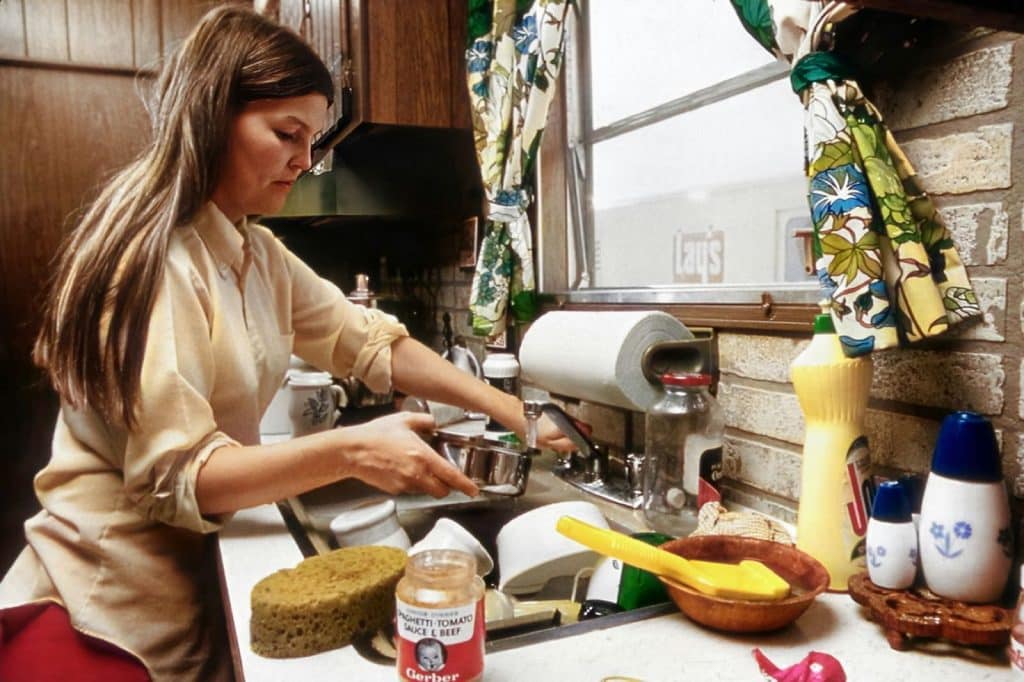
One person’s “clean” can be another’s “needs work.” Differences in cleanliness expectations can spark arguments over clutter, laundry piles, or how often to deep-clean. These debates aren’t about hygiene alone, they can reflect personality differences. Strong couples acknowledge the gap and work toward a standard that feels comfortable for both. The key is mutual respect, not perfection.
Time Management

Schedules don’t always align perfectly, and that can cause friction. Arguments may surface when one partner feels rushed or left waiting too often. Even small delays can create tension if they happen frequently. Healthy couples address timing issues directly rather than letting them fester. They recognize it’s about respect for each other’s time, not just punctuality.
Career Choices

Major job decisions, such as accepting a promotion, relocating, or changing careers, can spark strong opinions. Even in supportive relationships, these choices impact both lives. One partner may see opportunity, while the other worries about stability or work-life balance. Disagreements happen because the stakes are high. Strong couples weigh the pros and cons together before moving forward.
Where to Live

Choosing a home isn’t just a financial decision, it’s emotional. Arguments can arise over city vs. suburbs, renting vs. buying, or even the size of the space. Each preference reflects deeper values about lifestyle and comfort. Healthy couples negotiate until they find a solution that feels like “ours” instead of “yours” or “mine.” The process matters as much as the outcome.
Family Planning

Discussions about whether, when, and how many children to have are among the most personal conversations a couple will have. Even if they share the same goals, the timeline or approach can differ. These disagreements aren’t necessarily a red flag; they’re about aligning life plans. Strong couples revisit the topic openly as circumstances evolve.
Retirement Plans

While retirement may seem far away, how to prepare for it can still spark debate. One partner might prioritize aggressive saving, while the other values enjoying the present. Travel, hobbies, and living arrangements are also part of the conversation. Disagreements reflect different visions for the future, not a lack of commitment. Healthy couples keep the discussion ongoing.
How to Spend Free Time Together

Some couples thrive on constant activity, while others value downtime at home. Disagreements can arise over how to spend weekends, vacations, or even weeknights. It’s a balance between shared experiences and personal preferences. Healthy couples make room for both, even if it means compromise. The goal is enjoying time together without forcing every moment to align.
Social Media Boundaries

What’s okay to share online can be a surprisingly sensitive topic. One partner may be more private, while the other enjoys posting photos and updates. Arguments often center on comfort levels and respect for privacy. Strong couples set clear boundaries that protect the relationship while honoring individual expression. It’s about trust, not control.
Frequency of Intimacy

Even in strong relationships, intimacy needs can differ. Disagreements may surface if one partner feels a disconnect or desires more physical closeness. Healthy couples talk about these differences without judgment or shame. The conversation is less about numbers and more about feeling valued and connected. It’s a chance to grow closer through understanding.
Celebrations and Holidays

How to spend birthdays, anniversaries, or holidays can cause friction, especially with family traditions involved. One partner may prefer big gatherings, while the other enjoys quiet celebrations. These disagreements are often about balancing expectations and honoring each other’s backgrounds. Compromise keeps the joy in the occasion. Strong couples focus on making new traditions together.
Communication Styles

Some people process conflict immediately; others need space before talking. When these styles collide, misunderstandings can happen. Strong couples learn each other’s approaches and adjust without forcing change. Arguments about “how” to communicate are common, but they’re opportunities to improve understanding. Respecting different styles is key.
Decision-Making Speed

One partner may make decisions quickly, while the other prefers to weigh every option. This can cause frustration, especially under time pressure. Strong couples recognize the benefits of both approaches. Disagreements are less about speed and more about feeling heard in the process. Patience bridges the gap.
Friend Groups

Differences in friendships can create tension. One partner might have a large social circle, while the other prefers a smaller, close-knit group. Arguments may center on how much time to spend with friends or which social events to attend. Healthy couples balance independence with shared experiences. Respect for each other’s social needs keeps resentment at bay.
Hobbies and Interests

Not every hobby will be shared, and that’s okay. Arguments can occur when one partner feels left out or undervalued for their passions. Strong couples allow space for individual interests without letting them pull the relationship apart. They celebrate differences instead of seeing them as threats. The key is mutual encouragement.
Pet Care

For couples with pets, care responsibilities can be a point of tension. Feeding, walking, vet visits, and training all require time and effort. Disagreements often arise when one person feels they’re doing more. Healthy couples clarify expectations and share duties fairly. Caring for a pet becomes another way to practice teamwork.
Extended Family Boundaries

Even strong couples can disagree on how much involvement extended family should have. This can include visits, advice, or influence over major decisions. The challenge lies in balancing family ties with the couple’s autonomy. Healthy couples set boundaries together to protect their relationship. These conversations may be tough but are necessary for long-term harmony.
Travel Plans

Travel styles and priorities can differ widely. Arguments may come from budget concerns, destination choices, or activity preferences. For some, travel is about adventure; for others, it’s about relaxation. Strong couples work through these differences to create trips that satisfy both. Compromise often leads to the most memorable journeys.
Conclusion

Disagreements in strong relationships aren’t signs of trouble, they’re signs of two people with their own perspectives finding ways to live and grow together. What matters isn’t avoiding conflict, but handling it with respect, patience, and empathy. These 19 topics will always have room for debate, and that’s okay. When couples navigate them with care, arguments become stepping stones to deeper connection.








Ask Me Anything