
You’re not the kind of guy who settles—at work or at home. But here’s the truth: marriage doesn’t fall apart from one big blow-up. It usually slips through the cracks created by quiet fears we don’t talk about. Insecurity can show up wearing confidence, control, or silence. If you want a relationship that lasts, you have to spot the things that quietly pull it apart from the inside.
Feeling Threatened by Her Success

Her wins are not your losses. When you treat her career moves or confidence like personal attacks, it shifts the dynamic into competition. That kind of insecurity makes her feel like she has to shrink to keep the peace. The truth is, when she succeeds, your marriage succeeds. Backing her doesn’t make you weaker; it proves you’re strong enough to stand beside her.
Needing Constant Reassurance

Always asking if you’re okay as a couple can backfire. It makes your partner feel like she’s constantly responsible for managing your emotions, not just her own. Eventually, that becomes exhausting. Needing regular validation turns love into a job she has to clock in for. It’s okay to seek connection, but when it becomes a habit, it signals fear, not love.
Comparing Yourself to Other Men

Comparison makes it impossible to feel secure in your own life. Whether it’s income, looks, or career wins, measuring yourself against other guys is a trap. It fuels resentment and creates this pressure to prove something, even when no one’s asking you to. That pressure spills into your relationship and creates distance where confidence should be. Your wife didn’t marry a checklist; she married you.
Assuming She’s Attracted to Other Guys

Reading into every casual glance or laugh is a losing game. Most of the time, it says more about your self-worth than her intentions. If you treat her like she’s one step away from cheating, you’ll make her feel distrusted even when she’s done nothing wrong. That kind of tension slowly kills intimacy. Trust is built on reality, not paranoia.
Being Hyper-Sensitive to Criticism

Not all feedback is an insult. If you take every bit of honest input as a personal attack, it’s going to shut down real communication fast. She’ll stop bringing things up, not because things are fine, but because it’s not worth the fallout. You don’t have to agree with everything she says, but being open shows maturity. Growth doesn’t happen without some friction.
Believing You’re Not “Good Enough”

This one’s sneaky because it hides under self-awareness. You might think you’re just being honest, but deep down, it’s self-rejection dressed up as humility. If you keep acting like she settled for you, she’ll start to feel the pressure to constantly prove she didn’t. That slowly poisons the connection. She didn’t sign up to be your emotional caretaker.
Over-Analyzing Her Mood Swings

Her having a bad day doesn’t mean you caused it. When you assume every shift in her mood is somehow your fault, it makes her feel like she’s not allowed to just be human. That’s not empathy; it’s emotional control in disguise. She ends up managing your feelings while ignoring her own. Give her space to have off days without making it about you.
Worrying About Physical Appearance Too Much

It’s fine to care how you look until it becomes an obsession. Stressing over hairlines, abs, or wrinkles doesn’t just mess with your confidence. It usually turns into fishing for compliments or chasing validation in the wrong places. Your worth isn’t in a mirror or scale. She’s with you for reasons far deeper than that—don’t forget it.
Needing to Be Right All the Time

Always having to win a disagreement means someone else has to lose. That’s not a relationship; it’s a scoreboard. Wanting control or to protect your ego often comes from fear, not logic. If you’re scared to admit fault, you’re not building a connection; you’re building walls. The smartest guy in the room is the one who knows when to listen.
Feeling Jealous of Her Friends or Time Alone

If her independence feels like a threat, that’s a red flag. She’s allowed to have a life that doesn’t always revolve around you. Feeling jealous of her time alone or with friends doesn’t make you protective—it makes you possessive. That kind of control isn’t love; it’s fear dressed up as concern. Respecting her space shows strength, not weakness.
Reading Into Every Text or Silence

Silence doesn’t always mean something’s wrong. Not every unread message or delayed reply is a sign she’s losing interest. When you fill in the blanks with worst-case scenarios, you’re feeding your own fear, not facts. This makes her feel like she has to walk on eggshells just to keep you calm. Trust means giving her the benefit of the doubt, even in quiet moments.
Not Feeling Like the Provider You Want to Be
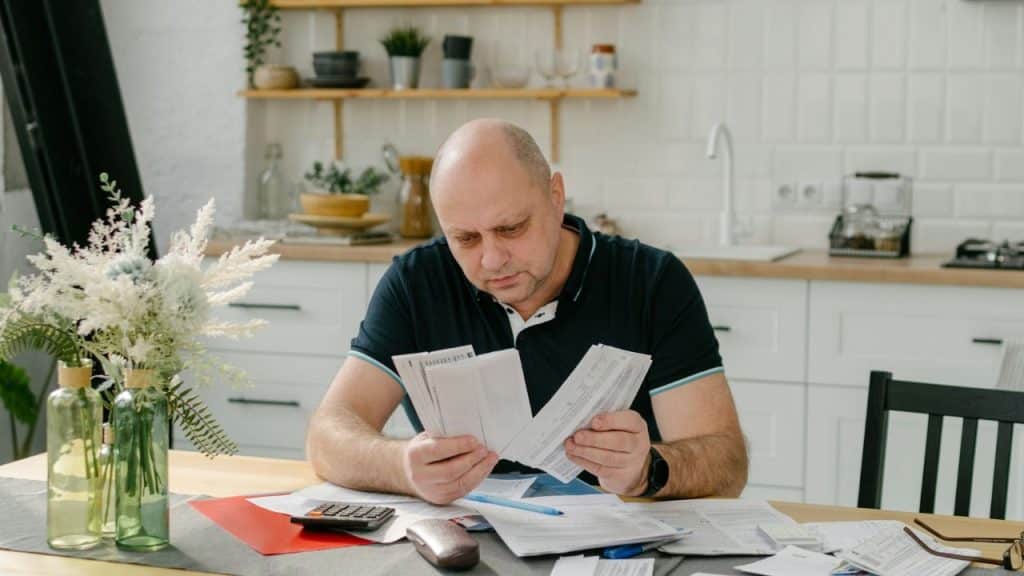
When work or finances feel off, it hits hard. But tying your entire worth to your income or title builds resentment toward yourself and her. That insecurity shows up in passive jabs, cold distance, or frustration. You don’t need to be perfect; you need to be honest. She wants partnership, not perfection.
Fearing Emotional Intimacy

Being vulnerable isn’t soft; it’s strong. If you were taught to “man up” and bottle everything, opening up probably feels uncomfortable. But staying emotionally closed off leaves your marriage stuck in a surface-level connection. You can’t build trust if you won’t open the door. Real strength is being seen and not running from it.
Overcompensating With Gifts or Money

Buying things isn’t the same as showing up emotionally. If you’re throwing money at the relationship every time there’s tension, it becomes a band-aid, not a fix. Gifts are nice—but they can’t replace presence, honesty, or affection. If you’re using them to avoid deeper issues, they lose meaning. She wants you, not your wallet.
Being Afraid She’ll Leave You

Fear of being left often turns into control. Whether it’s checking in constantly, getting overly clingy, or trying to manage her choices, it becomes suffocating. Even if you don’t mean to, it feels like manipulation. A healthy relationship isn’t built on fear; it’s built on freedom. If you hold on too tight, you’ll push her away.
Taking Her Independence Personally

Her hobbies, goals, or alone time aren’t an attack. If you treat her independence like rejection, it sends the message that her happiness threatens yours. That’s a heavy burden to carry. Your self-worth can’t hang on how involved she is every second. A strong marriage is two whole people choosing each other, not one constantly shrinking to keep the other secure.
Avoiding Conflict to Keep the Peace

Peace doesn’t mean silence—it means resolution. Avoiding tough conversations might feel like keeping things calm, but it actually builds emotional distance. Resentment piles up quietly when issues get buried instead of being faced. Real connection comes from facing the hard stuff together. You’re not keeping peace—you’re avoiding depth.








Ask Me Anything