
Most people figure their home is a safe zone, right? You close the door, kick off your shoes, and boom, no worries. But some everyday items around the house are hiding a nasty secret most people aren’t aware of, and these are carcinogens.
Carcinogens are substances that can increase the risk of cancer over time. They can damage cells, mess with DNA, and cause changes that may lead to disease. Once you know where these hazards like to hide, you can make better choices with the items you use at home. Here are 15 everyday items you should definitely reconsider using.
1. Fabric sprays

That sweet “lavender” scent in your living room might not be coming from anything you’d want in your lungs. A lot of fabric sprays rely on synthetic fragrances that can release volatile organic compounds, or VOCs. These are known to hang around in the air and make their way into your body without asking for permission.
People often notice they feel a little off after using them for a while, headaches, a scratchy throat, maybe even feeling tired. The thing is, you could be breathing those chemicals daily.
2. Nonstick cookware

Eggs sliding off the pan with zero effort feels magical. But those nonstick coatings? They often use chemicals called PFAS, which have been linked to cancer and other health issues. These coatings can start breaking down under high heat, and that’s when the problem really begins.
Over time, the release of those particles and fumes can build up in your body. Even if you’re careful, normal wear and tear can expose you to them. Alternatives like stainless steel or cast iron can give you that same easy cooking vibe without the chemical baggage.
3. Canned foods
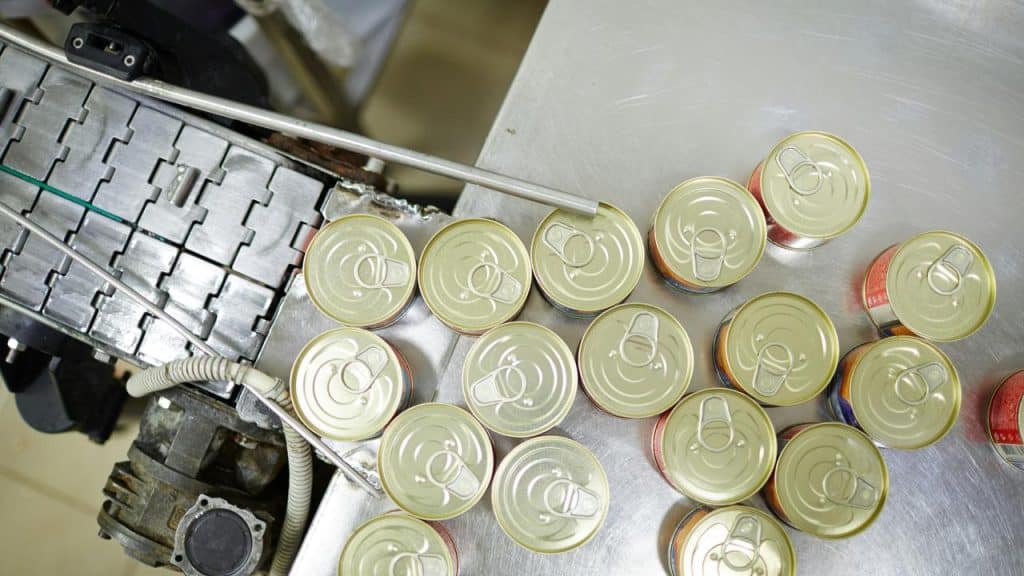
Cracking open a can of soup is pure convenience, especially on a cold night. But the linings of many cans still contain BPA, a chemical that can leach into your food. BPA has been tied to certain cancers and hormone disruption. Heating the can contents can make it worse.
Plenty of companies claim to be “BPA-free” now, but that often means they’re using similar chemicals with less research behind them. Glass jars or frozen foods can help you sidestep the whole mess altogether.
4. Dry-cleaned clothes

You pick up your clothes, they smell “fresh” in that chemical way, and you hang them up, thinking all is well. The problem is, traditional dry cleaning uses perchloroethylene (or perc) for short, a known carcinogen. Even after your clothes are home, they can keep releasing those fumes.
If you notice that headache or dizziness after opening the garment bag, that’s your body waving a flag. Airing them out before wearing helps, or finding a cleaner that uses alternative methods can cut your exposure.
5. Plastic food containers

Stacked neatly in the cabinet, those plastic containers seem harmless. But when they’re made with certain plastics, especially older ones, they can leach chemicals like BPA or phthalates into your food, especially when heated.
Microwaving food in them, storing acidic items like tomato sauce, or using them after they’ve scratched up can all increase the risk. Switching to glass or stainless steel storage makes the problem pretty much disappear.
6. Processed meats

Cold cuts, sausages, bacon. They’re a quick snack or breakfast staple for a lot of people. But processed meats often contain nitrates and nitrites, which can form cancer-causing compounds during cooking. They’ve been linked to higher risks of colorectal cancer.
Cutting down on how often you eat them can help. Fresh meats or plant-based proteins can still give you flavor without the chemical side effects.
7. Scented candles
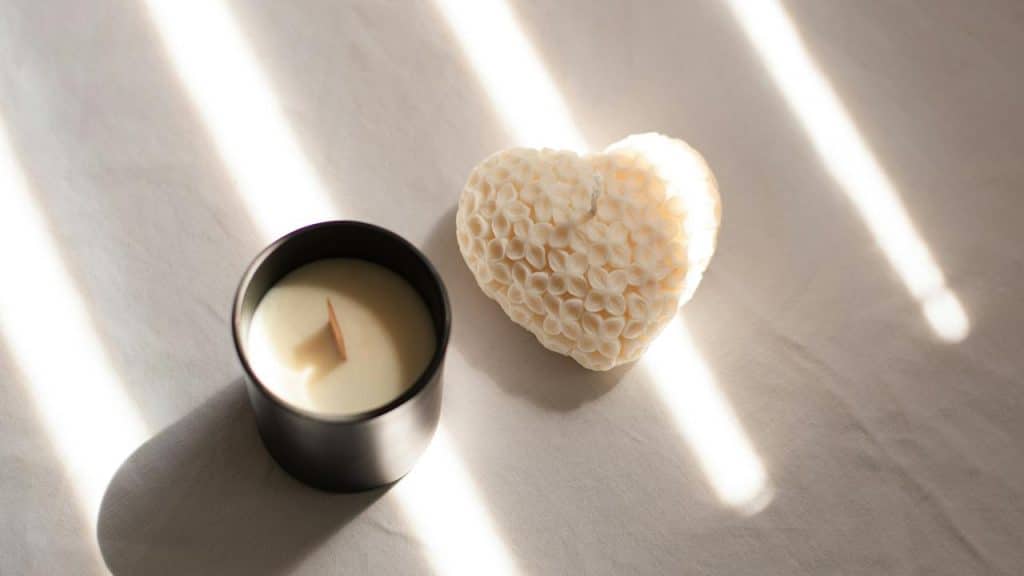
Lighting a candle can change the whole mood of a room. But when that candle contains paraffin wax and synthetic fragrances, it’s basically releasing tiny amounts of potentially harmful chemicals into the air while it burns.
Those cozy vibes can come with side effects like respiratory irritation, especially if you’re using them often in closed spaces. Candles made from beeswax or soy with natural scents can be a better choice.
8. Carpeting
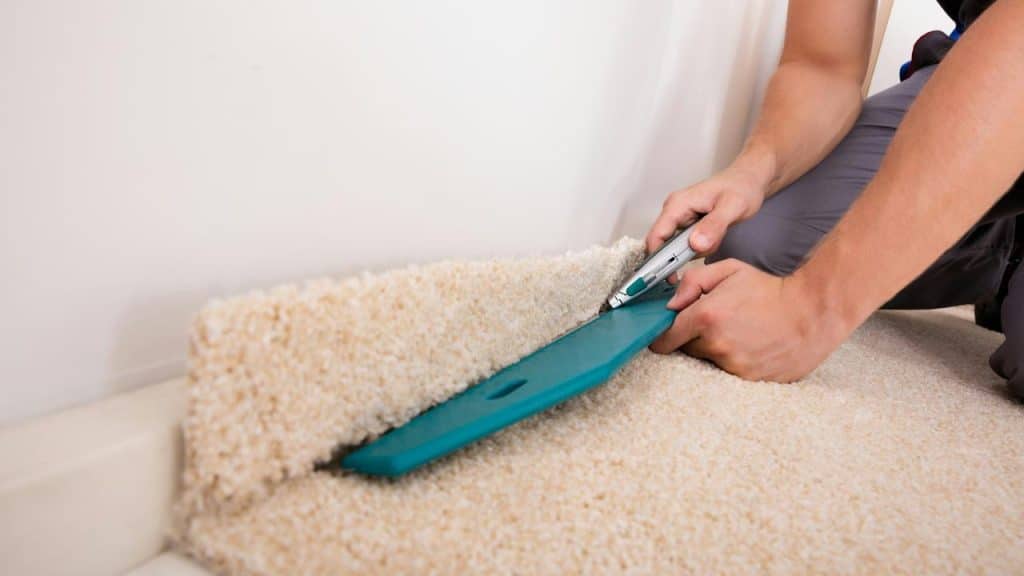
Wall-to-wall carpeting feels soft underfoot, but the materials and adhesives used to install it can release VOCs for years. Some also contain stain-resistant treatments that rely on the same PFAS chemicals found in nonstick pans.
Vacuuming helps reduce dust-bound chemicals, but even so, carpets can hold onto pollutants and allergens long after that “new carpet smell” fades. Area rugs and hard flooring are easier to keep clean and chemical-free.
9. Personal care products
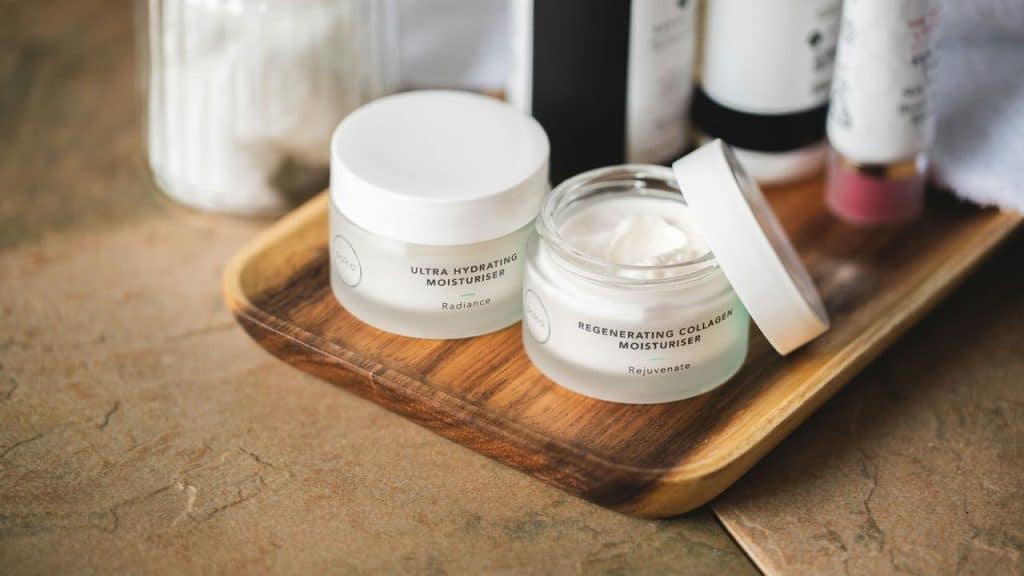
Shampoos, lotions, and deodorants can contain parabens, formaldehyde-releasing preservatives, and artificial fragrances. All of these have raised red flags in cancer research. Your skin absorbs a lot more than most people think.
Checking labels for shorter ingredient lists or looking for items with plant-based components can reduce your daily exposure. It’s a simple swap that adds up over time.
10. Cleaning products
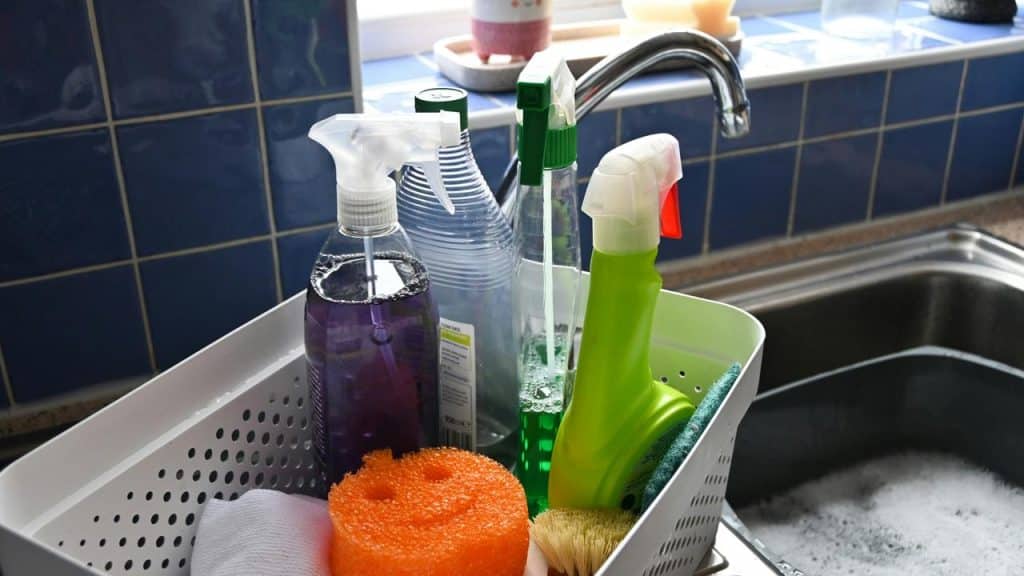
A powerful cleaner can feel satisfying like you’re blasting the germs into oblivion. But many cleaning sprays and solutions release VOCs and other toxic compounds. Using them without proper ventilation makes the problem worse.
Overuse of chemical cleaners can also irritate your skin and respiratory system. Natural alternatives like vinegar or baking soda aren’t just old-fashioned. They’re also safer for regular use.
11. Laundry detergents
Some detergents load up on synthetic fragrances and optical brighteners that can cause skin irritation and have questionable long-term effects. You might notice your skin reacting without connecting it back to your clothes.
Switching to fragrance-free or plant-based detergents is an easy way to cut down on unnecessary chemical exposure while keeping your laundry clean.
12. Hair dyes
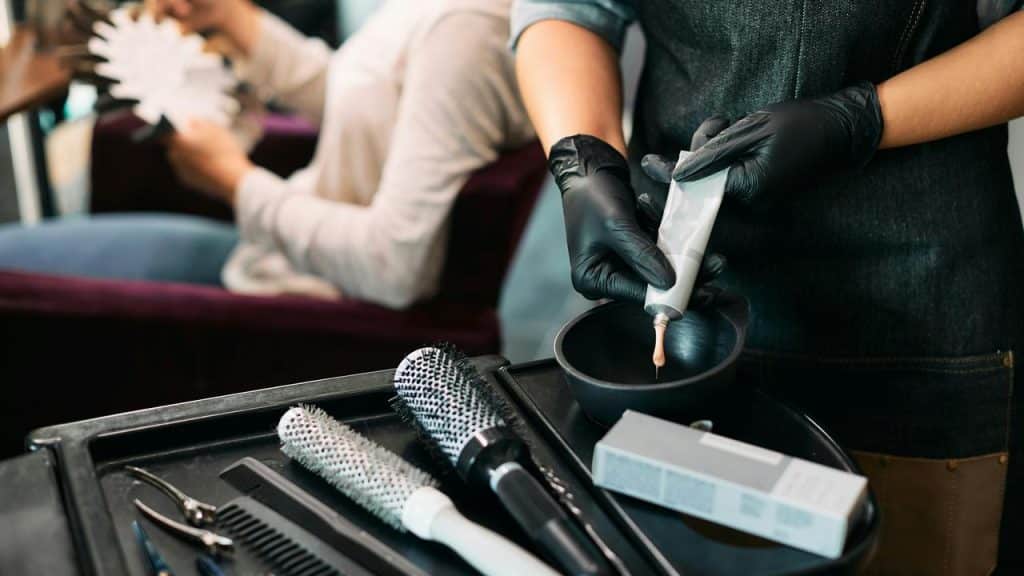
Many hair dyes contain chemicals like aromatic amines that have been linked to cancer risk. Darker shades often require stronger formulas, which can mean higher exposure.
Wearing gloves during application, ensuring good ventilation, and reducing how often you dye your hair can help minimize potential harm. Plant-based or natural dyes can also offer a safer alternative.
13. Sunscreens
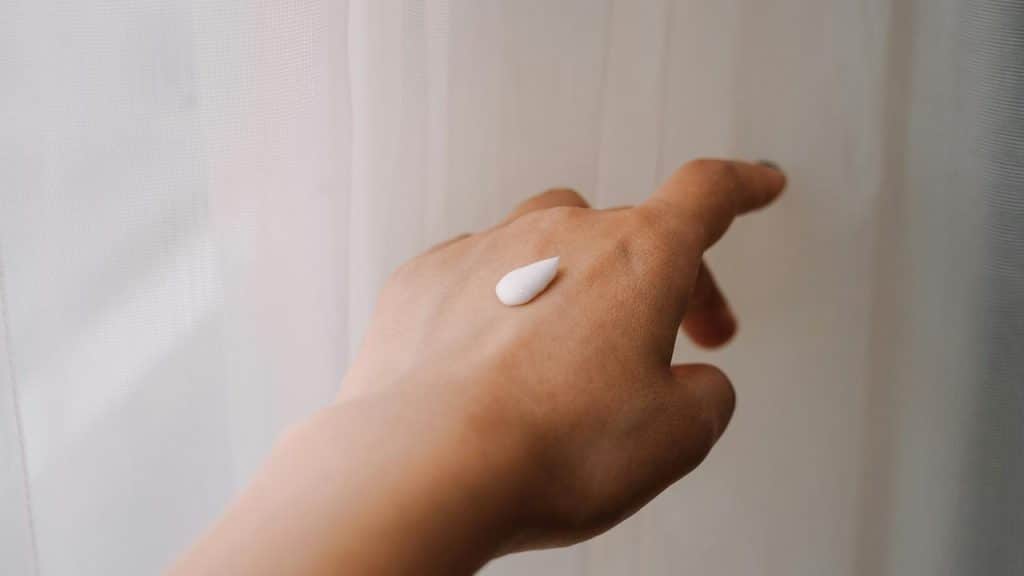
Sunscreen is important for preventing skin cancer, but some chemical sunscreens use ingredients like oxybenzone that can penetrate the skin and disrupt hormones. There’s debate about the safety of these ingredients when used long-term.
Mineral-based sunscreens with zinc oxide or titanium dioxide work differently and tend to have a safer profile. They might leave a little white cast, but that’s a small trade-off for peace of mind.
14. Paint
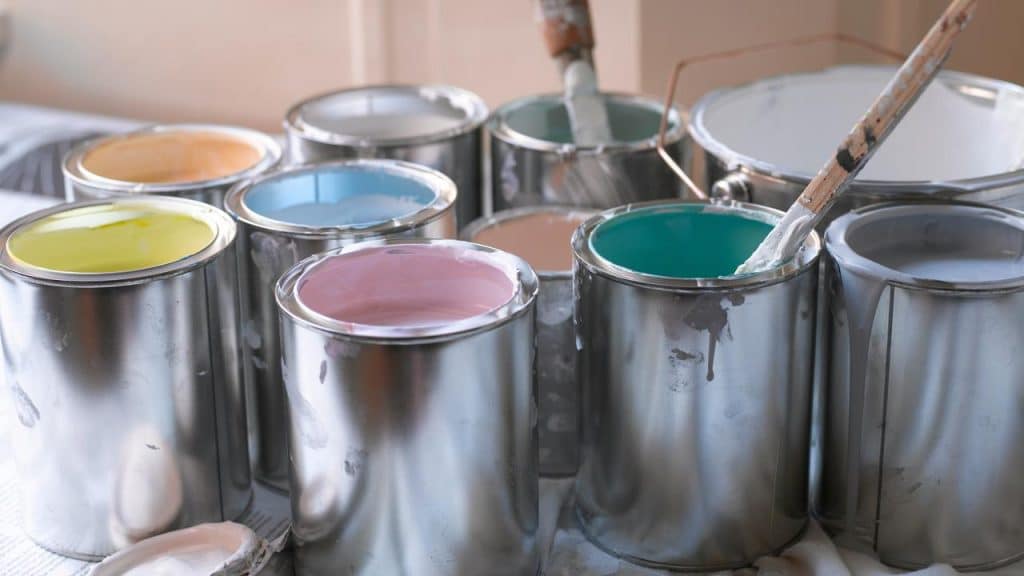
That fresh coat of paint on your kitchen drywall looks great, right? Little do people know that many paints still contain VOCs that continue to release into the air long after the walls are dry. Prolonged exposure has been tied to several health risks, including lung cancer.
Low-VOC or VOC-free paints are becoming easier to find and can help keep indoor air cleaner. Proper ventilation during and after painting is key.
15. Tap water from old pipes
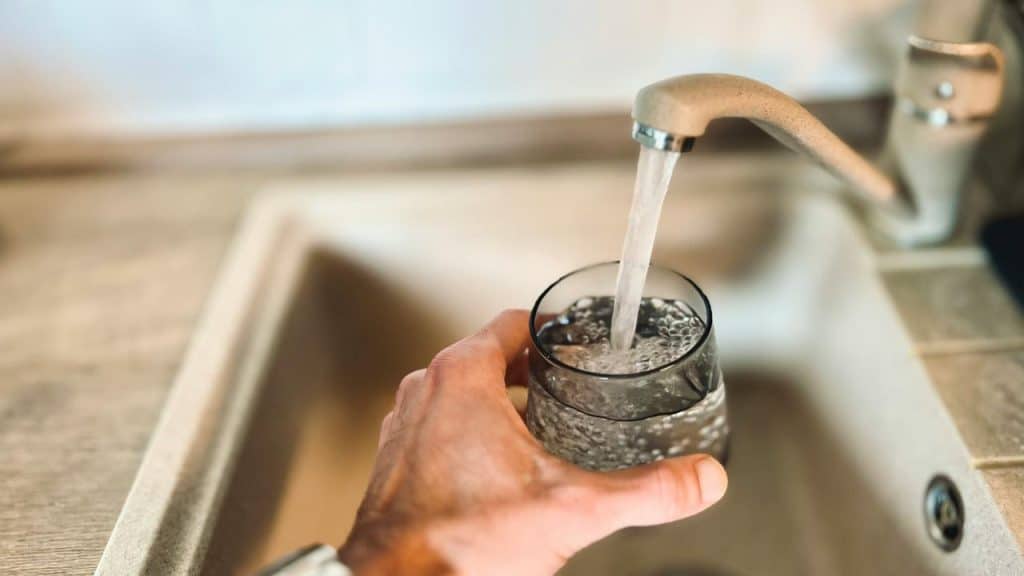
Water itself isn’t the problem, but when it travels through aging plumbing systems, it can pick up contaminants like lead or traces of industrial chemicals. Some of these substances have been connected to cancer risks after long-term exposure.
A certified water filter can remove many of these impurities, and letting the tap run briefly before filling a glass helps flush out stagnant water. These steps keep you hydrated without as much unwanted contamination.








Ask Me Anything