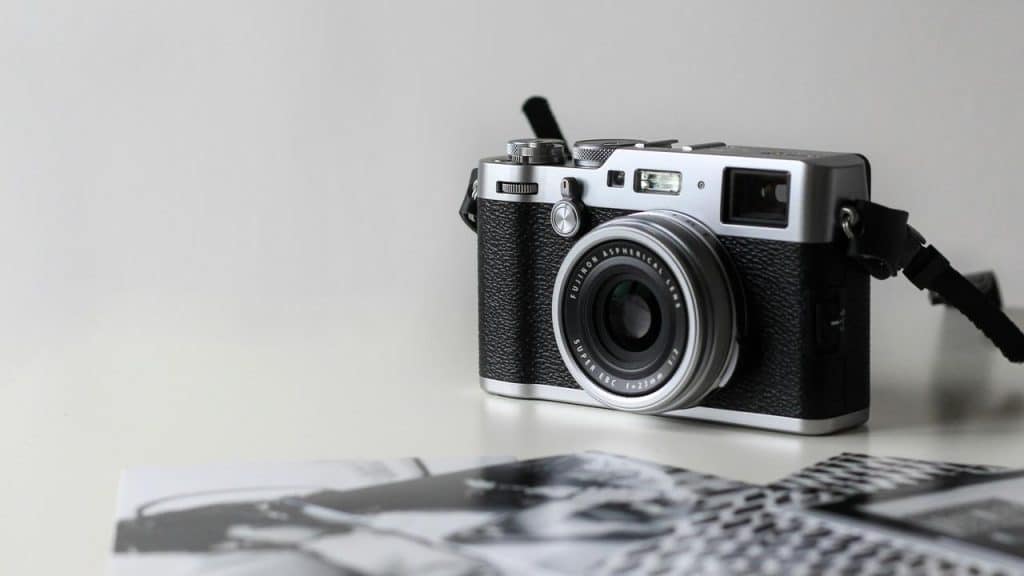
Some stuff you use every day has a past that could fill a war museum. You might be sipping coffee, checking your GPS, or wearing your favorite shades without realizing they started out as tools meant for soldiers. A lot of inventions had their first life on the front lines before finding their way into kitchens, garages, and backyards.
What makes this even more interesting is how normal these things feel now. They’ve gone from saving lives in battle to making life easier in ways we barely think about. These 16 everyday items might seem ordinary at first, but in reality, they were born for a different purpose.
1. Microwave ovens
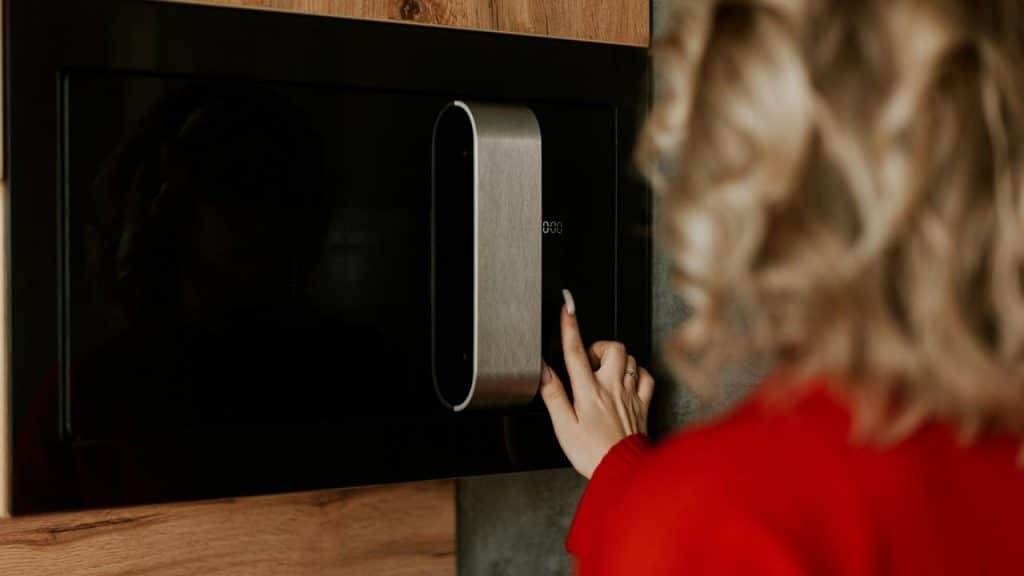
Back in the days of World War II, radar research was a huge deal. Scientists working with high-powered magnetrons noticed something odd when a chocolate bar in a pocket melted from the waves. That little accident sparked the idea that microwaves could heat food, not just guide aircraft.
Now you’ve got a box on the counter that can reheat leftovers in seconds. No battlefield in sight, but still using the same science meant for war.
2. Duct tape

A factory-made miracle came out of the 1940s when the military needed a waterproof tape to seal ammo boxes and handle quick gear repairs. Soldiers swore by it because it stuck to almost anything and could survive nasty weather.
These days, you’ve probably used it to fix a hose, patch up a backpack, or hold together something you should’ve replaced months ago.
3. GPS
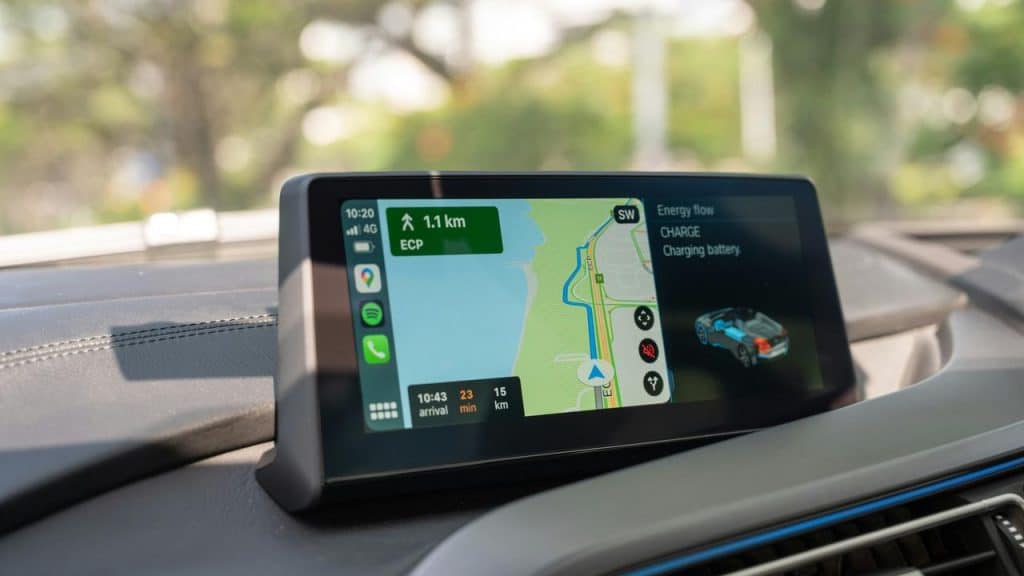
Long before it was helping you find the nearest burger joint, GPS was a United States military project for tracking submarines, aircraft, and missiles. It started going up in the late 70s with satellites that could pinpoint positions anywhere on Earth.
Now it’s in your phone, your car, and even your watch, doing the same thing it was made to do for soldiers, only without the stress of enemy fire.
4. Aviator sunglasses
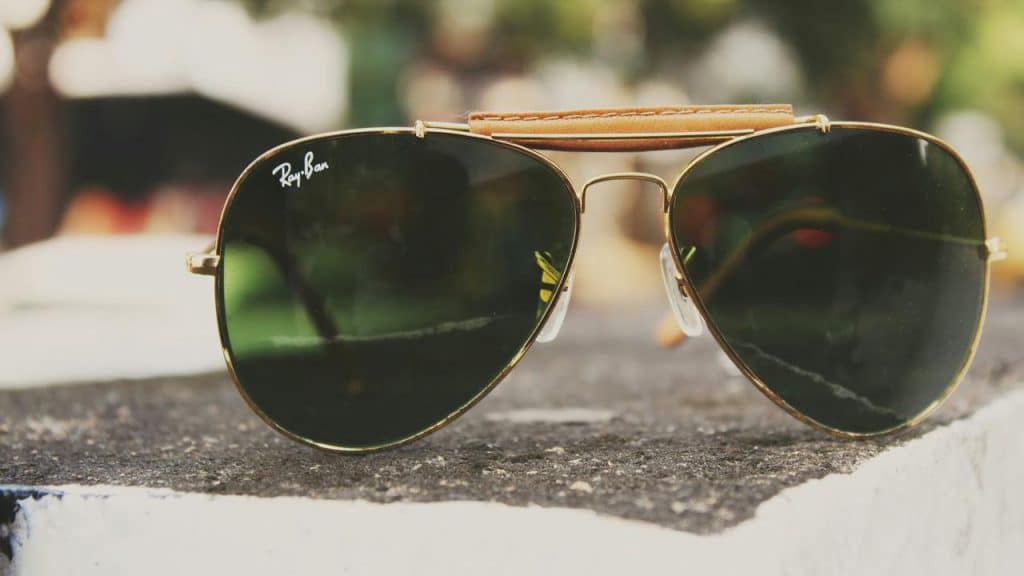
Pilots in the 1930s had a problem with glare and eye strain at high altitudes. So military issued sunglasses with large teardrop lenses were made to keep them sharp and focused during flights.
These days, they’re as much a fashion statement as they were a piece of gear, showing up on beaches, city streets, and the dashboards of convertibles.
5. Canned food
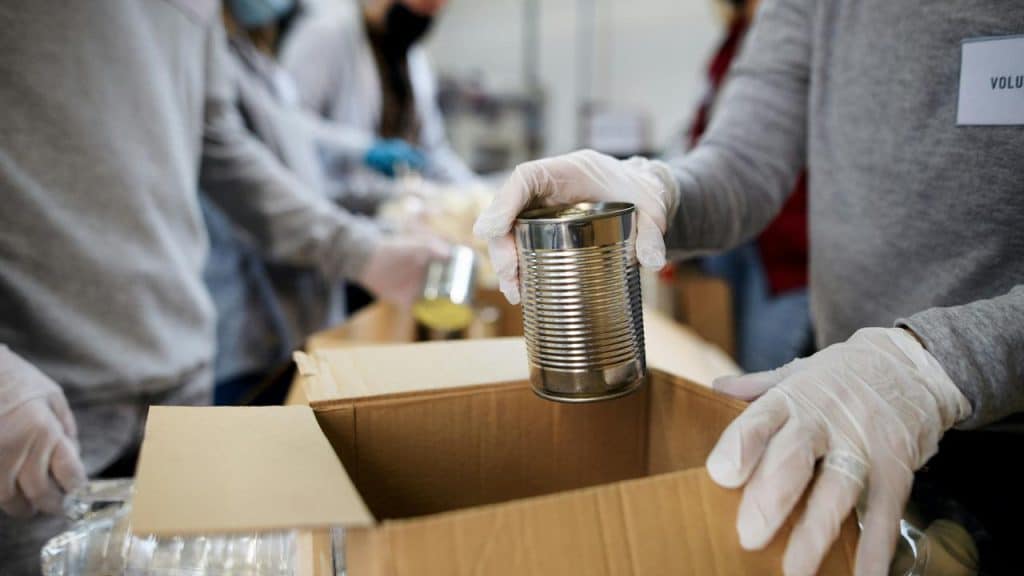
Napoleon needed a way to feed troops on long campaigns without food spoiling. That led to the first canned meals, which kept soldiers fueled through rough terrain and months-long marches.
Now you open a can of soup or tuna without thinking twice about the fact that the idea was born out of war strategy.
6. Internet
Before it became the place for streaming shows and reading listicles like this, the internet started as ARPANET, a military communications network in the late 1960s. It was meant to stay functional even if parts of it were damaged during the conflict.
Now it’s the backbone of daily life, connecting everything from banking to video calls with friends.
7. Cargo pants
©Mike Jones/Pexels.com
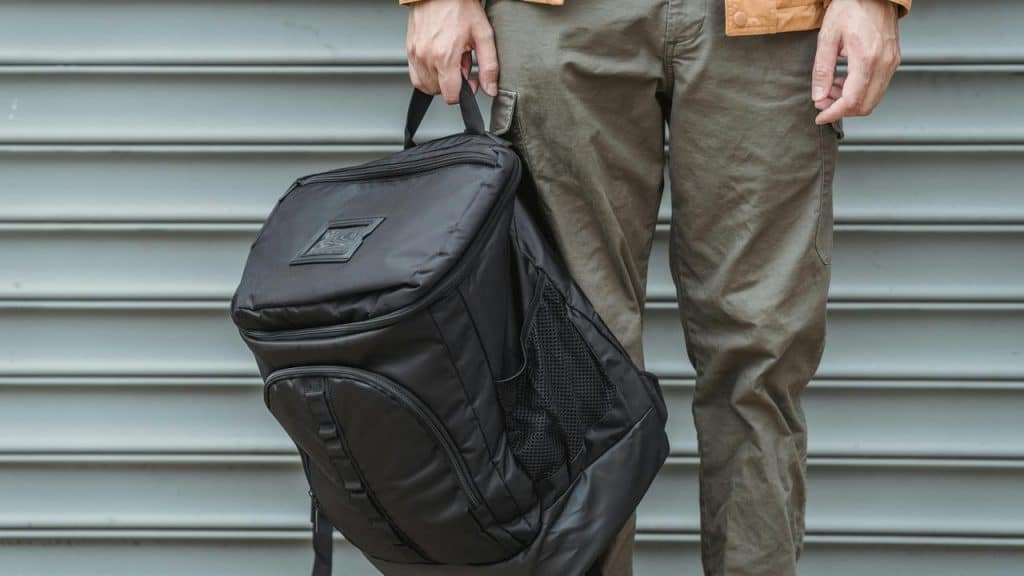
Extra pockets weren’t just a style choice. Military paratroopers in the 1930s needed spots to stash maps, ammo, and small tools, so cargo pants were born.
Now they’re weekend wear, perfect for carrying your phone, wallet, and maybe a snack or two.
8. Wristwatches
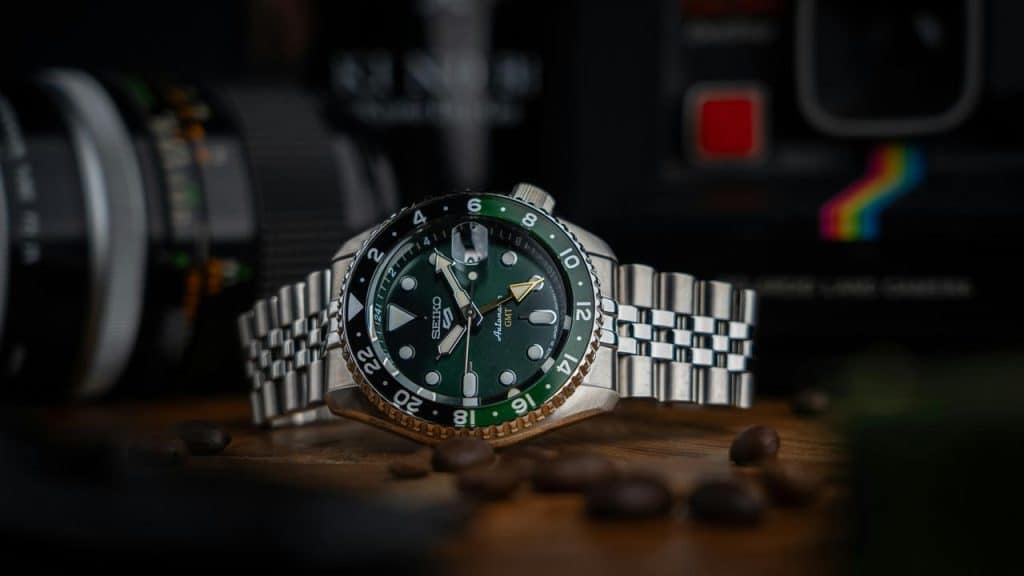
During World War I, soldiers needed to keep track of time without fumbling for pocket watches. Strapping them to the wrist turned out to be faster and far more practical in the trenches.
Fast forward a century, and wristwatches are still here, some digital, some smart, some still ticking the old-fashioned way.
9. Synthetic rubber
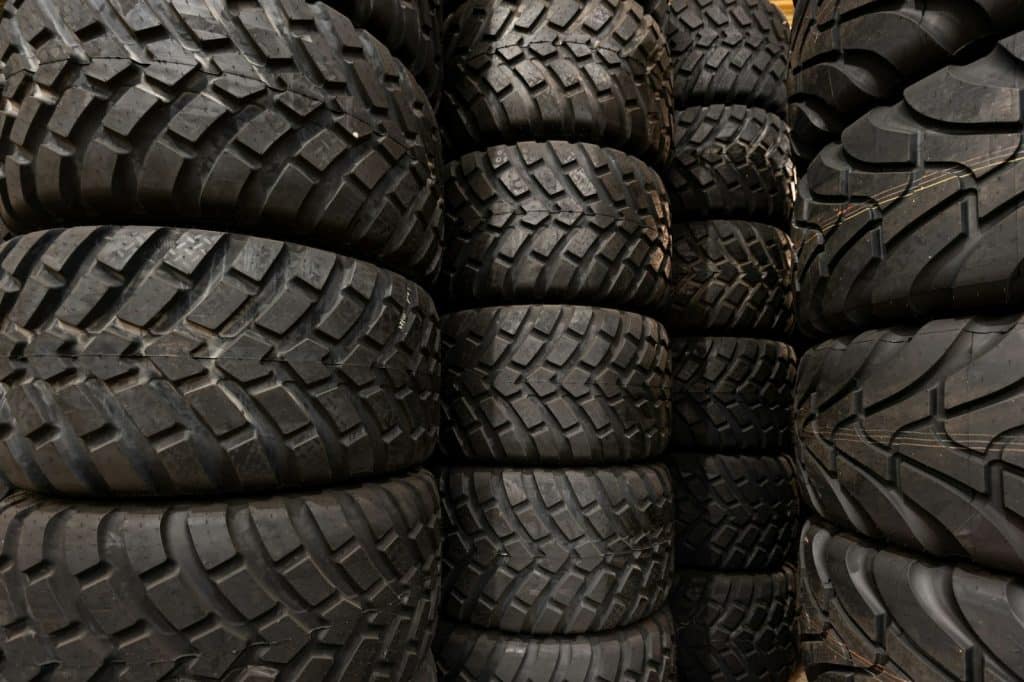
World War II caused a shortage when Japan cut off natural rubber supplies and forced chemists to come up with synthetic rubber to make gas masks, rain coats, and other military equipment.
Now it’s ubiquitous, from your car tires to the soles of your running shoes, still doing heavy-duty work without anyone thinking about its wartime roots.
10. Penicillin mass production
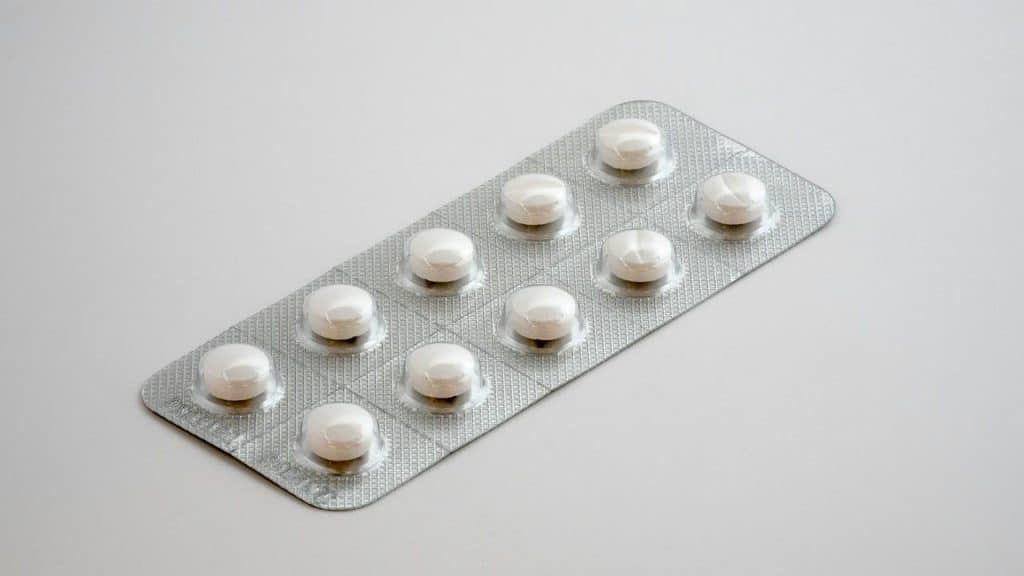
Penicillin existed before the war, but large-scale production didn’t happen until World War II made it a priority. It became a lifesaver on the battlefield, fighting infections that once would’ve been fatal.
Now, antibiotics are standard in medicine cabinets, but they owe their accessibility to that wartime push.
11. Jeep
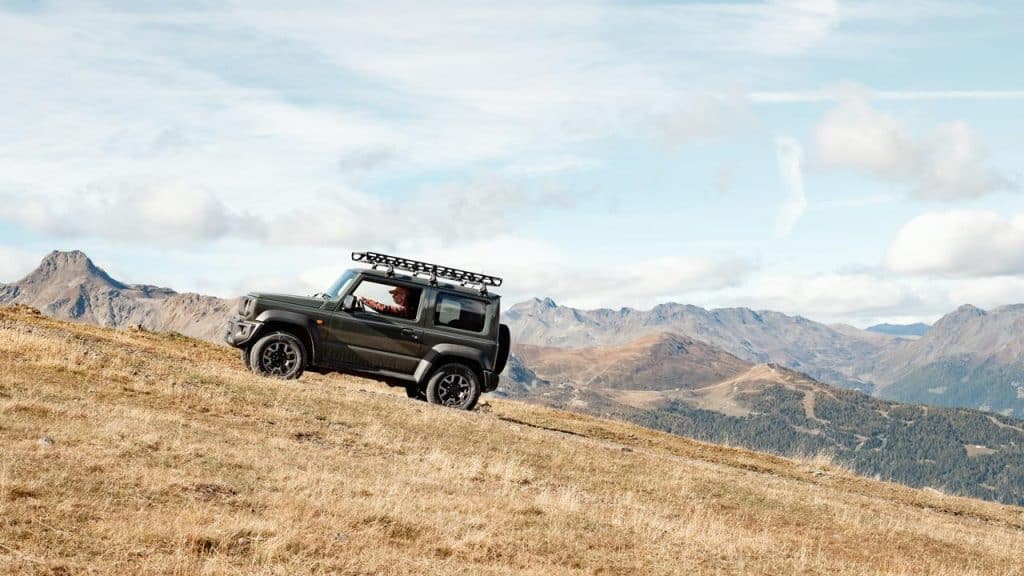
When the United States Army needed a rugged vehicle in World War II, manufacturers answered with the original Jeep. It could handle mud, snow, and rocky terrain without quitting.
Now it’s a favorite for off-road adventures, road trips, and maybe even the commute to work.
12. Digital cameras
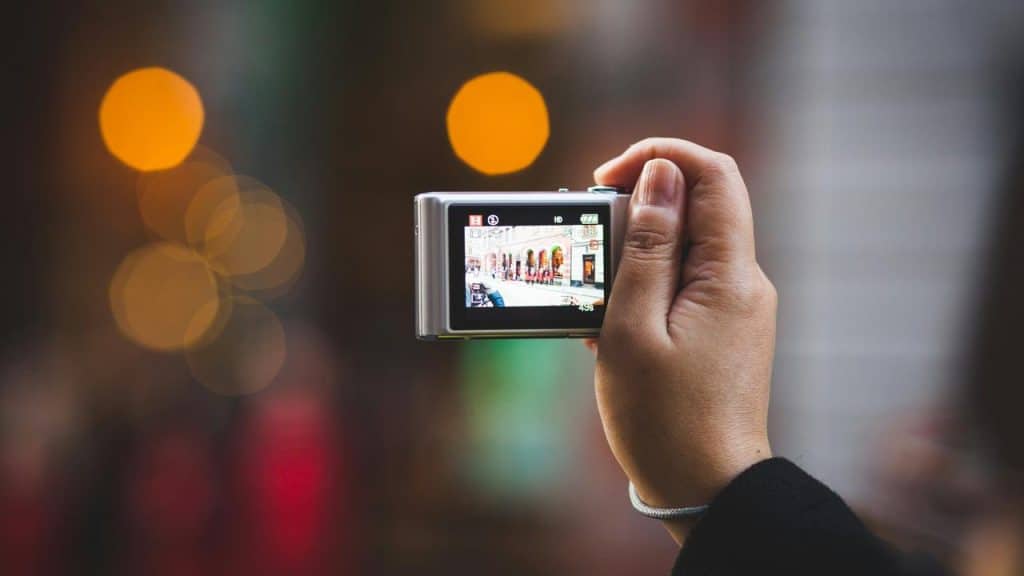
The first charge-coupled devices and those sensors inside cameras came from military reconnaissance satellites. The goal was to capture detailed images from high above without being detected.
Now they’re in smartphones, snapping brunch photos instead of enemy territory.
13. Freeze-dried coffee
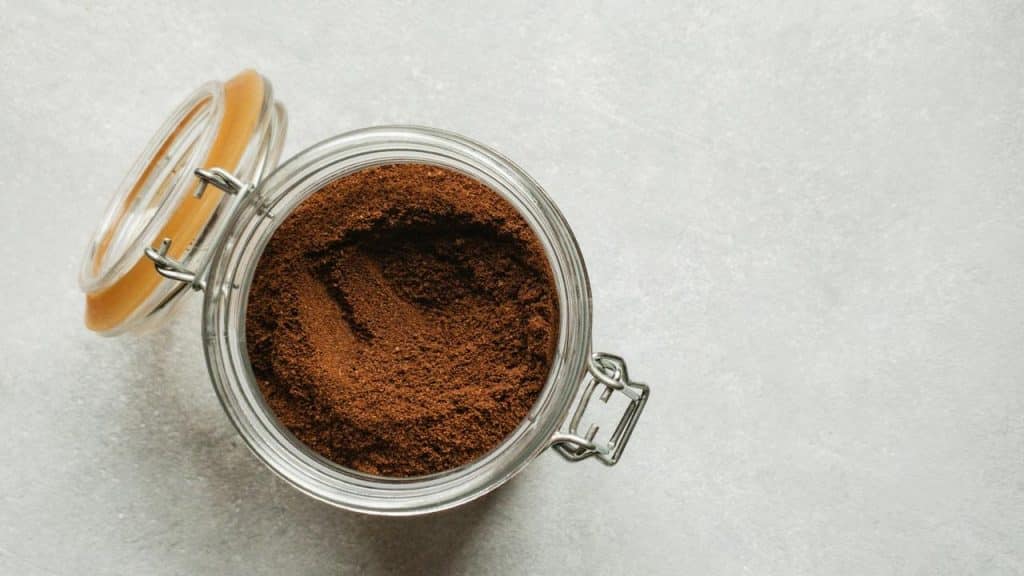
Troops in World War II needed caffeine that could survive travel and be ready instantly. Freeze-drying coffee made it lightweight, long lasting, and easy to prepare anywhere.
Now it’s in kitchen cupboards and camping gear, ready to go when mornings get busy.
14. Super glue
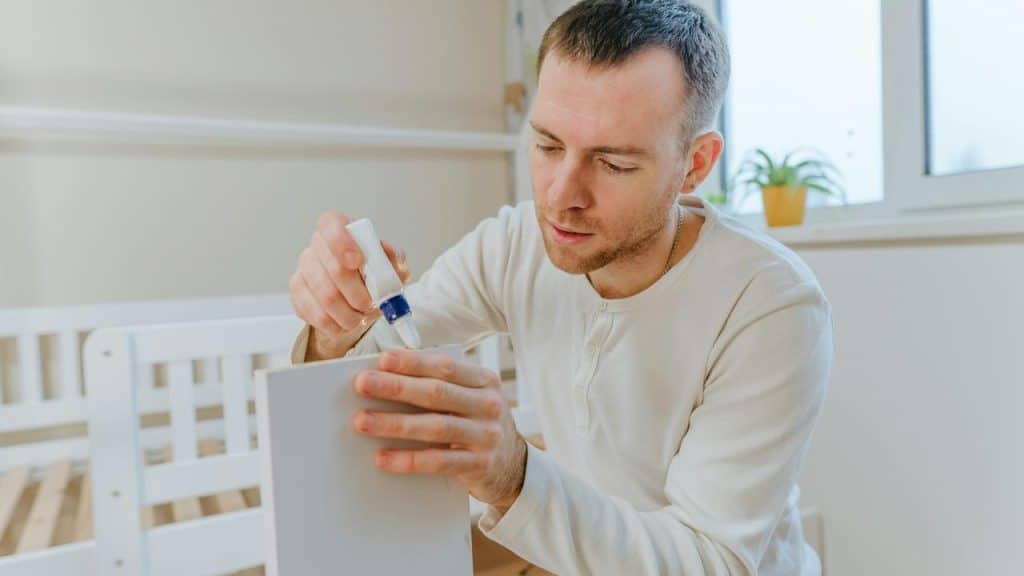
While working on materials for clear plastic gun sights in 1942, scientists came across a strong adhesive that stuck to almost everything. The military tested it for closing wounds in Vietnam.
Now it’s a household go-to for fixing broken mugs and loose soles.
15. EpiPens
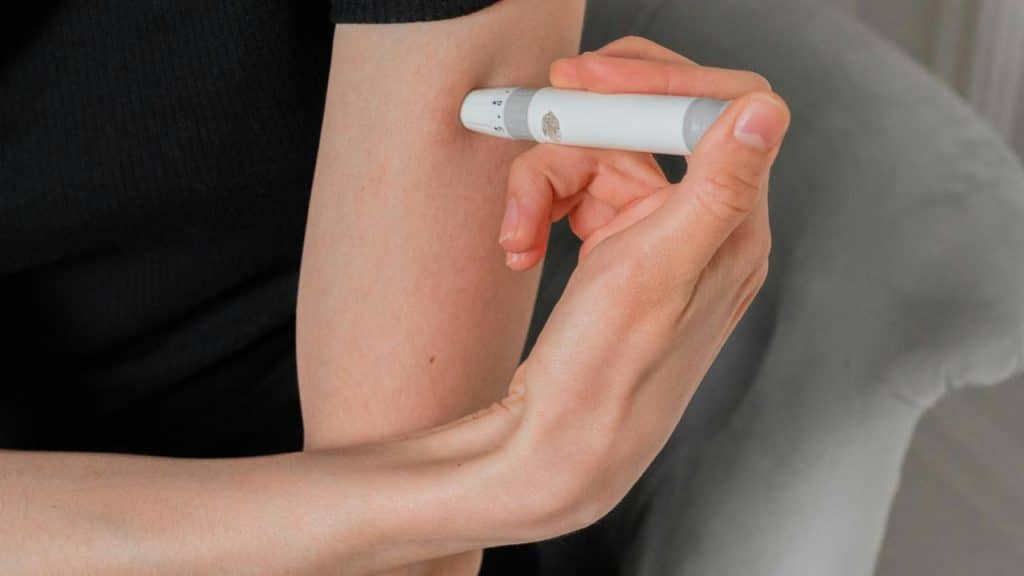
The modern EpiPen design came from a military auto injector meant to deliver antidotes for nerve agents in the 1970s. Its simple push-and-shoot mechanism was built for emergencies.
Now it’s a lifesaving tool for severe allergies, carried in backpacks and purses instead of military kits.
16. Drones
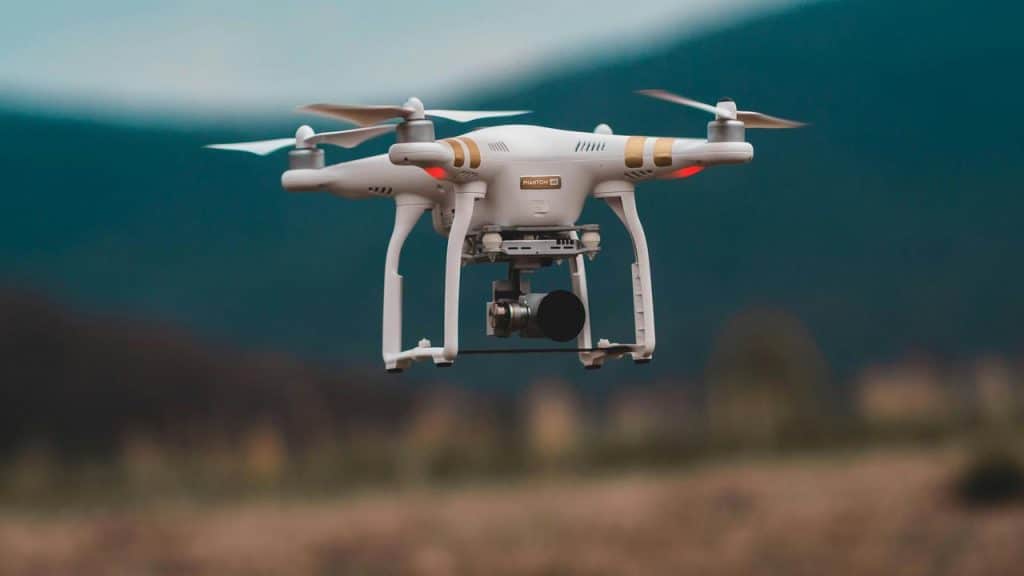
Early unmanned aerial vehicles were used in reconnaissance missions during the world wars. They let the military gather intelligence without risking pilots.
Now,
drones film weddings, deliver packages, and race through obstacle courses, far from their original purpose.








Ask Me Anything