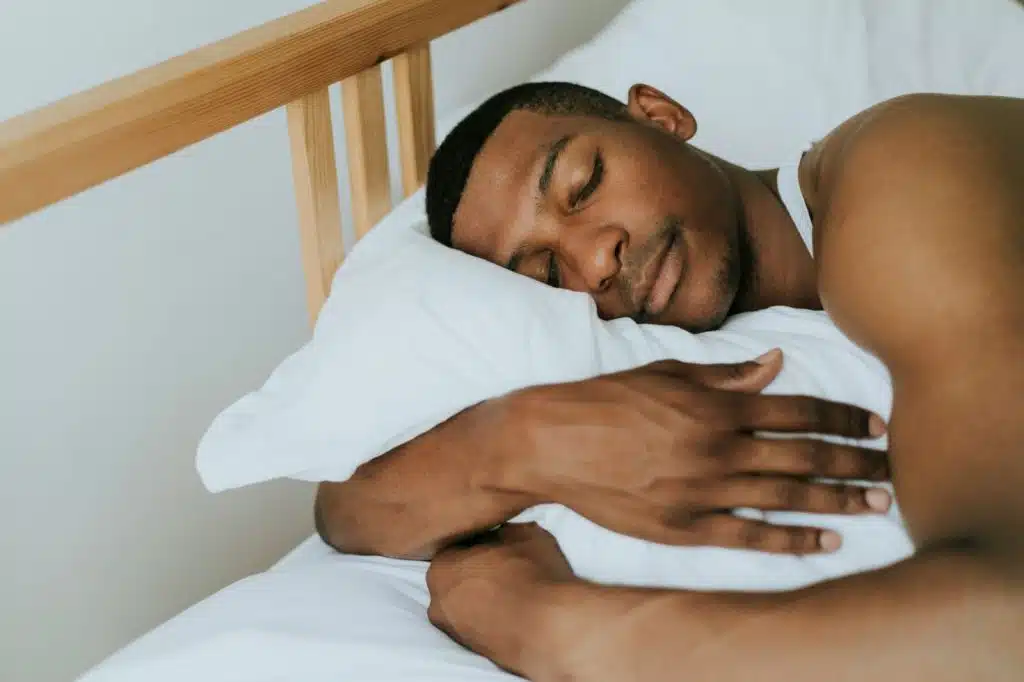
In the age of quick fixes and viral sleep advice, it’s easy to fall for hacks that sound helpful but actually hurt. Sleep isn’t just about quantity, it’s about quality, timing, and consistency. Many well-meaning habits can secretly sabotage your rest, leaving you more tired despite getting the hours in. As men age, especially past 30 or 40, poor sleep can impact metabolism, focus, and heart health. These 18 habits may seem smart, but they’re often doing more harm than good.
Scrolling as a Way to “Wind Down”
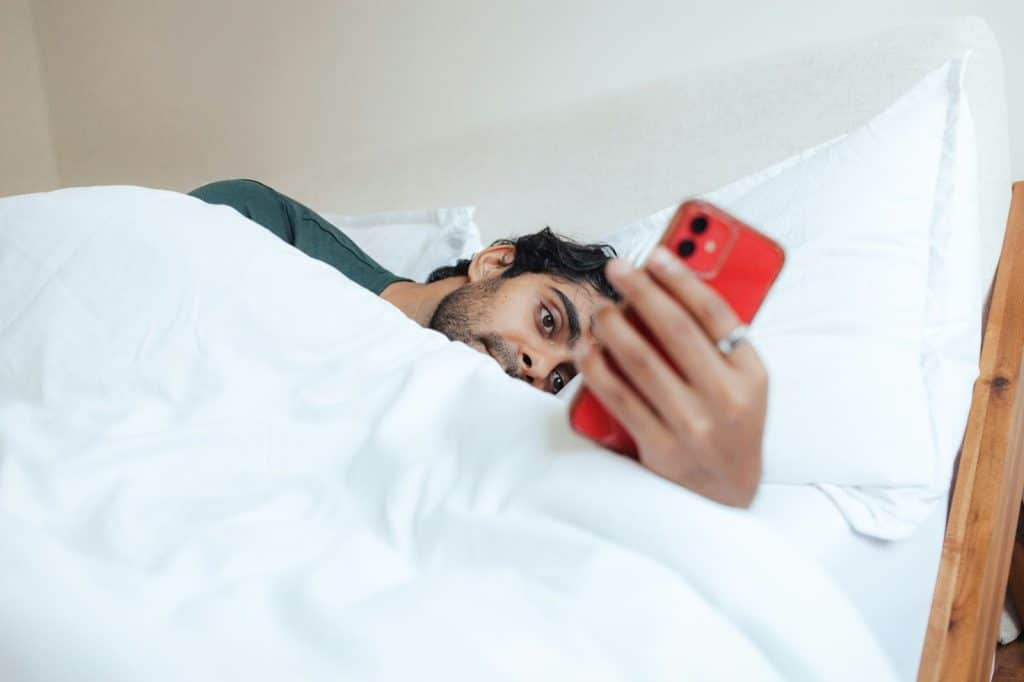
Using your phone in bed may feel like harmless downtime, but blue light disrupts melatonin production. That one last video or late-night scroll session keeps your brain stimulated. Even passive content can trigger anxiety or distraction. It delays sleep onset and shortens deep sleep cycles. A “digital detox” an hour before bed helps far more than a feed scroll.
Drinking Alcohol to Fall Asleep Faster

A nightcap might knock you out quickly, but it wrecks sleep architecture. Alcohol suppresses REM sleep, the stage critical for memory and recovery. It also leads to early waking and dehydration. What feels like deeper sleep early on often results in restlessness later in the night. Long-term, it disrupts your natural rhythm.
Overusing Melatonin Supplements
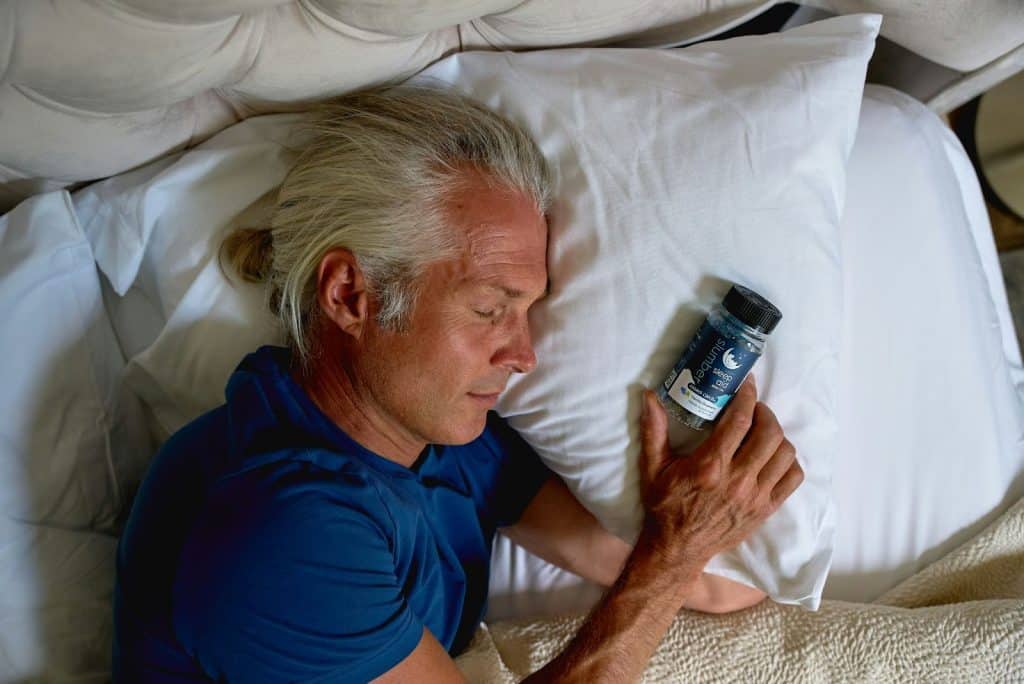
Melatonin isn’t a sleeping pill, it’s a hormone that helps regulate timing, not depth. Taking too much or using it nightly can actually confuse your circadian rhythm. Overreliance may make it harder for your body to produce it naturally. It’s better used sparingly and with clear purpose, like adjusting to jet lag.
Exercising Late at Night
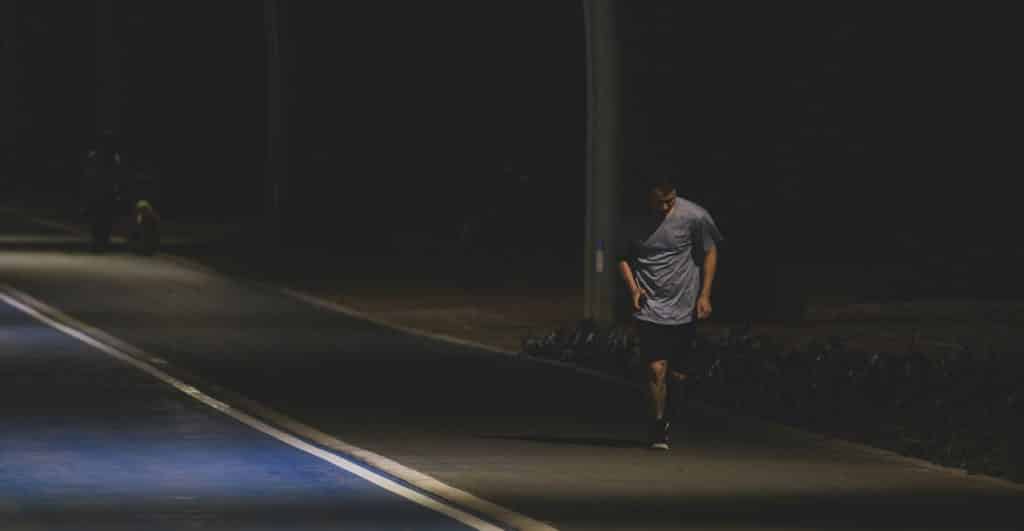
While working out is great for sleep, doing it too close to bedtime can backfire. Intense activity raises your heart rate, core temperature, and adrenaline, making it harder to relax. Your body needs time to cool down and shift into sleep mode. Aim to finish workouts at least 2–3 hours before bed.
Taking Long Naps During the Day
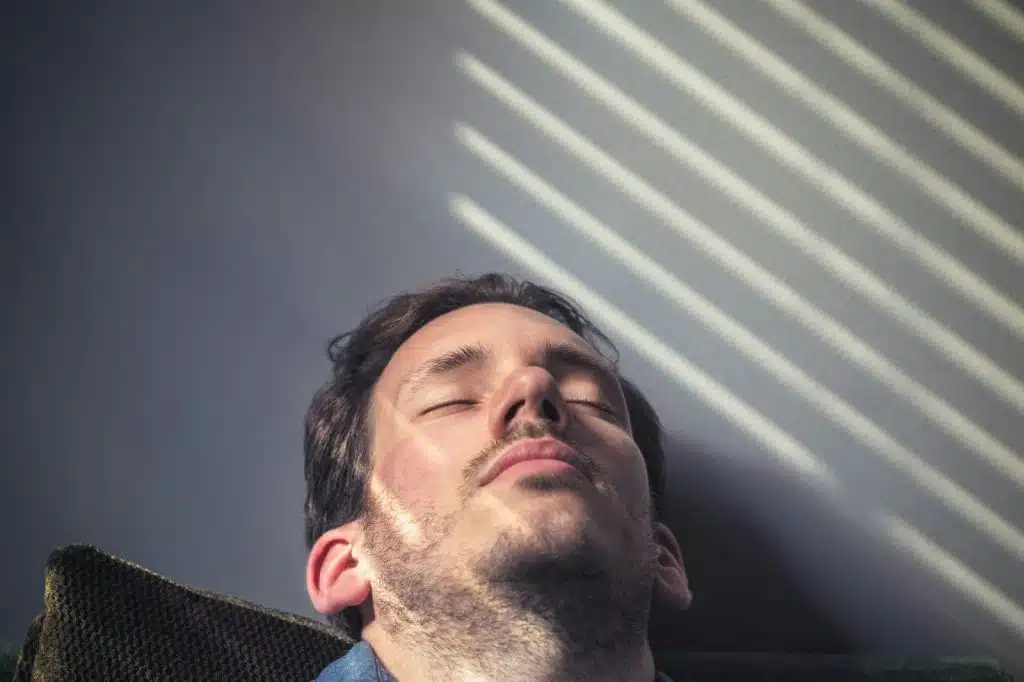
Power naps can help, but long naps can disrupt your sleep drive. Napping for more than 30–45 minutes resets your internal clock and makes it harder to fall asleep later. You wake up groggy and delay nighttime tiredness. Strategic napping works, but overdoing it throws your rhythm off balance.
Using Sleep Tracking Apps Obsessively

Tracking sleep can bring insight, but it can also cause “orthosomnia”, anxiety about sleep quality. When you start overanalyzing every cycle or rating, you may actually sleep worse. The stress of needing perfect sleep can create the opposite result. Take the data lightly, not as a nightly report card.
Keeping the Bedroom Ice Cold
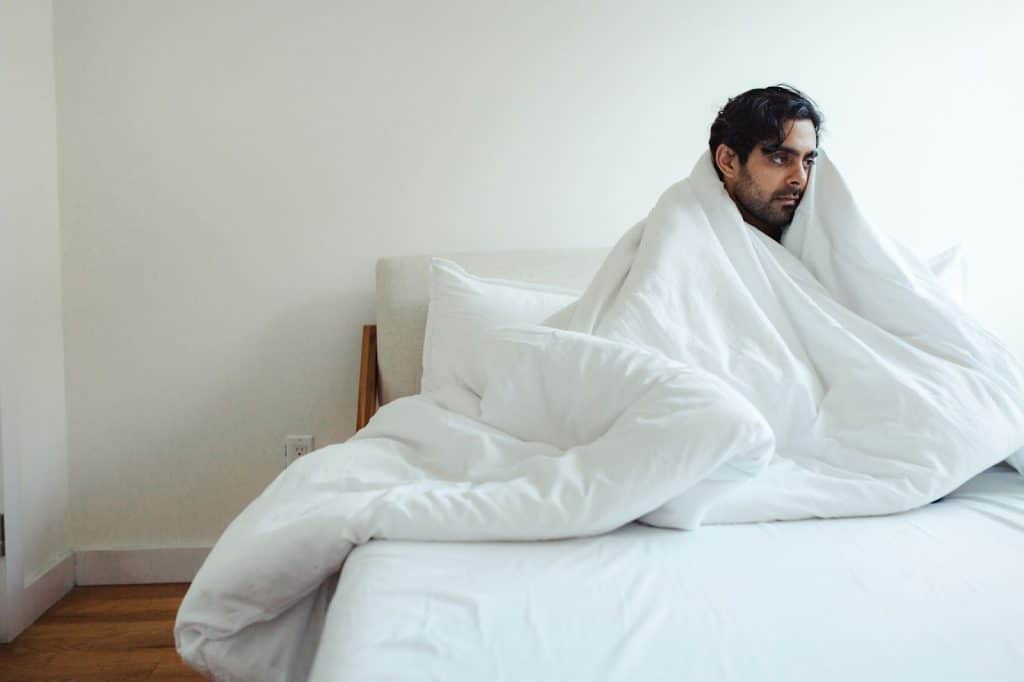
Cool temperatures help sleep, but too cold can disrupt it. Shivering or waking up to adjust blankets breaks sleep cycles. Your ideal sleep range is typically 60–67°F (15–19°C). Experiment to find a balance that supports rest without turning your bed into a freezer.
Drinking Herbal Tea Right Before Bed

Chamomile and other sleep teas are calming, but the liquid volume matters. Drinking too much right before bed leads to middle-of-the-night bathroom trips. That interrupts your deep sleep and can make you feel less rested. If you’re sipping tea, aim for at least 45 minutes before lights out.
Sleeping In to “Catch Up” on Weekends
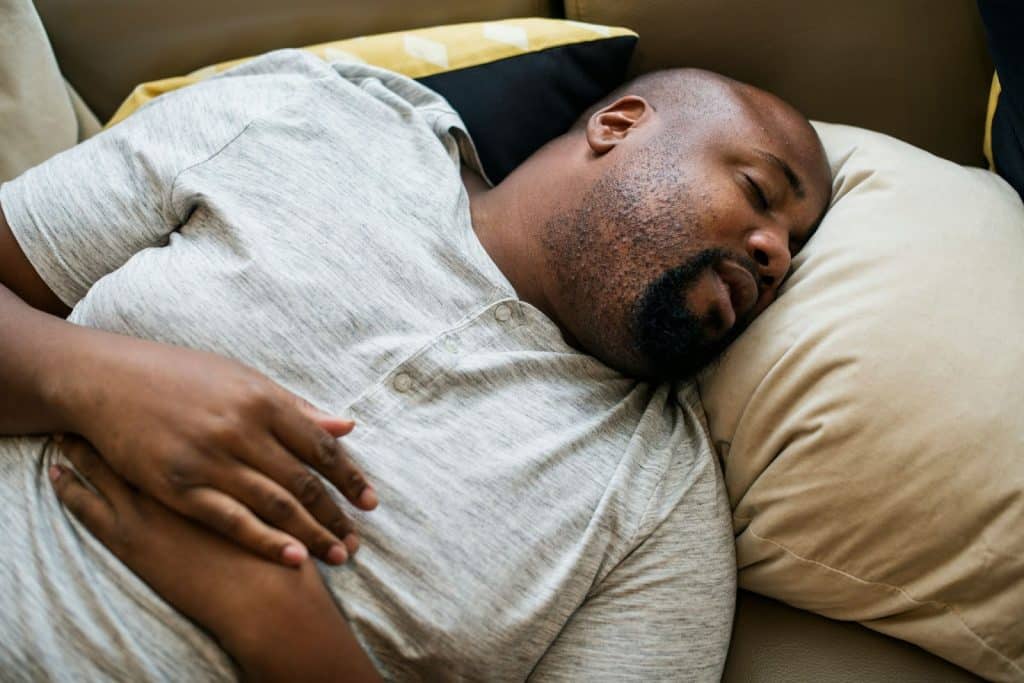
Trying to “make up” for lost sleep with long weekend sleep-ins disrupts your body clock. It creates social jet lag, making it harder to fall asleep Sunday night. Consistency is key, your brain craves rhythm. A 30–60 minute sleep-in window is okay, but anything more may backfire by Monday.
Using White Noise That’s Too Loud
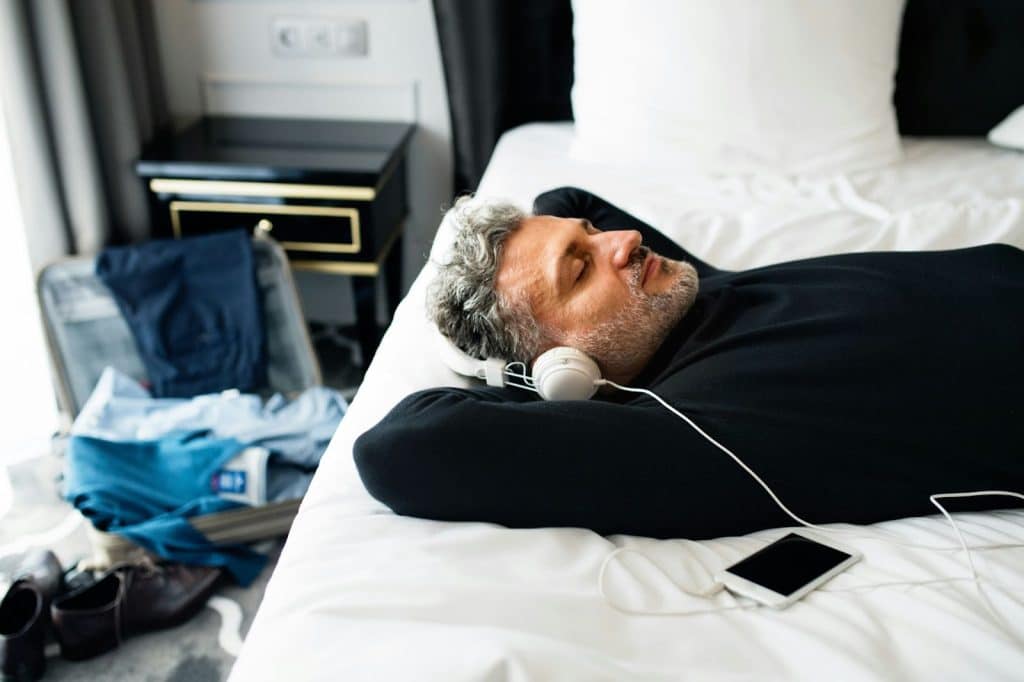
White noise can help mask disruptive sounds, but if it’s too loud, it becomes a new disruption. High volume levels can actually activate the brain rather than calm it. Sound machines should be just loud enough to blend into the background. It’s about soft masking, not full-on stimulation.
Overeating Before Bed

A full stomach triggers digestion and discomfort that can interfere with sleep. It may also lead to acid reflux, especially when lying flat. Heavy meals keep your body working when it should be winding down. Opt for light snacks, like a banana or yogurt, if you’re hungry late at night.
Using Sleep Gummies with Hidden Caffeine

Some over-the-counter gummies marketed as sleep aids may contain small amounts of caffeine or other stimulants like green tea extract. Read labels carefully, natural doesn’t always mean sedative. A blend of ingredients can clash, sending mixed signals to your system. Hidden caffeine late at night is a common but avoidable trap.
Binge-Watching as a Relaxation Ritual
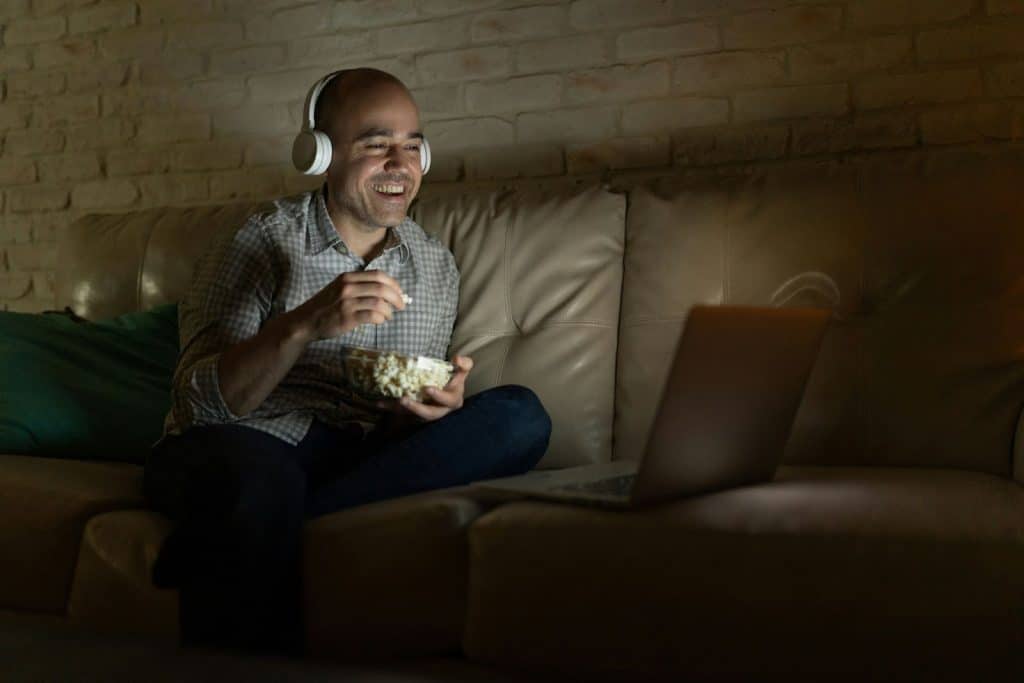
That “just one more episode” moment often comes at the expense of sleep. Bright screens, cliffhangers, and high-stim content keep your brain alert. Even if you fall asleep quickly after, your nervous system may still be wired. Watching TV earlier in the evening helps avoid mental overdrive.
Trying to Force Sleep
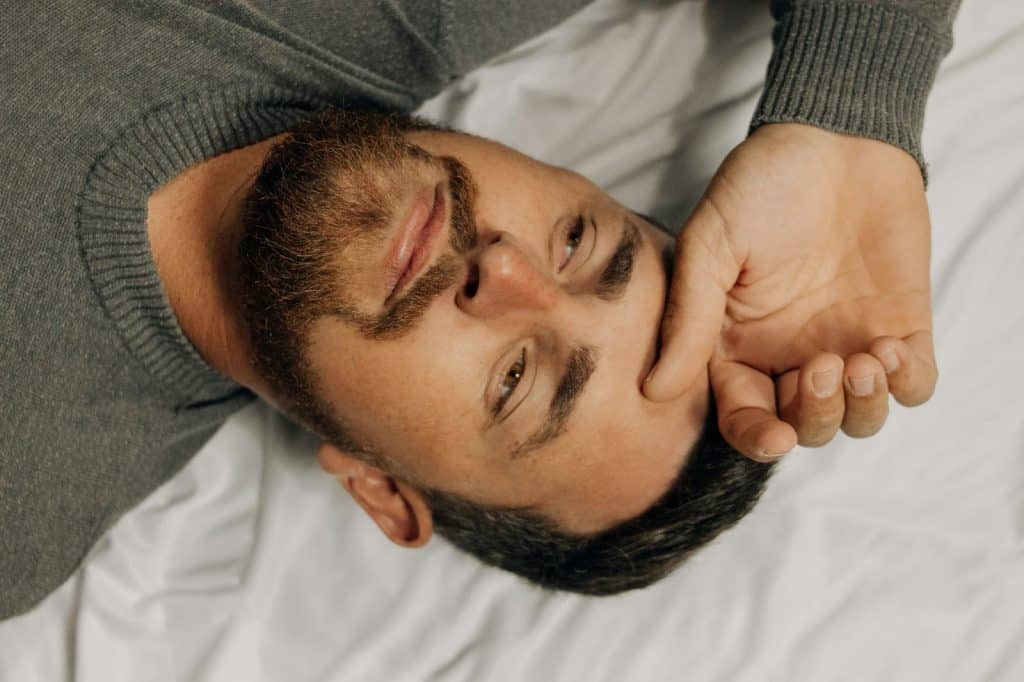
Lying in bed and demanding sleep only raises frustration. Sleep isn’t something you push, it’s something you allow. If you’re awake for more than 20 minutes, it’s better to get up and do something calm. Reading or stretching in low light helps break the cycle of mental spiraling.
Keeping the Lights Too Bright Before Bed
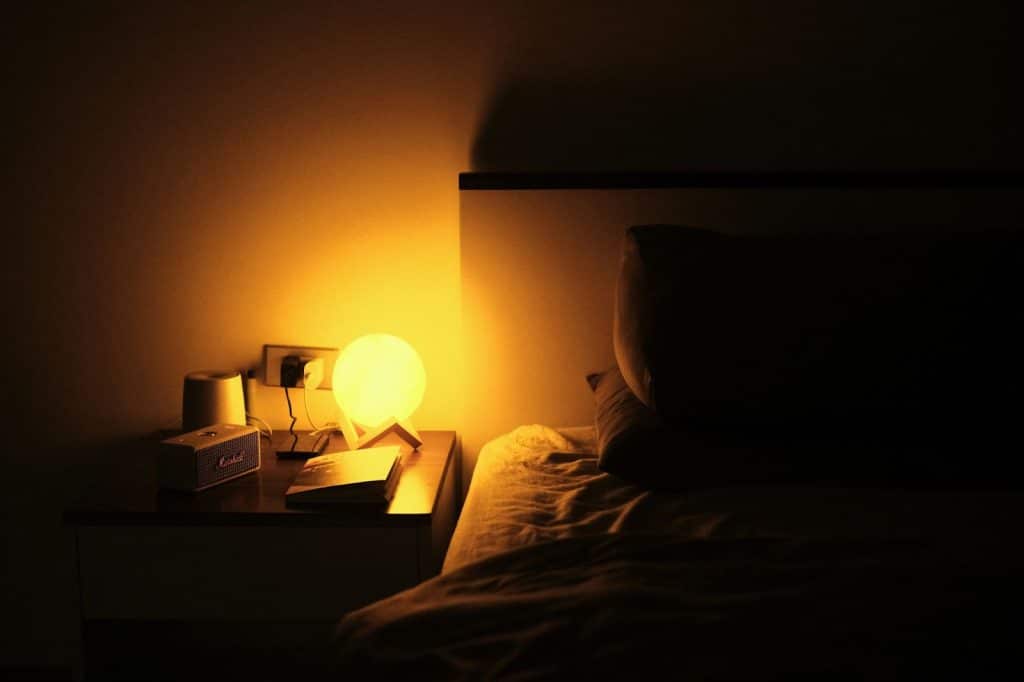
Bright lights signal your brain to stay awake by suppressing melatonin. Overhead lighting, screens, or even LED clocks can all keep your mind active. Dim the lights about an hour before bed to cue your brain it’s time to wind down. Softer environments create smoother transitions into sleep.
Sleeping with the TV On
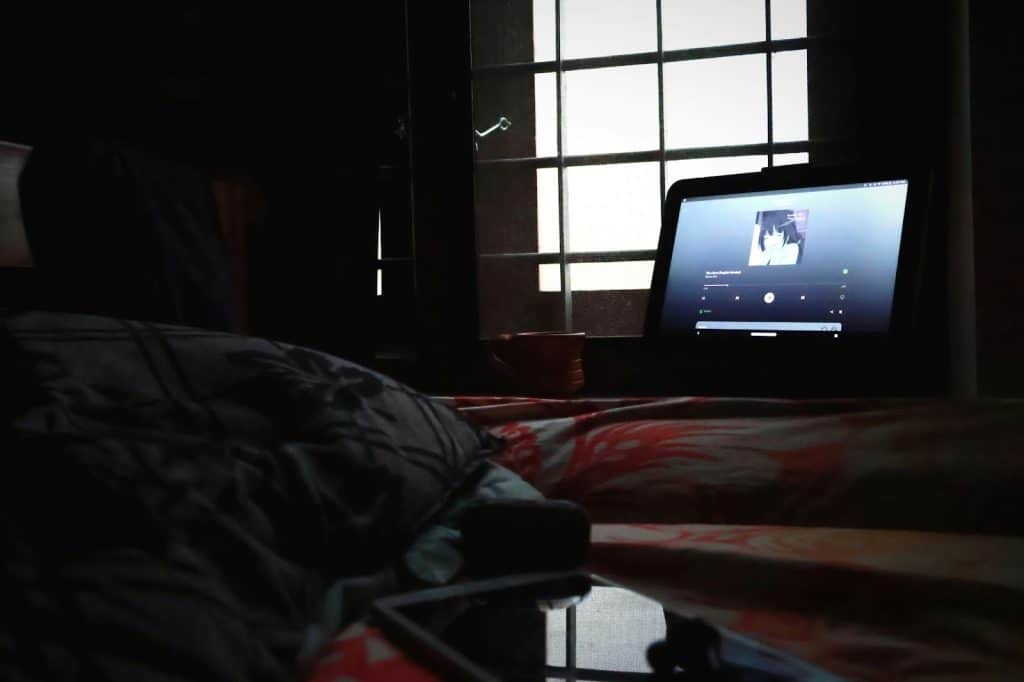
Falling asleep to background TV might feel comforting, but the changing volume and flickering light can disrupt sleep stages. Even if you’re not consciously aware, your brain stays partially alert. It’s better to use audio-only options like calming podcasts or soundscapes. Light pollution at night has real effects.
Relying on Sleep Hacks Instead of a Routine
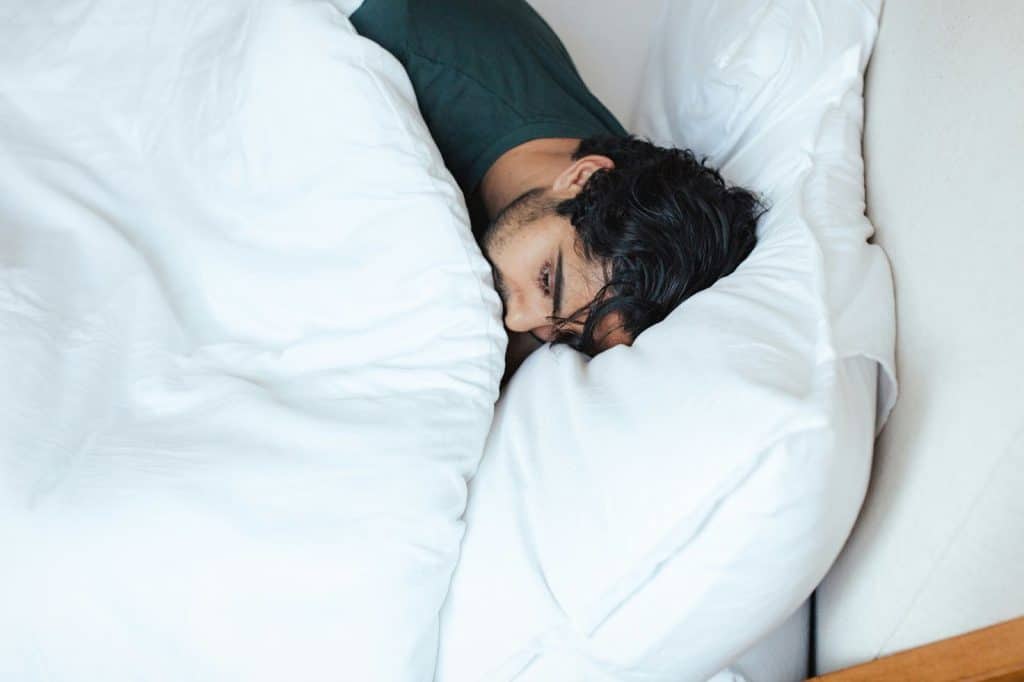
The most effective sleep aid isn’t a gadget or supplement, it’s consistency. Sleep thrives on routine. Constantly chasing hacks often replaces building good habits. Going to bed and waking up at the same time every day is more powerful than any single trick. The best “hack” is rhythm.
Tip – Build a Wind-Down Ritual, Not a Shortcut
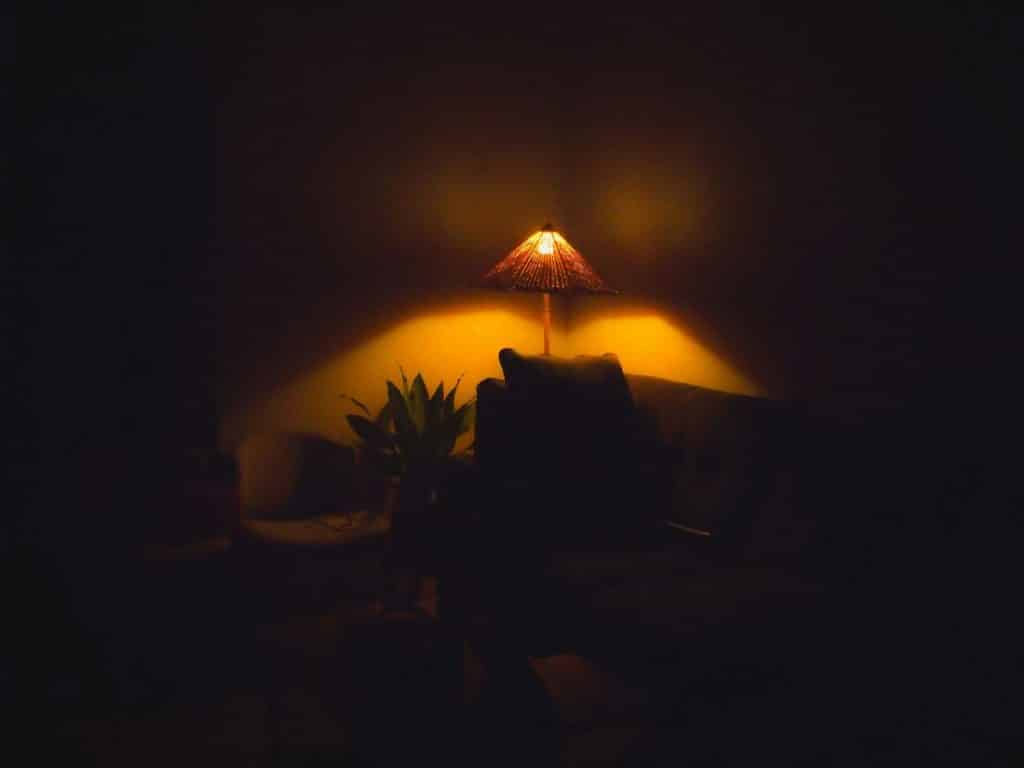
The body doesn’t shift from “on” to “off” instantly. Winding down is a process, like dimming a light rather than flipping a switch. A simple ritual (reading, warm shower, stretching) signals the body to power down. True rest is built, not bought or hacked.
Conclusion
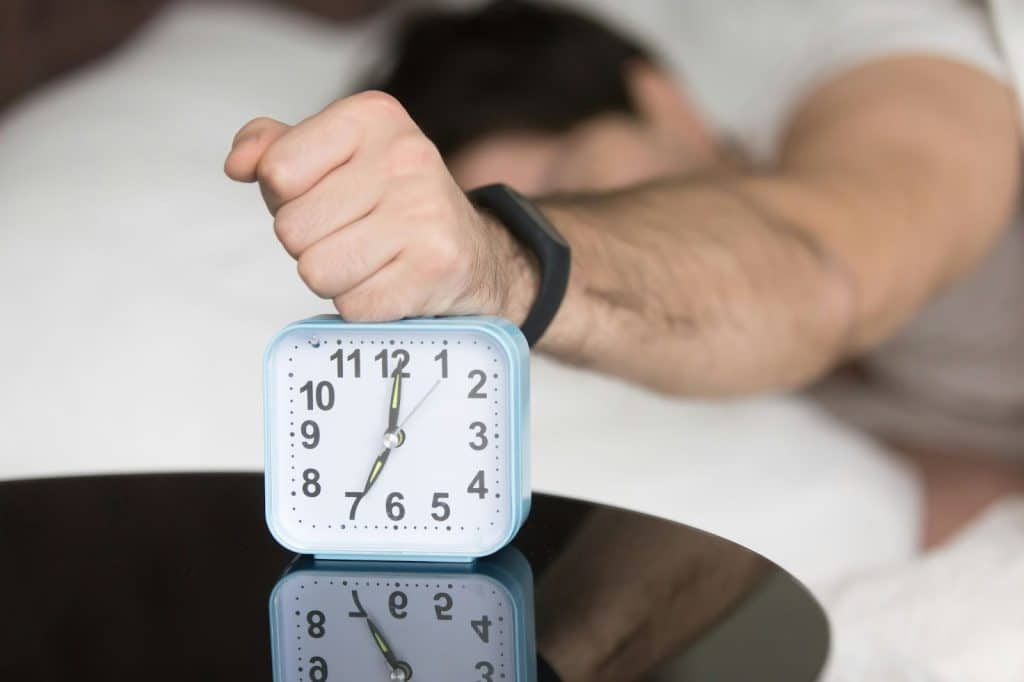
Sleep can’t be tricked, gamed, or rushed, not without consequences. While the internet offers endless “hacks,” most people benefit more from returning to basics. A calm mind, a consistent schedule, and a quiet environment are timeless tools. If better sleep is the goal, ditch the shortcuts and commit to simple habits that actually work.








Ask Me Anything