
Love isn’t always evenly split. Sometimes, one person finds themselves giving more, more time, more effort, more emotional energy. Over time, that imbalance can quietly chip away at self-worth and relationship satisfaction. It’s not about keeping score, but about recognizing when love starts to feel one-sided. These 18 subtle signs might mean it’s time to rebalance the dynamic and protect your own emotional well-being.
You Always Text First

If you’re the one who initiates every conversation, it may be a sign that your effort isn’t being reciprocated. Communication should flow both ways naturally. Constantly being the one to reach out can feel like chasing connection instead of sharing it. When the pattern never shifts, it speaks volumes about emotional investment. Over time, this imbalance can wear on your confidence.
You’re Always the One Compromising

Every relationship needs compromise, but not at the cost of self. If you’re always the one bending, sacrificing, or adapting while your partner remains rigid, that’s an imbalance. Healthy love finds middle ground, not just one person’s terms. Repeatedly silencing your preferences for harmony leads to silent resentment. Eventually, you forget what you actually want.
Your Effort Feels One-Sided
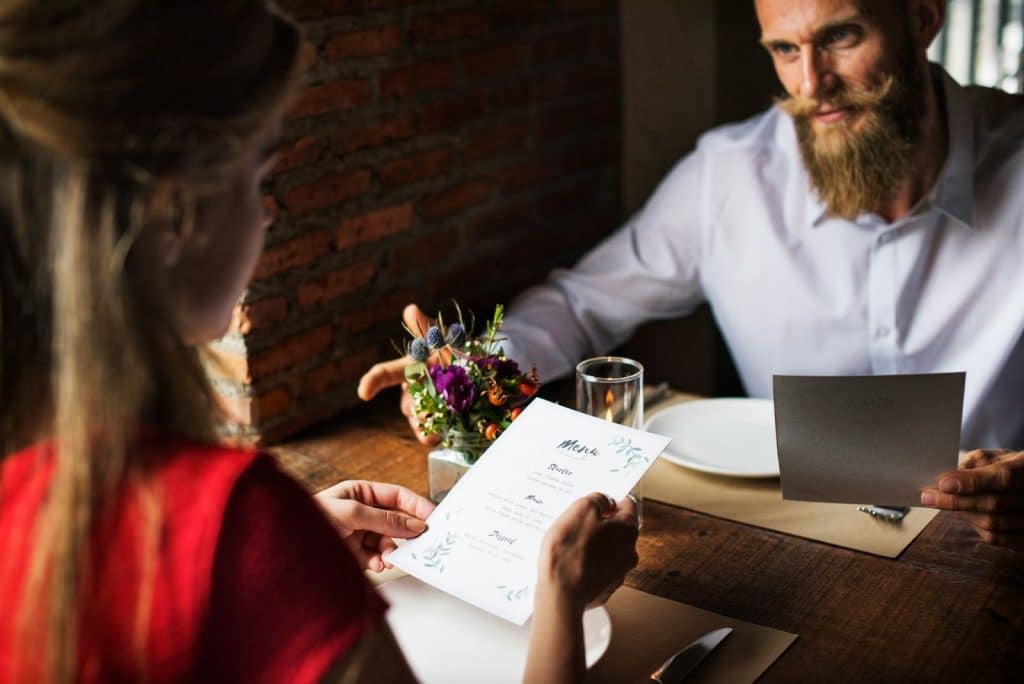
When you plan the dates, fix the problems, and carry the emotional labor, the imbalance becomes physical. Loving more often looks like doing more. And while love is action, it shouldn’t be exhausting. A relationship should feel like a partnership, not a performance. If you’re carrying the relationship solo, something’s off.
You Feel Emotionally Drained

Love should refuel, not deplete. If being with them consistently leaves you mentally and emotionally tired, it could be due to a one-sided emotional load. It’s often subtle at first, tiredness after arguments, feeling unheard, or having to regulate both your emotions and theirs. Over time, this emotional burnout starts to feel like the norm.
They Don’t Notice When You’re Not Okay’

It’s easy to overlook someone who’s always strong. But love notices the cracks. If your bad days go unseen or unacknowledged while you’re always present for theirs, it creates a painful divide. Real connection means mutual attunement. You shouldn’t have to fall apart for them to pay attention.
You’re Constantly Justifying Their Behavior

Love can blind you to red flags. If you’re constantly explaining away their neglect, excuses, or coldness to others, or yourself, it might be time to pause. Justifications are often signs you’re trying to maintain peace instead of facing imbalance. Relationships should make you feel safe, not make you do emotional gymnastics.
You Feel More Like a Caretaker Than a Partner

When support becomes a one-way street, it feels less like love and more like parenting. If you’re constantly soothing, helping, or fixing while rarely receiving, you’re stuck in a caretaker role. While nurturing has its place, it shouldn’t overshadow mutual growth. Love needs reciprocity to thrive.
You Lower Your Standards Just to Keep the Peace

Bending your boundaries to avoid conflict isn’t love, it’s fear in disguise. If you constantly dilute your needs or values just to maintain the relationship, it’s a sign of imbalance. Healthy love doesn’t ask you to shrink. It honors your worth, not your silence.
You’re Afraid to Speak Up

When you start censoring your feelings to avoid rocking the boat, you’re protecting them at your own expense. A relationship should feel like a safe place to land, not a minefield. If your voice feels unwelcome or risky, the power dynamic needs a serious check. You deserve to be heard without fear.
You’re Always the One Apologizing

Even when it’s not your fault, you take the blame. You say sorry first, sometimes just to end the tension. This may seem like emotional maturity, but over time, it becomes emotional imbalance. Constantly apologizing for existing chips away at your self-worth. Accountability should be mutual, not defaulted to one person.
Their Needs Always Come First

Prioritizing your partner is natural. But when their needs always come before yours, without return, it becomes emotional servitude. You start scheduling your life around theirs, neglecting your own wants and responsibilities. Love should expand you, not eclipse you.
You’re More Invested in the Future Than They Are

If you’re always talking about long-term goals and they barely engage, it may signal emotional detachment. A shared future should excite both people. When only one person is planning or hoping, it creates a lopsided emotional timeline. Love thrives when both hearts face forward together.
You’re Constantly Seeking Reassurance

Needing validation isn’t weakness, it’s a symptom of uncertainty. If you often wonder where you stand, or feel like you’re chasing confirmation that they still care, you may be sensing a lack of emotional safety. A balanced love makes you feel secure, not perpetually unsure.
You’re Doing All the Emotional Processing

You reflect, grow, read the relationship books, meanwhile, they coast. If all the emotional heavy lifting falls on you, that’s a major imbalance. Growth should be mutual. Otherwise, you’re evolving in a relationship that’s standing still.
You’re Afraid to Be Alone

Sometimes, the fear of loneliness makes people stay where love isn’t returned equally. If the thought of being without them scares you more than staying in an unbalanced dynamic, it’s time to ask why. Fear shouldn’t be the glue in a relationship. You deserve presence, not dependency.
You’re Always Hoping They’ll Change

Change can happen, but it shouldn’t be the condition for your happiness. If you’re constantly waiting for them to show up differently, it may mean you’re in love with potential, not reality. Hope is beautiful, but love grounded in reality is healthier. You can’t grow a future with wishful thinking.
You’re Starting to Feel Resentful

Resentment is unspoken pain. It grows when your needs are unmet and your voice unheard. If you catch yourself feeling irritated, bitter, or quietly angry, even during calm moments, it’s your emotional body signaling imbalance. Resentment isn’t just conflict. It’s the cost of loving more without reciprocity.
You’re Not Sure Who You Are Without Them

When the relationship consumes your identity, loving more becomes losing yourself. If you’ve forgotten your hobbies, goals, or sense of self, it’s time to recalibrate. Love should be part of your world, not your entire world. Reconnection with self is often the first step to rebalancing love.
Conclusion

Loving deeply is not the problem, loving alone is. These signs don’t mean the relationship is doomed, but they do mean it needs adjustment. Relationships thrive on mutuality, shared effort, and emotional safety. If you see yourself in these signs, don’t panic, reflect. You deserve a love that loves you back, fully and equally.








Ask Me Anything