
Once you pass 30, the question “Are you single?” doesn’t land the same way it used to. It’s no longer casual small talk, it can feel like a loaded inquiry wrapped in assumptions, expectations, or even judgment. Whether it comes from relatives, co-workers, or someone you just met, it often triggers more thought than it probably should. The reality is, the meaning behind singleness shifts as priorities, experiences, and emotional intelligence evolve. Here’s why that question feels a little more personal and complex once your twenties are behind you.
It Feels Like They’re Asking “What Went Wrong?”
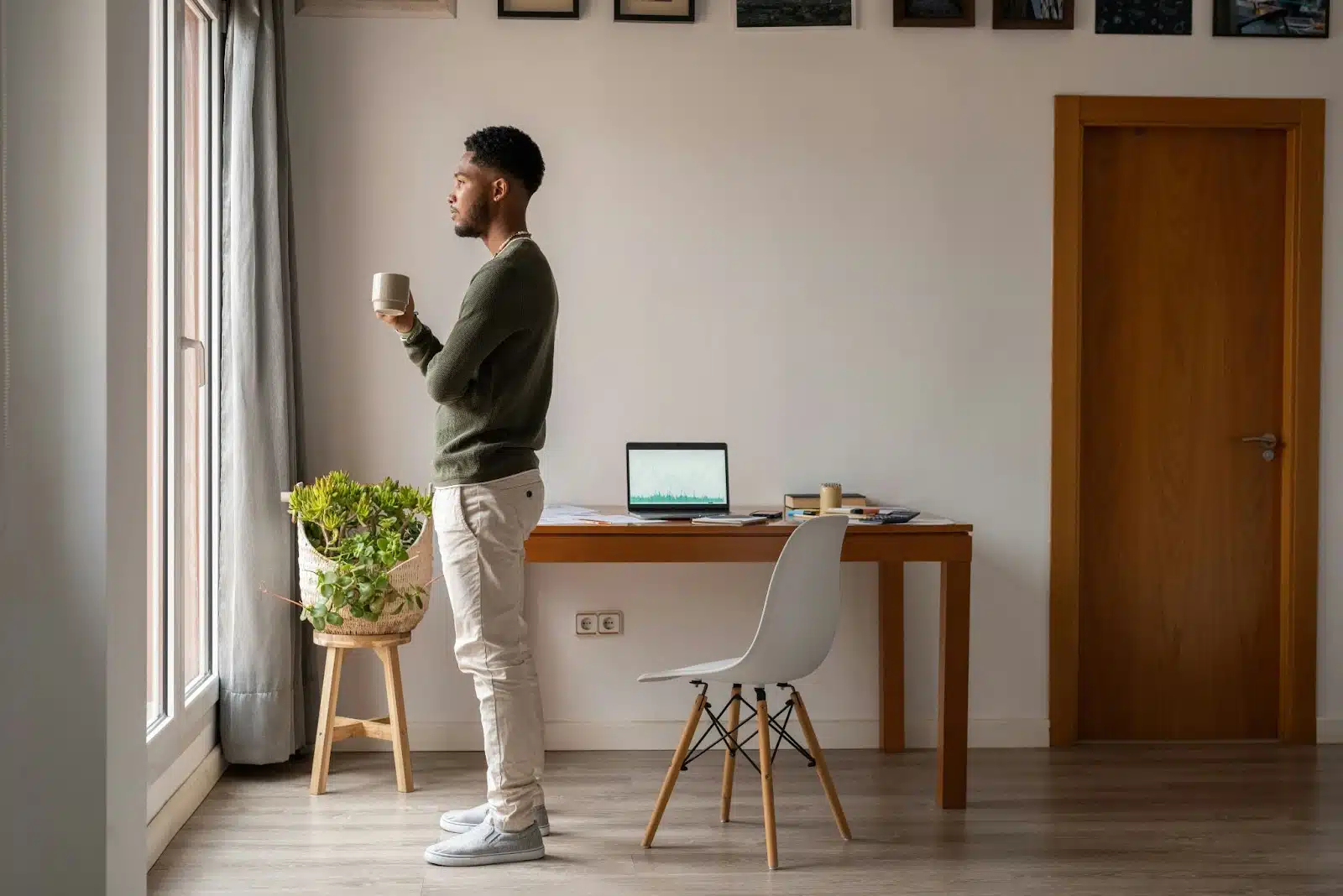
There’s often an underlying tone of suspicion when the question comes up past 30. It can sound like someone’s trying to uncover a hidden flaw or a red flag. The assumption is that by now, something should’ve “stuck.” This pressure ignores the value of timing, growth, or simply choice. Singleness isn’t a failure, it’s a stage, not a verdict.
You’ve Outgrown the Need to Justify It

In your twenties, the instinct is to explain why you’re single, as if you owe people a reason. But in your thirties, that urge tends to fade. You’ve seen enough relationships to know that being single can be smarter than settling. You start owning your status rather than defending it. Peace matters more than appearances.
You’ve Built a Life That Doesn’t Feel “Incomplete”
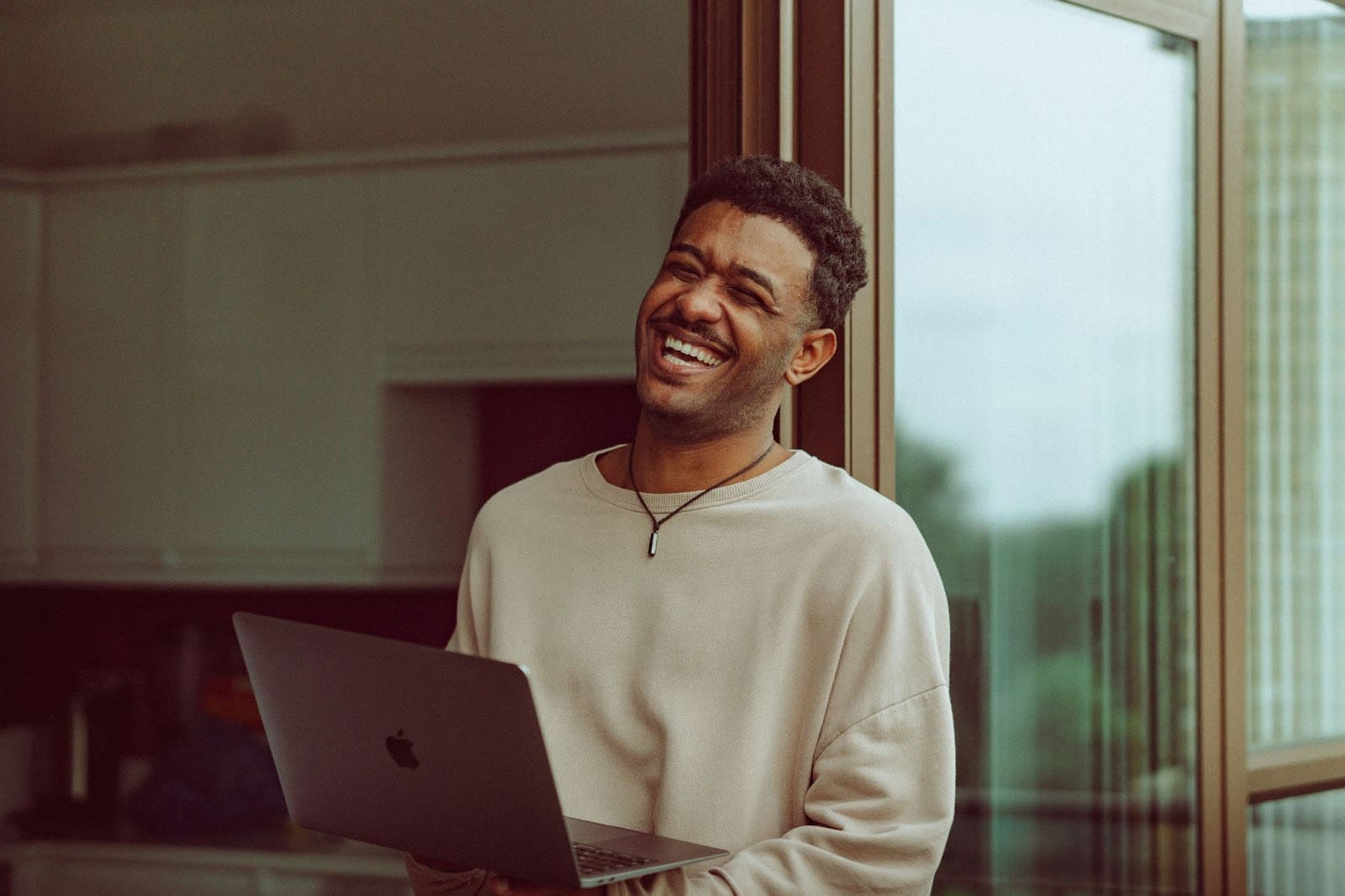
After 30, many have already built careers, friendships, routines, and homes. The idea that single equals “unfinished” doesn’t align with reality. You learn that partnership is an addition, not a completion. When asked if you’re single, it’s not a confession, it’s just a fact.
You Notice Who’s Asking, And Why

The intent behind the question becomes more obvious with experience. Some ask out of genuine interest, others out of judgment, and a few are just nosy. You get better at reading the room and responding with whatever energy you feel like matching. You don’t owe anyone a status report.
You Value Emotional Compatibility More

Being single past 30 usually means you’ve raised your standards, not your walls. You’ve likely done the work to know what kind of emotional partnership you want. That makes the question “Are you single?” less about availability and more about alignment. You’re not waiting, you’re filtering.
You’ve Watched Enough Relationships End to Know Better

By now, you’ve seen friends marry, divorce, cheat, reconnect, or spiral. The fairytale is no longer the goal, stability and respect are. So when someone asks if you’re single, it feels less like a milestone check and more like an irrelevant checkbox. Being alone doesn’t mean being behind.
You’re Selective with Your Energy

In your 30s, time becomes a premium. You stop dating for entertainment or ego boosts. If someone’s asking whether you’re single, you evaluate their motive just as much. Energy preservation becomes more important than temporary validation.
You’ve Developed a Stronger Relationship With Yourself
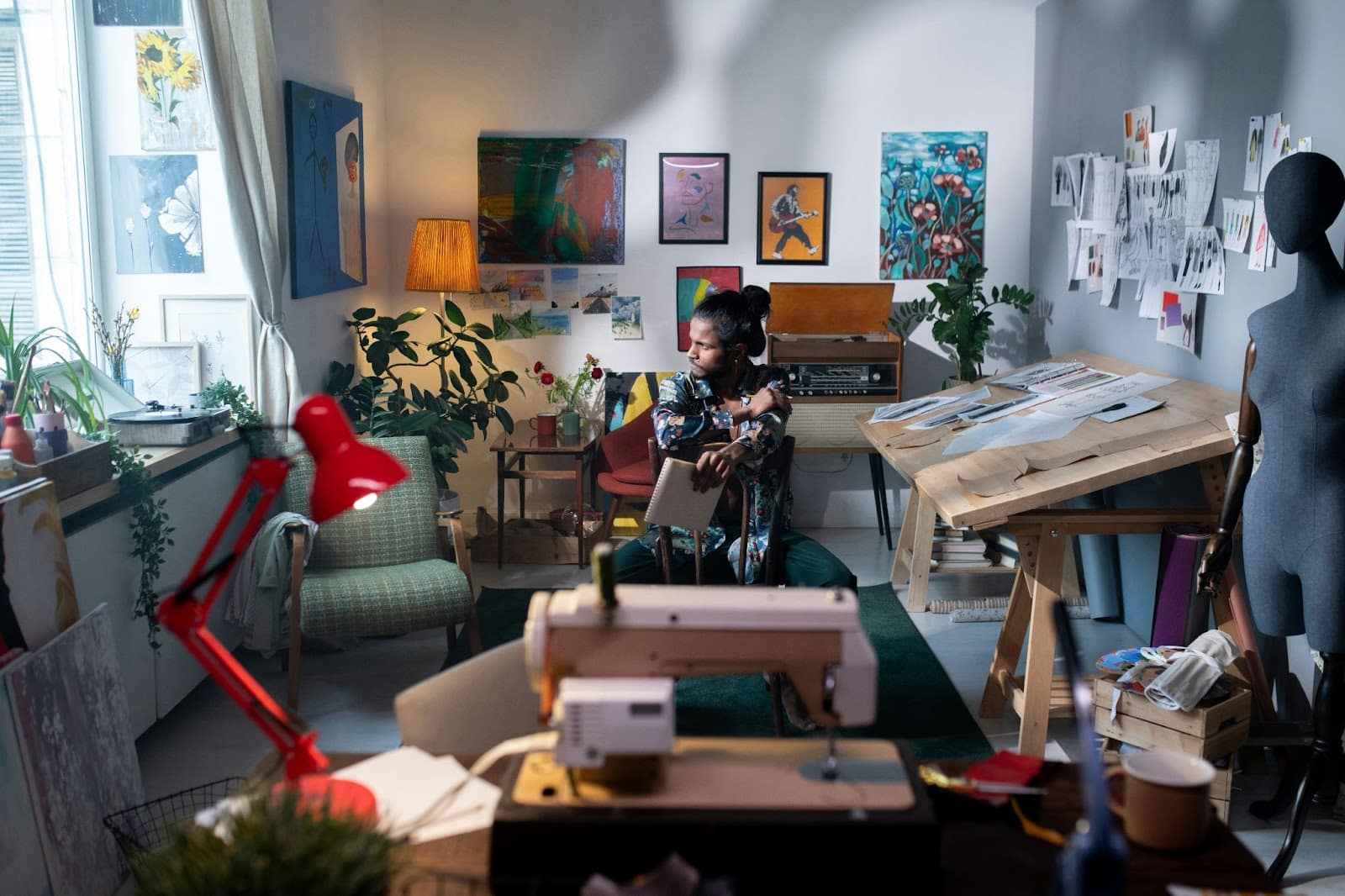
Singleness after 30 often coincides with personal growth. You’ve likely spent time confronting your patterns, healing past baggage, and finding joy solo. When someone questions your single status, it’s less about “why” and more about “why not.” Self-awareness changes the narrative.
The Dating Pool Looks Different, And So Do You
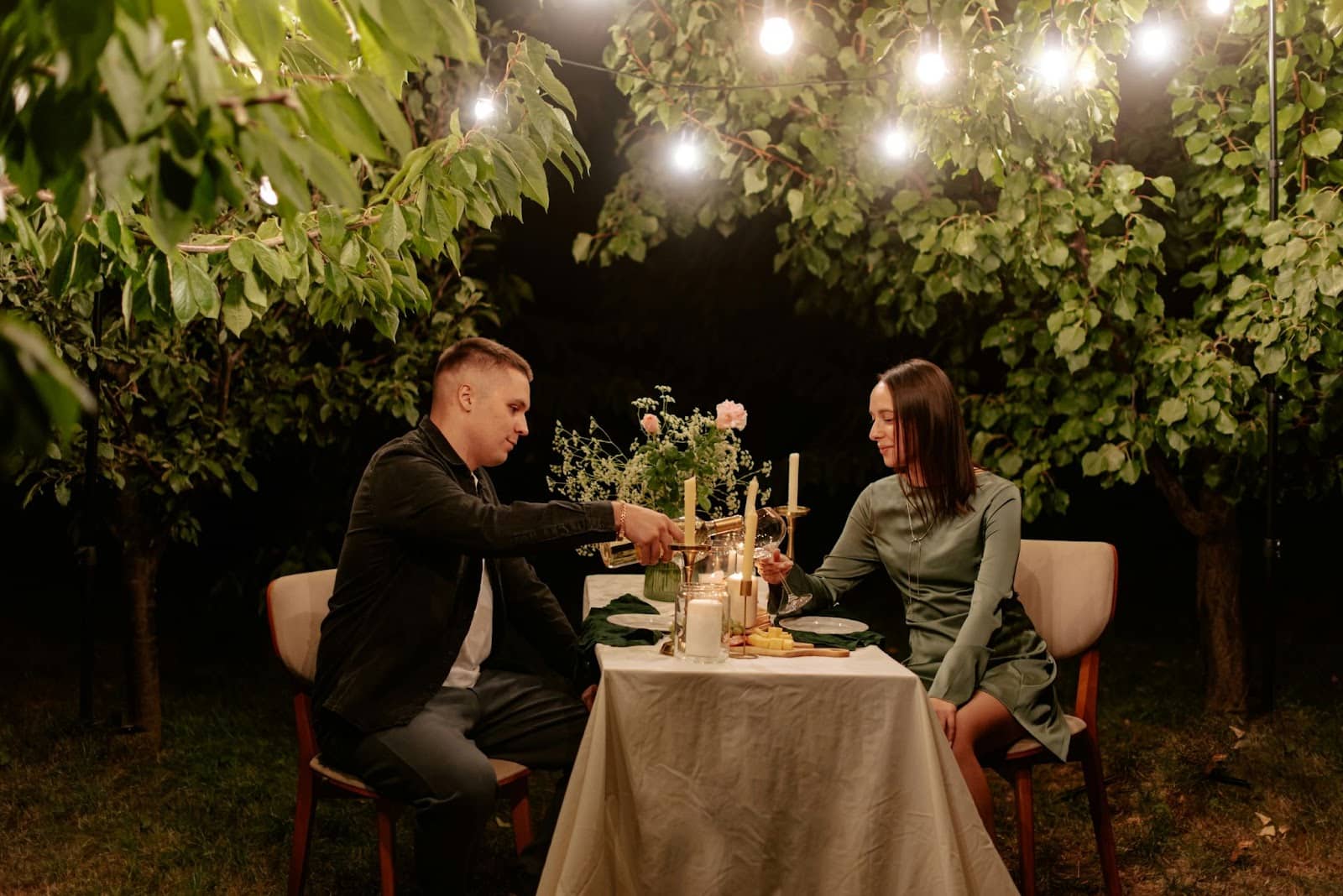
Let’s be honest, the dating pool after 30 isn’t what it was at 23. There’s more complexity, more healing, and more caution. The question “Are you single?” can feel like someone skipping the context. You’re not just single, you’re experienced.
You Understand the Cost of a Bad Relationship
Once you’ve lived long enough, you know what you’re not willing to tolerate. You’ve seen the toll of staying too long or choosing wrong. Singleness, then, isn’t a pause, it’s protection. The question lands differently when you’re aware of what peace is worth.
You No Longer See It as a Milestone You Must Hit

The pressure to “arrive” at marriage or long-term partnership used to be stronger. But with age comes the realization that relationships aren’t finish lines. They’re not even guarantees of happiness. The idea that being single means being behind loses its grip.
You Know What You Bring to the Table

Confidence after 30 looks different. It’s rooted in lived experience, not bravado. When someone asks if you’re single, you’re less inclined to doubt your value. Instead, you think, “Yeah, and?” because your worth isn’t in a label.
You’ve Let Go of the Fairytale Timeline
You might’ve had a picture-perfect relationship timeline in your head years ago. Now, it’s more about reality than romance movies. Being single past 30 doesn’t feel like a detour, it feels like the route you were meant to take. Questions about your status don’t change that.
You Feel Less Inclined to Rush Just to Answer It Differently

In your 20s, the question might’ve triggered panic or urgency. Now, it just rolls off. You’re not going to force a connection just to make your next holiday less awkward. Peace of mind outweighs performing for approval.
You’re More Protective of Your Peace
Chaos disguised as chemistry doesn’t hold the same appeal. Your standards now come with boundaries. When people ask why you’re still single, they rarely factor in how valuable peace really is. That’s not your problem to solve.
You Know “Single” Doesn’t Mean “Lonely”

There’s a growing understanding that being alone and being lonely aren’t the same. Friendships, purpose, and fulfillment often run deeper than superficial connections. Just because you’re not coupled up doesn’t mean you’re missing something. You’ve stopped apologizing for being whole on your own.
You’re Willing to Wait for the Right Thing
Quick fixes don’t satisfy the way they used to. Now, you’re willing to wait, for honesty, for safety, for effort. That question about your relationship status doesn’t shake you when you know your worth. You’re not stalling, you’re choosing.
You’ve Learned That Love Isn’t Always Loud
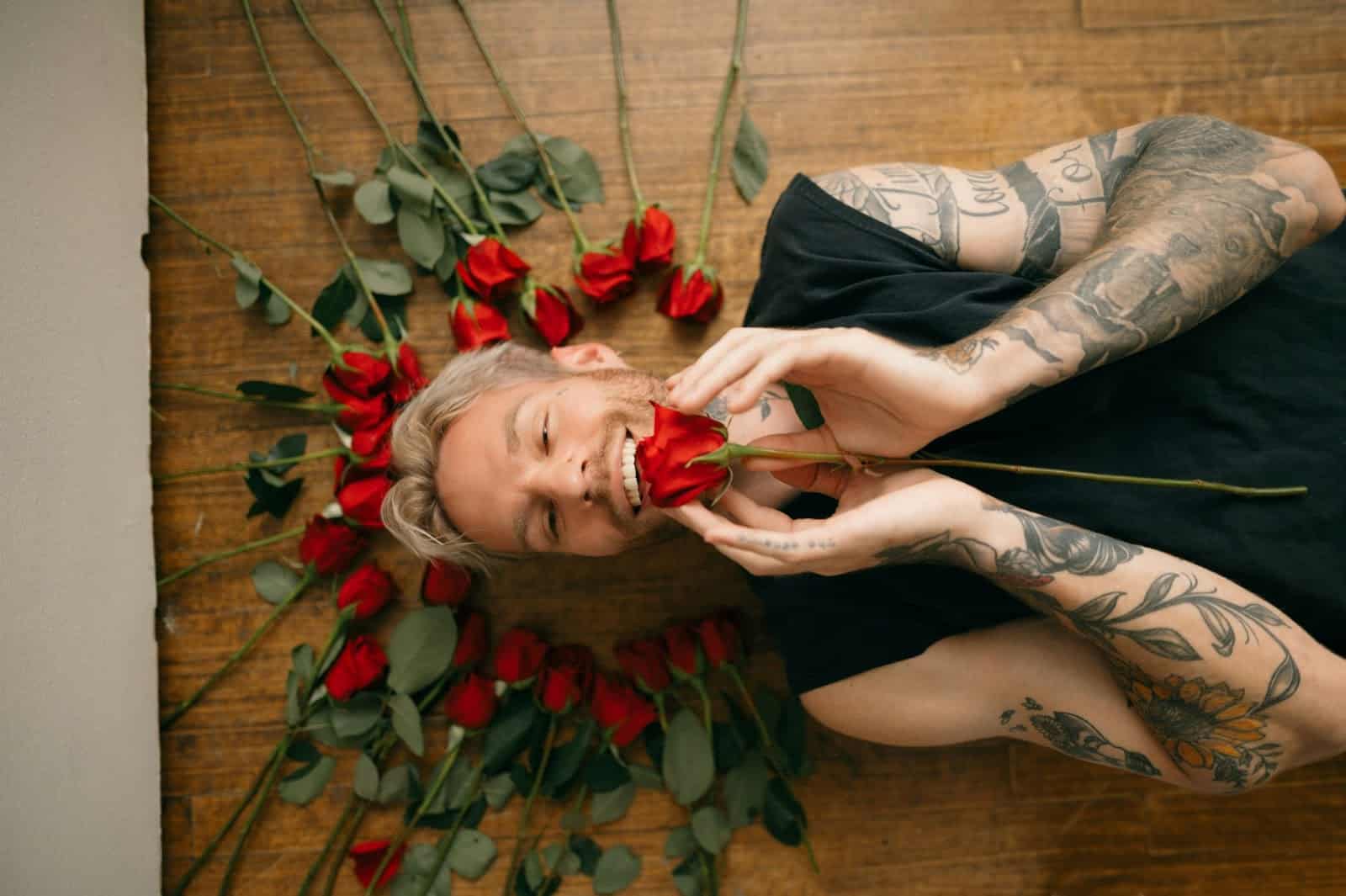
The search for love shifts. It’s no longer about sparks and spectacles. It’s about someone who shows up, communicates clearly, and respects your space. “Are you single?” doesn’t measure your success, it just overlooks your journey.
Conclusion – It’s Not a Status, It’s a Season
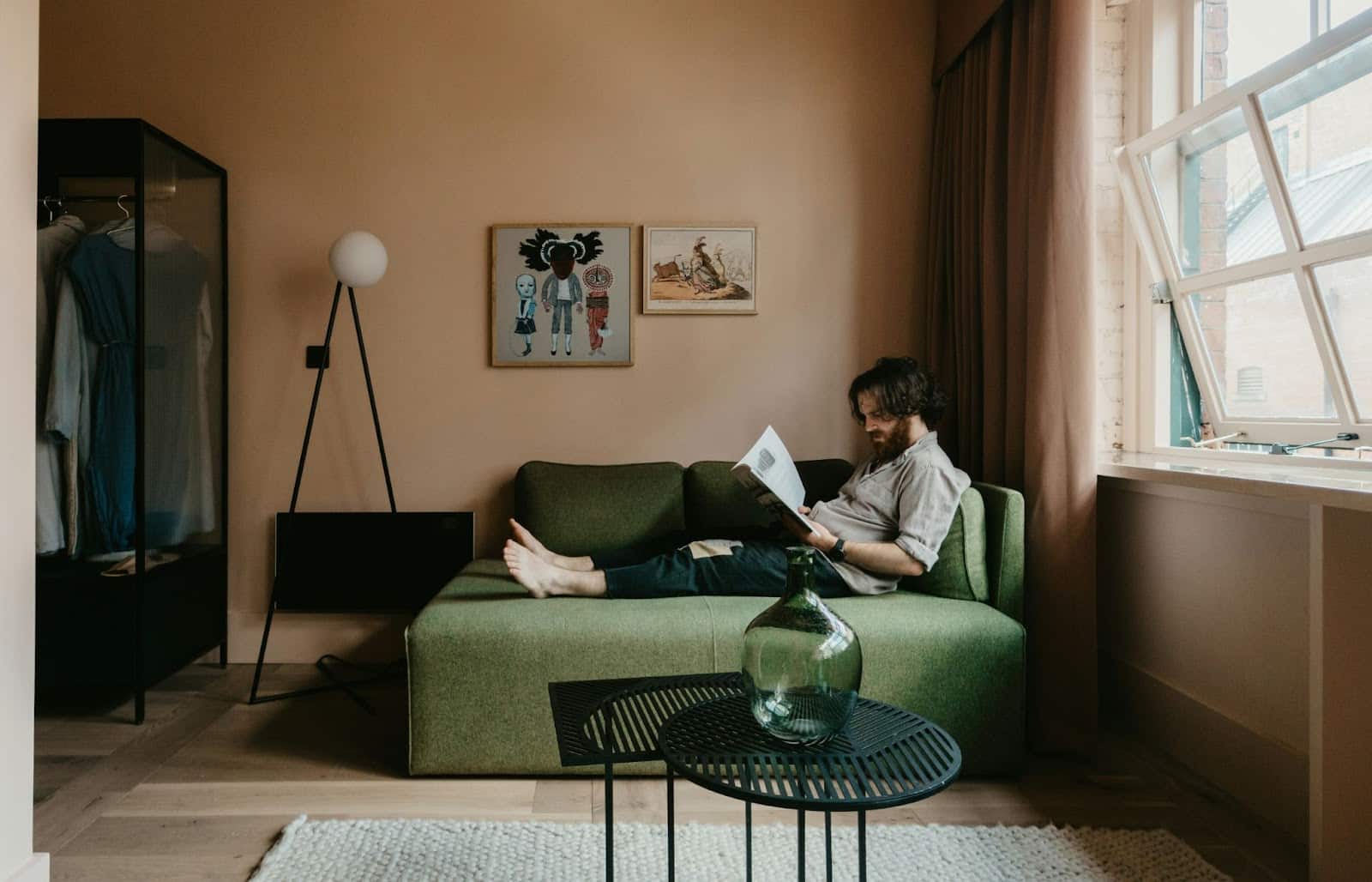
After 30, being single isn’t something to explain away. It’s a season of life filled with choice, growth, and often, quiet strength. The question hits differently because you’ve lived through enough to know that being partnered isn’t the only measure of being whole. Whether you’re waiting, healing, thriving, or exploring, your relationship status doesn’t define your value. And that’s something worth remembering.








Ask Me Anything