
Even the healthiest, happiest couples aren’t immune to conflict or challenges. Strong relationships don’t exist without effort, they just handle setbacks with more grace and less fear. What many people overlook is that commitment doesn’t erase discomfort; it reframes how couples face it together. The real mark of strength lies not in the absence of problems but in the ability to work through them without tearing each other down. These are some of the hidden, everyday struggles even the most committed couples still face. If you’re going through one or more of these, you’re not broken, you’re growing.
Wanting Space Without Hurting Feelings

Even the closest partners sometimes crave space. Whether it’s time alone or a moment of silence, needing distance can be misread as rejection. Strong couples still struggle to communicate these needs without triggering insecurity. It takes emotional maturity to say, “I love you, but I need time to reset.” Balancing independence and intimacy is one of love’s trickiest dances.
Balancing Vulnerability and Protection

Opening up isn’t always easy, even in long-term relationships. Many partners struggle with showing emotion while still wanting to appear strong. The fear of being a burden or starting a fight can cause emotional hesitation. It’s a quiet battle between honesty and self-preservation. But the couples that thrive are the ones that keep trying anyway.
Apologizing Without Making Excuses

A sincere apology requires humility, not just good intentions. Couples in strong relationships still wrestle with saying “I was wrong” without adding, “but you…” Accountability is hard when emotions run high. It’s a learning curve, even for emotionally intelligent partners. But taking ownership deepens respect.
Supporting Without Solving

It’s tempting to jump in with solutions when your partner is hurting. But not every problem needs fixing, sometimes, it just needs presence. Couples often struggle with sitting in discomfort together without rushing to resolve it. Learning to ask, “Do you want advice or just to vent?” is a small but powerful shift. Strong relationships embrace that pause.
Dividing Chores Without Scorekeeping

No matter how solid a couple is, domestic life can stir up resentment. Whether it’s dishes, laundry, or budgeting, keeping things fair takes ongoing communication. Scorekeeping sneaks in when appreciation fades. Even in balanced relationships, tasks can feel invisible if not acknowledged. Regular check-ins beat silent expectations every time.
Aligning Sleep Schedules

One’s a night owl, the other’s an early bird. Even in love, biological rhythms rarely align perfectly. This mismatch can chip away at shared moments and intimacy. Strong couples make compromises, bedtime routines, quiet hours, or weekend sleep-ins. It’s less about syncing clocks and more about respecting rhythms.
Managing Money Without Power Struggles

Money talks are often emotional, not just practical. Even in strong marriages, income imbalances or spending habits can stir tension. It’s easy for one partner to feel restricted or controlled. Couples who last learn to budget as a team, not competitors. Transparency builds trust, and trust eases tension.
Making Time for Sex (Even When Life Is Full)

Desire isn’t constant, it ebbs and flows with stress, sleep, and seasons. Even healthy couples struggle to prioritize intimacy. It’s not always about frequency but intention. Scheduling sex may sound unromantic, but it often keeps connection alive. Spontaneity is great, but consistency sustains.
Sharing a Bathroom (Yes, Really)
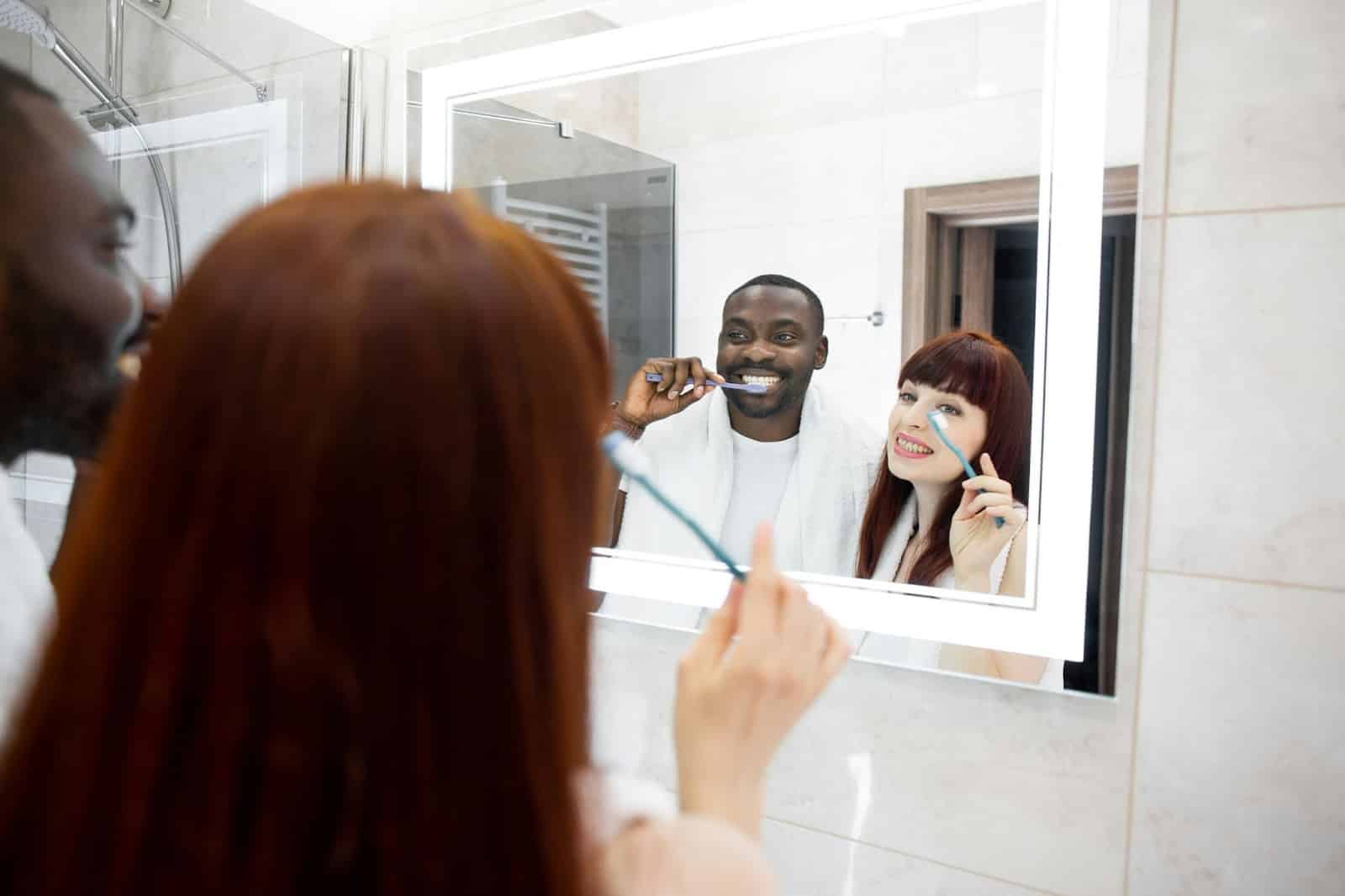
It sounds small, but shared space can cause friction. From toilet paper direction to how long someone takes in the mirror, these mundane details reveal bigger themes – respect, patience, and boundaries. Strong couples laugh about it, but they also talk about it. It’s rarely just about the toothpaste cap.
Growing at Different Speeds

People evolve at different paces. One may chase big dreams while the other craves stability. Even committed couples feel the tension of changing values or goals. Growth doesn’t always match, and that’s okay. The key is staying curious about who your partner is becoming.
Navigating Career Transitions

Job changes, promotions, or burnout don’t just affect individuals, they ripple through the relationship. Career shifts can bring pride, stress, and identity shifts all at once. Couples in strong relationships still argue about ambition versus presence. The healthiest ones keep talking, not assuming.
Handling External Pressure from Family or Friends

In-laws, parenting advice, and social dynamics still impact even the most secure relationships. There’s pressure to meet others’ expectations, especially around holidays or big life events. Navigating these waters without turning on each other is a learned skill. Healthy couples set boundaries together.
Redefining Fun Over Time

What once was thrilling may now feel exhausting. Couples in long-term relationships sometimes panic when the “spark” shifts. But strong love adapts, replacing adrenaline with connection, novelty with familiarity. The struggle is learning to embrace that shift without fearing loss.
Misreading Tone or Intent

Even seasoned partners misread texts, silence, or sarcasm. Tone gets lost in translation. Strong couples still have moments where one feels slighted or dismissed by accident. The trick is asking before assuming, clarity over reaction. Conflict often shrinks when curiosity leads.
Disagreeing on What “Support” Looks Like

One person wants advice, the other wants empathy. Disagreements often arise from mismatched support styles. Even healthy couples need to recalibrate what comfort looks like. These moments aren’t failures, they’re invitations to learn from each other deeper. Every fight has a lesson hiding inside.
Feeling Disconnected Without Knowing Why

Sometimes, everything seems “fine” on the surface, but something feels off. Even strong relationships experience this quiet distance. Life gets busy, routines get stale, and connection can fade without cause. Recognizing the feeling early helps couples re-engage before it becomes a rift. Silence is often a signal, not an ending.
Arguing About the Same Thing Over and Over

Every couple has that one recurring fight. It’s not laziness, it’s usually an unmet need or unresolved pattern. Strong relationships still fall into loops. The difference is in how they return to the issue – with patience, not punishment. Progress comes in layers, not instant resolution.
Tip – Embrace the Struggle as a Sign You Care

Struggling doesn’t mean something’s broken. It often means you’re both still trying, still caring, still invested. The trick is not in avoiding difficulty, but in growing through it together. When you hit friction, pause and ask, “What are we both trying to protect here?” That question reveals the love behind the tension.
Conclusion – Strength Looks Like Showing Up Again and Again

No relationship is challenge-free, not even the strongest ones. But the real test of love isn’t avoiding problems; it’s choosing to face them together, over and over. If you and your partner are still asking questions, still willing to grow, still trying to get it right, you’re already winning. Conflict isn’t a threat; it’s an opportunity. The strongest couples don’t have fewer struggles, they just hold each other tighter through them.








Ask Me Anything