
Breakups don’t care how strong, successful, or stoic you are. And while both men and women go through it, most men are taught to keep it quiet, push it down, and act like everything’s fine. That silent suffering is what makes breakups hit harder than anyone wants to admit. You’re expected to move on fast, but inside, it feels like the floor dropped out. This isn’t another cliché list—this is the real reason so many men unravel after a breakup, even if no one sees it happening.
They Feel Like They Failed at Being a Man

This one’s heavy. When a relationship ends, some men internalize it as a failure of masculinity. You didn’t protect it. You didn’t lead it well enough. That thinking—no matter how false—can make the breakup feel like an attack on your manhood. And that shame is the kind of wound that festers when ignored.
Social Support Systems Are Weaker

Men aren’t taught how to build emotional safety nets. A lot of guys rely almost entirely on their partner for that connection, and when she’s gone, they’re left with… silence. Friends might offer a drink or a distraction, but rarely real talk. Women often have circles that step in during heartbreak; men usually don’t. And the result? You’re stuck trying to rebuild from scratch without the tools or the people to help.
Cultural Pressure to “Man Up”

You’re told to hold it in, suck it up, and move forward. That message starts young, and by adulthood, it’s practically burned into your brain. Crying or admitting you’re hurting feels like failure. So you keep quiet, which only traps the pain longer. It’s not strength; it’s a slow burn you never put out.
Emotional Pain Often Comes Out as Anger
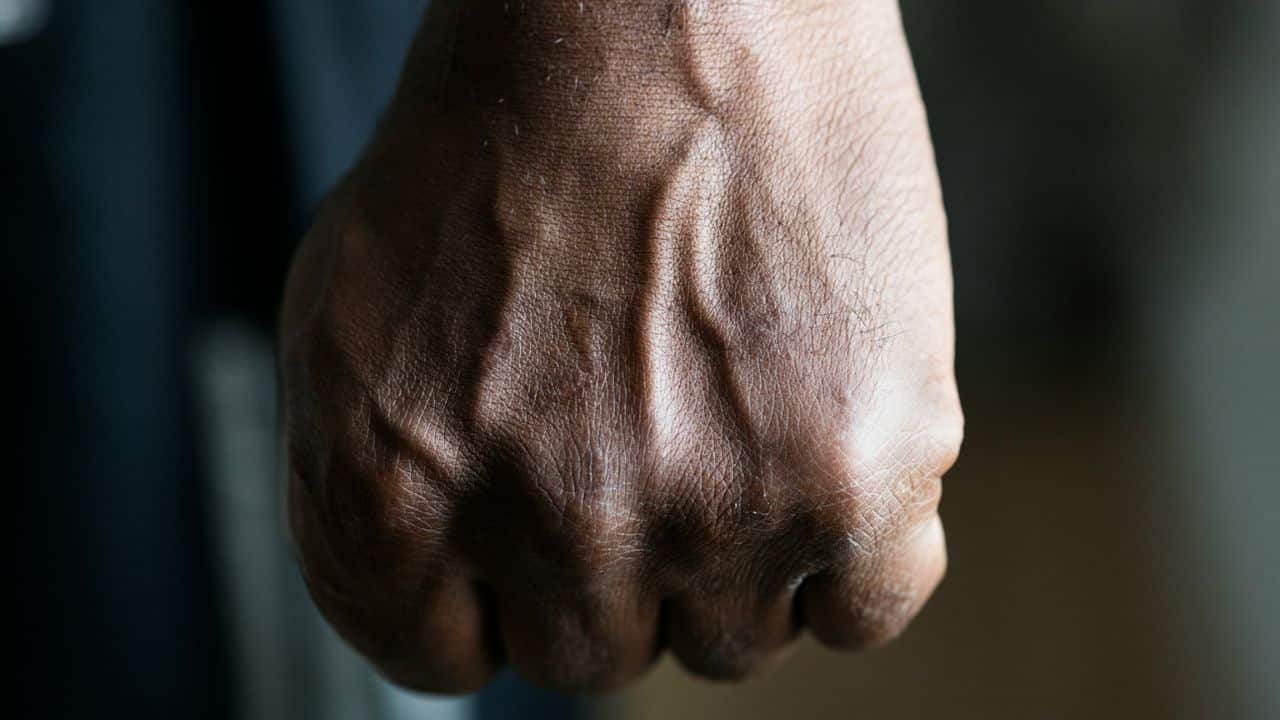
Men aren’t usually taught how to sit with pain, so it comes out sideways. Anger becomes the default; it feels stronger, safer, and more acceptable than sadness. But blowing up at small things, snapping at coworkers, or silently resenting everything around you is often just grief wearing a mask. And that misdirected emotion burns bridges fast, leaving you even more isolated.
They Attach Later, But Deeper

Many men don’t fall fast, but when they do, it runs deep. That bond becomes a core part of who they are. So when it breaks, it’s not just about losing someone; it’s about losing a part of yourself. That level of attachment makes it harder to move on, no matter how it ended.
Loss of Routine and Stability

Relationships shape daily structure in more ways than most men realize. From meals to bedtime routines to weekend plans, it all shifts. Suddenly, there’s a gaping hole in your day and too much time to think. That disruption fuels anxiety, sleep problems, and even physical burnout. Stability gone, you’re left rebuilding a routine from scratch.
They Bottle Emotions Instead of Processing Them

You feel the hit, but you don’t say a word. Maybe you drink more, sleep less, or dive into work, but none of it helps. Avoiding emotion doesn’t erase it. It just buries it until it leaks out as anger or numbness. Processing the pain feels foreign, so most men skip it and stay stuck.
They Lose Their Primary Emotional Outlet
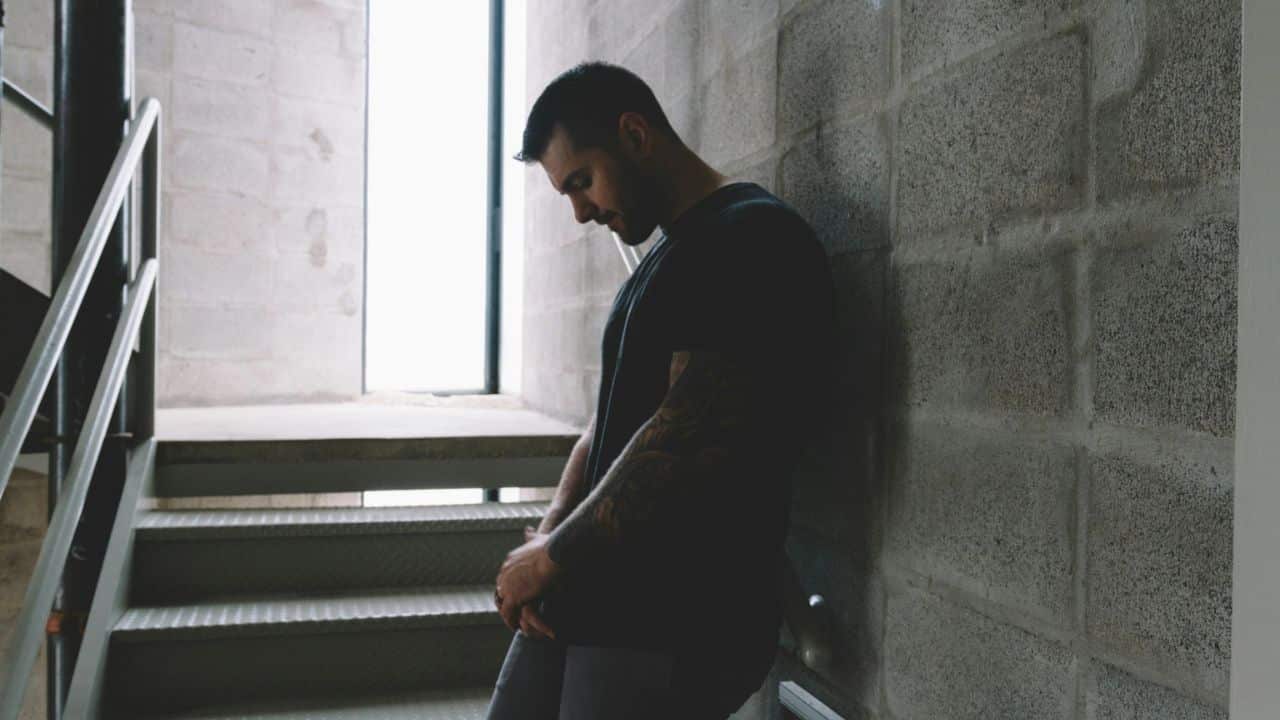
For many guys, their partner is the only one they talk to about real stuff. Not work, not sports—real fear, shame, joy, pressure. So when that person’s gone, so is your lifeline. You’re not just missing a relationship; you’re cut off from your only outlet, and it’s brutal.
Delayed Grief

Men often don’t feel the weight until weeks or months later. You push through the day, stay productive, act normal, but then the crash comes out of nowhere. That delay can make the grief hit even harder. While others have already started moving on, you’re just beginning to fall apart.
Masculinity Tied to Relationship Status

A lot of men wrap their self-worth in being a strong partner—the provider, protector, the one who has it together. Losing that role can feel like losing your identity. You’re not just heartbroken, you feel like you failed. And that shame? It sticks longer than you’d like to admit.
Difficulty Rebuilding Identity

When your life was tied up in “us,” starting over as just “me” can feel aimless. The routines, the future plans, even the small daily habits—gone. You don’t know who you are without her. That loss of identity leads to emotional drift, and it’s hard to find your footing again.
More Likely to Use Destructive Coping Mechanisms

Instead of therapy, many men reach for the bottle, casual flings, or overwork. It feels like an escape, but it’s not. It’s a distraction that masks the pain without healing anything. And the more you numb it, the longer the recovery takes, and the worse it gets when it finally hits.
They’re Less Likely to Seek Therapy

Therapy still carries stigma for men. You’re told it’s weak, unnecessary, or not for “guys like you.” So instead of sitting with someone who can actually help, you sit with your thoughts at 2 a.m. in the dark. And the longer you avoid help, the more tangled the grief becomes.
They Feel Disposable

Breakups in today’s dating world move fast. You’re out, someone else is in, and it stings. That sense of being easily replaced messes with your self-worth. It’s not just heartbreak; it’s humiliation, rejection, and the feeling that none of it mattered. That kind of hit doesn’t heal overnight.
Fear of Starting Over

The idea of dating again, especially if you’re over 40, can feel exhausting. Apps, small talk, awkward meetups… It’s a mess. And deep down, you wonder if you’ll ever find someone who gets you like she did. That fear holds you back, making it harder to let go of what’s already gone.
Financial Fallout

When relationships end, money problems often follow. Whether it’s shared debt, lost income, or moving out, the strain is real. Financial stress hits hard when you’re already emotionally drained. And if you were supporting a partner, the sudden shift adds resentment, confusion, and panic into the mix.
Rejection Feeds Long-Held Insecurities

Every man carries insecurities, even the high achievers. A breakup often reactivates childhood wounds or past failures you thought were buried. Maybe it’s about not being “enough” in some way—rich enough, fit enough, smart enough. The breakup becomes proof of those hidden fears. That emotional storm is tough to face, especially when you’ve built your life on strength and competence.
Their Worth Was Tied to What They Provided

Men are raised to believe their value comes from what they do, not who they are. So when a relationship ends, especially one where they gave financially, emotionally, or through time and effort, it feels like none of that was enough. That loss of purpose hits like a freight train. It’s not just heartbreak; it’s a dismantling of how you measure your worth.
Society Doesn’t Validate Male Pain
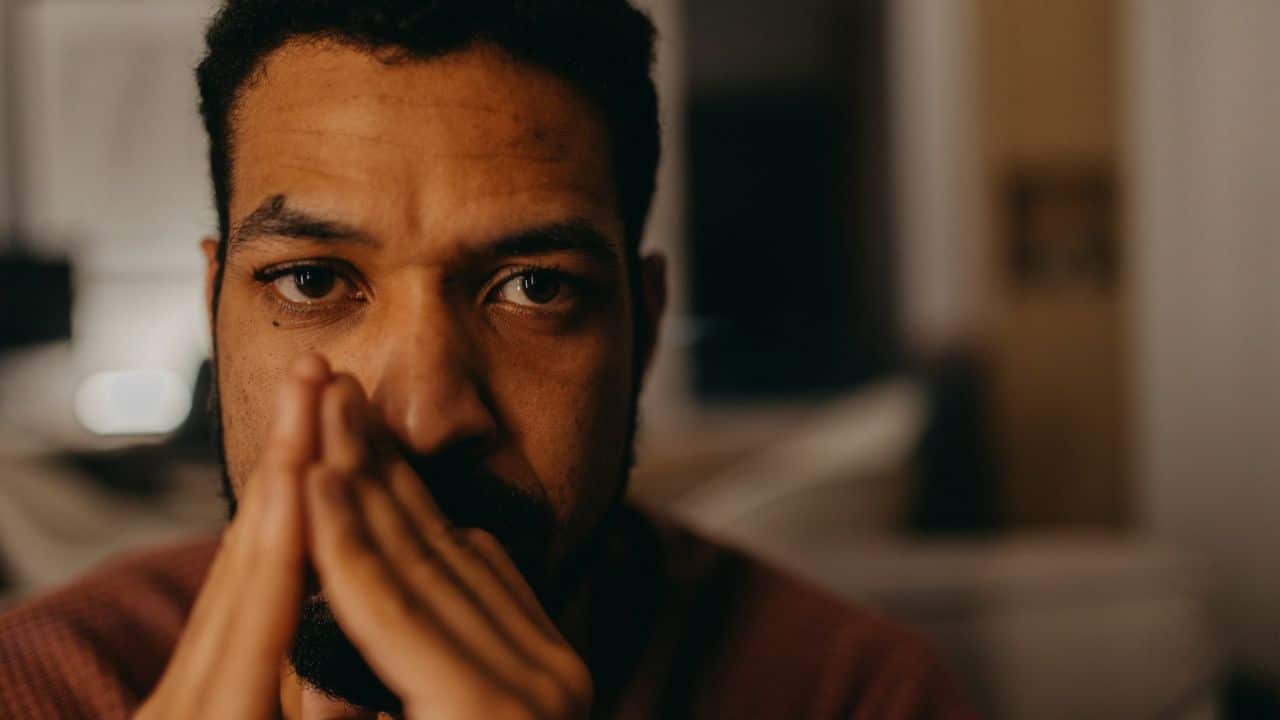
When women cry after a breakup, the world nods in understanding. When a man breaks down, people look away, or worse, mock him. That double standard leaves you feeling like your pain doesn’t matter. You bottle it up, not because you’re stronger, but because there’s no safe place to let it out. That lack of validation makes healing harder and slower.








Ask Me Anything