As kids, it’s easy to see villains as just the “bad guys”, evil for the sake of drama, disruption, or power. But with age comes perspective, and many of these so-called villains start looking a lot more human. They’re wounded, bitter, misunderstood, or simply fighting for something that once mattered. The older you get, the more you realise that pain, betrayal, and survival often shape people in ways that blur moral lines. This list isn’t about justifying actions, but understanding them. Because sometimes, the villain wasn’t born evil, they were just never given a better option.
Magneto (X-Men) – A Survivor Turned Extremist
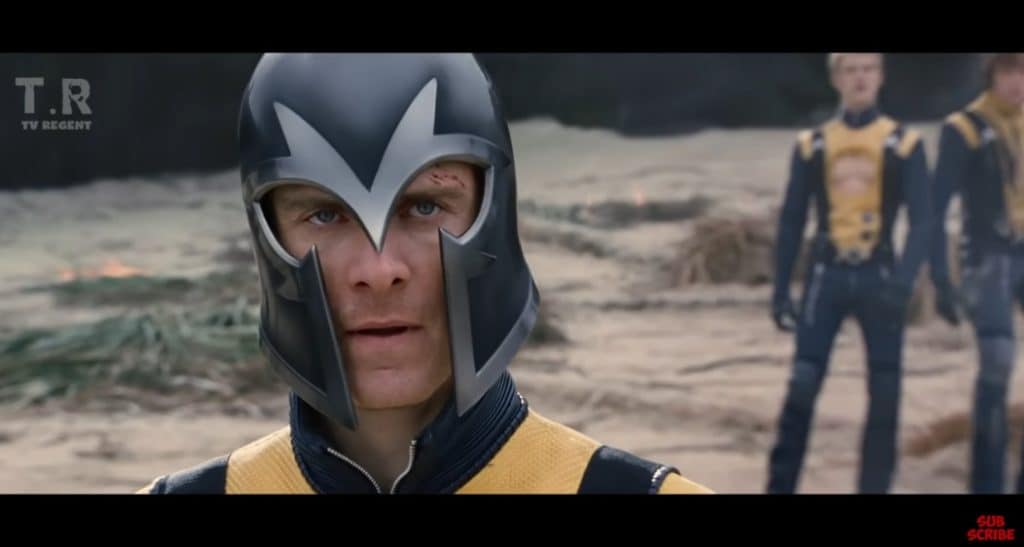
Magneto’s rage isn’t random, it’s rooted in genocide, persecution, and loss. Surviving the Holocaust shaped his entire worldview, and watching mutants face similar threats only confirmed his fear that history would repeat itself. As a child, it’s easy to root for the peaceful Professor X. But as an adult, you start to grasp why Magneto sees survival as war. His methods are harsh, but his motives are built on trauma and the desperate need to protect his kind. He’s not evil, he’s traumatised and trying to keep it from happening again.
Killmonger (Black Panther) – Justice Demanded, Not Asked
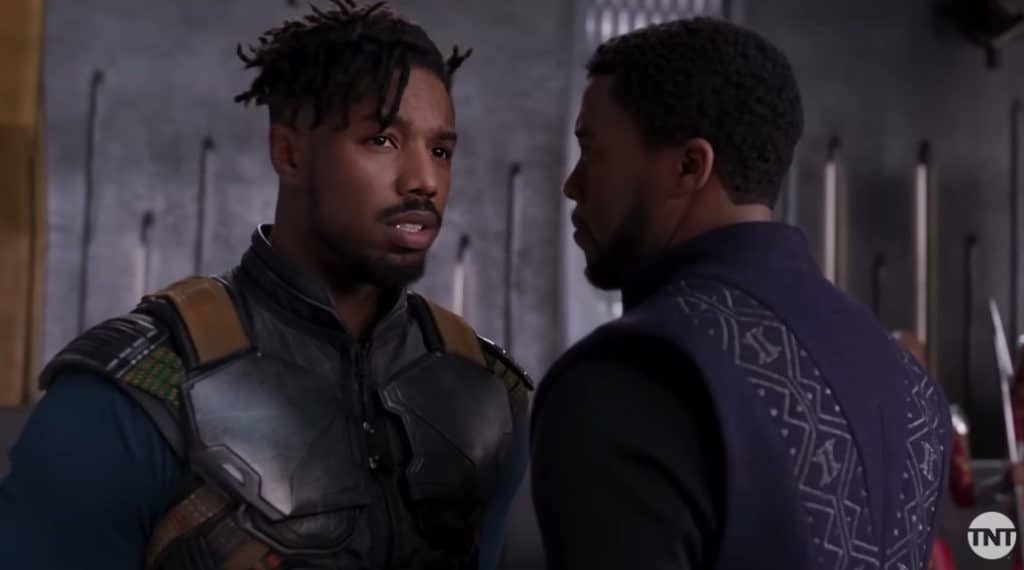
Killmonger’s aggression masks a deeper wound, he was abandoned, orphaned, and grew up watching his people suffer while Wakanda remained hidden in luxury. What looks like a hostile takeover is, from his view, reclaiming power that was always denied. As a child, it’s easier to root for T’Challa’s poise. But with adult eyes, Killmonger’s anger feels like righteous fury. He’s not mad that Wakanda exists, he’s mad they let the rest of the world burn. His story is about identity, loss, and the cost of turning your back on your own.
Severus Snape (Harry Potter) – Love, Loyalty, and Bitterness
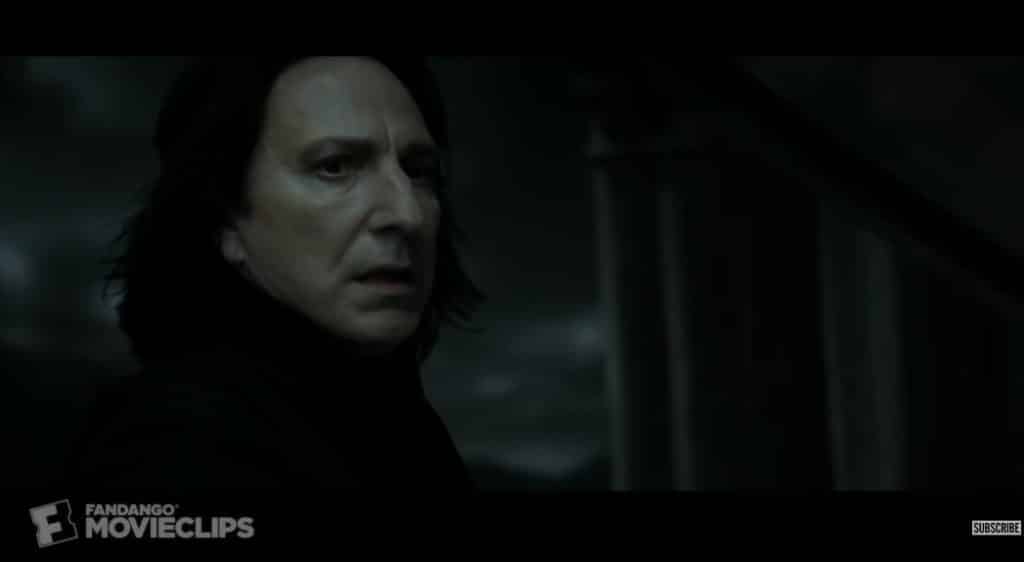
Snape’s behaviour in the series can feel cruel and petty. But knowing his full story, the heartbreak, the bullying, the sacrifice, it shifts. His harshness isn’t just bitterness, it’s pain poorly masked. He lost the love of his life, risked everything to protect her child, and never sought praise. The older you get, the more you see a man broken by love and loyalty, trapped in a system that never gave him healing. He’s not the villain he seemed, just someone who never quite recovered.
Mr. Freeze (Batman) – Love Gone Cold
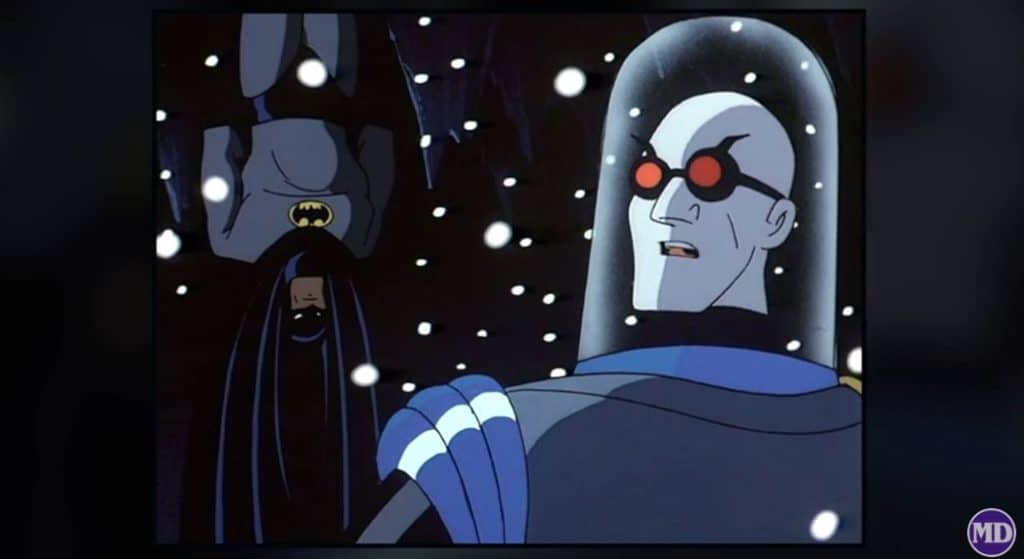
Mr. Freeze is rarely evil for the sake of it, he’s trying to save his wife. His crimes are motivated by desperation, not domination. As a kid, you see a guy in a suit freezing people. But later, you realise he’s a man sacrificing everything to keep someone he loves alive. His story is steeped in grief, science, and sacrifice. Sometimes villainy is just grief wearing armour.
Lotso (Toy Story 3) – The Pain of Being Replaced
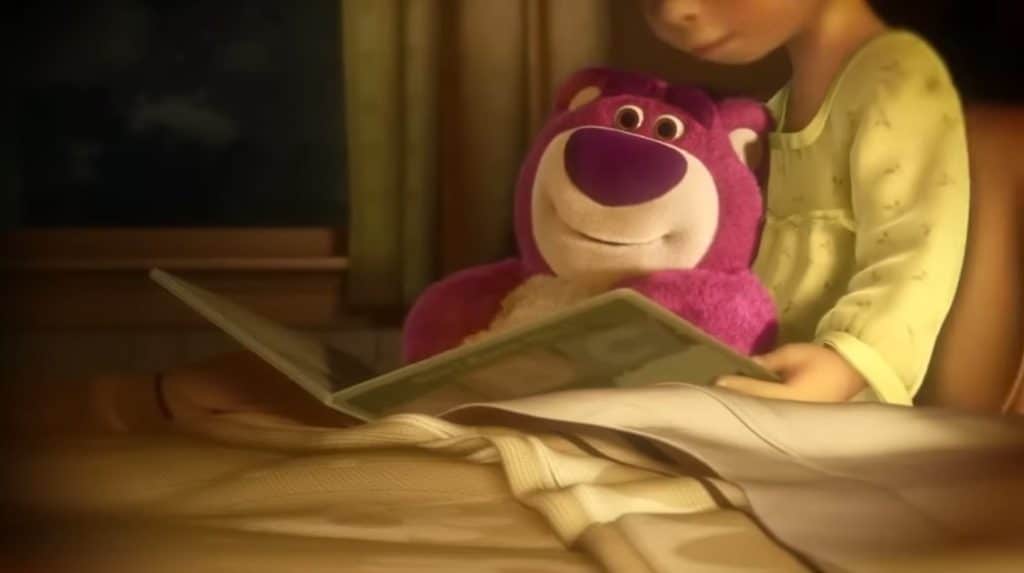
Lotso isn’t just a strawberry-scented tyrant, he’s a toy who learned that love can be conditional. Once cherished, then replaced without explanation, his bitterness grows into control. To a kid, he’s just the bad bear. But adults understand what it’s like to feel tossed aside. He built walls around himself, created structure, and made sure no one else would feel the heartbreak, by making them stop hoping. Lotso’s story is about abandonment, not evil.
Darth Vader (Star Wars) – A Fall Fueled by Fear
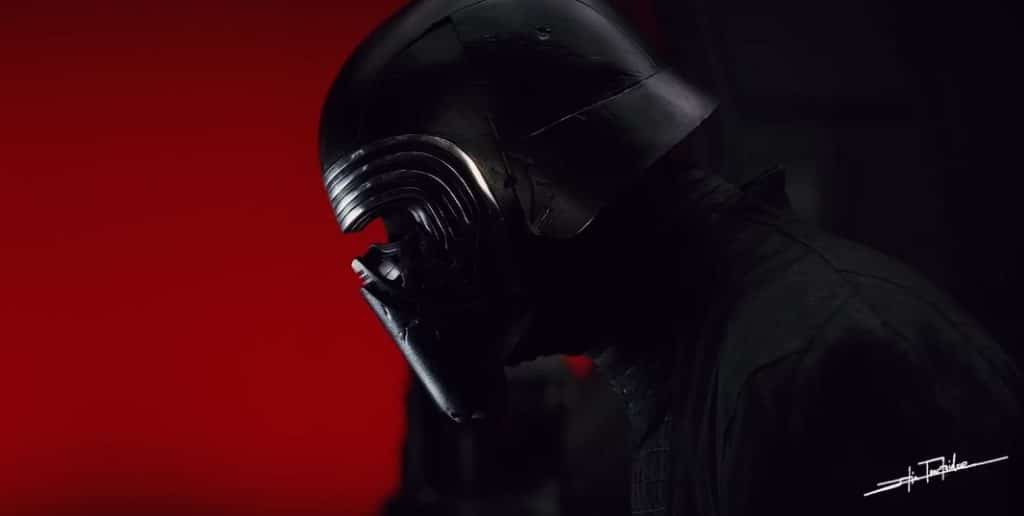
Anakin Skywalker wasn’t evil, he was scared. Scared of loss, of helplessness, of failing the people he loved. He was manipulated by a system that used fear as a weapon, and it cost him everything. As a kid, Darth Vader is the iconic villain. As an adult, he’s the warning of what happens when institutions fail emotionally vulnerable people. His redemption arc hits harder when you realise he was just a man who lost too much.
Wanda Maximoff (WandaVision) – Grief in Full Power
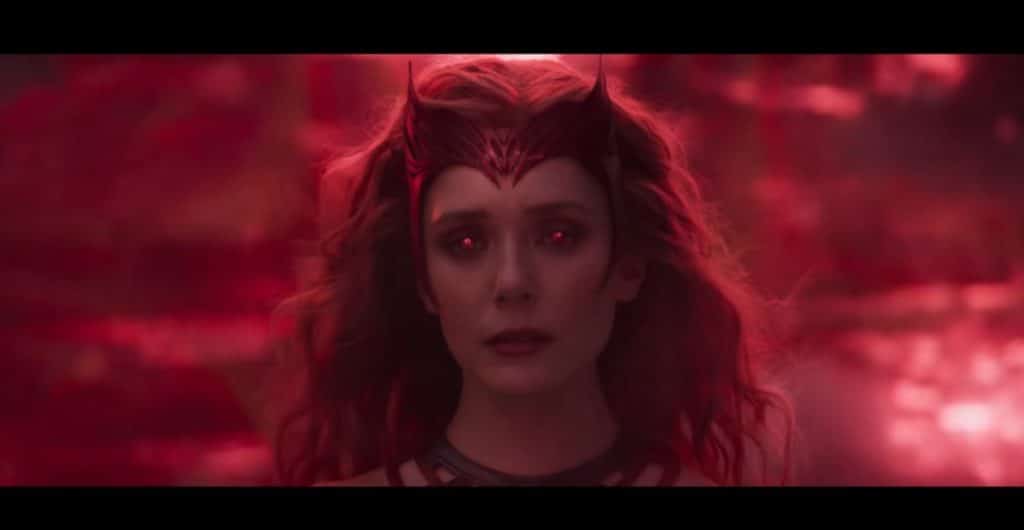
Wanda didn’t choose to be a villain, she chose to grieve, and it consumed everything around her. She lost her brother, her love, her sense of self. In creating a fantasy, she tried to reclaim the family she never had. The young viewer might label it selfish. The older viewer sees a woman undone by endless loss, clinging to something that finally made her feel whole, even if it hurt others. Wanda’s breakdown is messy, human, and painfully real.
The Tramp (Lady and the Tramp) – Freedom Isn’t Always a Choice
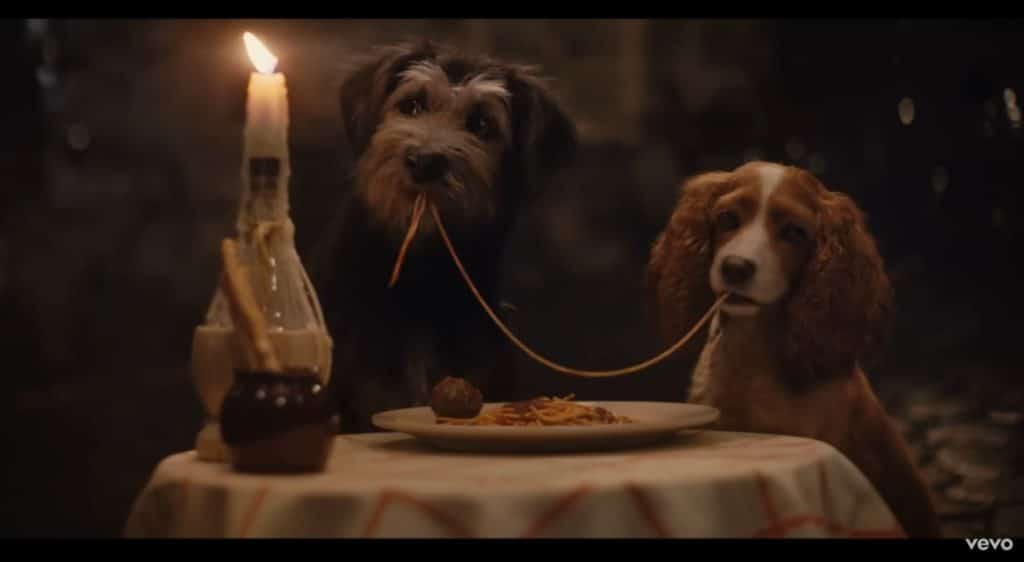
Tramp was never evil, he just didn’t belong anywhere. As kids, it’s easy to see him as reckless. But adults understand what it means to live with no safety net, always hustling to survive. His independence isn’t arrogance, it’s a necessity. He’s not against family, he’s just never had the chance to trust one. The Tramp doesn’t want to be alone; he’s just afraid to be left again.
Syndrome (The Incredibles) – The Fan Who Got Hurt
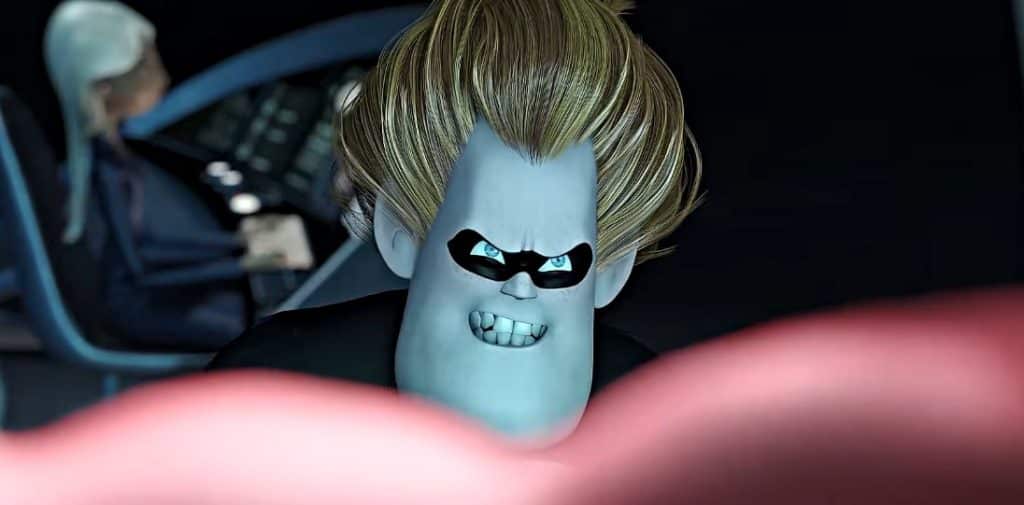
Syndrome wasn’t born evil, he was a fan who felt betrayed. As a kid, his obsession with heroes looked unhealthy. As an adult, it’s clear he wanted to be recognised, mentored, and included. When that admiration turned to resentment, it became dangerous. His revenge was childish, but the root, feeling rejected and overlooked, makes painful sense. He’s what happens when you teach people to idolise, then deny them belonging.
Zuko (Avatar – The Last Airbender) – Honour or Approval?
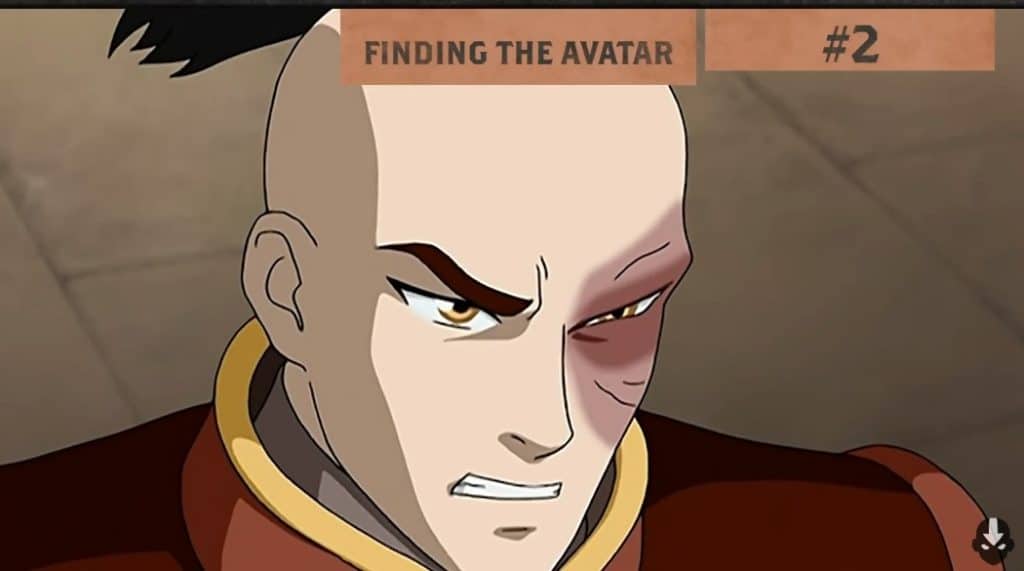
Zuko starts off angry, violent, and obsessed with earning his father’s approval. But he’s not cruel, he’s confused, and desperate to be loved. Adults recognise that hunger for validation. The realisation that your hero parent may be the villain breaks something inside you. Zuko’s journey is painful because it’s familiar, trying to become what others want, only to realise your real worth lies elsewhere. His arc is less about bending fire and more about reclaiming self.
Ursula (The Little Mermaid) – Power Exiled, Not Evil
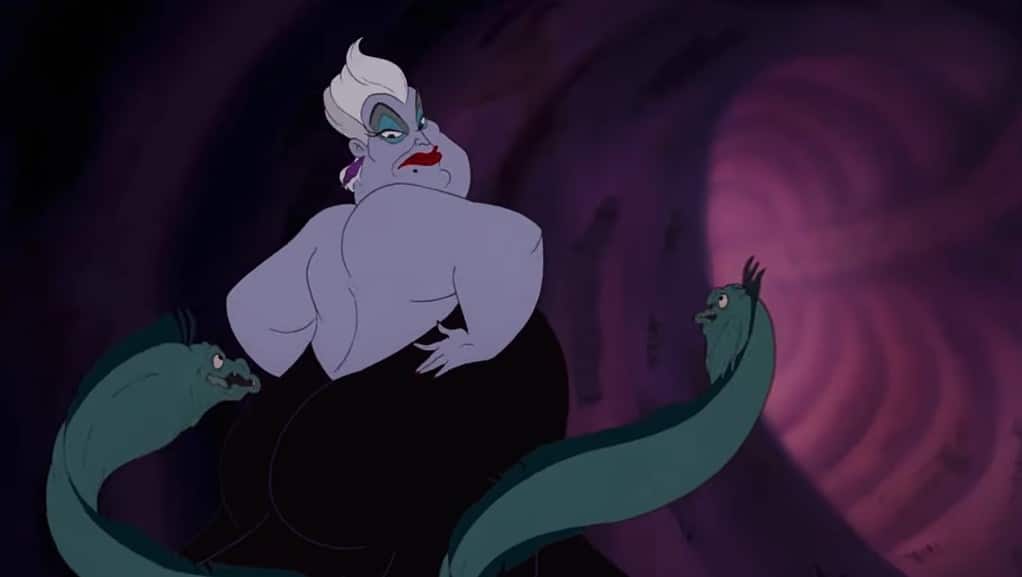
Ursula isn’t just a sea witch, she’s a woman cast out from power. In many versions, she was once part of the royal court, shunned and silenced. Her manipulation is bold, but her resentment feels earned. To a kid, she’s a scary villain. To an adult, she’s a metaphor for how society treats powerful, nonconforming women. Her villainy feels less malicious, more like revenge for being erased.
Ozymandias (Watchmen) – Sacrifice or Madness?
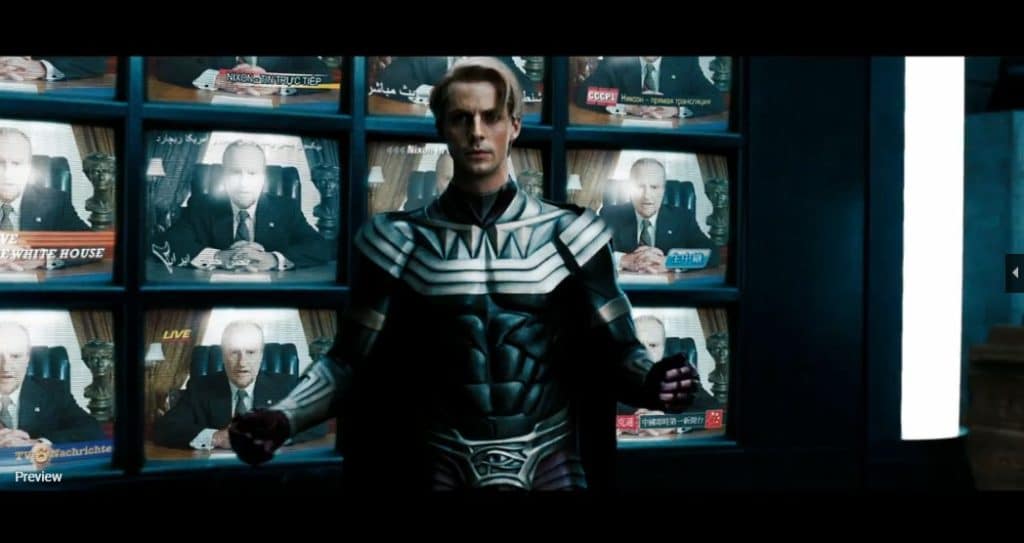
Ozymandias isn’t after money or domination, he wants peace. But his plan involves unthinkable sacrifice. As a younger viewer, it’s easy to condemn him. But age brings complexity, what if peace could only come from horror? His utilitarian logic is cold, but he genuinely believes he’s saving humanity. He’s not mad, he’s calculating on a scale few can fathom.
Maleficent (Maleficent) – Betrayal Made Flesh
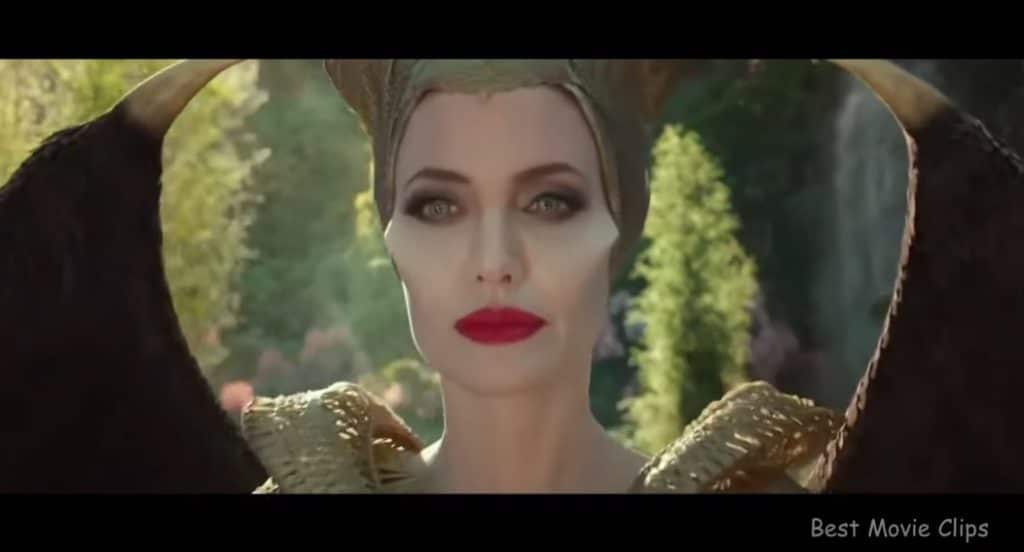
In her retelling, Maleficent wasn’t evil from the start, she was betrayed. Love, trust, and innocence were torn from her by someone she believed in. Her curse wasn’t petty, it was a cry of pain. Watching her descend into vengeance, only to find redemption in unexpected love, makes her story more human. She’s not just a fairy with a grudge, she’s a woman trying to reclaim power after being violated.
Norman Bates (Psycho) – The Loneliness That Warps Reality
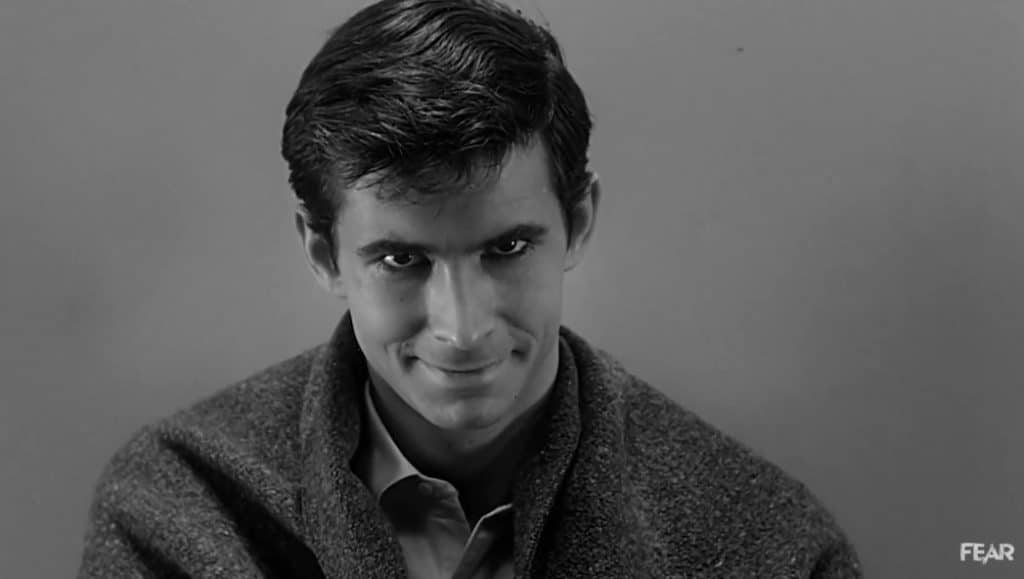
Norman Bates isn’t terrifying because he’s evil, he’s tragic because he’s broken. As you get older, his quiet desperation and isolation become harder to ignore. He’s a man shaped by emotional neglect and a warped bond with his mother, retreating into delusion to cope with unbearable loneliness. What once seemed like a shocking twist now reads as a slow collapse of someone who never got the help he needed. The horror hits deeper when you realize it’s not just madness, it’s abandonment.
The Beast (Beauty and the Beast) – Shame in Disguise
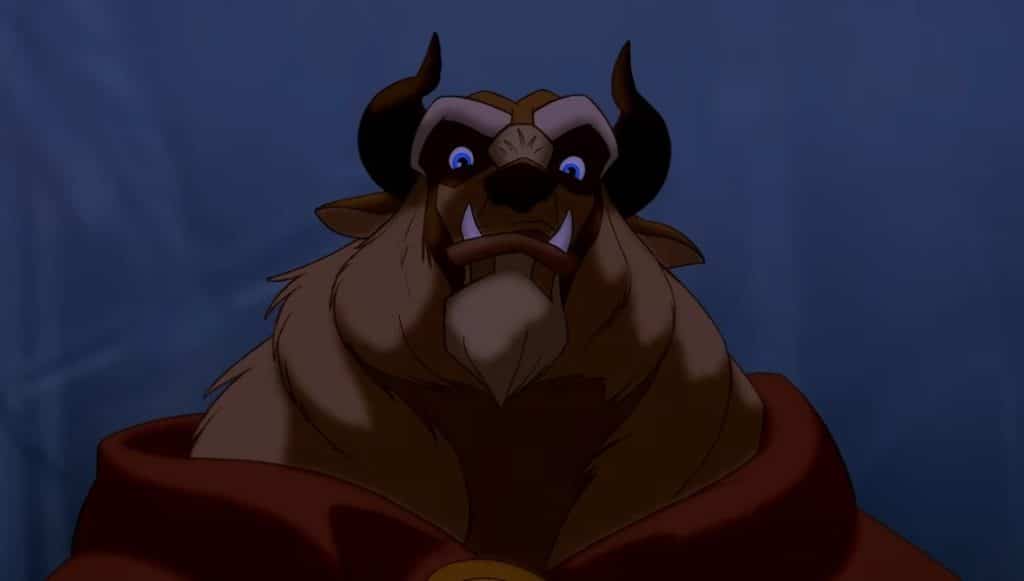
The Beast isn’t just cursed, he’s ashamed. His anger and isolation are masks for guilt, fear, and deep loneliness. As children, we see the monster. But as adults, we see a man who’s afraid he’ll never be loved again. His cruelty comes from fear, not evil. The curse wasn’t just about transformation, it was about emotional growth.
Green Goblin (Spider-Man) – Duality of Pressure and Madness
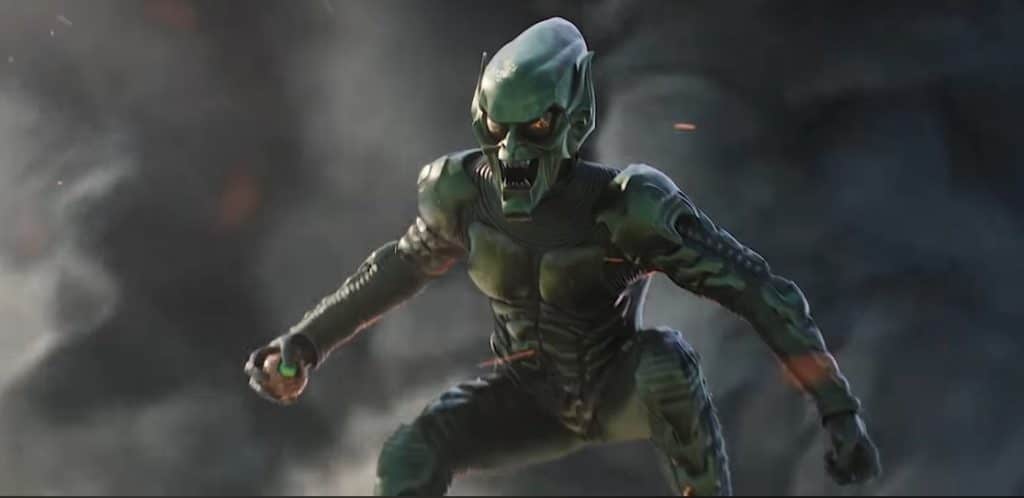
Norman Osborn wasn’t always a monster, he was a man broken by expectations. His transformation wasn’t just chemical, it was psychological. Pressure, pride, and fear of failure warped his mind. Watching him spiral feels less like fiction and more like a warning about unchecked ambition and mental strain. He’s tragic because his worst self was always lurking, just waiting to be triggered.
Gollum (The Lord of the Rings) – Addiction and Isolation
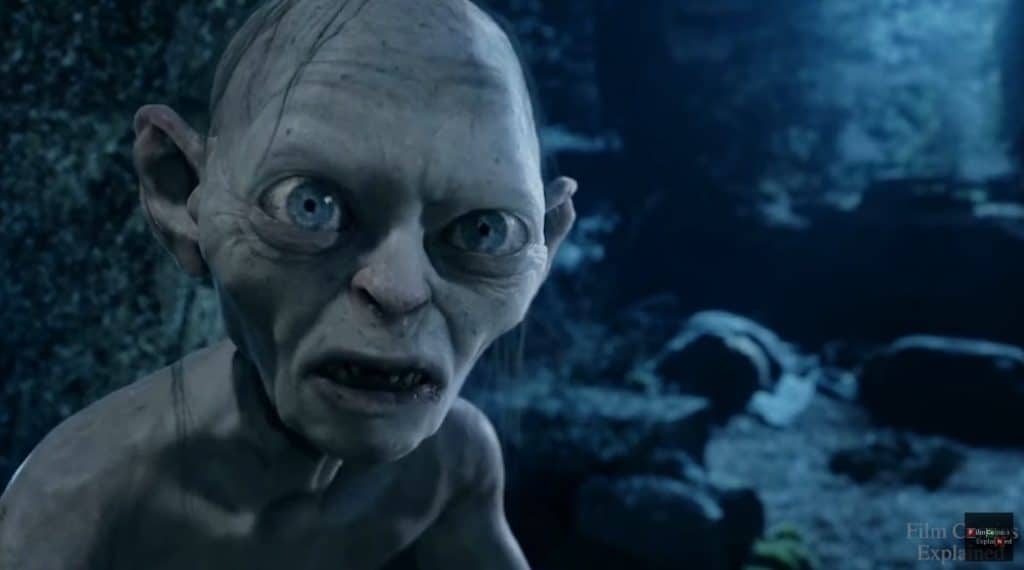
Gollum is what happens when obsession consumes you. He was once a normal hobbit-like creature, but the Ring corrupted his mind, twisting him into something unrecognisable. His split personality and desperate attachment make sense when seen through the lens of addiction and mental illness. He’s not evil, he’s trapped. And watching him cling to “precious” shows how pain can replace identity.
Mother Gothel (Tangled) – Vanity’s Desperate Grip
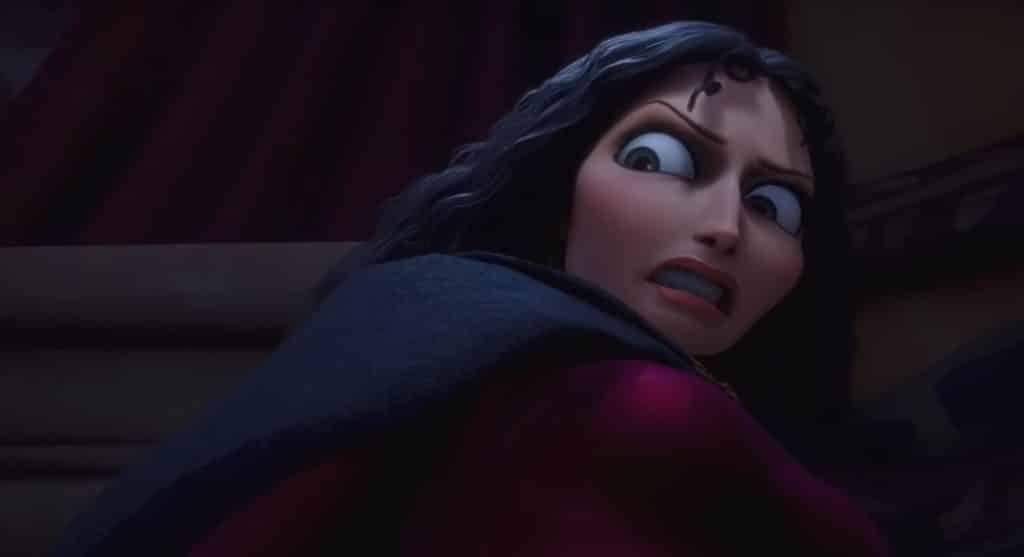
Mother Gothel isn’t a villain in the traditional sense, she’s terrified of aging, of being irrelevant. Her manipulations are cruel, but rooted in fear. As a kid, she’s the obvious bad guy. As an adult, her obsession with youth, control, and being needed hits differently. She’s the villain that mirrors the toxic side of self-preservation.
Loki (Marvel Universe) – Always Second, Never Chosen
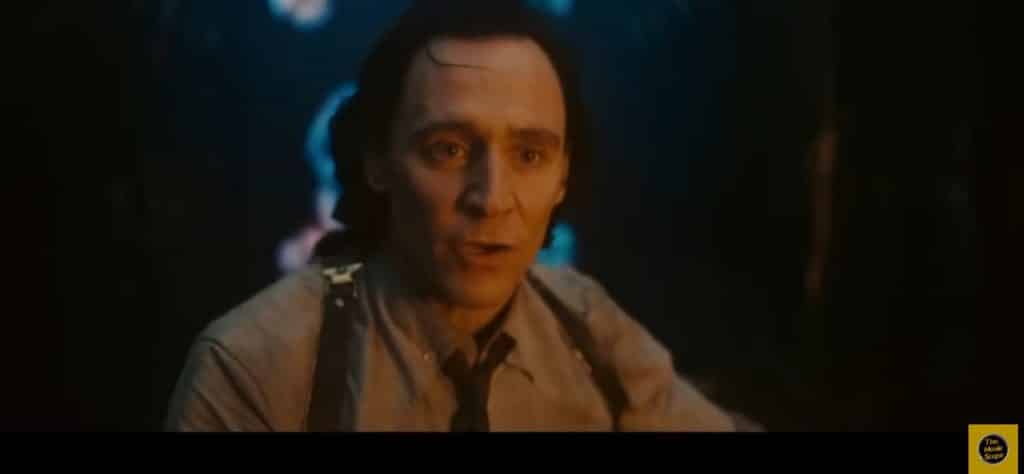
Loki’s mischief is rarely about chaos, it’s about being noticed. Always in Thor’s shadow, always the second son, his rebellion is a plea for identity. The older you get, the more you recognise how envy and insecurity fuel resentment. Loki doesn’t just want power, he wants to matter. He’s a villain who never felt seen until he became a threat.
Conclusion – Villains or Victims of Circumstance?
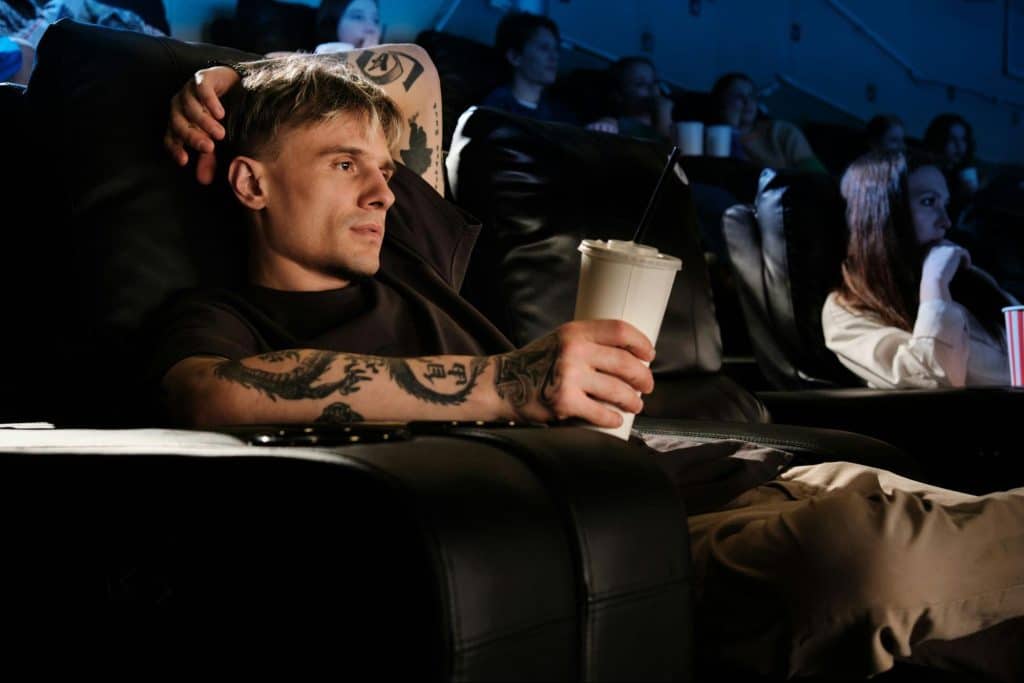
What makes these characters compelling isn’t their evil, it’s their humanity. Age strips away the cartoonish “good vs. bad” dynamic and replaces it with empathy, pain, and understanding. These villains force us to ask tough questions – What would we do in their shoes? How much villainy is choice, and how much is circumstance? Sometimes the scariest part is realising how close we all are to becoming the villain in someone else’s story. And that’s what makes these characters unforgettable.








Ask Me Anything