
Longevity isn’t found in one magic supplement or some obscure diet from a remote village. It’s tucked inside ordinary choices made consistently–things that don’t look flashy on the outside, but quietly compound into years added to your life. These aren’t loud habits. They’re the ones most people ignore because they seem too simple to matter. But they do.
This list is about what actually works. Small shifts. Subtle disciplines. Daily rituals that add up.
Let’s get into it.
1. Go to Bed at the Same Time Every Night

Inconsistent sleep isn’t just an inconvenience–it’s cellular stress. When your body doesn’t know when to shut down, it stays on alert longer than it should, driving up inflammation and undermining immune repair. Going to bed at a consistent hour (even on weekends) stabilizes your circadian rhythm, which regulates everything from hormone release to digestion to brain detox. It’s one of the quietest forms of self-respect–and your future self will thank you.
2. Walk After Meals

A ten-minute walk after eating can significantly blunt blood sugar spikes, reduce insulin load, and support digestion. It’s not about burning calories–it’s about regulating metabolism. People in the Blue Zones (regions with the highest number of centenarians) move gently but often, especially after meals. No treadmill required. Just get up, walk around the block, and let your body do what it’s designed to do.
3. Eat Until You’re 80% Full

Hara hachi bu–a principle from Okinawan culture–means stopping when you’re almost full. Not stuffed. Not miserable. Just satisfied. This one practice alone reduces digestive stress, improves energy, and helps maintain a healthy weight without obsession. Most of us eat past fullness out of habit or emotion, not need. Learning to stop at 80% rewires your relationship with food–and it shows up in your health over decades.
4. Spend More Time Around Trees

The Japanese concept of “forest bathing” isn’t new-age fluff–it’s backed by science. Time spent among trees reduces cortisol, lowers blood pressure, and strengthens immunity. Phytoncides–natural compounds released by trees–boost natural killer cell activity in your body. Even 20 minutes a few times a week has measurable effects. Nature isn’t just scenery. It’s medicine.
5. Don’t Eat Late at Night

Late-night eating isn’t just bad for sleep–it disrupts your entire metabolic cycle. Your digestive system wants to rest when you do. Eating late throws off insulin sensitivity, contributes to weight gain, and keeps your body in a stressed, alert state. If you want deeper sleep and better long-term health, finish your last meal at least two to three hours before bed.
6. Lift Something Heavy a Few Times a Week

Muscle is one of the best predictors of longevity. It’s protective, anti-inflammatory, and essential for metabolic health. You don’t need to become a bodybuilder, but you do need to resist gravity. Bodyweight training, kettlebells, resistance bands–it all counts. The key is consistency. As you age, preserving lean muscle becomes less about aesthetics and more about survival.
7. Laugh More Often

Laughter isn’t a luxury–it’s a biological reset. It lowers stress hormones, boosts immune response, and strengthens heart function. But most importantly, it reconnects you to joy. People who live long, meaningful lives often report a strong sense of humor and lightness, even in hard times. Watch something funny. Share a joke. Be around people who remind you not to take it all so seriously.
8. Drink More Water, Especially in the Morning

After a night of sleep, your body wakes up slightly dehydrated. A big glass of water first thing isn’t a trendy hack–it’s a physiological nudge back to baseline. Proper hydration helps flush toxins, lubricates joints, and supports cellular repair. Start the day with water before coffee, and you’ll think clearer, feel more energized, and give your organs the hydration they’re craving.
9. Cut Back on Ultra-Processed Foods

It’s not about being a food purist–it’s about minimizing things that quietly wreck your body. Ultra-processed foods are full of additives, seed oils, and sugar combinations that drive inflammation and disrupt gut health. The more you rely on whole, single-ingredient foods, the less your body has to fight through. Keep it simple. Shop the perimeter of the grocery store. Your cells notice.
10. Get Regular Blood Work

You can’t change what you don’t track. Annual blood work gives you a preview of what’s happening under the surface–nutrient levels, inflammation markers, hormonal balance, organ function. The earlier you catch something, the more power you have to prevent it from becoming a crisis. It’s one of the most underrated life-extending habits, and it costs far less than fixing problems later.
11. Practice Controlled Breathing

Your breath is a remote control for your nervous system. Just a few minutes a day of conscious breathing–4-7-8, box breathing, or slow exhales–can lower stress hormones, calm your heart rate, and shift your body into parasympathetic (rest-and-repair) mode. Over time, this reduces chronic stress and extends the life of your heart, brain, and immune system.
12. Say No More Often

Overcommitting slowly eats away at your energy reserves. Chronic people-pleasing leads to exhaustion, resentment, and suppressed stress. Learning to say no–clearly and kindly–isn’t just an emotional boundary. It’s a health boundary. The less energy you spend performing for others, the more bandwidth you have for your actual needs. That conservation adds up over time.
13. Build Something with Your Hands

Working with your hands–woodworking, gardening, cooking, even fixing things–anchors you to the present. It improves coordination, calms the mind, and gives your brain a break from passive digital consumption. People who live long lives often have hobbies that involve physical creation. It doesn’t need to be fancy. Just tactile.
14. Take Care of Your Teeth

Oral health is whole-body health. Poor gum hygiene has been linked to heart disease, cognitive decline, and chronic inflammation. Flossing and regular cleanings aren’t just cosmetic–they’re a frontline defense against systemic illness. If you wouldn’t skip a heart checkup, don’t skip your mouth. It’s all connected.
15. Spend Time Around People Who Energize You

Social connection doesn’t just make life richer–it makes it longer. Isolation is a mortality risk factor as serious as smoking. But not all company is equal. Prioritize relationships that nourish you, challenge you, and remind you who you are. Quality over quantity. Five energizing people are better than fifty indifferent ones.
16. Embrace Boredom Without a Screen

Constant stimulation isn’t neutral–it taxes your brain and shortens your attention span. Taking time to just… be–without scrolling or noise–restores your mental bandwidth and sharpens creativity. Long-term thinkers and high-functioning elders often have a deep tolerance for quiet. They don’t need to be distracted to feel alive. That ability is a modern superpower.
17. Stretch Before Bed
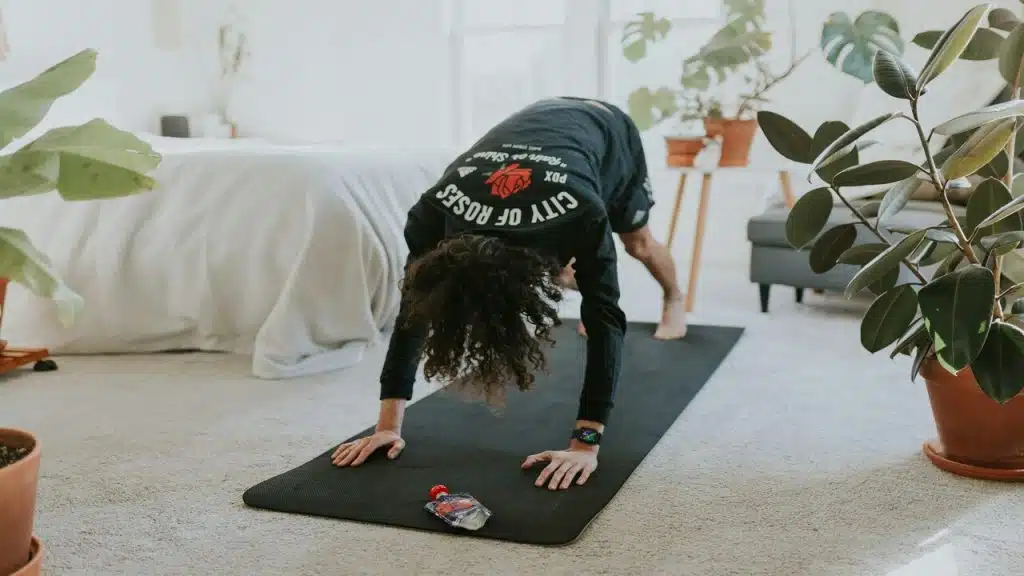
Tension builds throughout the day–physically and mentally. A few minutes of gentle stretching before bed sends a signal to your body that it’s safe to rest. It improves sleep quality, joint mobility, and circulation. Plus, it gives you a chance to slow down, breathe, and transition into a different pace. Longevity isn’t just about intensity–it’s about rhythm.
18. Make Peace with Your Life As It Is
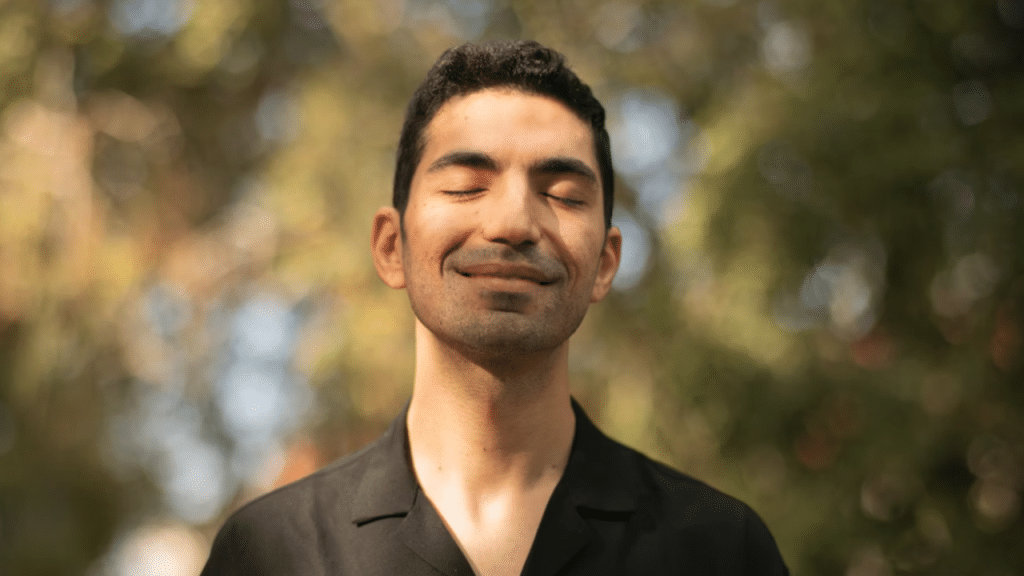
Acceptance isn’t giving up–it’s giving yourself room to breathe. When you stop fighting every part of your life and start working with what is, stress levels drop. Gratitude rises. And your body responds. People who live longest often carry a quiet peace–not because everything’s perfect, but because they’ve stopped resisting reality. That shift can add years.








Ask Me Anything