
Separation might throw life off balance, but co-parenting doesn’t have to. There’s a way to create stability without constantly feeling like you’re juggling fire. With the right mindset (and a bit of trial and error), it can feel less like a chore and more like a rhythm you actually get into.
Especially when kids are involved, every decision, every pickup, and every chat matters. Here are 20 tips to make co-parenting work after you and your partner have gone separate ways.
1. Agree on the kids coming first

No surprise here. Kids notice everything. From the tone of your voice to the silence in a room, they can sense tension a mile away.
Making the kids your north star sets the direction for everything else. Decisions get easier, ego takes a backseat, and squabbles over little stuff lose steam.
2. Keep communication clean and clear

Text threads don’t need to read like novels. Short, direct, respectful. That’s the goal.
Keeping communication practical, like times, dates, or changes, makes life easier. When things get heated, take a breath before responding. It’s a small move that saves major drama.
3. Stick to a shared schedule

Nothing adds stress faster than confusing over who has the kids and when. Life’s already complicated enough.
A consistent routine isn’t just for the grown-ups. Kids thrive on structure. It helps them feel grounded, especially when everything else around them is shifting.
4. Respect each other’s time

Running late happens. Emergencies pop up. But regular disregard for the other parent’s time is a fast track to resentment.
Giving each other the benefit of the doubt (at least most of the time) builds a lot more goodwill than nitpicking over five minutes.
5. Don’t badmouth the ex

Yeah, even if they’re being difficult. Even if they started it, especially then.
Kids don’t need to carry the emotional weight of adult relationships. Keeping your thoughts to yourself protects their relationship with both parents, and that’s a valuable asset to have.
6. Handle transitions like a pro

Swapping kids between households can feel a little clunky at first. A rushed handoff in a parking lot, an awkward hello… yeah, it can be weird.
But turning handovers into something smooth and predictable helps the kids feel more secure. It shows them the grown-ups are handling things, even when it’s a bit awkward behind the scenes.
7. Match rules when possible

But aligning on basics like bedtimes, screen limits, and how you discipline goes a long way in keeping kids from feeling like they’re living double lives. Plus, fewer “But at Mom’s or Dad’s house…” arguments.
8. Let go of the small stuff
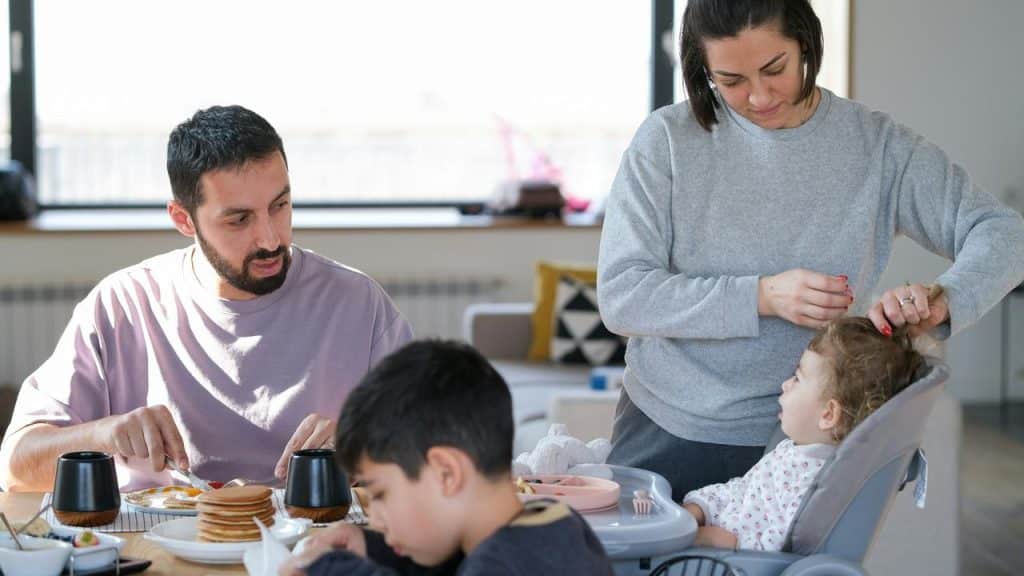
Every little disagreement doesn’t need a debate. Not everything is a hill worth climbing.
Focusing on the bigger picture keeps things moving. Is the kid safe, healthy, and happy? Then maybe it’s okay if the clothes came back wrinkled or someone forgot to return a water bottle.
9. Don’t introduce new partners immediately

Introducing someone new into the mix is a big deal for everyone, especially the kids. The last thing you want is to break the harmony between your ex and the children.
When the time does come to introduce this new person, make sure communication is open to your ex and your kids. Set boundaries and expectations early to avoid conflict down the line.
10. Don’t treat parenting like a competition

It’s not a race to be the “fun” one. Spoiling the kids or badmouthing the other parent to score points backfires. Always.
Kids remember who showed up and who listened, who stayed consistent. That’s what matters more than any extra dessert or weekend trip.
11. Be flexible when it counts

Plans will change. Holidays, school events, illnesses, random curveballs.
Being rigid all the time adds pressure to a system already trying to find its balance. A little flexibility makes room for life to happen without turning every hiccup into a standoff.
12. Support your child’s bond with the other parent

Your kid loving their other parent isn’t a threat. It’s a gift.
Encouraging a strong relationship with both parents creates emotional stability. It teaches them that love isn’t a finite thing, and that’s a pretty powerful lesson to grow up with.
13. Lean on neutral drop-offs if needed

If emotions are still raw, there’s no shame in picking a neutral spot for exchanges. School, daycare, or a trusted third party can help take the edge off.
What matters is removing tension from the equation so kids don’t get caught in the crossfire. That’s the real win.
14. Talk to your kids often

It’s easy to assume everything’s fine when kids aren’t speaking up. But silence doesn’t always mean peace.
Checking in regularly helps kids feel seen. Just a “How are you feeling about everything lately?” can open doors, even if the answer is just a shrug.
15. Get your own support system

Co-parenting can feel like running a marathon with no finish line. Doing it without support? Brutal.
Friends, family, or a counselor you actually vibe with can keep you grounded. You’re not meant to carry all the weight alone.
16. Avoid using kids as messengers

Sending a “Tell your mom…” through your kid turns them into a middleman. That’s pressure no child should carry.
Keep adult conversations between adults. Let kids be kids. Simple as that.
17. Own your part in conflicts

Everyone messes up. Everyone has a bad day or says something they shouldn’t.
Owning your mistakes (yep, even when it’s hard) shows your kids what accountability looks like. It also keeps tension from dragging on longer than it needs to.
18. Celebrate shared wins

Even if your relationship didn’t last, raising decent humans together is a shared mission. When something goes well, like a school play, a big test, or even a smooth week, give each other some credit.
You’re still a team in some form. Celebrating little victories keeps that team spirit alive.
19. Focus on consistency

No one nails co-parenting right out of the gate. You’ll miss cues, get frustrated, and say the wrong thing.
The goal isn’t perfection. It’s showing up. Trying again. Keeping things steady, even when the pieces feel scattered.
20. Keep your eyes on the long game

It’s easy to get lost in day-to-day logistics, but what really matters is the big picture. Raising kind, confident, well-adjusted humans.
That only happens when co-parents act like teammates. Maybe not best friends, but partners in raising their kid right. One step at a time.








Ask Me Anything