
Self-respect isn’t loud. It doesn’t beg for validation or show off in a room. Instead, it’s built quietly–through the way you treat yourself when no one’s watching. These habits don’t require applause, but over time, they radically shift how you see yourself. If you’ve ever wanted to feel more solid, more grounded, and less swayed by the opinions of others, this list is for you.
Here are 17 subtle habits that, practiced consistently, build real self-respect from the inside out.
1. Keeping the Promises You Make to Yourself

You might not break your word to others, but how often do you bail on yourself? That 6 a.m. workout, the commitment to eat cleaner, or even the promise to rest more–all of these are trust deposits in your own bank. Every time you follow through, you reinforce that your word matters. Self-respect starts with self-trust. If you can’t rely on you, who can?
2. Speaking Kindly to Yourself (Even When You Mess Up)

The voice in your head is powerful. If it’s cruel, sarcastic, or constantly critical, your confidence erodes over time. Practice interrupting negative self-talk. Speak to yourself the way you’d speak to someone you respect. Mistakes don’t make you unworthy–they make you human. Compassion doesn’t lower standards; it helps you rise without shame.
3. Walking Away from What Diminishes You

You know the feeling–when you leave a conversation, a job, or a relationship and feel smaller. Self-respect grows when you start walking away from those things, even if they’re familiar or convenient. Whether it’s someone who constantly talks over you or a situation that drains your spirit, choosing yourself is a quiet form of power.
4. Finishing Things You Start (Even If Imperfectly)

Completion matters. It’s not about perfection–it’s about honoring your own momentum. When you get in the habit of finishing what you begin, even if it’s clumsy or awkward, you train yourself to value your own time and effort. Self-respect is built through follow-through, not flawless outcomes.
5. Protecting Your Rest Like It’s Sacred

We glorify hustle and burnout–but someone who truly respects themselves knows when to stop. Prioritizing rest isn’t lazy; it’s foundational. Go to bed when you said you would. Take breaks without guilt. You teach yourself that you matter not just when you’re productive, but also when you’re simply being.
6. Setting Boundaries Without Over-Explaining

Self-respect often shows up in the form of a simple “no.” When you stop feeling the need to justify every limit you set, that’s a shift. You don’t owe everyone an explanation. Boundaries are not walls–they’re clarity. And people who respect themselves don’t apologize for needing peace.
7. Being Selective With Who Gets Your Energy

Time isn’t your only resource–your energy is just as precious. Who gets access to you matters. Are you giving your best to people who wouldn’t do the same for you? Start choosing wisely. Self-respect grows when you stop handing your emotional bandwidth to anyone who asks for it.
8. Dressing in a Way That Honors How You Want to Feel

Clothes aren’t just clothes–they’re a message to yourself. Are you dressing in a way that reflects your worth or just trying to disappear? You don’t have to be trendy, but intentional dressing signals self-respect. When you put effort into your appearance, it’s not vanity–it’s self-recognition.
9. Admitting When You’re Wrong Without Losing Dignity
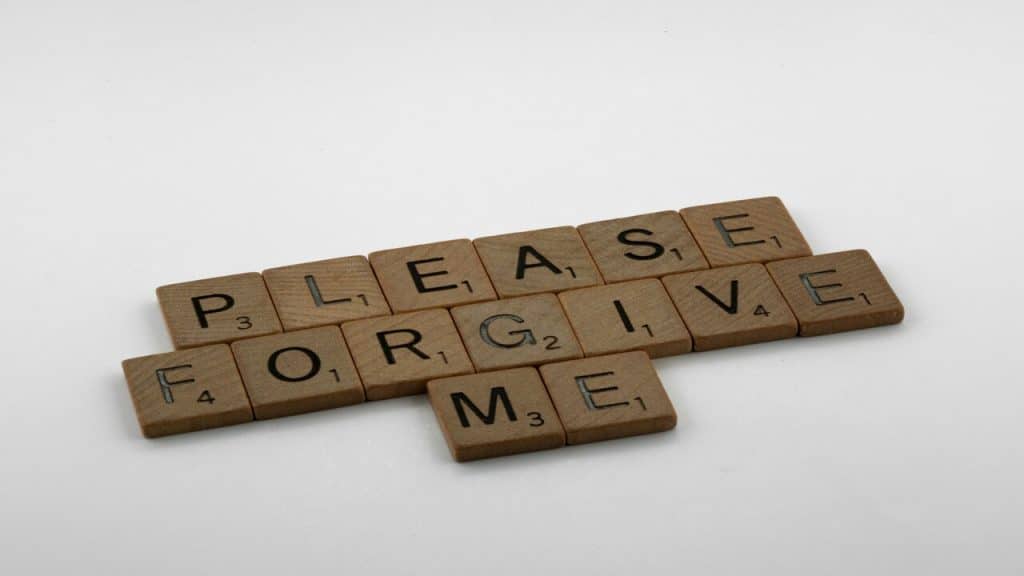
Owning your mistakes doesn’t make you weak–it makes you trustworthy. People who respect themselves don’t need to pretend they’re perfect. They apologize, learn, and move on without collapsing into shame. Real dignity isn’t about being right; it’s about being honest.
10. Cutting Off Negative Self-Comparison

Comparison is a thief, especially when it’s silent and constant. Every time you measure yourself against someone else’s timeline or success, you chip away at your own worth. Practice redirecting that energy inward. What do you want? What would your life look like without the pressure to match someone else’s?
11. Practicing Disciplined Delays (Not Constant Denial)

Self-respect isn’t about punishing yourself. But it is about delaying impulses when something better is on the other side. Saving money instead of spending it all. Waiting to speak until you’ve calmed down. Holding off on a comfort habit until you’ve checked in with yourself. These small delays build inner strength–and that strength becomes self-respect.
12. Learning How to Sit With Discomfort

Respecting yourself doesn’t mean avoiding hard things–it means trusting that you can handle them. Whether it’s grief, boredom, awkwardness, or uncertainty, building tolerance for discomfort is key. Avoidance might feel good in the moment, but sitting with it shapes someone who doesn’t run from life.
13. Saying “Thank You” Instead of Downplaying Compliments

When someone compliments you, do you deflect? Laugh it off? Self-respect shows up in how well you receive. Practice saying “thank you” and leaving it at that. No minimizing. No “oh, it was nothing.” Taking up space doesn’t mean arrogance–it means you’re finally letting your wins land.
14. Curating What You Consume (Mentally and Emotionally)

What you scroll, watch, read, and listen to shapes you. If you want to respect yourself more, start editing your inputs. Are you feeding your mind things that inspire and ground you, or things that keep you stuck in comparison, outrage, or numbing? Input determines mindset. Curate wisely.
15. Stopping the Habit of Over-Apologizing

There’s a time and place to apologize. But when “sorry” becomes filler in your sentences–“sorry for asking,” “sorry for existing”–you shrink yourself. Start replacing over-apologizing with clarity. Say “thank you for your patience” instead. Or “I’ll get back to you when I can.” You’re allowed to take up space without guilt.
16. Letting Go of What You’ve Outgrown (Without Shame)

Old goals, outdated friendships, former versions of yourself–it’s okay to move on. Growth requires shedding. You don’t have to explain why you’re changing or evolving. When you stop clinging to what no longer fits, you tell yourself: “I’m worth growing for.” That’s self-respect in motion.
17. Making Time for Joy (Even When You’re Busy)

Joy isn’t frivolous. It’s fuel. Making time for the things that make you laugh, light up, or breathe easier isn’t a luxury–it’s an act of self-honoring. Busy seasons will always exist. But carving out moments of delight says you matter beyond your to-do list. And that quiet, consistent joy? That’s how self-respect stays alive.








Ask Me Anything