
Resilience isn’t about having thick skin or pretending nothing gets to you. It’s about learning to take the hit–and keep walking forward anyway. It’s quiet inner strength, built slowly and deliberately. And much of it starts with how you think. Not what you say you believe, but the default beliefs you act on when life gets hard.
The good news? Mindsets can change. And when they do, they shape how you respond to setbacks, conflict, stress, and loss. Here are 18 subtle but powerful mindset shifts that will make you more resilient–not just in theory, but in the middle of real-life challenges.
1. Expect That Life Will Be Unfair Sometimes

Resilient people don’t wait for life to be fair before they start living. They’ve made peace with the idea that some things won’t make sense, and some people won’t play fair–and they keep showing up anyway. This doesn’t mean becoming cynical. It means learning how to hold disappointment without letting it poison your hope or drive. Life doesn’t owe you symmetry. But you owe yourself the effort to move forward with dignity.
2. See Setbacks as Data, Not Identity

The most resilient people learn to treat failure like feedback. Not a verdict on their worth, but data they can use to adjust. If you bomb a pitch, stumble in a relationship, or fall off your health routine–don’t make it mean you’re doomed or broken. Analyze it. What went wrong? What can you tweak? People who bounce back don’t internalize losses; they study them.
3. Stop Over-Identifying with Emotion

Resilience means being able to say, “I feel anxious” instead of “I am anxious.” That one word–feel–creates space. Your emotions are valid, but they are not your whole identity. Learn to notice them, name them, and still choose your next move. People who collapse under stress often fuse with their feelings. Those who can acknowledge pain without becoming it tend to recover faster.
4. Shift from “Why Me?” to “What Now?”

“Why me?” keeps you circling pain with no exit. “What now?” gets you moving again. It’s not dismissing what happened–it’s pivoting to a more useful question. The shift here is from rumination to agency. You may not have caused the mess, but you still get to decide your next right step. That shift alone is where grit begins.
5. Know That Confidence Is Built, Not Bestowed

Many wait for confidence before they act. Resilient people act and let confidence catch up. They understand it’s not a trait–it’s a result of repeatedly showing up, failing, learning, and doing it again. If you want to feel capable, stop waiting to feel ready. Start by taking small, brave steps and letting experience reshape how you see yourself.
6. Understand That Growth Feels Uncomfortable

If you’re growing, you’re probably going to feel awkward, exposed, or even incompetent. That’s the tax of transformation. Resilient people don’t mistake discomfort for a problem–they recognize it as a signal they’re stretching beyond the familiar. They embrace the growing pains because they know what’s on the other side is worth it.
7. Accept That Other People’s Reactions Aren’t Always About You

People snap, ghost, overreact, or pull away–and yes, sometimes it’s personal. But more often, it’s their own fear, baggage, or unprocessed stress speaking. Resilient people learn to stop making every reaction a referendum on their worth. This mindset gives you emotional distance so you don’t get dragged down by other people’s chaos.
8. Learn to Respond Instead of React

Reacting is instinctual. Responding is intentional. The resilient pause before they speak. They let the first wave of emotion pass before deciding how to act. This isn’t suppression–it’s skill. It keeps you from adding more damage to a difficult moment. Slowing down doesn’t make you weak. It makes you wise.
9. Believe That You Can Handle Hard Things

This isn’t toxic positivity. It’s earned self-trust. Resilient people may not like what they’re going through, but they believe they can get through it. That belief isn’t always loud–but it’s there, like a pilot light. And it gets built by doing hard things one step at a time and remembering that you didn’t break.
10. Let Go of the Timeline in Your Head
Resilience weakens when you cling to rigid timelines–when healing, success, or clarity “should’ve happened by now.” Life isn’t a race. Resilient people allow things to unfold at their own pace. They show up consistently, even when the outcome is delayed. Letting go of the timeline doesn’t mean giving up. It means staying present and persistent without burning out.
11. Reframe Struggle as Part of the Process
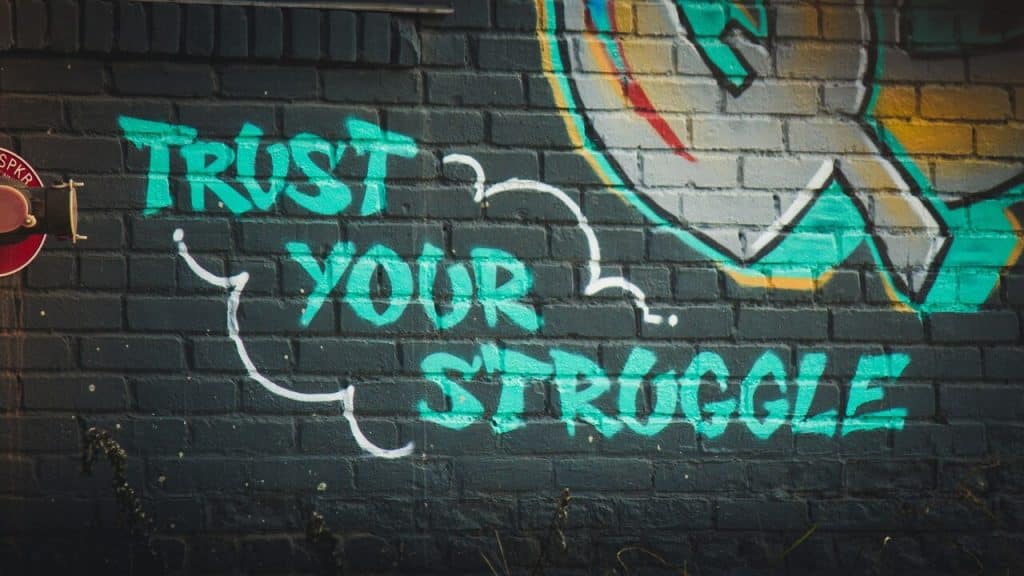
Struggle isn’t a sign that something’s gone wrong. Often, it’s a sign that something meaningful is happening. When you reframe struggle as a companion to progress, not an obstacle, it changes how you endure it. Instead of asking, “Why is this happening to me?” try asking, “What is this teaching me?” That reframing keeps you grounded when things get hard.
12. Drop the All-Or-Nothing Thinking

Resilient people make room for progress, not perfection. They don’t scrap the whole plan just because one day went sideways. All-or-nothing thinking creates unnecessary suffering. Flexibility, on the other hand, helps you adapt and stay consistent, even through setbacks. It’s not about flawless execution–it’s about staying in the game.
13. See Boundaries as Protection, Not Punishment

Some people feel guilty setting boundaries because they think it’s selfish or harsh. Resilient people see boundaries as a form of self-respect. They protect your energy, your time, and your sanity. They don’t wall you off from the world–they help you show up better in it. Learning this shift makes you less reactive and more at peace.
14. Don’t Wait to Be Motivated to Act

Resilient people don’t worship motivation. They build discipline. They know that motivation is inconsistent, but structure isn’t. If you want to build momentum, anchor your actions to a system–not a mood. Some of your most important growth will happen on the days you least feel like showing up.
15. Make Peace with the Past Without Rewriting It

Resilience requires that you face the past without letting it define you. That means grieving what hurt you, forgiving what drained you, and learning what shaped you–without rewriting history to make it more bearable. You don’t have to pretend it didn’t happen. But you also don’t have to relive it on a loop. That emotional distance is where freedom lives.
16. Assume You Still Have Something to Learn

Curiosity keeps you from becoming brittle. Resilient people don’t confuse confidence with certainty. They stay teachable, open, and willing to change their mind when they learn something new. That mindset makes you adaptable. And adaptability–not rigidity–is what helps you thrive when life doesn’t go as planned.
17. Stop Measuring Yourself Only by Output

You are more than your productivity. Resilient people know how to rest without guilt. They understand that recovery, joy, and connection are just as essential as hustle. When your self-worth isn’t tied to constant output, you bounce back faster from burnout, criticism, or failure–because your value isn’t on the line every time.
18. Trust That Resilience Isn’t All-Or-Nothing

You don’t have to be unshakable to be resilient. Some days you’ll be strong. Some days you’ll cry in the shower and still show up to work. Real resilience is messy, inconsistent, and deeply human. The shift is this: stop trying to be bulletproof. Start trying to be flexible. That’s what makes you unbreakable in the long run.








Ask Me Anything