
Not every health issue comes with a loud warning. For men over 35, small signs, like low energy, thinning hair, or brain fog, might actually point to nutrient deficiencies. The body’s needs change with age, stress levels, and lifestyle. Ignoring these signs can lead to bigger problems down the road. This list covers common early indicators that something might be missing, and what to look out for.
Constant Fatigue Despite Sleep

Always feeling tired, even with a full night’s sleep, could signal low iron or B12 levels. These nutrients are essential for oxygen transport and energy metabolism. Without them, the body slows down on a cellular level. Men may feel like they’re dragging all day, even when not overly active.
Mood Swings or Low Motivation

Feeling emotionally flat or easily irritable might not be “just stress.” Low vitamin D, magnesium, or omega-3s can mess with brain chemistry. These deficiencies are common in men who work indoors or don’t supplement. Addressing the root causes often lifts the fog.
Trouble Concentrating or Brain Fog

Zinc, B vitamins, and essential fatty acids help with mental clarity. A deficiency in these nutrients can slow thinking and impair memory. Brain fog isn’t always psychological, sometimes, it’s biochemical. Men over 35 are especially at risk due to gradual nutrient absorption decline.
Thinning Hair or Hair Loss

Iron, zinc, and biotin all play roles in hair health. A slow loss of volume or early graying can point to deficiencies, not just aging. Men often overlook hair changes, chalking them up to genetics. But poor nutrition can be a major factor.
Dry or Cracking Skin
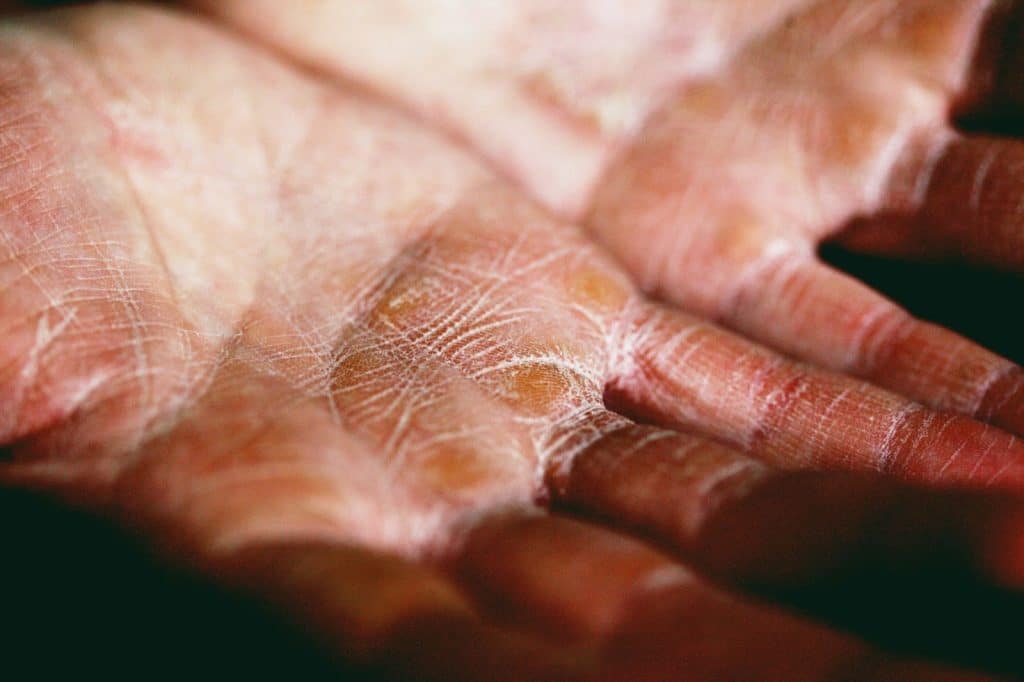
Skin that feels rough, itchy, or easily irritated may lack vitamin A, omega-3s, or vitamin E. These nutrients help maintain the skin’s protective barrier. Without them, the skin becomes more vulnerable to damage, even in mild weather.
Brittle Nails or White Spots

Nails are a good snapshot of inner health. White spots may signal low zinc. Brittle or peeling nails can indicate deficiencies in biotin, iron, or magnesium. These signs are easy to miss but can offer early clues about nutritional gaps.
Frequent Colds or Infections

If minor illnesses seem to linger or happen more often, immune-supportive nutrients may be lacking. Vitamin C, D, and zinc are essential for immune function. A weak immune response can quietly build over time with insufficient intake.
Persistent Digestive Issues

Chronic bloating, constipation, or nausea may stem from magnesium or fiber deficiencies. B-vitamins also support gut lining health. These issues are often misattributed to aging but may actually improve with targeted nutritional support.
Bleeding Gums or Oral Issues
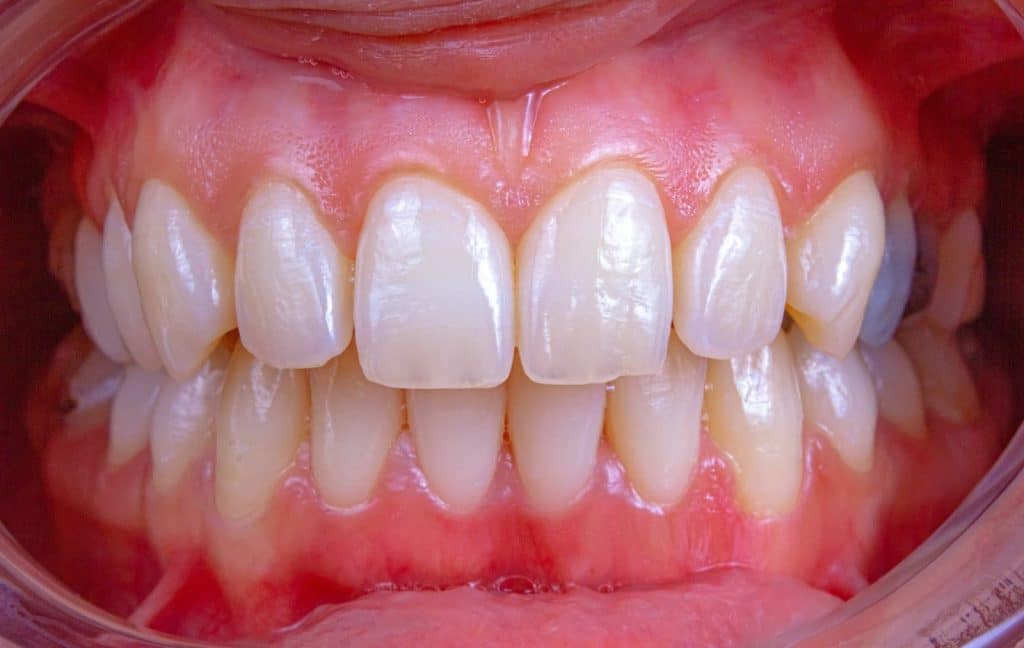
Inflamed or bleeding gums, even with good brushing habits, can be an early sign of vitamin C deficiency. This nutrient supports collagen production in connective tissues, including the gums. It’s a subtle sign, but one worth paying attention to.
Muscle Cramps or Twitching

Random cramps or muscle spasms may be due to low magnesium, potassium, or calcium. These electrolytes regulate muscle function. Deficiencies often result from poor hydration habits or imbalanced diets.
Joint Pain or Stiffness

Vitamin D, omega-3s, and magnesium help reduce inflammation. When these are low, men may feel more achy, especially in the morning or after workouts. It’s easy to misread this as just “getting older” when a nutritional fix could help.
Weak Grip or Loss of Strength

Strength that fades faster than expected could stem from low protein intake or B-vitamin deficiencies. These nutrients support muscle maintenance and nerve function. For men over 35, it’s not just about exercise, it’s about absorption and supply.
Poor Night Vision

Vitamin A plays a critical role in low-light vision. Men who struggle to adjust in dim environments or need extra lighting may be running low. This deficiency builds slowly and may not be obvious until it impacts daily life.
Insomnia or Light Sleep

Magnesium, B6, and calcium help the brain wind down at night. Without them, falling or staying asleep becomes a challenge. Men may not realize that nutrition affects their circadian rhythm just as much as screen time or caffeine.
Tingling or Numbness in Extremities

This can be a sign of B12 deficiency, especially in older men or vegetarians. It’s caused by nerve damage that results from prolonged low levels. It usually starts in the hands and feet and can become more pronounced over time.
Craving Ice, Dirt, or Non-Food Items
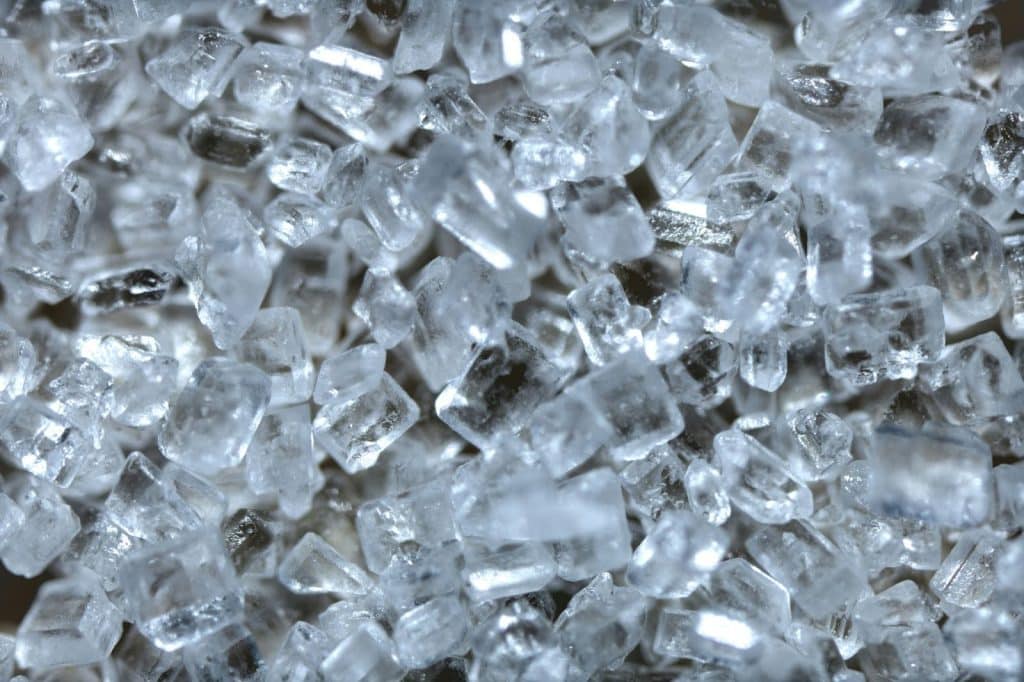
Odd cravings, especially for ice, can point to iron deficiency, a condition called pica. While it may seem quirky, it’s actually a red flag for low oxygen-carrying capacity in the blood. Many men dismiss this as a habit, but it can be a serious signal.
Low Sex Drive

Testosterone levels are influenced by zinc, vitamin D, and healthy fats. A sudden drop in sexual desire could stem from a nutritional gap, not just hormones. Addressing the deficiency may help bring energy and libido back in balance.
Dizziness or Lightheadedness

Iron, B12, and folate deficiencies can cause subtle signs like dizziness or feeling faint upon standing. These nutrients affect red blood cell production and circulation. When they’re low, oxygen struggles to reach the brain efficiently.
Conclusion: Listening to the Quiet Signs

Nutrient deficiencies rarely shout, they whisper. Men over 35 are especially vulnerable due to lifestyle, stress, and metabolic shifts. Paying attention to small signals like skin texture, fatigue, or sleep quality can help uncover what the body’s missing. With the right nutrients back in place, energy, strength, and clarity can all return.








Ask Me Anything