
Most men don’t notice it at first. Muscle fatigue that lingers longer, that gym routine that suddenly feels heavier, or that hike that ends with soreness that sticks around. After 35, strength loss can creep in without obvious injury. It’s not always aging, it’s often overlooked factors compounding quietly. Spotting those early signs can make the difference between staying strong and feeling stuck.
Low Testosterone Levels
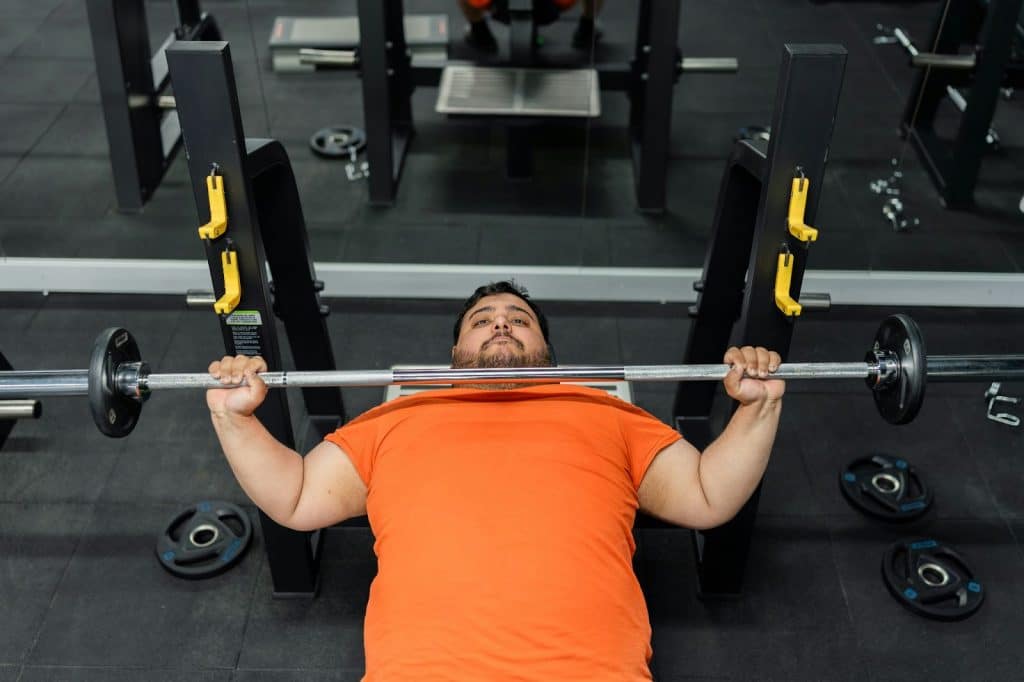
Testosterone plays a direct role in muscle growth and maintenance. When levels drop, so does muscle mass and strength. Men over 35 often experience a gradual decline without noticing until fatigue sets in. This hormonal shift can affect stamina, recovery, and even confidence. Many assume it’s just aging, but a blood test can clarify what’s really going on.
Sedentary Work Lifestyles

Desk jobs and long commutes mean most movement happens in short bursts, if at all. Muscles thrive on regular, varied movement. Without it, they weaken even if you hit the gym a few times a week. Sitting too long also tightens hips and weakens glutes, which throws off posture and performance. Consistent, low-level daily activity is key to long-term strength.
Poor Sleep Quality

Sleep is when muscle repair happens. If sleep is shallow, interrupted, or shortened, recovery suffers. Men who work late or scroll until midnight may not realize the toll it takes on physical strength. Over time, inadequate sleep slows testosterone production and increases cortisol, both bad news for muscle health. Sleep isn’t rest; it’s restoration.
Unchecked Stress Hormones

Cortisol, the body’s stress hormone, breaks down muscle tissue when chronically elevated. High stress levels from work, finances, or personal life often go unaddressed. Even when men power through stress mentally, their muscles often feel the cost. Fatigue, soreness, and lack of progress can all stem from internal pressure. Managing stress is strength training in disguise.
Hidden Nutrient Deficiencies

You don’t have to look malnourished to be deficient. Low magnesium, vitamin D, and B12 are common in men over 35 and directly affect muscle energy. These deficiencies can cause cramps, weakness, and slow recovery. Processed foods and limited variety in meals only worsen the problem. A simple blood panel can uncover what’s missing under the surface.
Too Much Cardio, Not Enough Strength

Endurance training is great for the heart, but too much cardio without strength work can lead to muscle loss. It becomes a balancing act many men don’t notice they’re losing. As muscle mass decreases, metabolism slows and strength declines further. Resistance training is essential, not optional, for aging well and staying strong.
Alcohol’s Quiet Impact

Regular drinking, even at “social” levels, affects protein synthesis and hormone regulation. Over time, alcohol can reduce testosterone and limit the body’s ability to repair muscle. It may also lead to poor sleep and dehydration, two enemies of muscle performance. What seems like relaxation may be quietly stalling progress.
Chronic Inflammation

Underlying inflammation can make muscles feel sore, stiff, and weaker without a clear cause. This inflammation can stem from processed foods, poor gut health, lack of movement, or unmanaged stress. It doesn’t always show up on the surface, but it saps strength from the inside. Reducing inflammation often improves performance more than another supplement ever could.
Joint Instability
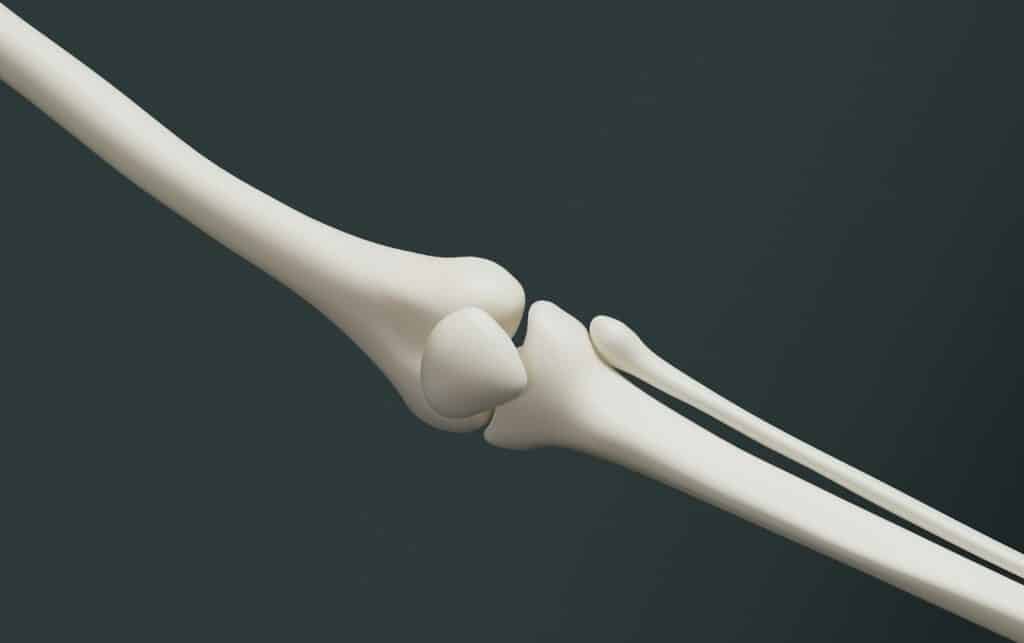
Sometimes the problem isn’t the muscle itself, but the joint supporting it. Weak knees, unstable shoulders, or stiff hips force muscles to compensate in unhealthy ways. That leads to poor recruitment, reduced strength output, and eventual fatigue. Mobility work and targeted strengthening can restore balance and performance.
Low Protein Intake
Many men underestimate how much protein they actually need, especially as they age. A couple eggs and a sandwich may not cut it. Without adequate protein, muscles can’t rebuild after workouts or even regular use. Muscle loss becomes more likely when intake doesn’t match lifestyle. Fueling for strength starts in the kitchen.
Unnoticed Thyroid Issues

An underactive thyroid slows metabolism and energy production. It can cause muscle weakness, cramps, and general fatigue, especially in men over 35. Because symptoms are vague, many men chalk it up to stress or aging. A thyroid panel can catch this issue early and prevent ongoing performance dips.
Dehydration
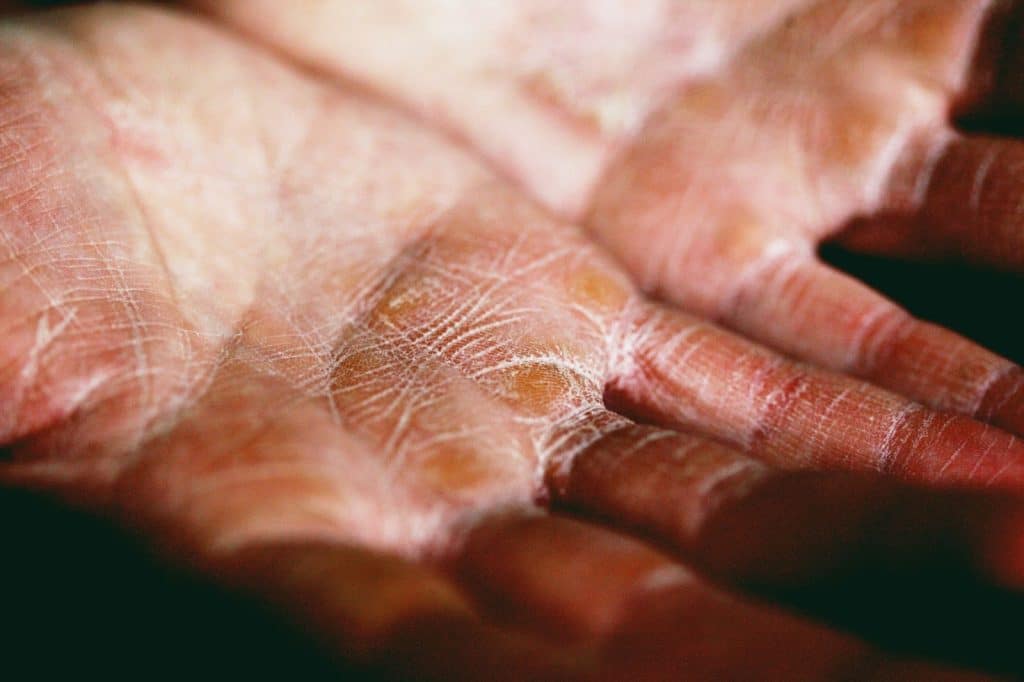
Even mild dehydration decreases muscle function. Muscles are around 75% water, and without enough hydration, they cramp, weaken, and recover poorly. Many men drink less than they think, especially when caffeine or alcohol is involved. Better hydration can quickly lead to improved workouts and fewer fatigue spells.
Skipping Warmups and Mobility
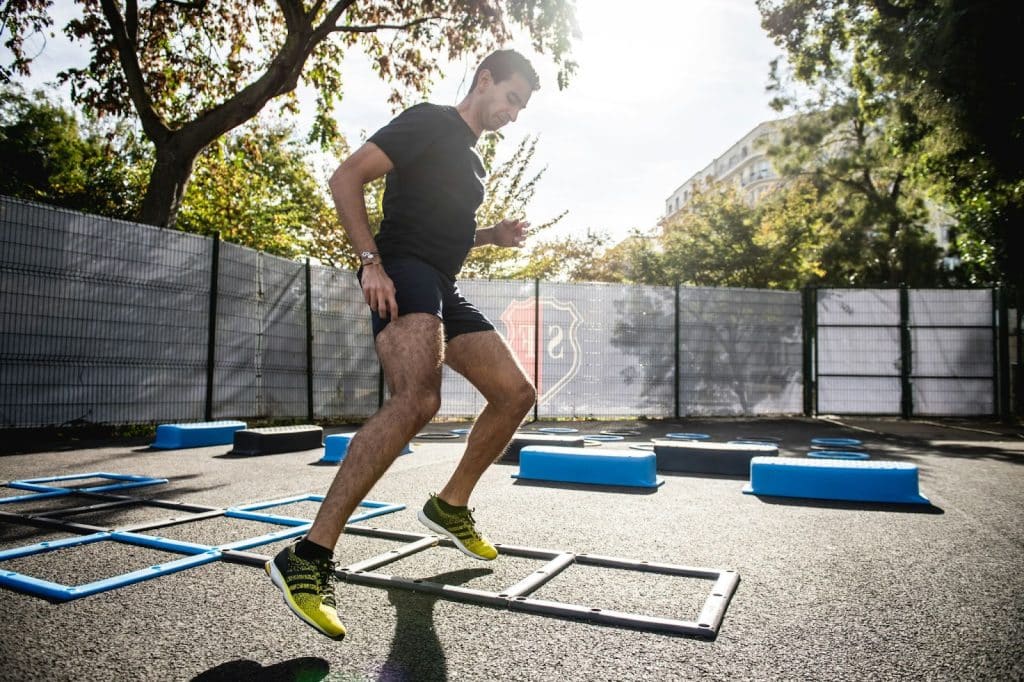
Jumping into a workout without proper prep strains muscles and joints. Over time, poor warmups lead to limited range of motion, imbalances, and injuries that sap strength. Mobility isn’t just for yogis, it’s for any man who wants to move well into his 40s, 50s, and beyond. Flexibility supports force.
Relying on Caffeine to Push Through

Energy drinks and coffee might mask fatigue but they don’t fix it. Over-reliance on caffeine leads to shallow sleep, hormonal shifts, and stress responses. While it may provide a short burst of focus or strength, the long-term impact is negative. Sustainable energy doesn’t come in a can.
Digestive Issues

Gut health plays a major role in nutrient absorption. If digestion is impaired, even a clean diet may not deliver what muscles need. Bloating, gas, or irregularity could signal bigger issues that impact strength indirectly. A healthy gut feeds stronger muscles.
Overtraining Without Real Recovery

Working out hard without enough rest is counterproductive. Many men think more effort means more results, but the body builds muscle during rest, not exertion. Without adequate recovery, strength plateaus or declines. Muscle soreness, sleep issues, and low motivation may all stem from too little downtime.
Age-Related Muscle Loss (Sarcopenia)
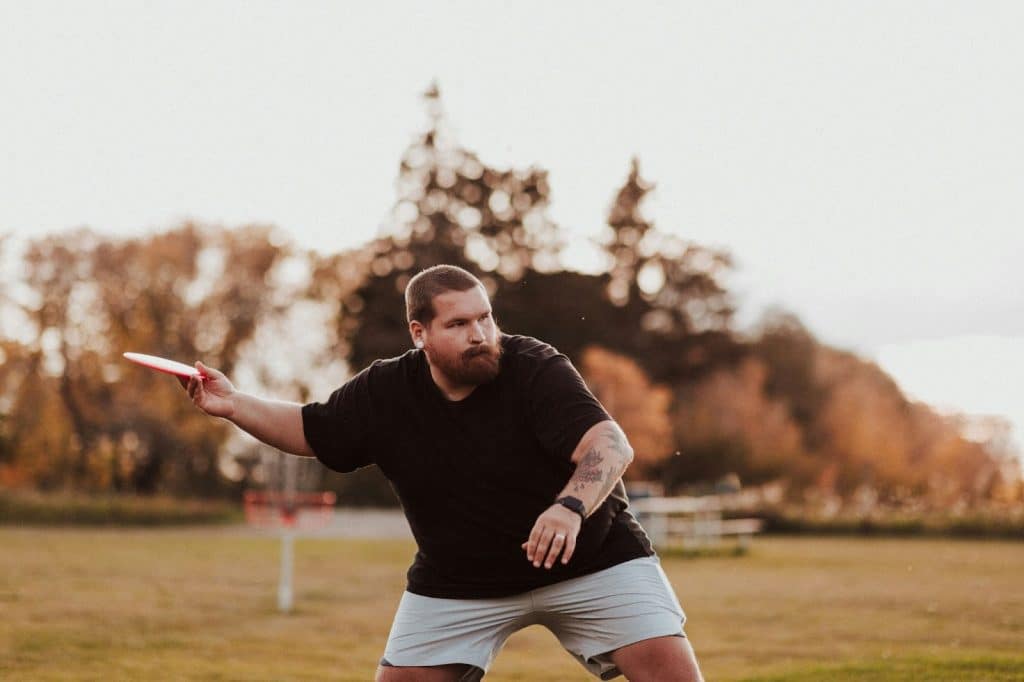
After 30, the body naturally begins to lose muscle mass unless it’s actively maintained. This process, called sarcopenia, can be slowed but not ignored. Resistance training, adequate protein, and proper sleep are essential to combat it. Ignoring it only accelerates the slide into weakness.
Lack of a Plan
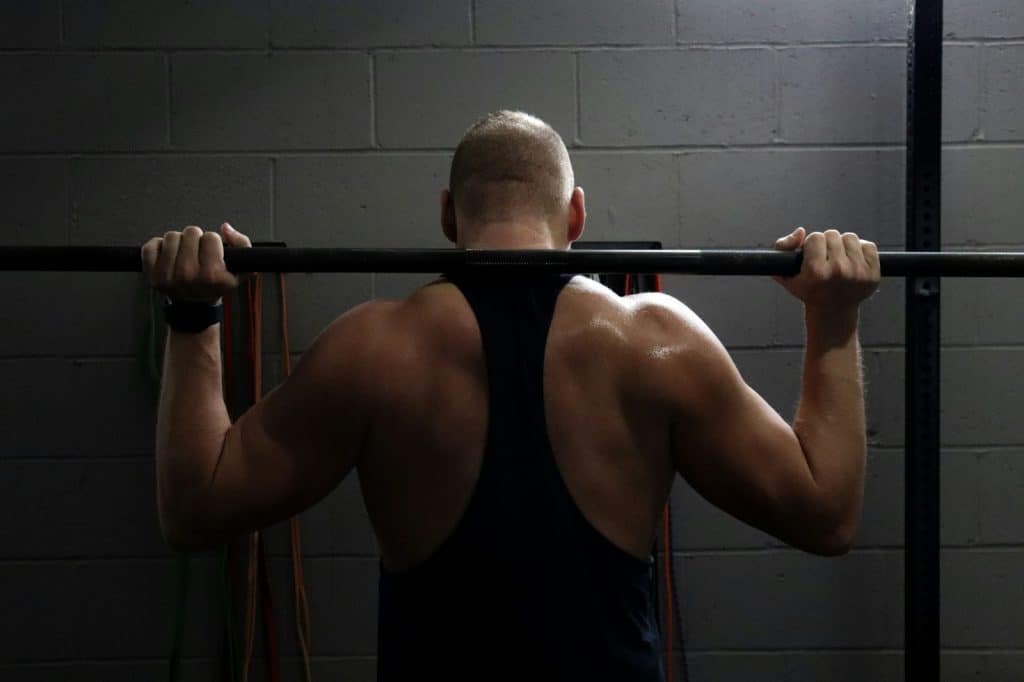
Many men lift weights without a structured plan. Random workouts yield random results. Without progression, balance, and consistency, strength gains stall or reverse. A smart program doesn’t have to be extreme, it just has to be consistent, intentional, and goal-aligned.
The Takeaway: Muscle Weakness Isn’t Just Age

Feeling weaker doesn’t have to be the norm after 35. Often, it’s a mix of quiet lifestyle factors that chip away at strength over time. The good news? Most of them are fixable. With attention to recovery, hormones, mobility, and daily habits, strength can return, and stay.








Ask Me Anything