
Skincare is supposed to help, but sometimes the wrong mix of habits, products, or timing can do the opposite. Many men follow routines that feel right but slowly undermine their skin’s health. Whether it’s over-cleansing, harsh scrubbing, or layering too much, small missteps can lead to breakouts, dryness, or irritation. Recognizing the subtle signs of damage is key to getting back on track. This article breaks down the red flags that your routine may be working against you.
You’re Washing Too Often
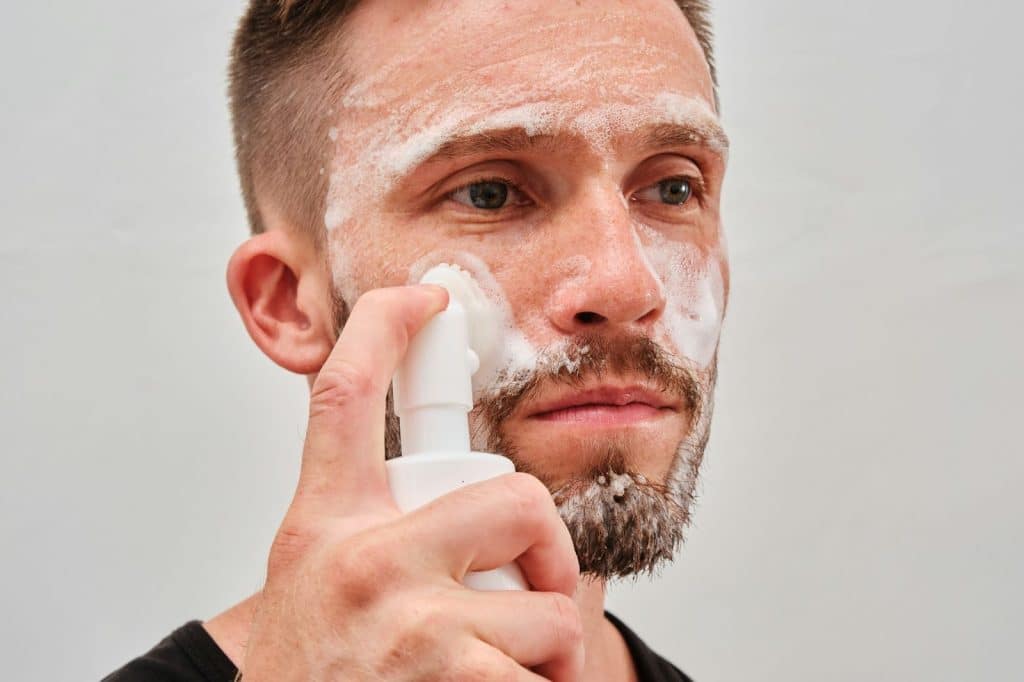
Clean skin is good, but overdoing it can strip natural oils and throw your skin barrier out of balance. Washing more than twice a day, especially with harsh cleansers, leads to dryness, irritation, or rebound oiliness. Many guys with acne-prone skin make this mistake, thinking more is better. But your skin needs some oil to stay healthy. Cutting back often improves texture and reduces inflammation.
Your Skin Feels Tight After Washing

That “squeaky clean” feeling isn’t a sign of healthy skin. If your face feels tight or dry after washing, your cleanser is probably too harsh. It’s a sign your moisture barrier is compromised, making your skin vulnerable to irritation and breakouts. Opt for a gentle, pH-balanced face wash instead. You want your skin to feel clean, not stressed.
You’re Scrubbing Like It’s a Gym Floor
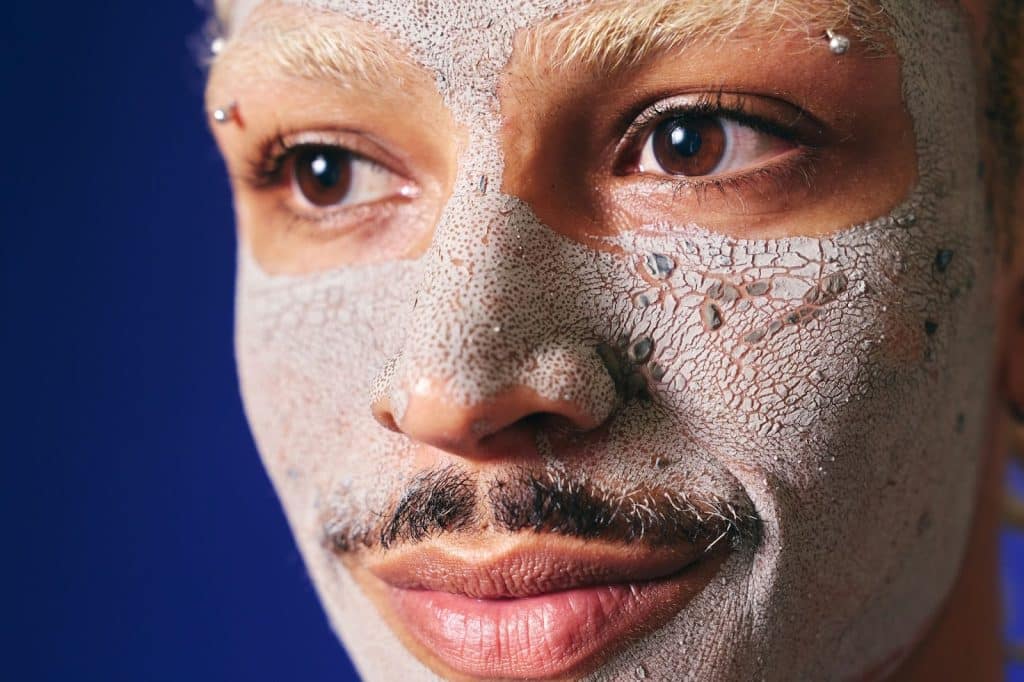
Exfoliating has benefits, but aggressive scrubbing damages the skin. Physical exfoliants with large, rough particles can create microtears and worsen redness or acne. If your face feels raw after exfoliating, you’re doing too much. Swap gritty scrubs for chemical exfoliants with AHAs or BHAs, used just 2 – 3 times per week. Gentleness is more effective long term.
Your Skin’s Always Flaking or Peeling

Dry, flaky skin isn’t just about winter weather, it can be a reaction to over-exfoliation or drying products. If you’re constantly peeling, your skin barrier likely needs repair. Focus on hydration and cut back on activities like retinol or acids. A damaged barrier takes time to rebuild, but flakiness is a clear sign your skin’s asking for a break.
You’re Breaking Out in New Places

If your breakouts suddenly shift, from forehead to cheeks or neck, it might be product-related. New ingredients or layering mistakes can clog pores where they never did before. Pay attention to where your products go and if they’re labeled non-comedogenic. Breakouts in new areas often point to something you’re applying, not something internal.
You’re Using Too Many Products
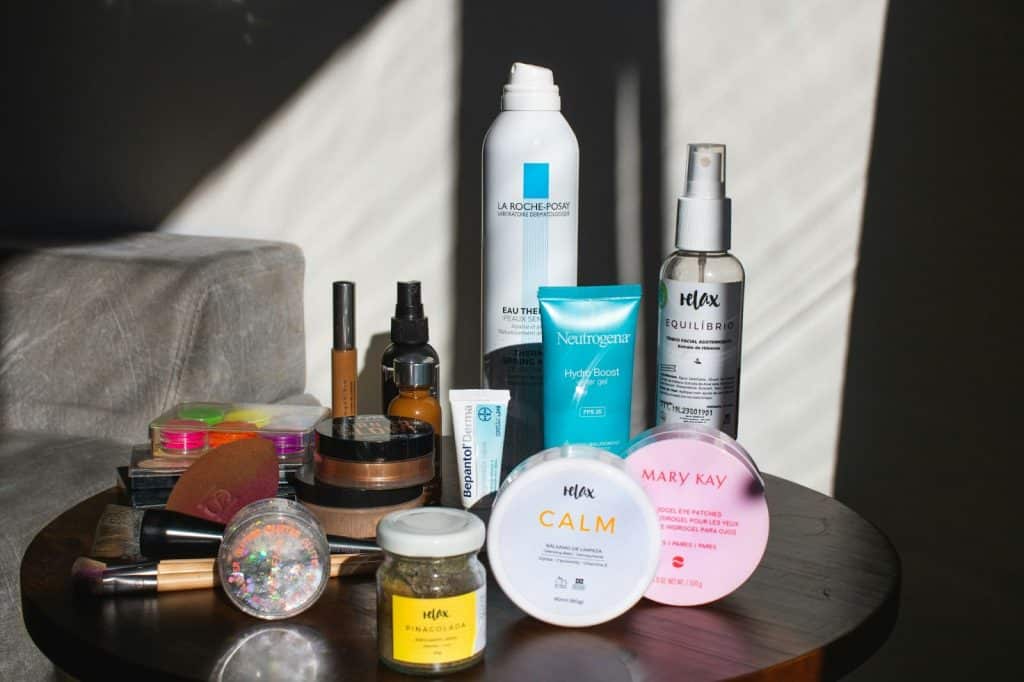
More isn’t always better. A long lineup of serums, toners, and moisturizers can overwhelm your skin, especially if ingredients clash. Overloading your skin can cause congestion, dullness, or irritation. Simplify your routine to the essentials and reintroduce products slowly. Minimalism helps your skin reset and recover.
You Keep Switching Brands Weekly
Changing routines too often confuses your skin. It takes weeks for products to show results, but many men give up after a few days. Constantly chasing the next miracle product keeps your skin in survival mode. Commit to a routine for at least four weeks before making big changes. Skin prefers consistency over novelty.
You Don’t Moisturize Because You Have Oily Skin

It sounds logical: oily skin doesn’t need moisturizer. But skipping hydration causes oil glands to go into overdrive. The right lightweight, oil-free moisturizer actually balances oil production. If your skin feels greasy and dehydrated, it’s likely craving moisture, not less of it.
Your Shaving Routine Causes Breakouts
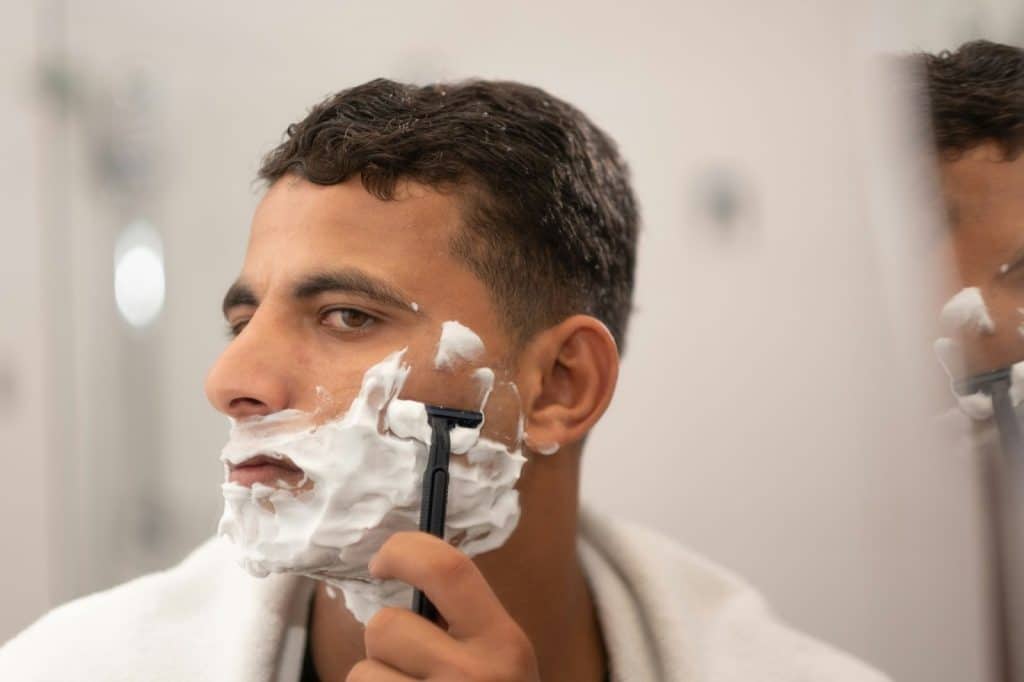
If you’re breaking out after every shave, it’s not just sensitive skin, it’s your technique. Using dull blades, skipping pre-shave prep, or shaving against the grain can all trigger irritation and razor bumps. Shaving is exfoliation in itself, so layering strong products afterward makes it worse. Treat your post-shave skin like it’s recovering, because it is.
You’re Not Wearing Sunscreen Daily

Even if you’re indoors, your skin gets hit with UV and blue light damage. Skipping sunscreen allows dark spots, aging, and irritation to creep in unnoticed. Men often associate sunscreen with beach days, but daily SPF is the most underrated anti-aging move. If you’re dealing with hyperpigmentation or unexplained texture, the missing piece might be sun protection.
You’re Using Body Wash on Your Face
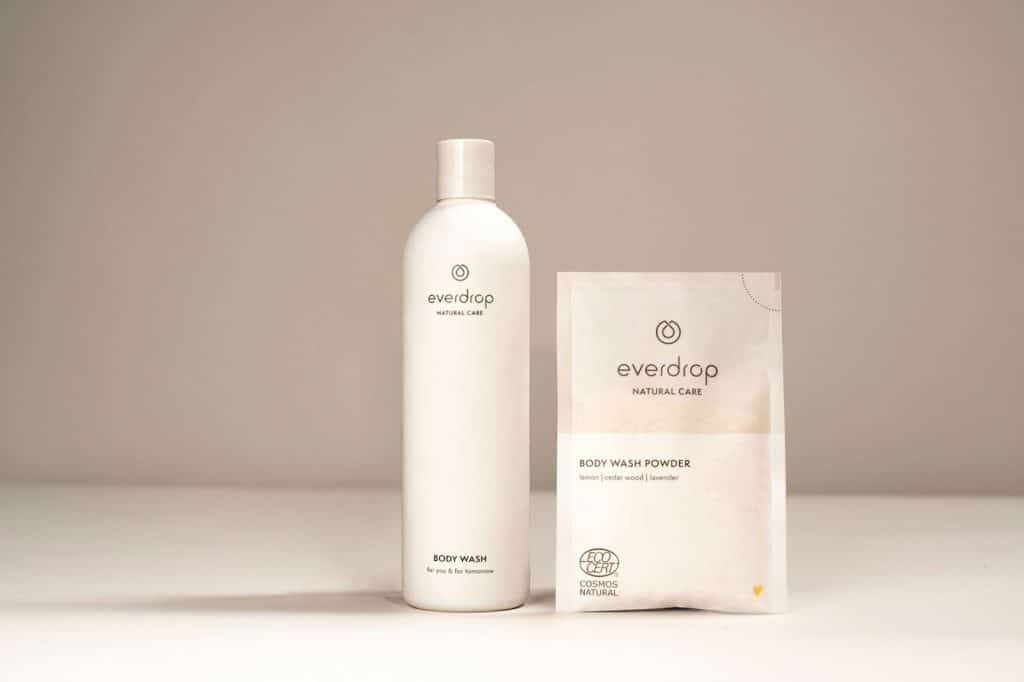
Your body wash might smell great, but it’s way too harsh for facial skin. Body cleansers are designed to strip oil from tougher skin, not your face. Using them on your face can dry you out and clog pores. Facial skin is thinner and more sensitive, treat it like it needs its own products. Because it does.
Your Products Have Too Much Fragrance

Fragrance makes products more enjoyable, but they’re also a top cause of irritation. If your skin burns, itches, or turns red after application, fragrance could be the culprit. Unscented or fragrance-free options may not smell exciting, but they help calm inflamed or reactive skin. Less scent = more healing.
You’re Ignoring Your Diet

What you eat shows up on your skin. Excess sugar, alcohol, or processed food can cause dullness, inflammation, and breakouts. While skincare products help, your routine won’t outwork a poor diet. If your skin’s acting up despite your best efforts, look at your meals, not just your mirror.
You Never Clean Your Pillowcases or Phone

Your skincare routine doesn’t end at the sink. Dirty pillowcases, phones, and hands constantly touch your face. Bacteria and oil buildup from these surfaces can sabotage your progress. If you’re doing everything right and still breaking out, it may be time to check your environment.
Your Skin Always Stings or Burns

Stinging isn’t a sign that something’s working, it’s a red flag. Constant irritation means your skin barrier is inflamed or reacting poorly to an ingredient. If this happens after applying products, stop and simplify. Give your skin time to calm before reintroducing activities. Pain is never part of progress.
You’re Not Reading Ingredient Labels
Labels matter. Just because something is “natural” or “for men” doesn’t mean it’s right for your skin. Alcohols, sulfates, and heavy oils can hide in men’s grooming products and cause long-term issues. Learning to scan ingredients helps you avoid irritants and invest in what actually works. Your skin deserves the same attention you’d give to your diet or training.
You’re Not Adjusting for the Seasons
Skincare isn’t one-size-fits-all year-round. What works in winter can suffocate your skin in summer, and vice versa. If your skin feels off during certain seasons, your products might need a seasonal switch. Think lighter moisturizers in heat, richer ones in cold. Adapting to weather keeps your skin balanced.
You’re Copying Someone Else’s Routine

Everyone’s skin is different. What works for a friend, influencer, or even dermatologist on YouTube might not suit your skin type. Copying routines blindly leads to trial-and-error overload. Focus on your own skin’s needs, responses, and comfort. Personalized care beats viral trends every time.
Conclusion: Listen to Your Skin

The best skincare routines are built on awareness, not hype. When something’s off, your skin speaks up, you just have to know how to listen. Redness, dryness, and breakouts aren’t failures; they’re signals. With fewer products, smarter habits, and more consistency, your routine can go from damaging to healing. The goal isn’t perfection, it’s healthy, balanced skin that actually feels good to live in.








Ask Me Anything