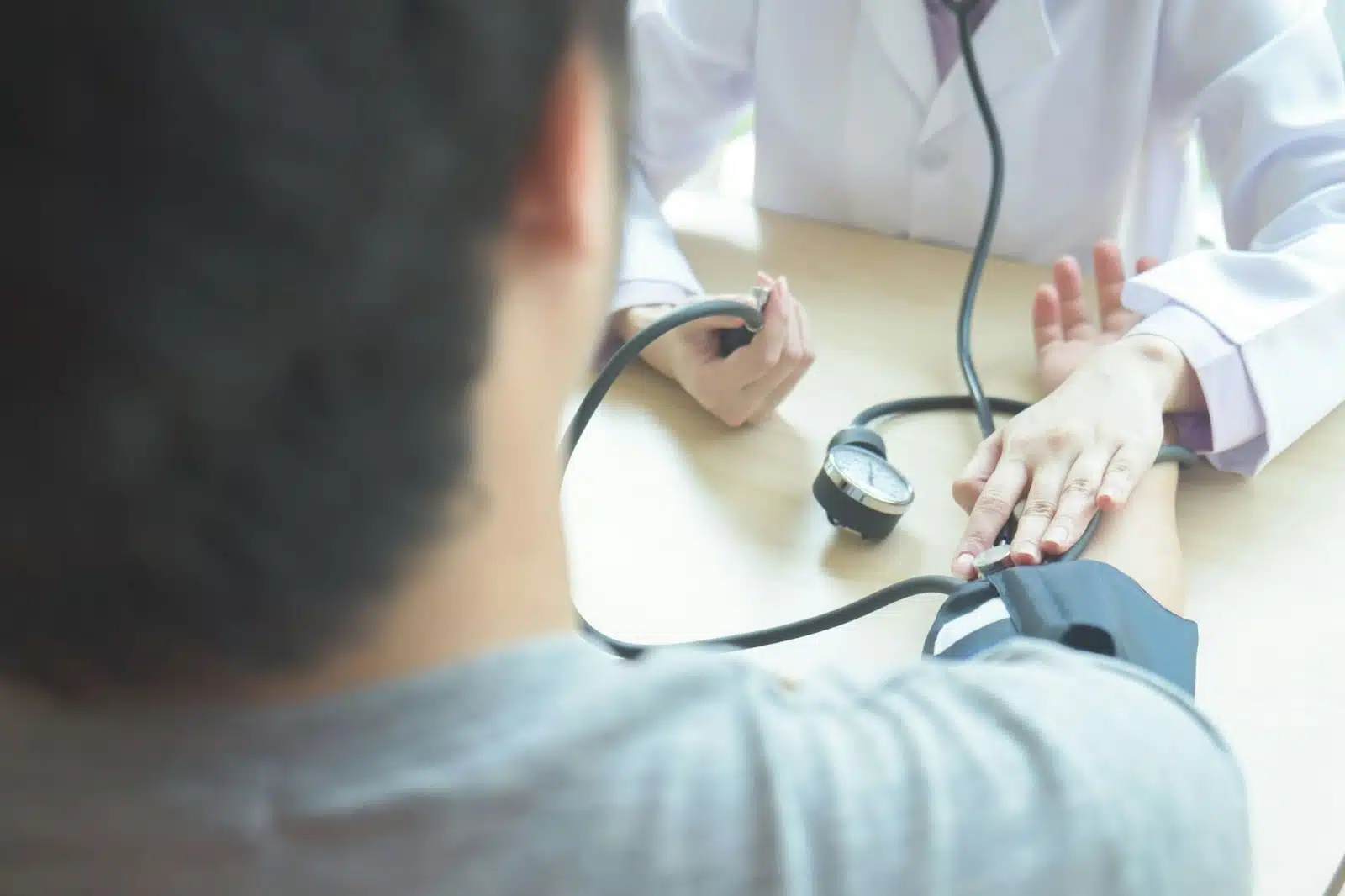
High blood pressure doesn’t always announce itself with dramatic symptoms. For many men, it builds slowly and quietly, until real damage is done. That’s why subtle signs matter. A combination of small changes in the body can hint at a deeper issue. Recognising these early signals could prevent more serious problems later on. Awareness is the first line of defence.
Frequent Headaches Without a Clear Cause
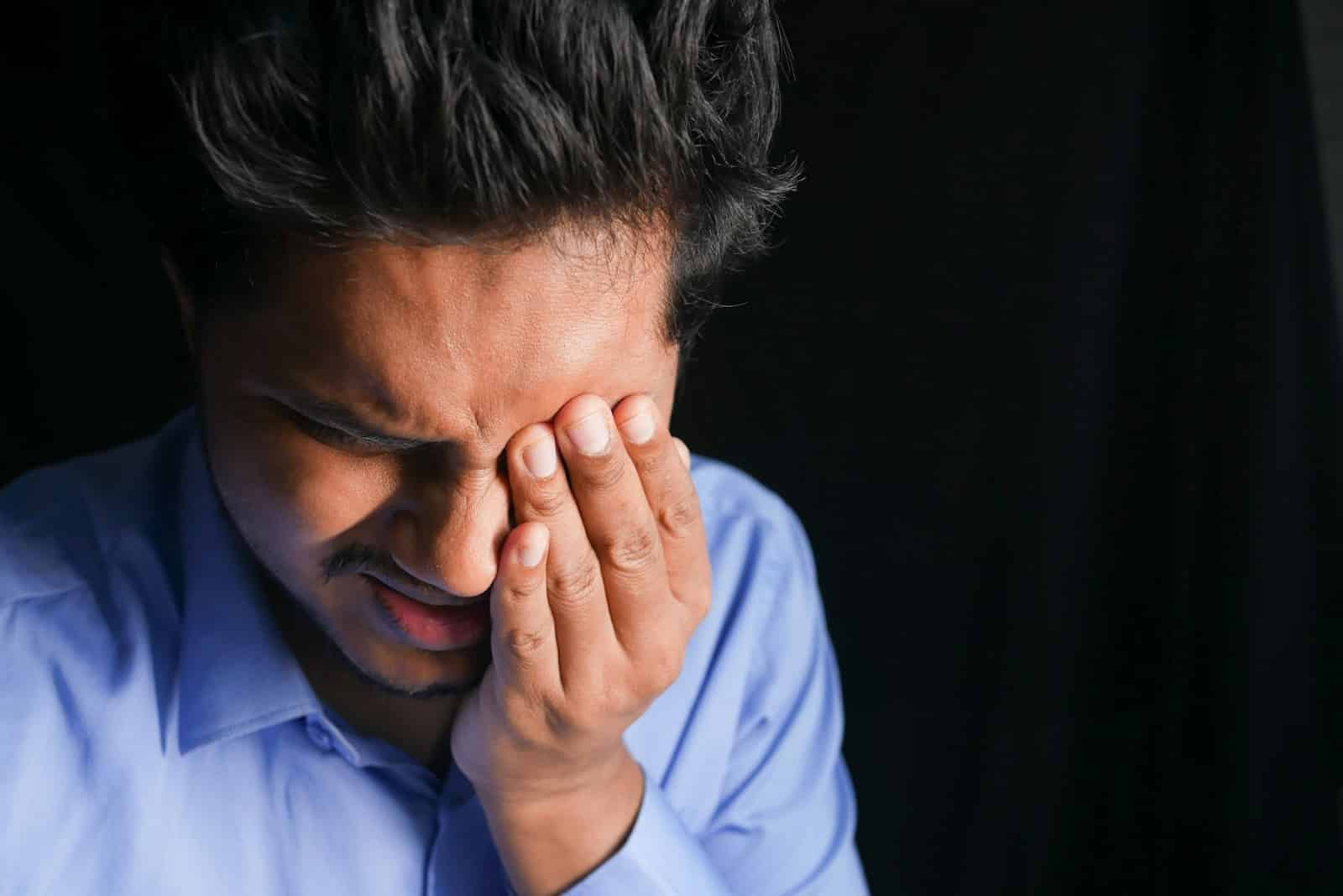
Recurring headaches, especially in the morning, may point to elevated blood pressure. They tend to feel like a dull pressure rather than a sharp pain. This happens because the increased pressure in the arteries can affect blood flow in the brain. While not every headache signals a problem, persistent ones deserve a closer look. It’s easy to ignore until it becomes routine.
Feeling Fatigued Despite Rest

If energy levels are consistently low even after a good night’s sleep, high blood pressure might be part of the picture. When blood vessels are under pressure, the heart works harder, leaving the body feeling worn down. This fatigue can feel more like an internal heaviness than physical tiredness. Over time, it can affect daily motivation and performance. Many chalk it up to stress or aging, but it’s often more than that.
Subtle Vision Changes
Blurred or distorted vision is sometimes an overlooked warning. High blood pressure can damage the blood vessels in the eyes, affecting sight. These changes might not be constant, they could come and go. That makes them easy to dismiss until they worsen. But even temporary blurriness could be a red flag worth addressing early.
Random Nosebleeds
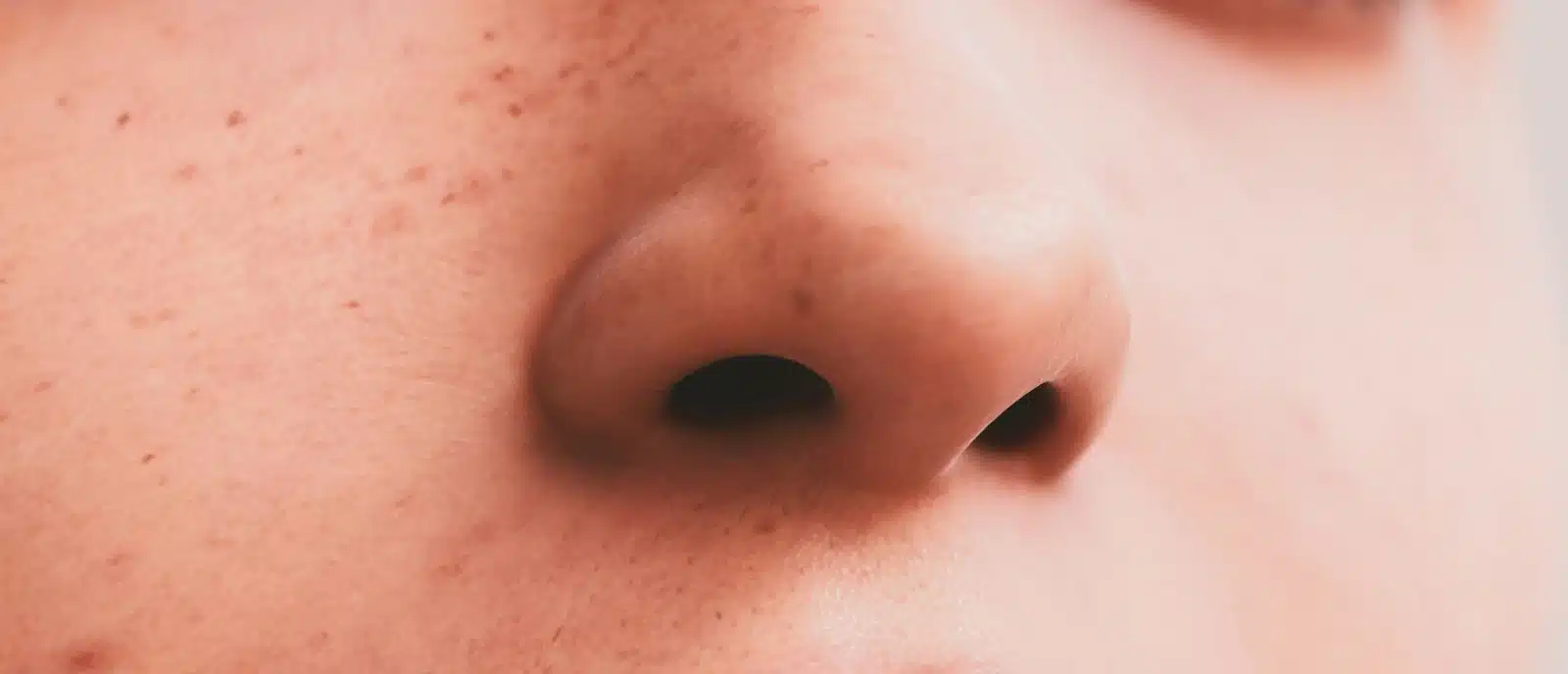
While rare, unexplained nosebleeds may signal elevated pressure in the blood vessels. If they start happening more frequently, especially without dry air or trauma, it’s worth tracking. These nosebleeds often seem random but could hint at what’s happening internally. Men often shrug them off, but when they repeat, it’s worth asking why.
Chest Discomfort That Feels “Off”

Not all chest discomfort feels dramatic. Sometimes, it’s a mild tightness or a strange pressure, not outright pain. This can happen when the heart strains to push blood through narrow vessels. Even if it’s subtle, any new or recurring chest sensation should raise concern. It’s not always a panic-inducing event, but it’s never something to ignore.
Irregular Heartbeats or Palpitations
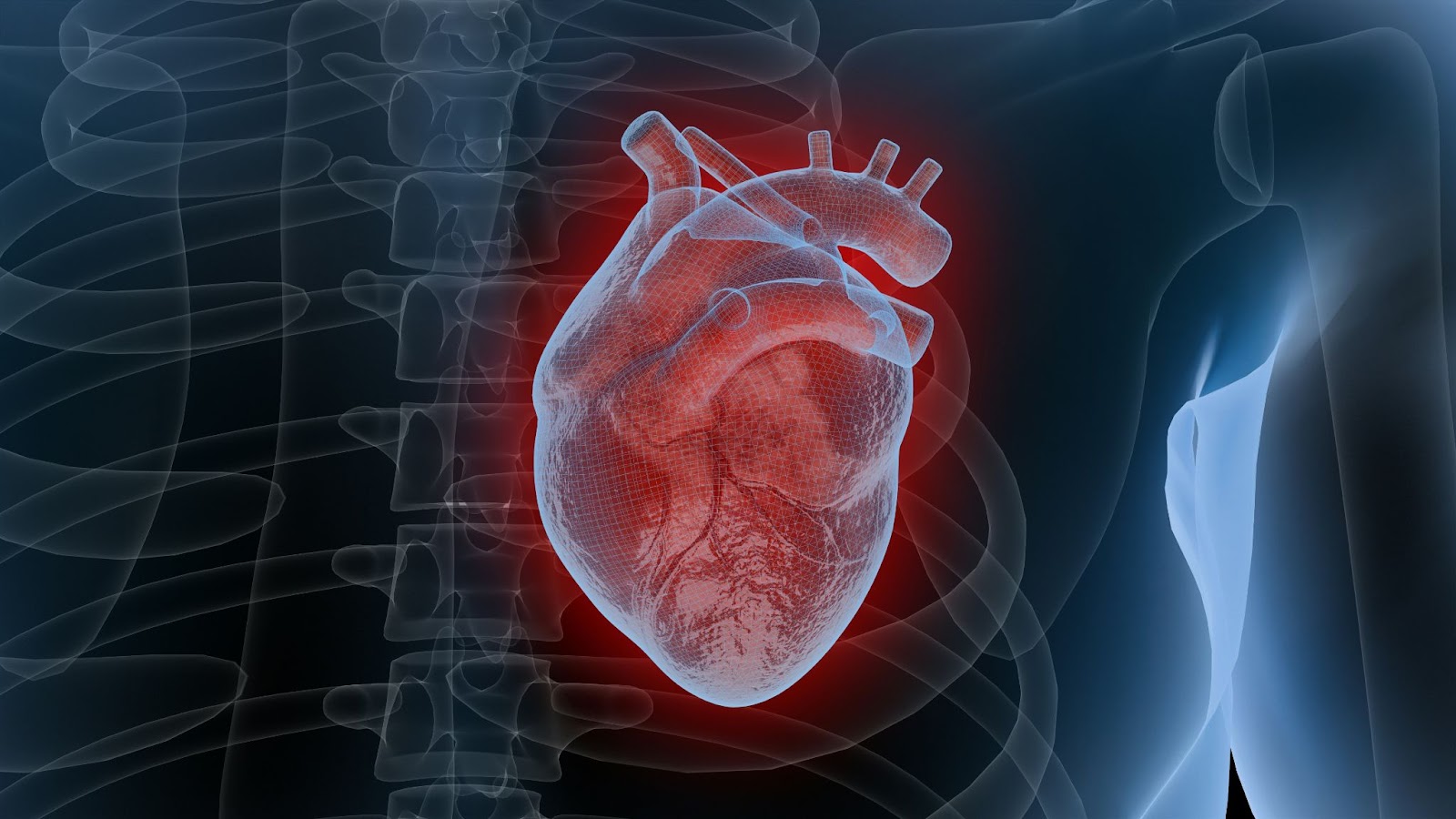
Feeling like the heart is fluttering or skipping a beat can signal cardiovascular strain. These sensations may come during rest or slight exertion. While they’re not always dangerous on their own, in context with other signs, they point to a bigger picture. It’s a sign the system might be struggling to keep rhythm under pressure.
Difficulty Sleeping or Restlessness
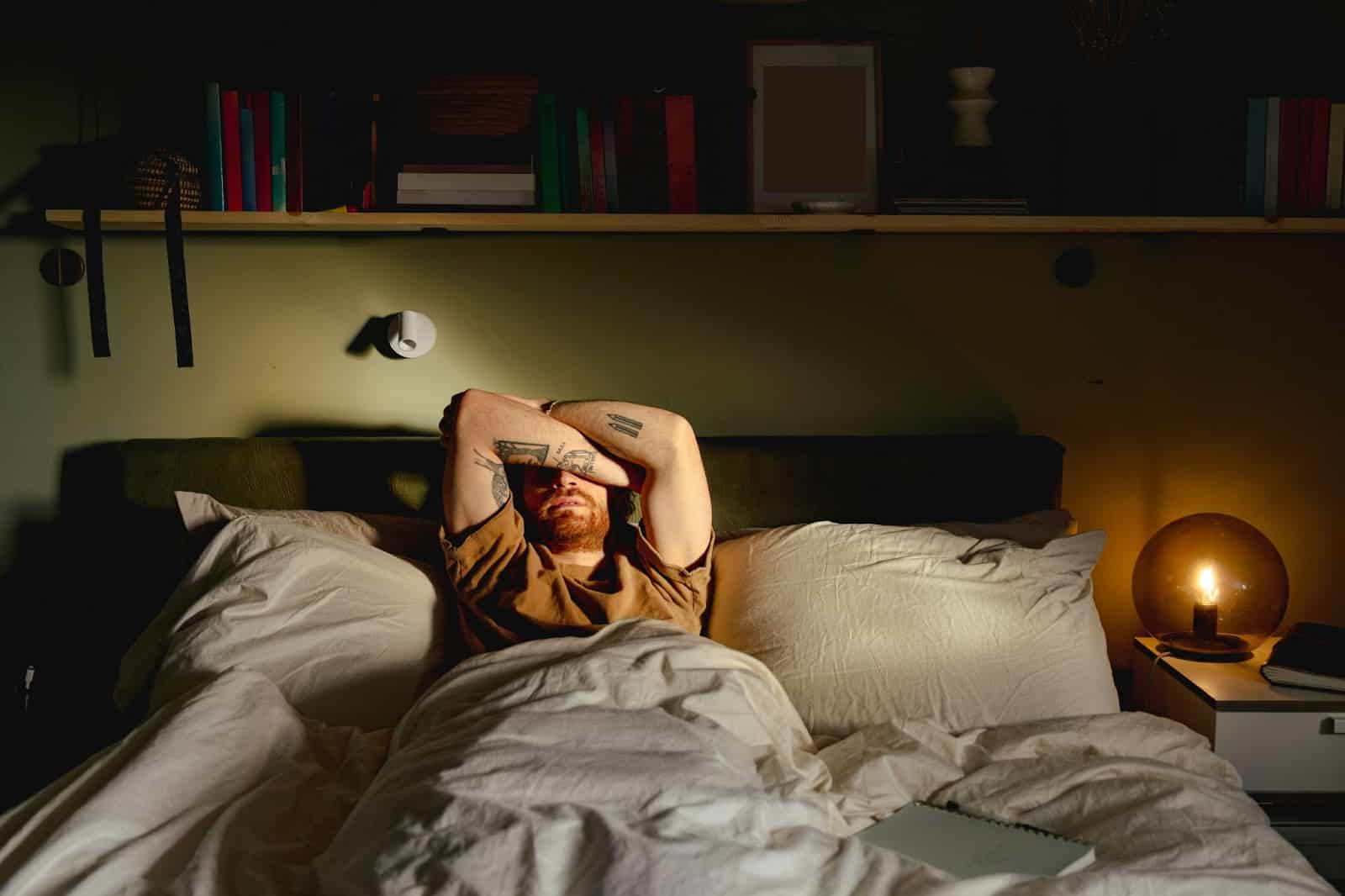
Men with high blood pressure often report having a hard time falling or staying asleep. The body’s stress response can stay elevated, keeping the nervous system alert. This leads to restlessness or waking up frequently without knowing why. Over time, poor sleep feeds into higher pressure, creating a frustrating cycle.
Swelling in the Legs or Ankles
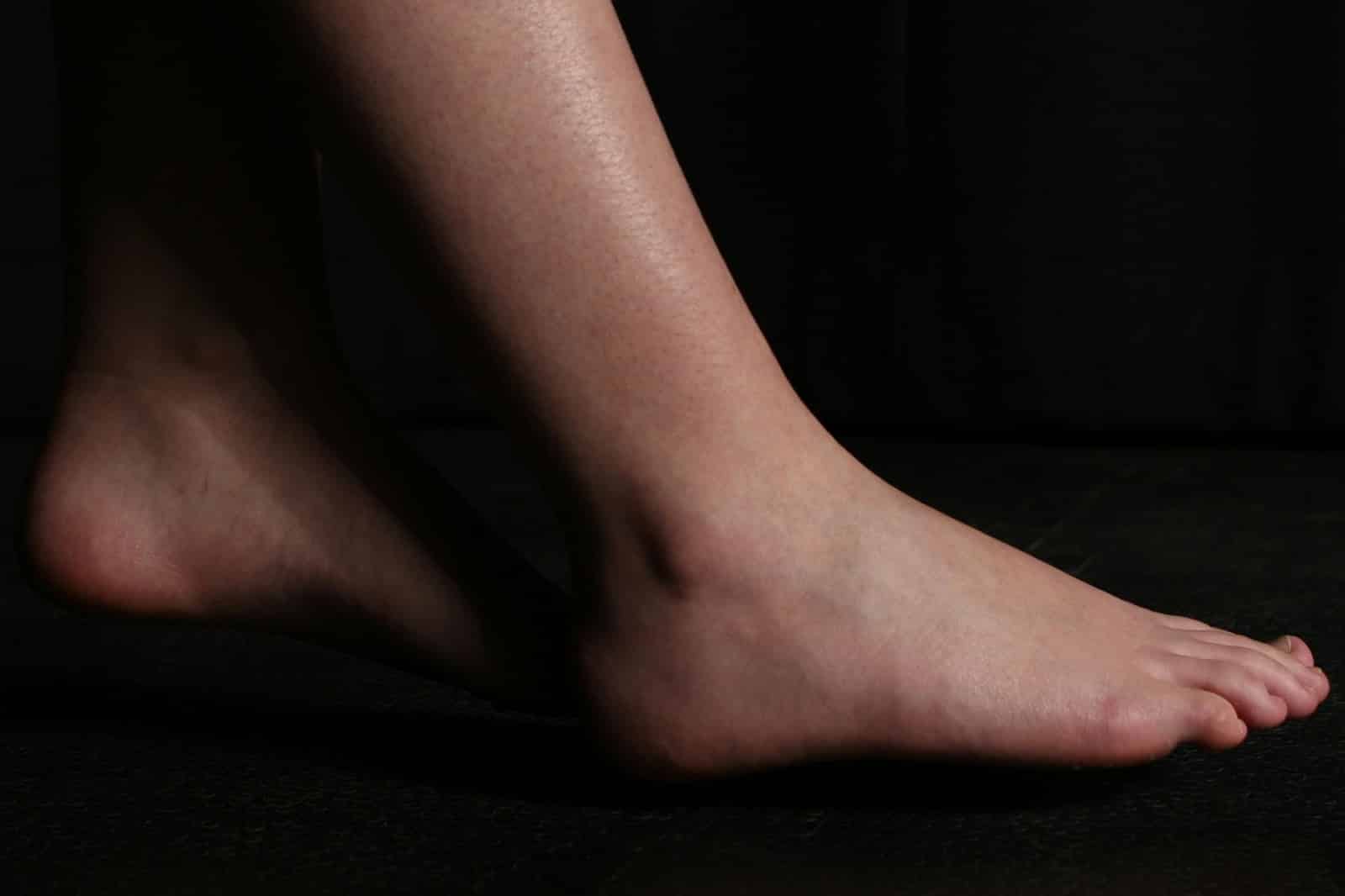
Fluid retention in the lower extremities can occur when the heart isn’t pumping efficiently. Swelling may be mild at first and only noticeable at the end of the day. Socks might leave deeper marks than usual. These signs can creep up slowly but often indicate that something deeper is going on with circulation.
Feeling Hot or Flushed Easily
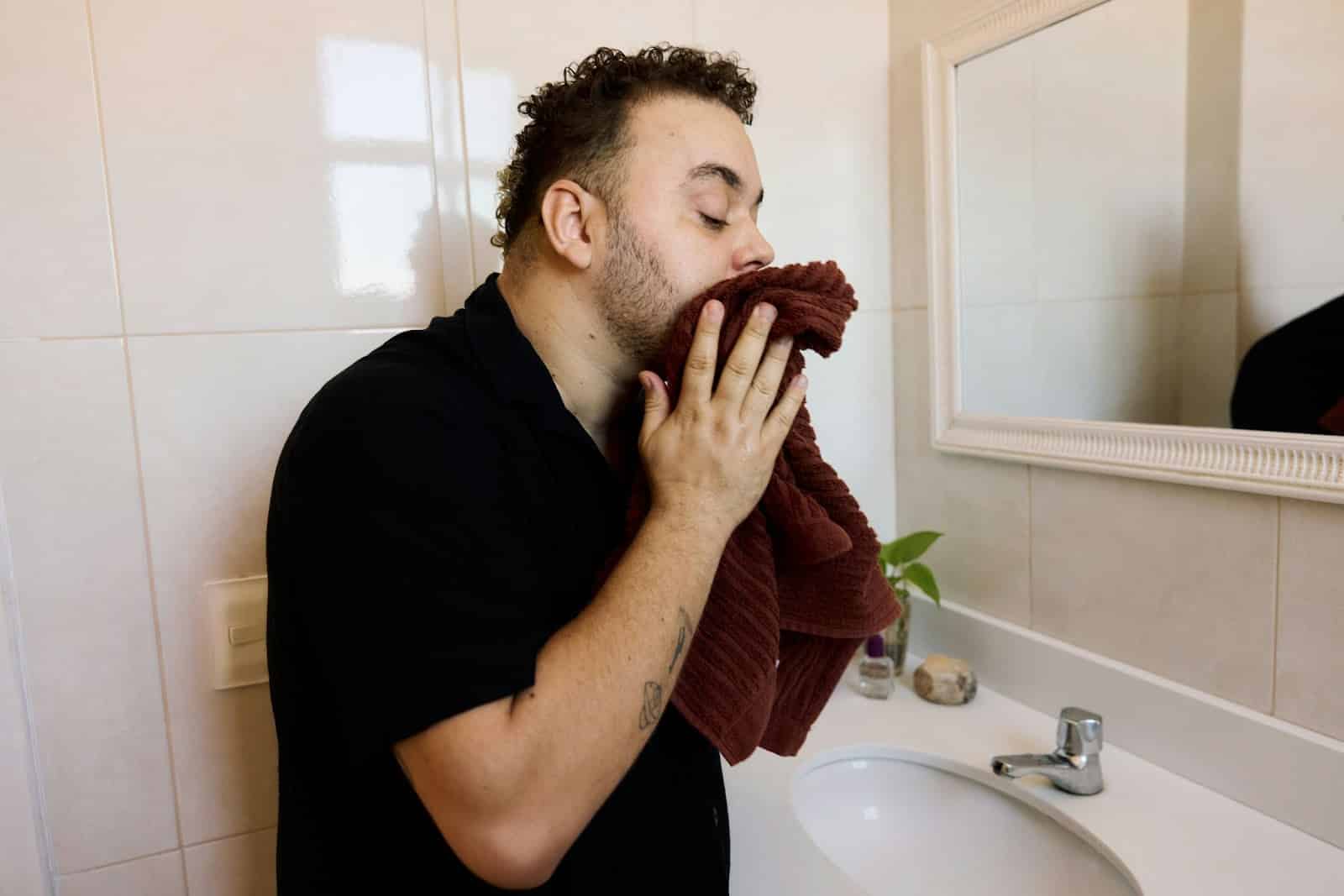
Men who experience unexpected flushing or a constant warm sensation might be reacting to blood pressure spikes. This happens when blood vessels expand rapidly under pressure. It’s not always tied to exercise or weather. While it’s easy to dismiss as nothing, frequent flushing can reveal patterns worth exploring.
Mild Shortness of Breath With Light Activity
Climbing stairs or walking a short distance shouldn’t feel like a workout. But for some men, even light activity brings unexpected breathlessness. High blood pressure can strain the heart and lungs, making even basic movement harder. It’s one of those signs that creeps in gradually, but once noticed, it’s hard to ignore.
Ringing in the Ears (Tinnitus)
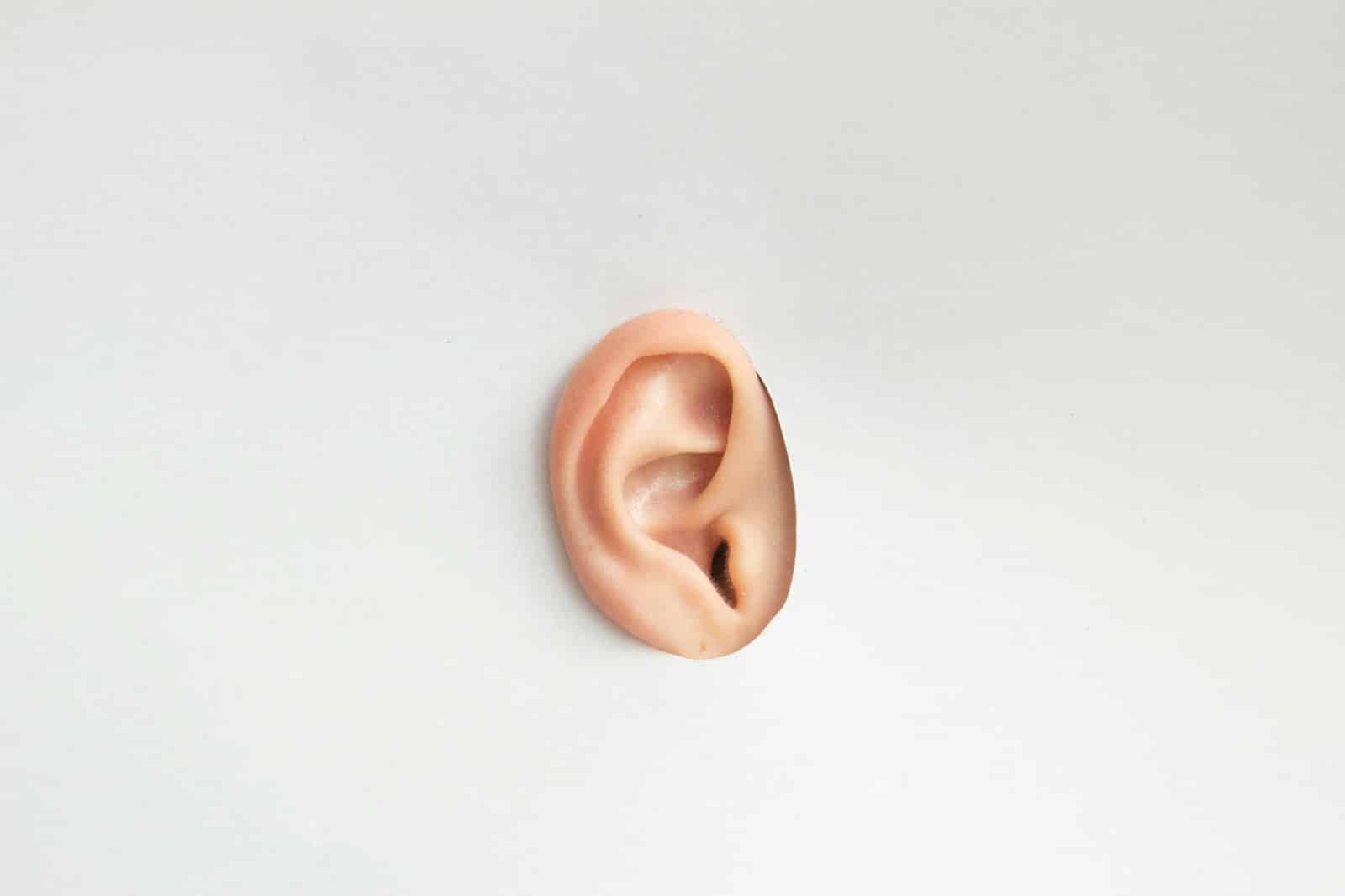
Persistent ringing or whooshing in the ears can be a surprising sign. Known as pulsatile tinnitus, it sometimes results from increased blood flow or pressure near the ear. While not exclusive to high blood pressure, it’s a symptom that often appears in parallel. If the sound has no outside source, internal pressure might be playing a role.
Trouble Concentrating or Brain Fog

High blood pressure may reduce blood flow to the brain over time. This can affect clarity, focus, and short-term memory. Men often describe it as “not being as sharp” or needing longer to process things. These aren’t always dramatic lapses, but small mental slowdowns that signal something deeper may be happening.
Tingling or Numbness in the Extremities
Occasional tingling in the hands or feet can sometimes relate to nerve irritation caused by poor circulation. If blood flow is restricted, nerves might not get the oxygen they need. These sensations may feel mild but should be monitored if they appear often. It’s not just about comfort, it’s about function.
Unexplained Dizziness or Lightheadedness
Feeling lightheaded when standing or during mild activity can reflect circulatory instability. If blood pressure fluctuates or remains high, the brain may not be getting consistent flow. It might come and go, making it easy to dismiss as just dehydration or skipping a meal. But repeated episodes deserve closer attention.
Persistent Irritability or Mood Swings
High blood pressure doesn’t just affect the body, it influences mood too. Hormonal and neurological changes under stress can trigger irritability or sudden frustration. Men may notice they’re more easily set off or less patient than usual. These mood shifts aren’t always recognised as health-related, but they often are.
Changes in Urination Patterns
The kidneys work overtime under high blood pressure. This can lead to changes in frequency, urgency, or even nighttime urination. These shifts might be gradual, but they often precede other signs of cardiovascular strain. The connection between kidney function and blood pressure is more direct than most realise.
Increased Sensitivity to Noise or Light
Some men report feeling more easily overwhelmed by bright lights or loud environments. This sensitivity may stem from nervous system changes triggered by elevated blood pressure. It can present as general overstimulation, especially in crowded or high-energy spaces. It’s a less-known sign, but one that often appears with others.
Skin That Bruises More Easily
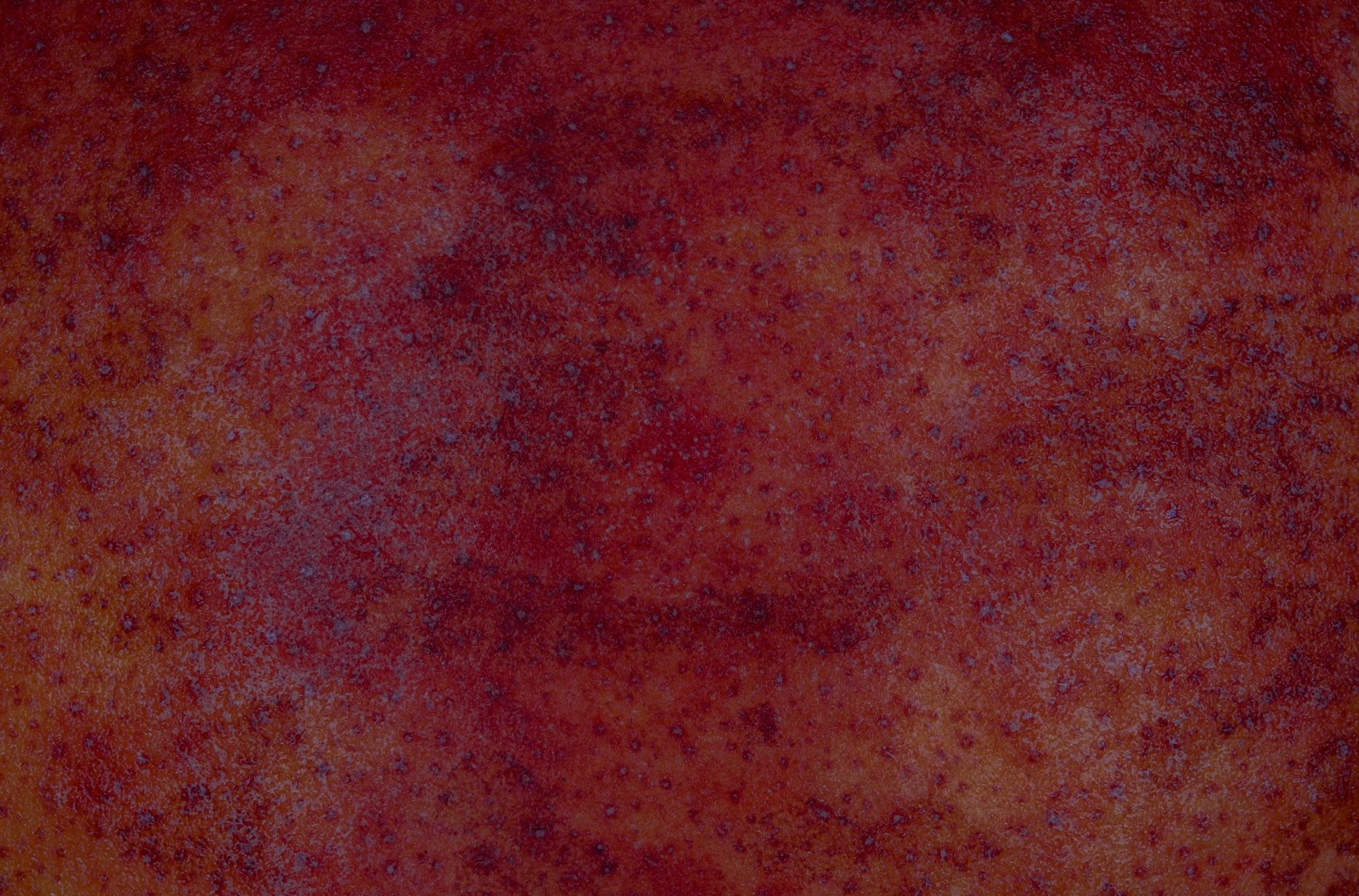
Thin blood vessels under pressure are more prone to rupture. This can show up as bruises with very little force. If bruises appear without clear cause, and especially if they happen frequently, blood pressure might be one factor. It’s another quiet cue the body gives before louder problems show up.
Lowered Libido or Erectile Difficulty
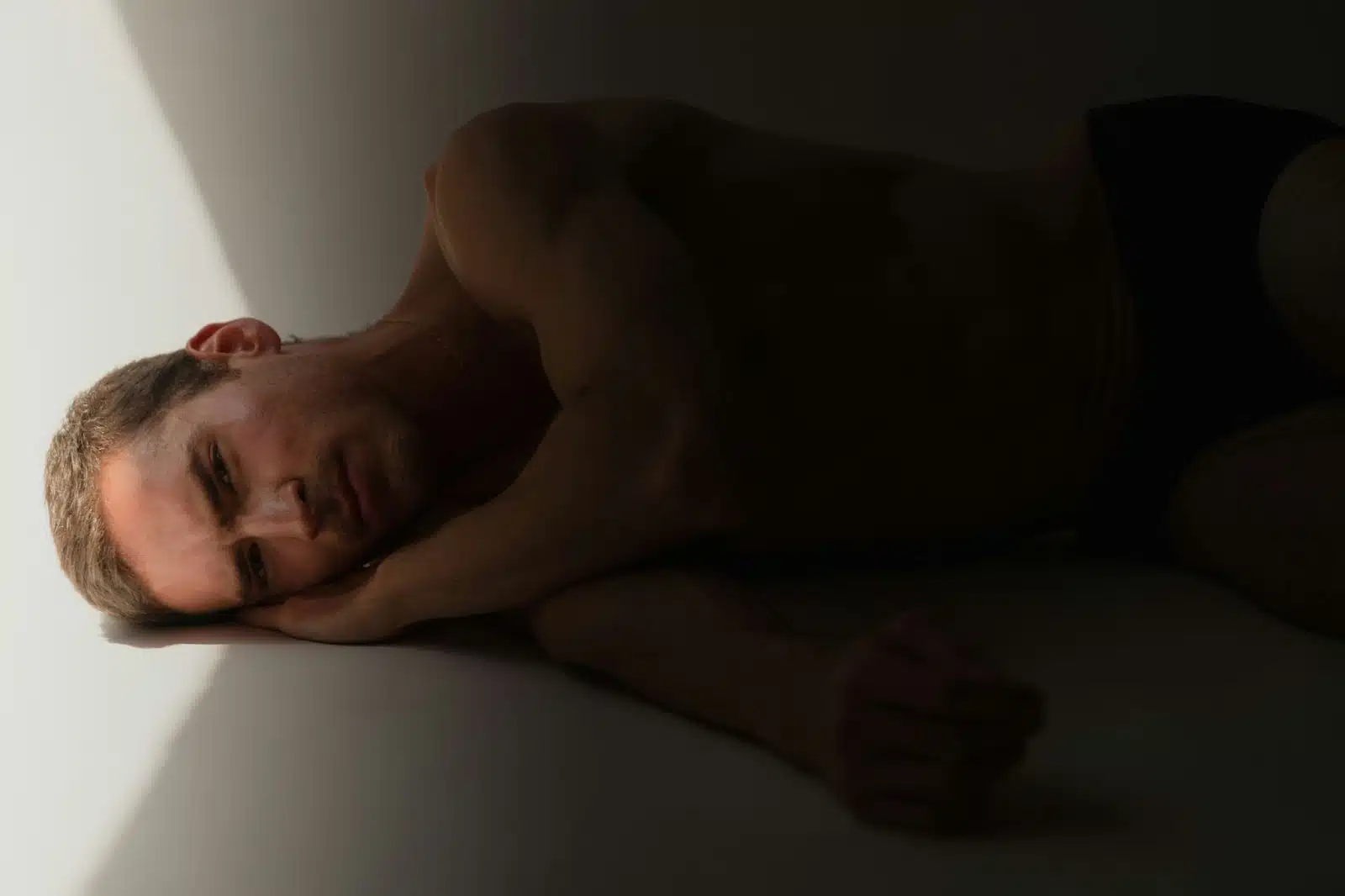
Circulatory issues can affect more than just the heart and brain. For many men, early blood pressure concerns show up in the bedroom. Difficulty with arousal or performance may be an early vascular warning. While not always discussed, this is a deeply felt issue, and one with a clear physical connection.
You Just Don’t Feel “Right”

Sometimes the most important sign is the one that’s hard to name. A general feeling of being “off” or not yourself might be subtle but valid. The body often whispers before it shouts. Paying attention to that whisper can be lifesaving. When something feels different, it’s worth listening to.
Why Paying Attention Could Save a Life

The danger of high blood pressure is how quietly it moves. These subtle signs might seem small, but together, they paint a clear picture. For men in their 30s, 40s, and 50s, regular checkups and blood pressure monitoring are essential. Prevention starts with recognition. And sometimes, the best health decision is made long before there’s a crisis.








Ask Me Anything