
We all know sleep matters. But between late-night emails, endless scrolling, and tomorrow’s to‑do list buzzing in the back of your brain, getting good sleep feels unnecessarily complicated.
That’s where a bedtime checklist comes in. Not some fussy ritual with whale songs and scented candles (unless that’s your thing) but a practical, realistic set of habits that help you wind down without feeling like you’re giving up your dignity.
Below are 18 bedtime checklists you can start tonight. Some are quick, some take a few minutes, and all of them help your body and mind recover better.
1. Shut down your screens (yes, really)

Blue light from your phone, tablet, or TV can trick your brain into thinking it’s still daytime. That’s why you’re lying awake at midnight, wondering why your eyelids refuse to cooperate.
Aim to cut off screens at least 30 minutes before bed. If that feels impossible, try switching to something low-stimulus like dimming the brightness, listening to an audiobook, or even just letting yourself sit quietly (yeah, that’s legal).
2. Set the stage with cooler temps
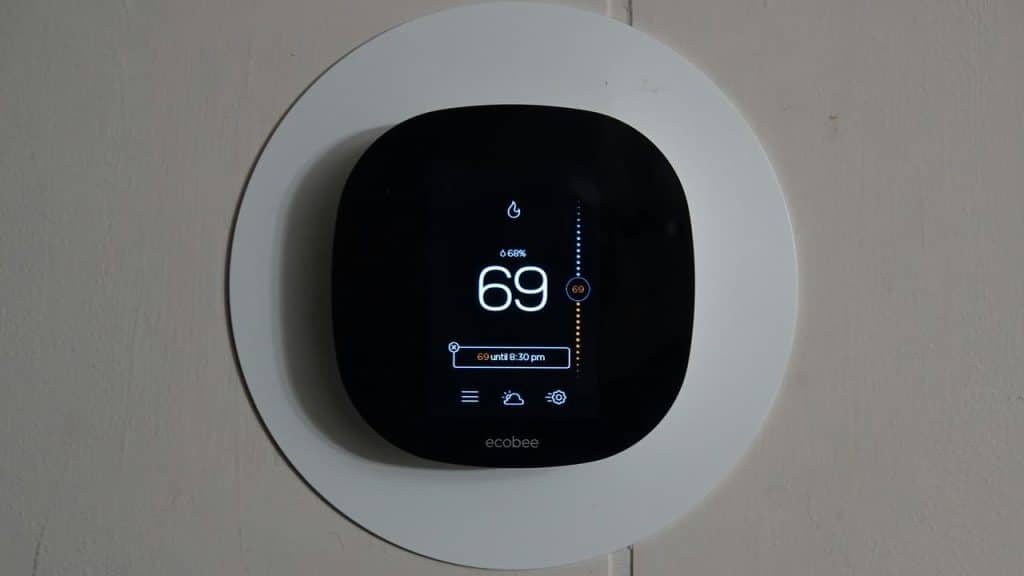
Your body cools naturally at night, which is a fancy way of saying you sleep better when the room isn’t hot. Experts say somewhere around 65–6 degrees Fahrenheit hits the sweet spot.
If you’re shoving blankets off and flipping your pillow to the cool side all night, it’s probably time to turn down the thermostat or crack a window.
3. Hydrate, but time it right

You need water to recover overnight because your muscles, skin, and even your brain rely on it. But chugging a quart of water right before bed is basically a guarantee you’ll be sprinting to the bathroom at 3 a.m.
Get your fluids in earlier in the evening and maybe keep a small glass nearby just in case. Also, alcohol may help you fall asleep faster, but it trashes the quality of your sleep. Something to think about when reaching for that nightcap.
4. Stretch it out
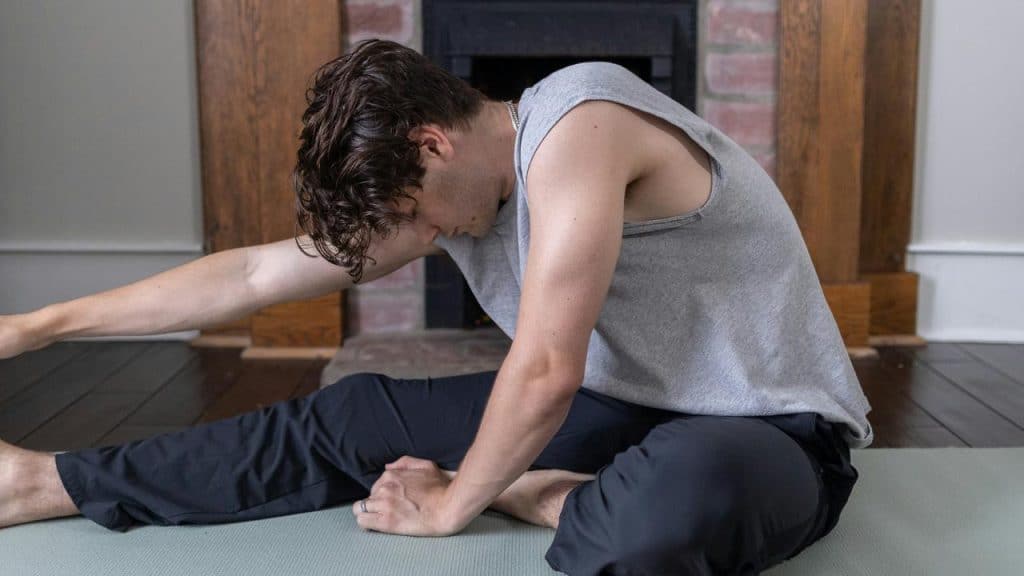
Sitting all day at a desk or on a couch leaves your body stiff and sore by bedtime. A few minutes of gentle stretching loosens you up and tells your nervous system it’s safe to relax.
You don’t need a yoga mat or leggings to make this work. Try a simple hamstring stretch, a couple of neck rolls, maybe even a wall sit if you’re feeling ambitious. It feels surprisingly good once you actually start.
5. Lay out tomorrow’s essentials

You know that frantic morning scramble where you can’t find your keys, your socks don’t match, and your gym bag is still empty? You can sidestep all that by spending five minutes tonight laying everything out.
It’s a small mental victory, and your morning self will silently thank you as he grabs his stuff and heads out the door without breaking a sweat.
6. Jot it down
Your brain loves to remind you of every single unfinished task right when your head hits the pillow. Grab a pen and notepad (not your phone) and write down anything bouncing around in your head, like work deadlines, groceries, or that random idea for fixing the garage door.
Once it’s on paper, your mind doesn’t have to keep carrying it. You can even leave the notebook on your nightstand in case something else pops up.
7. Soothing sounds and smells

The sound of a box fan humming or a white noise app can be strangely comforting. It also helps drown out annoying street noise or creaky pipes.
Some guys swear by a dab of lavender on their pillow or a woodsy scented candle earlier in the evening. It doesn’t have to smell like a spa, just something pleasant that signals to your brain it’s time to shut it down.
8. Take care of your face and teeth

Brushing your teeth is a given (hopefully), but washing your face and maybe even moisturizing can help you wind down, too. It’s one of those small rituals that sends a signal to your body that the day is over.
You’ll be surprised after waking up and looking a little less like you wrestled a bear in your sleep.
9. Cut the late-night snacks

Eating heavy meals or sugary snacks too close to bedtime can throw your system out of whack. Your body is busy digesting when it should be recharging.
If you’re genuinely hungry, go for something light like a handful of nuts, a banana, or maybe some yogurt. Leave the pizza rolls for another time.
10. Check your tech (once, then stop)
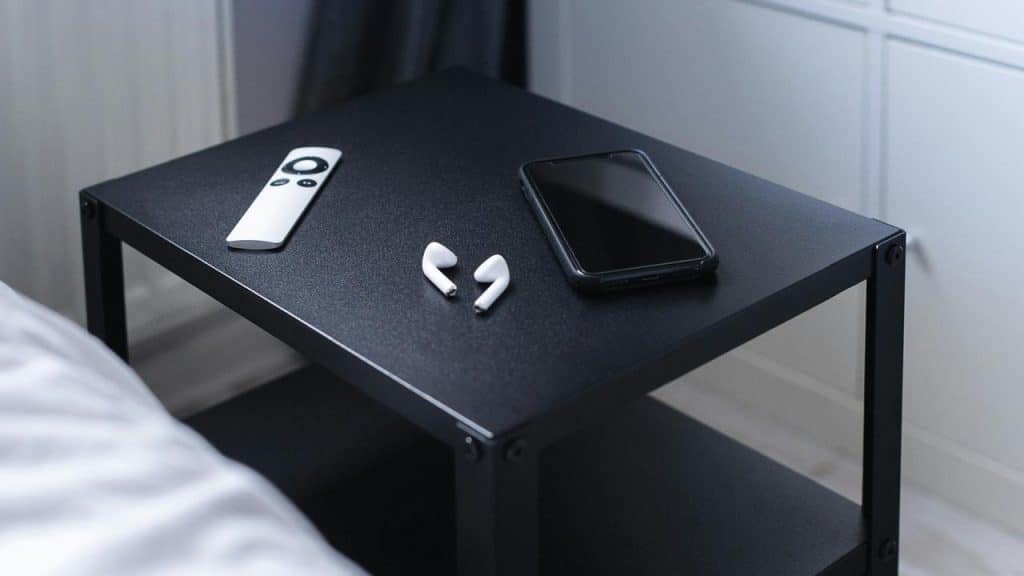
Before you officially clock out, set your alarm, silence notifications, and put the phone face down. That way, you’re not jolted awake at 1 a.m. by some pointless group chat or promotional email.
The fewer distractions buzzing around you, the better your chances of staying asleep.
11. Breathe slowly

We tend to breathe shallowly when we’re stressed, which keeps our nervous system on high alert. Try lying flat, putting a hand on your stomach, and taking slow, deliberate breaths.
In through your nose, out through your mouth, about five seconds each way. It sounds simple because it is, but it works.
12. Tidy up a little
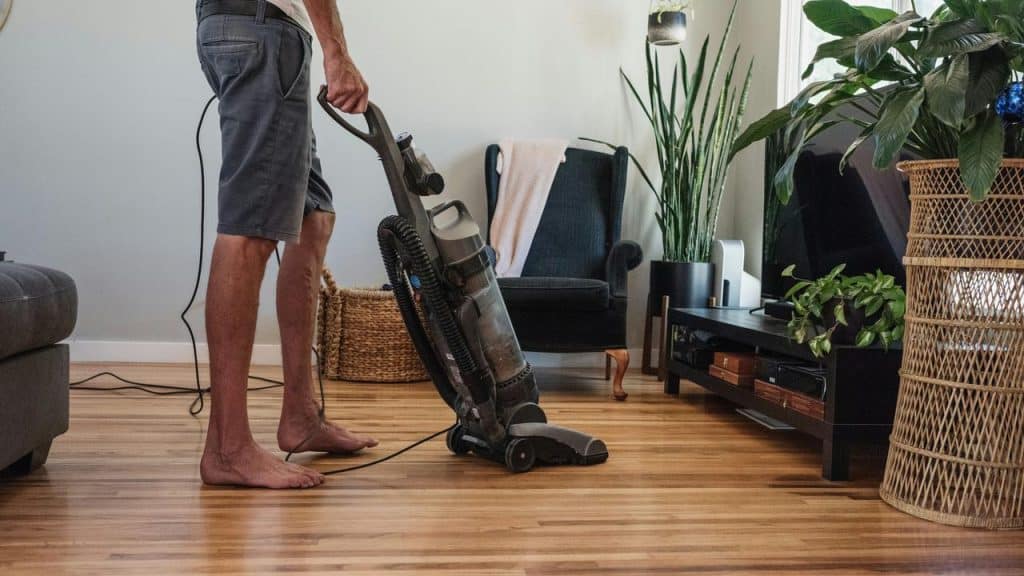
You don’t have to scrub the grout or polish the faucets. Just pick up a few things before hitting the sack. Clearing the clutter helps you wake up to a calmer space. There’s something satisfying about walking into a room that doesn’t look like a hurricane hit it.
13. Pick your pajamas wisely

What you wear (or don’t wear) to bed matters more than you think. Breathable cotton or moisture-wicking fabrics help keep you comfortable.
If you prefer to sleep shirtless or just in shorts, go for it. Nobody’s judging. The point is to feel relaxed, not restricted.
14. Mind your caffeine cut-off

That afternoon coffee you grabbed at 4 p.m. is still in your system when you’re lying awake at midnight. Try switching to water, herbal tea, or even just plain sparkling water after lunch.
It’s one of those changes you don’t notice right away until suddenly you’re actually falling asleep when you want to.
15. Power down your mind

Some guys make the mistake of grinding through emails or arguments right up until bedtime. Then they wonder why they’re still buzzing hours later.
Give yourself at least 20 or 30 minutes of calm, non-stressful activity before lights out. Read, listen to music, or even just sit outside for a minute.
16. Foam roll or massage sore spots
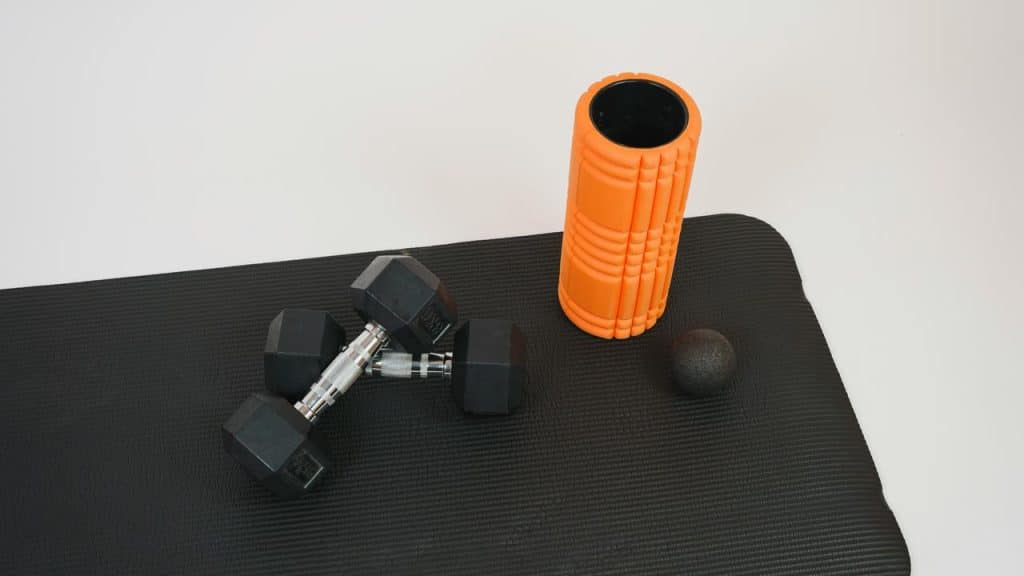
A few passes with a foam roller or even just a tennis ball under your back can work out the knots and ease muscle tension. Just hit the sore spots for a few minutes, and you’ll feel your body start to relax.
17. Peek at tomorrow’s weather and schedule
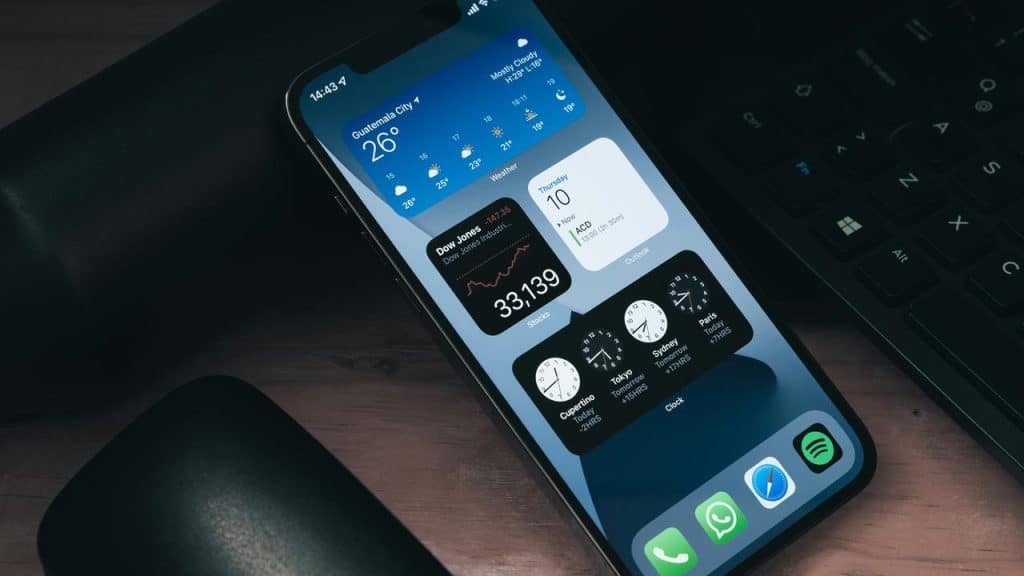
This one’s underrated. Take a second to check the forecast and glance at tomorrow’s calendar. Knowing what you’re walking into, whether it’s rain, an early meeting, or a workout, helps you mentally prepare. It’s like giving your brain a little sneak preview so it can chill out.
18. End with gratitude (yes, seriously)

Sounds a little cheesy, but hear this one out. Thinking of just one or two things you’re grateful for can actually calm your nervous system.
Doesn’t have to be anything grand, maybe your dog, a good workout, or even just making it through a tough day. It’s a quiet way to cap off the night on a good note.
When you add it all up, these bedtime checklists can make a massive difference in your nighttime routine and help you recover physically, mentally, and spiritually.








Ask Me Anything