
The “spark” doesn’t vanish overnight. It fizzles–slowly, quietly–through small, everyday behaviors that most couples don’t even notice happening. You think things are fine because there’s no major fight, no betrayal, no drama. But the truth is, the slow erosion of connection doesn’t always come with sirens. It’s often silent.
Whether you’re in a new relationship or have been together for years, some habits sneak in under the radar and chip away at the intimacy, the fun, the edge. If you’re wondering why things feel a little flat lately, these might be the culprits. Let’s talk about the 18 subtle, often unconscious habits that can slowly smother that initial magic–and what to do instead.
1. Going Into Autopilot

When routines replace real connection, the relationship starts to feel more like a to-do list than a living, breathing bond. You say “good morning” out of habit, ask “how was your day?” without actually listening, and zone out during dinner because it’s just another day. The spark dies when presence disappears. Start small–make eye contact, listen with curiosity, touch their arm during casual conversation. Treat the everyday like it still matters.
2. Using “We” to Avoid Personal Growth

It sounds romantic to think of yourselves as a team all the time–but sometimes, “we” becomes a hiding place. One or both partners might avoid personal goals or passions because they think it’s more noble to always choose the couple. But when individuals shrink, the relationship dulls. Growth fuels attraction. A relationship thrives when both people stay alive to themselves.
3. Defaulting to Digital Connection

You text all day but barely talk when you’re together. You send memes instead of saying “I miss you.” You share TikToks more than real-time feelings. Digital connection is a supplement, not the main course. Put the phone down. Sit in silence. Touch. Make time for eye-level, heart-level conversations that can’t be screenshotted.
4. Skipping Playfulness

Somewhere along the way, couples forget to flirt. You stop goofing off, teasing each other, or doing dumb things just because it makes you both laugh. Relationships become overly serious when stress takes center stage. But playfulness is glue. Even 5 minutes of silliness can remind you why you liked each other in the first place.
5. Treating Your Partner Like a Mind Reader

You think they should just know. That you had a rough day. That you need a hug. That something they said annoyed you. But expecting mind reading kills communication–and builds resentment. Spell things out. Loving someone doesn’t make them psychic. The spark fades when clarity disappears.
6. Not Touching Unless It Leads to Physical Intimacy

Affection shouldn’t always be a precursor to the bedroom. When every touch feels like a setup, it creates pressure and performance anxiety. Gentle, non-sexual physical contact–hugs, back rubs, sitting close–builds safety and warmth. That low-key affection is often the groundwork for true desire.
7. Letting Admiration Fade

Early on, you notice everything you admire: how they talk, think, move. Over time, that gaze dulls. You stop expressing appreciation. You forget to say, “That thing you said today? It really made me think.” But admiration isn’t optional–it’s fuel. Start noticing again. Speak it out loud. Nothing reignites the spark like being seen.
8. Outsourcing Your Emotional Life

Instead of leaning on each other, couples start turning to friends, coworkers, or social media for emotional connection. One-off venting is fine. But when your partner stops being your go-to person for the real stuff, distance builds. Don’t shut each other out of your inner world. Keep choosing each other as your first stop.
9. Making Jokes That Undercut

Sarcasm becomes a slow poison when it’s always at your partner’s expense. Those “playful” jabs about their habits, body, or quirks might get laughs, but over time, they chip away at self-esteem and trust. If it wouldn’t feel good in reverse, don’t say it. Real intimacy needs softness, not subtle digs.
10. Forgetting to Celebrate
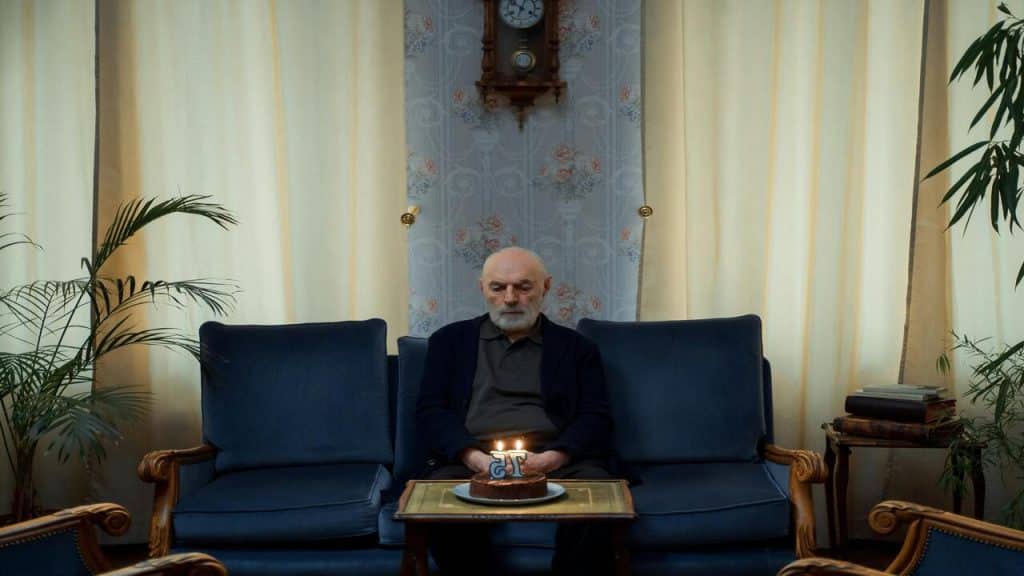
Milestones, small wins, or even just surviving a hard week–if you’re not pausing to say “Hey, that mattered,” the relationship feels flat. Celebration doesn’t have to mean champagne and confetti. It can be a high-five, a favorite meal, a night off from adulting. Celebrate the ordinary. That’s what gives it meaning.
11. Over-Relying on the Past

Nostalgia can be beautiful, but if you’re constantly reminiscing about the “good old days,” it might be because the present isn’t giving you much to hold on to. Relationships need fresh input. New experiences. If everything exciting happened already, the future feels stale. Create new memories. Don’t just relive the old ones.
12. Seeing Conflict as a Threat Instead of a Tool

A lot of couples avoid disagreement because they think fighting = failure. But healthy conflict is a bridge, not a bomb. If handled well, it leads to deeper understanding and stronger connection. The spark fades when you tiptoe around issues. Learn to fight with respect, not fear.
13. Always Putting Function Over Fun

Bills, chores, errands–life gets busy. But if your relationship becomes a logistical partnership only, the emotional chemistry dries up. Schedule fun like you schedule your taxes. Whether it’s a random ice cream run or a midweek dance in the living room, joy is maintenance. Don’t neglect it.
14. Holding Grudges Quietly

You think you’ve let it go–but it lingers. That offhand comment. That time they forgot. Unspoken grudges hang in the air, coloring every interaction. They kill warmth. Talk things out when they’re small. Forgive honestly. Or at least admit when you haven’t yet. Honesty is intimacy.
15. Assuming Commitment Equals Closeness

Just because you’re exclusive or married doesn’t mean you’re emotionally close. A label isn’t a shortcut to intimacy. You still need regular check-ins, vulnerable conversations, and intentional connection. The spark doesn’t live in status–it lives in effort.
16. Living on “Maintenance Mode”

Relationships don’t just need to be kept alive–they need to be fed. Too many couples get stuck in maintenance mode: doing just enough to keep things running, but not enough to make them exciting. Ask bold questions. Try new things together. The spark lives in curiosity, not cruise control.
17. Comparing Your Relationship to Others

You scroll and see couples posting sweet captions or grand romantic gestures, and suddenly you wonder, “Why aren’t we like that?” But constant comparison creates dissatisfaction. Focus on what makes your dynamic unique. Often, the spark returns when you stop trying to look perfect and start being real.
18. Forgetting That Desire Requires Distance

Closeness is great–but too much can create emotional claustrophobia. When you do everything together, mystery dies. Desire needs space. It needs time apart, solo experiences, and independent passions. That little bit of absence? It makes your presence feel like a return–not just a routine.








Ask Me Anything