
Being in a healthy relationship means trusting your partner but trust doesn’t mean ignoring red flags. For men navigating modern relationships, learning how to detect dishonesty without jumping to conclusions is an essential skill. This isn’t about becoming paranoid, it’s about being emotionally aware and protecting your well being. Here’s how to spot lies with clarity and confidence.
Sudden Shifts in Communication Style

If she suddenly goes from oversharing to vague replies or avoids simple questions, pay attention. A change in communication habits might signal discomfort or concealment. Look for inconsistencies in tone, timing, or story details. The goal isn’t accusation, it’s awareness.
Watch for Over Explaining Simple Things

People who lie often add unnecessary details to make their story sound more believable. If a simple answer is wrapped in too many facts or justifications, it could be a cover. Be curious, not confrontational, observe the pattern, not just the moment.
Body Language That Doesn’t Match Words

When her words say one thing but her body signals another, crossed arms, avoiding eye contact, fidgeting, it may be time to dig deeper. Discrepancies between body language and speech often suggest hidden discomfort. Your intuition often picks this up before your brain does.
Abrupt Topic Changes During Serious Questions

If your partner diverts or deflects questions you ask seriously, it might be more than forgetfulness. Changing the topic abruptly can be a defense mechanism to avoid the truth. Stay calm and redirect the conversation back gently.
Repeating Your Questions Back to You

One subtle trick liars use is repeating your question to buy time. If she says, “What do you mean, where was I?” multiple times in one conversation, it could be a stalling tactic. Note the delay and how she recovers the answer.
Inconsistent Details Over Time

When the story changes each time she tells it, pay attention. Memory isn’t perfect, but big inconsistencies in timelines or specifics could be a red flag. Keep mental notes of what feels off without becoming accusatory.
Defensive Behavior Over Innocent Questions

If asking a casual question triggers an emotional overreaction, it might not be about the question itself. Getting defensive too quickly can be a sign of guilt or fear of exposure. This is especially telling if you were calm and respectful.
Hesitation Followed by Rehearsed Sounding Responses

Truth often flows naturally, while lies may take longer to form. If she pauses and then answers in a way that feels overly polished or practiced, it’s worth noting. Don’t jump to conclusions, look for repeated patterns.
Avoiding Eye Contact at Key Moments
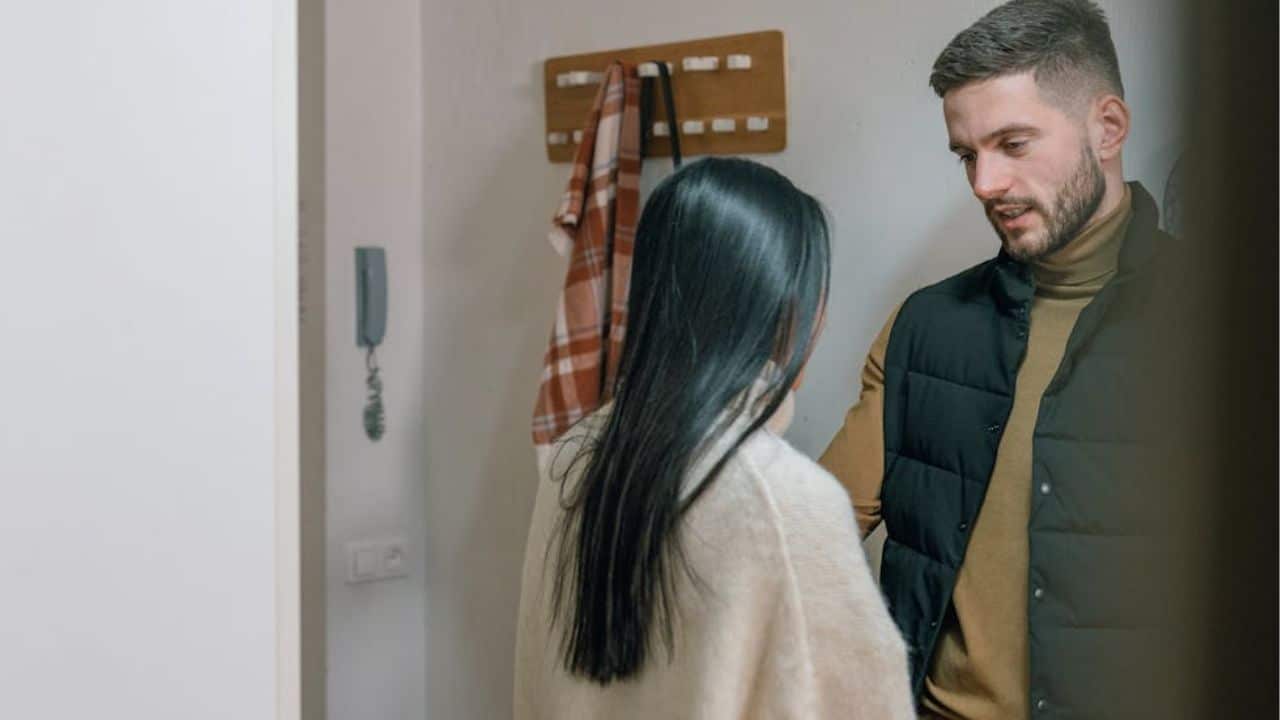
Avoiding eye contact isn’t always a lie detector but doing it during important or emotional discussions may mean there’s more going on. If this happens regularly when stakes are high, it could signal discomfort or concealment.
Vague Language Around Specific Questions

If you ask where she went and the answer is “just out” or “around,” it might be vague on purpose. People hiding something often avoid naming specifics. Look out for a lack of clarity when it’s usually present.
Behavioral Guilt Shows Up Later

Sometimes the lie isn’t visible immediately but shows up in guilt driven behaviors later. If she starts being overly nice, apologetic, or avoidant without cause, that shift may signal something’s unresolved. Pay attention to timing.
Trust Your Gut With Logic

Sometimes your intuition picks up on discomfort even if you can’t explain it. While it’s not always right, it can guide you to ask better questions or observe more closely. Pair gut feelings with calm reflection, not confrontation.
Look for Patterns, Not Just One Offs

A single weird response doesn’t mean someone’s lying but repeated signs over time create a clearer picture. Trust is built over time, and so are patterns. Stay open, curious, and focused on the big picture, not just isolated moments.
You Can Ask Directly Respectfully

When in doubt, ask your partner for clarity. Be calm, honest, and non accusatory. Sometimes just giving someone space to come clean opens up the truth naturally. Trust is built on safe, open communication, not silent suspicion.








Ask Me Anything