
Second marriages carry a unique promise: they’re built on hard‑won insights rather than fresh‑faced optimism. After one partnership ends, it becomes clear which battles matter and which don’t. Self‑awareness deepens, communication skills sharpen, and priorities shift from proving love to nurturing it.
You’re no longer chasing an idealized romance, and you enter a new chapter with realistic expectations and the emotional tools to navigate bumps in the road. This recalibrated approach often translates into a marriage that feels more stable, more appreciative, and ultimately more rewarding.
Greater Self-Awareness

After your first marriage ends, you learn a lot about what drives you, what drains you, and what really matters. You don’t walk into your second marriage as a blank slate. You show up knowing your values. That self-awareness helps you stay calm during disagreements and prevents small annoyances from escalating into major blowups.
Realistic Expectations

When you’re younger, it’s easy to expect perfection. Now? You know better. You don’t need constant sparks or grand gestures. You appreciate the small stuff—like her listening after a long day or sharing a laugh over dinner. That’s the real glue that holds things together.
Enhanced Communication Skills

You’ve argued, repaired, and learned. Now you know how to talk without blaming and listen without shutting down. When something feels off, you don’t let it stew—you just ask, “What’s going on?” That simple habit keeps things honest and resentment-free.
Emotional Maturity

You’ve lost your cool before—and regretted it. Now, you pause, breathe, and think before reacting. That steady energy makes your partner feel safe, especially when life gets messy. You’re not just reacting anymore—you’re responding.
Deep Appreciation and Gratitude

You don’t take the little things for granted anymore. You notice the little things: her coffee routine, that midday text, and how she checks in about your day. And you say thank you. Often. That kind of appreciation makes both of you feel valued and seen.
Improved Conflict Resolution

You’ve had enough dead-end arguments to last a lifetime. Now, you bring things up early, stay solution-focused, and ditch the scoreboard. A simple “What do you need right now?” can shift the entire tone of a disagreement.
Clearer Boundaries

You’ve learned that always saying yes leads to burnout. Now, you protect your time, date nights, downtime, and hobbies without guilt. You know that space isn’t distance; it’s how you stay strong and present.
Self-Sufficiency and Independence

You have your own life, friends, interests, and routines—and that’s a good thing. You’re not relying on your partner to “complete” you. You bring a whole, grounded person into the relationship, and that makes you a better partner.
Financial Stability

Money stress used to hang over everything. Now, careers are steadier, budgets are clearer, and you can plan a weekend away without a fight. That stability lets you focus on making memories, not managing panic.
Shared Life Experience
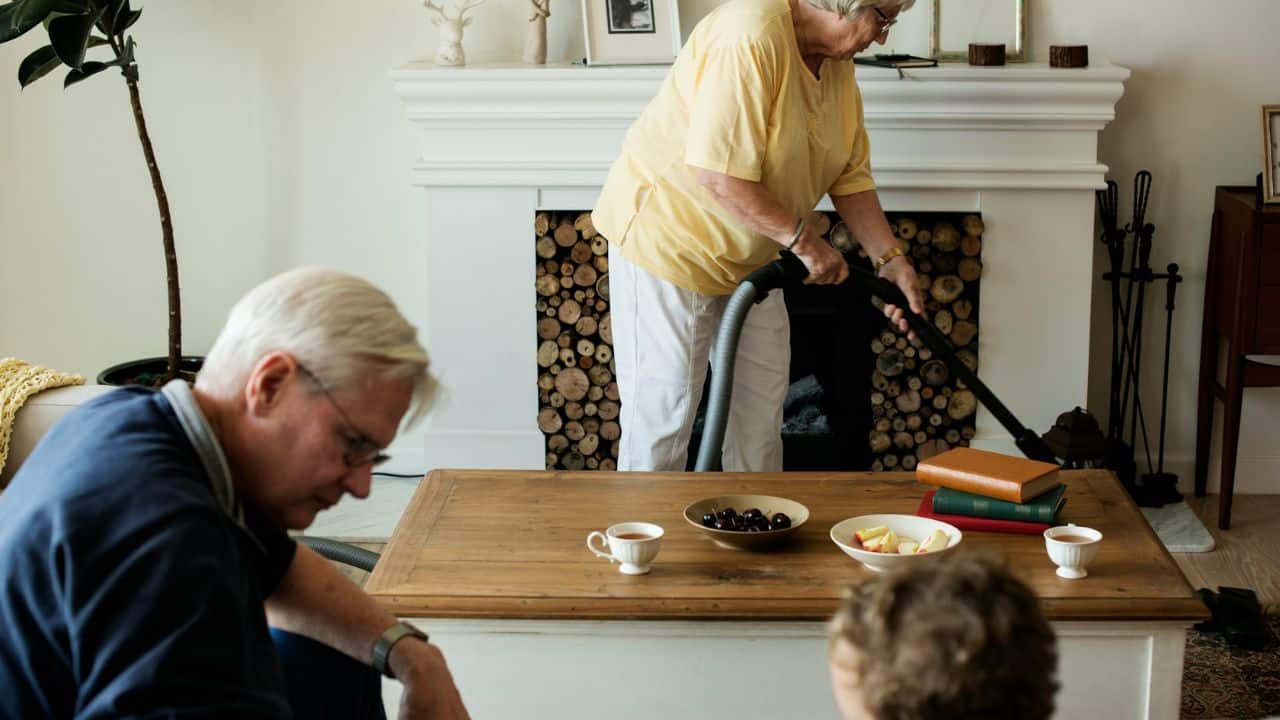
You’ve done the hard stuff—co-parenting, navigating in-laws, juggling calendars. Now, you and your partner use that experience to make daily life smoother. It’s not perfect, but you’ve got a rhythm. And you’ve got each other’s backs.
Intentional Commitment
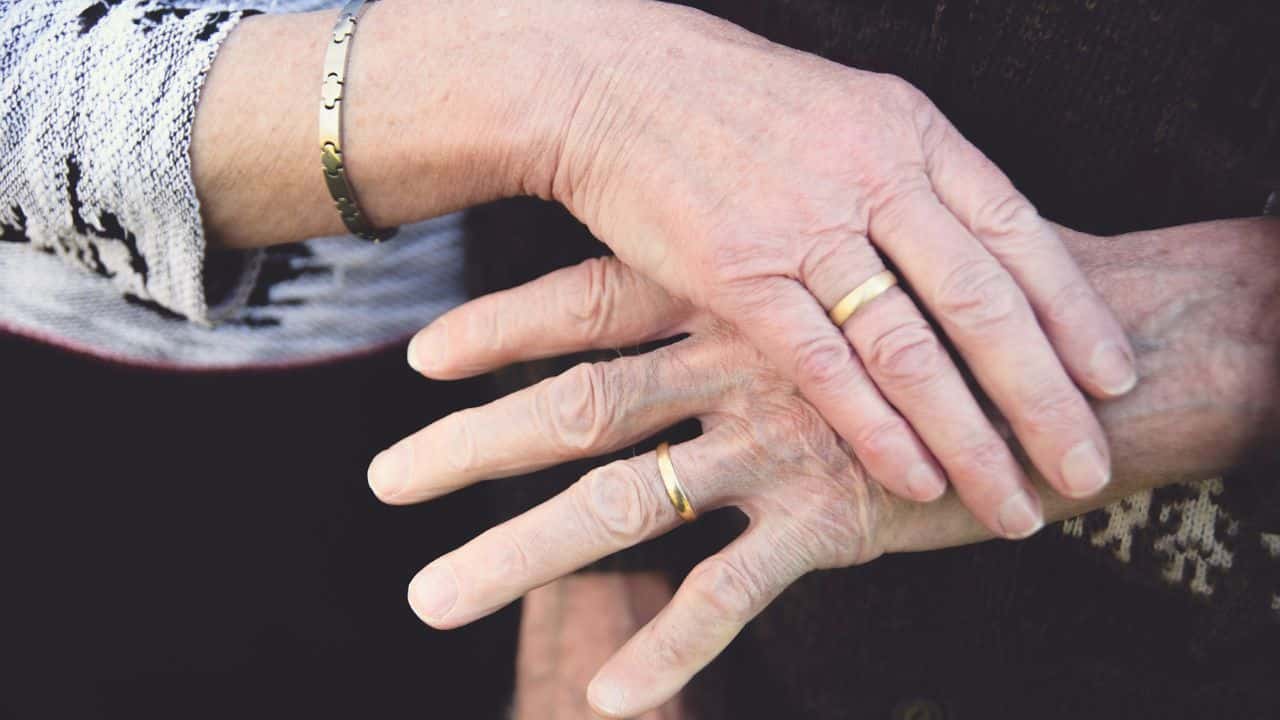
You know what “forever” actually takes now. It’s not just love—it’s effort, honesty, and showing up. You made this choice with your eyes wide open. And that clarity keeps you committed to building something real.
Therapy and Counseling Tools

Whether you saw a therapist or read the books, you’ve got tools now. You know how to name tough feelings, listen more effectively, and calm things down when it gets tense. Those tools help you avoid past mistakes and move forward when things get hard.
Lower Social Pressure

You’re done trying to impress everyone. You don’t care what relatives or friends think a marriage “should” look like. You and your partner decide what works for you—from holiday plans to house roles. That freedom makes your bond stronger.
Stronger Friendship Foundation

You’re not just romantic partners—you’re actual friends. You laugh, hang out, and share hobbies. That friendship makes the hard times easier and the good times even better. It’s the kind of connection that lasts.
Early Red Flag Detection

You trust your gut now. If something feels off—like emotional distance or lack of compromise—you don’t ignore it. You talk about it or walk away early. That awareness helps you protect what you’re building.
Greater Resilience

You’ve been through storms. Divorce, setbacks, hard life stuff—you’ve survived it. That resilience gives you confidence. Whatever comes next, you’ll face it together, stronger than before.
Deeper Intimacy

You’ve let your guard down. You’ve shown your real self—flaws, fears, everything. And your partner stayed. That kind of trust builds a deeper intimacy. It’s more than attraction. It’s connection.
Mutual Acceptance of Flaws

You don’t need each other to be perfect. You know the quirks, the moods, the habits—and you accept them. It’s not about fixing each other. It’s about choosing each other, flaws and all.
Gratitude for a Second Chance

You know how rare this is. Love, again. That awareness makes every “I love you” count. You don’t take it for granted. You work at it—because you know this kind of happiness is worth the effort.








Ask Me Anything