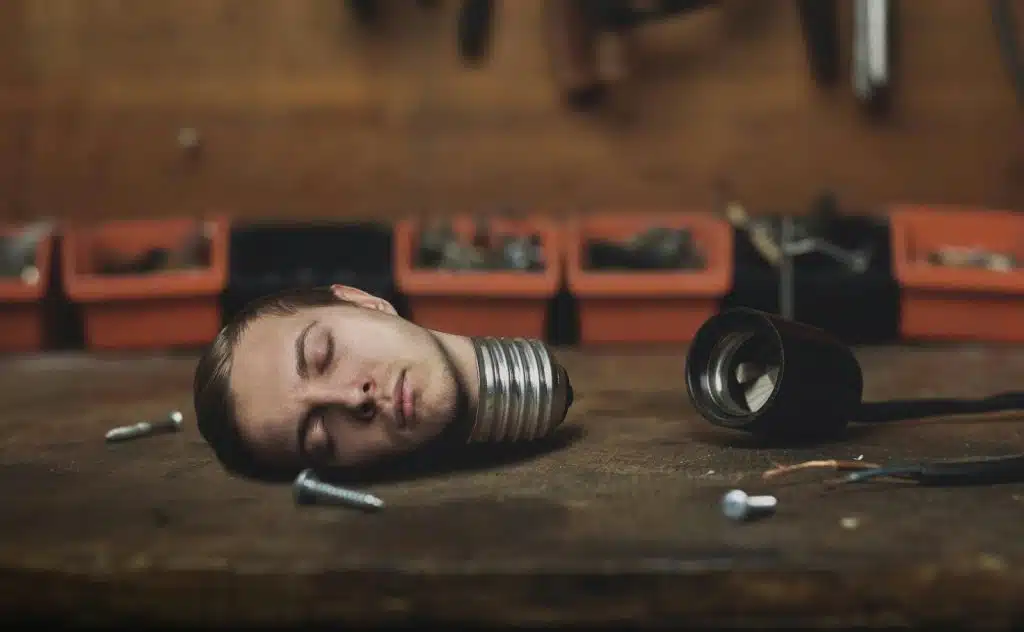
The grind mindset can be glamorized, but the body eventually signals when it’s too much. Pushing through exhaustion isn’t resilience, it’s self-neglect. Many men don’t realise the toll until their physical health begins to speak louder than their ambition. Hustle culture may reward productivity, but the body keeps score. Listening early prevents long-term damage.
Constant Fatigue That Sleep Doesn’t Fix
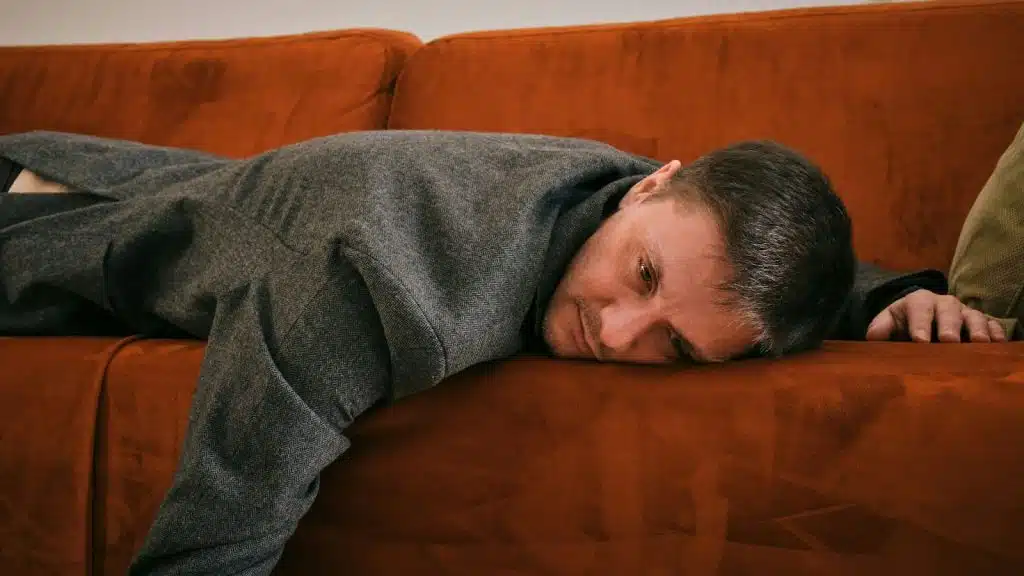
Waking up tired even after a full night’s sleep isn’t normal. It’s a sign your body isn’t recovering properly. Chronic stress keeps the nervous system in overdrive, draining energy reserves. This level of fatigue isn’t solved by caffeine or a weekend nap. It requires a shift in pace and pressure.
Tension That Never Leaves

Neck, back, and jaw tension can become the body’s default mode under constant pressure. It’s not just bad posture, it’s stress stored physically. When muscles stay tight even during rest, the body is stuck in fight-or-flight. Massage or stretching can help, but what’s needed most is permission to pause.
Short Temper and Low Patience

Emotional bandwidth shrinks when the body’s under constant strain. Small inconveniences trigger outsized reactions. Men may not label it as burnout, but irritability is a sign the system’s overloaded. When hustle becomes a habit, emotional regulation is the first thing to go.
Forgetfulness and Brain Fog

Can’t concentrate? Always misplacing things? Chronic stress redirects energy away from cognitive function. Mental fog is a physical symptom of burnout, not a personal failing. When your mind feels like it’s in a cloud, your body might be begging for a reset.
Getting Sick More Often

The immune system suffers in hustle mode. If every cold lingers longer or new ones show up constantly, it may be more than bad luck. Chronic stress weakens defenses. Your body isn’t being dramatic, it’s asking you to slow down before things get worse.
Digestive Issues With No Clear Cause
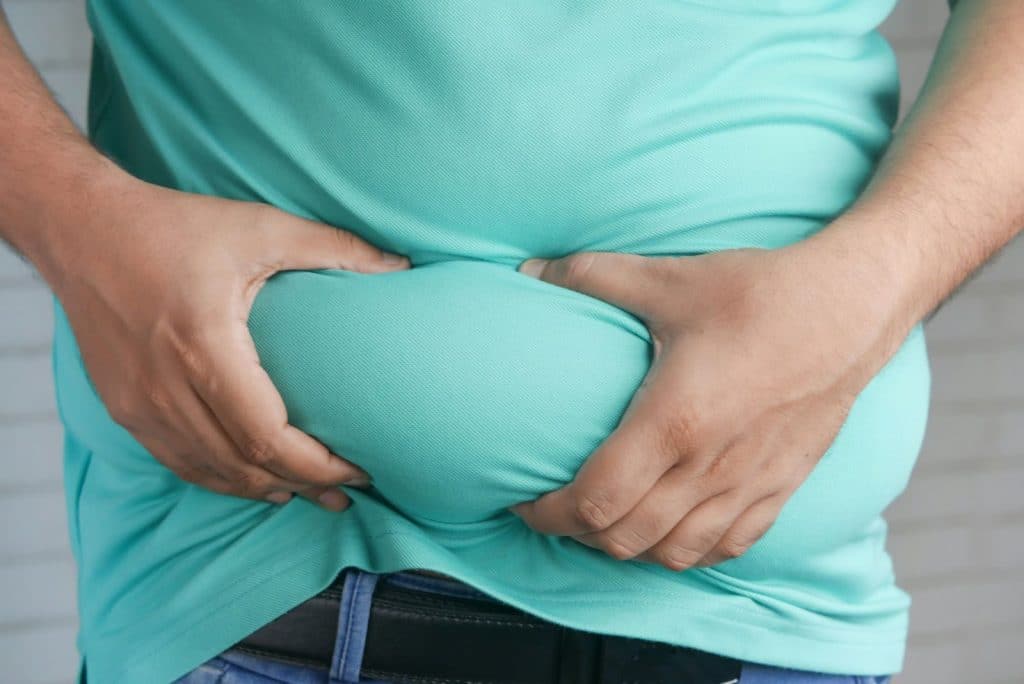
Stress shows up in the gut faster than most realise. Bloating, acid reflux, or irregular digestion are common under chronic pressure. These aren’t just dietary problems, they’re physical responses to stress hormones. Ignoring them only deepens the imbalance.
Loss of Interest in Things You Used to Enjoy

When drive becomes depleted, even hobbies lose their spark. If everything starts to feel like a chore, your body may be too exhausted for joy. Hustle culture doesn’t reward rest, but your nervous system demands it. Joy is often the first casualty of burnout.
Dependence on Caffeine or Energy Boosters

Needing multiple cups of coffee or energy drinks just to get through the day isn’t sustainable. These quick fixes mask exhaustion but don’t address its root. The more you rely on stimulation, the less your body learns to recover naturally. Eventually, the crash always comes.
Sleep That’s Restless or Interrupted
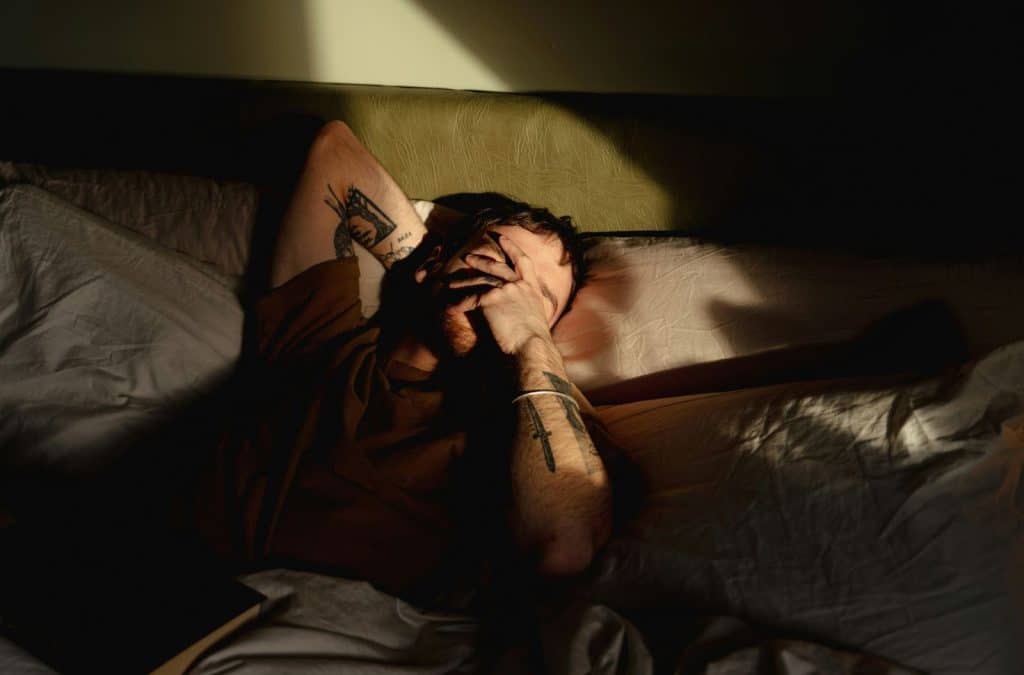
Falling asleep is hard when the mind refuses to shut down. Even if you do fall asleep, waking up multiple times is common with overstimulation. Your body might be still, but your stress hormones aren’t. True rest starts long before bedtime, with boundaries.
Lack of Motivation That Feels Like Apathy
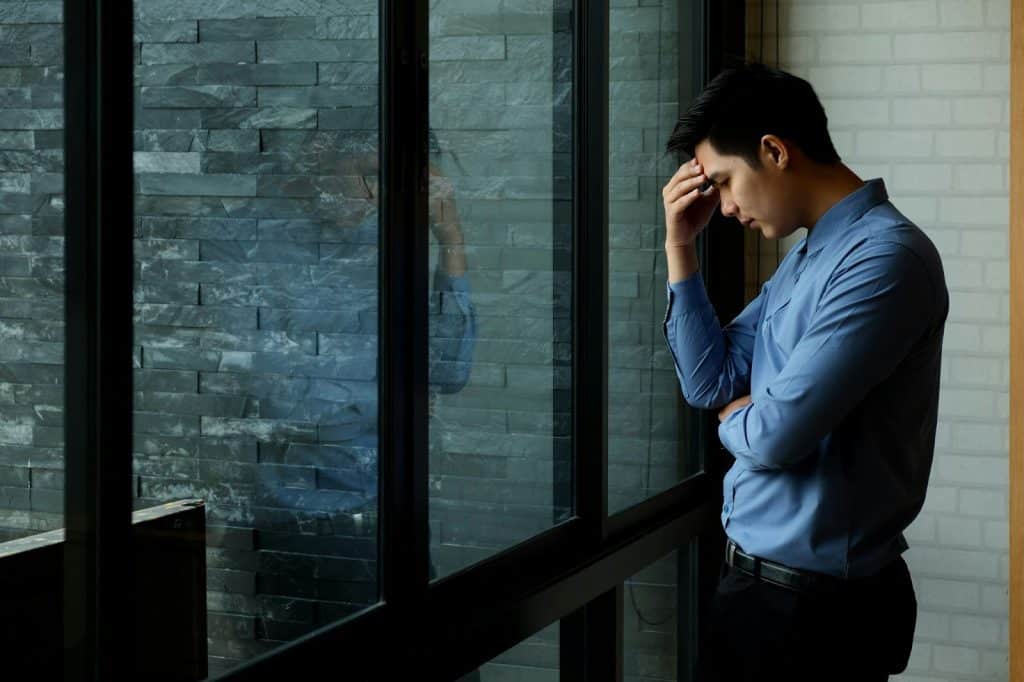
There’s a difference between laziness and depletion. When the body’s overworked, motivation flatlines, not because of a poor mindset, but because it’s running on empty. Hustle culture praises output, but real productivity requires energy. And energy isn’t infinite.
Frequent Headaches or Migraines

Recurring headaches are often brushed off as minor annoyances. But under chronic hustle, they can be warning signs. Tension, dehydration, eye strain, and skipped meals all contribute. Pain is your body’s most direct form of feedback. It deserves attention, not dismissal.
You Don’t Feel Like Yourself Anymore

Perhaps the biggest red flag: a slow disconnection from your own identity. You feel like a machine instead of a man. This loss of self isn’t just emotional, it’s physical wear manifesting as numbness. Hustle can drown out inner signals. Reconnection starts with rest.
It Doesn’t Have to Be This Way
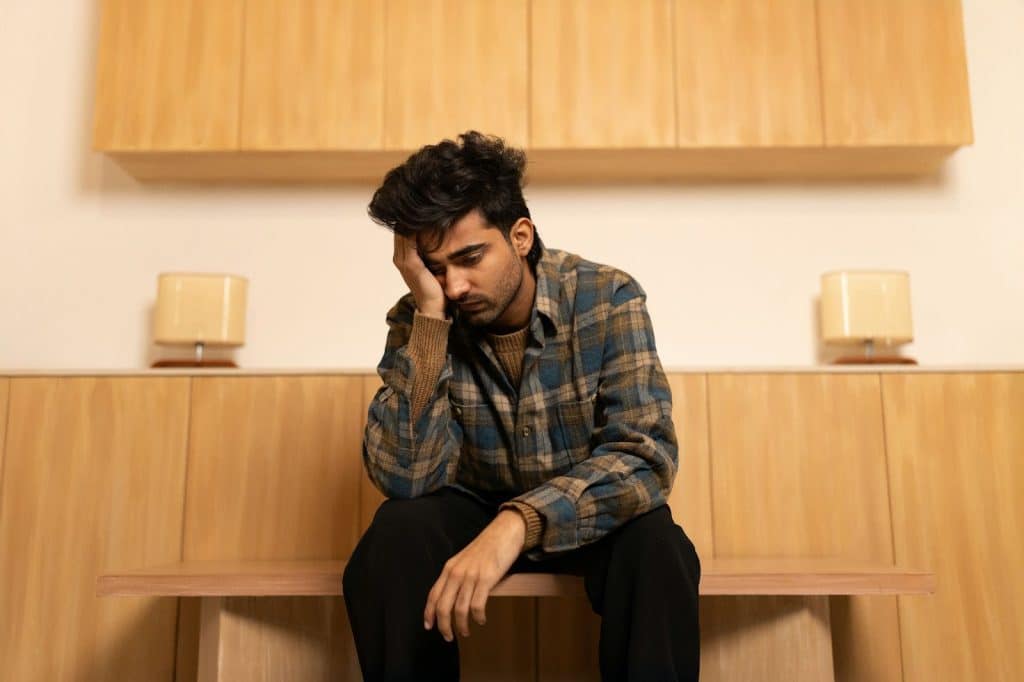
Burnout doesn’t make you weak, it means you’ve been strong for too long without support. Recognising the signs is the first step back to balance. Recovery isn’t passive; it takes intention. But life doesn’t have to be built on depletion. Energy can return when the grind no longer owns you.
Redefining Strength Beyond Hustle

True strength isn’t pushing through pain, it’s knowing when to stop. Hustle culture tells men to outwork discomfort. But the body asks to be heard, not ignored. Choosing balance over burnout is a quiet kind of rebellion. And the beginning of sustainable success.








Ask Me Anything