
Emotional walls aren’t always built from distrust. Often, they’re shaped by past pain, societal conditioning, or the fear of being misunderstood. Men are taught to perform strength before they’re taught how to share safely. Letting the guard down is less about fixing him, and more about helping him feel unjudged. It begins where emotional safety replaces emotional pressure.
Consistency Over Perfection

What helps most men open up isn’t a grand gesture, it’s a quiet, steady presence. Being emotionally safe means being emotionally consistent. When reactions are predictable and stable, defenses slowly drop. Many men open up not to the loudest love, but the calmest one. Over time, they start to trust the environment, not just the words.
Listening Without a Hidden Agenda

Feeling heard without being analysed is rare. Many men shut down when every vulnerable moment becomes a problem to be fixed. But listening, without diagnosing, builds safety. Letting him speak without interruption or assumptions opens a door he may not even know he closed. Silence after sharing isn’t disinterest, it’s reflection.
Acceptance That Doesn’t Come With a To-Do List

Unspoken pressure to “do better” can feel like conditional love. When a man feels accepted, even in his messiest or dullest moments, he starts to feel seen. Acceptance doesn’t mean stagnation; it means “I’m not leaving when you’re not performing.” That alone softens armour. Emotional safety isn’t built through correction, it’s built through presence.
Vulnerability That’s Mirrored Back

Seeing vulnerability in someone else creates permission. When someone shares their own fears, doubts, or awkward truths, it gives men a signal: this space is real. Authenticity invites authenticity. Men often feel safest when emotional exposure isn’t one-sided. It turns emotional risk into emotional reciprocity.
Boundaries That Aren’t Punishments
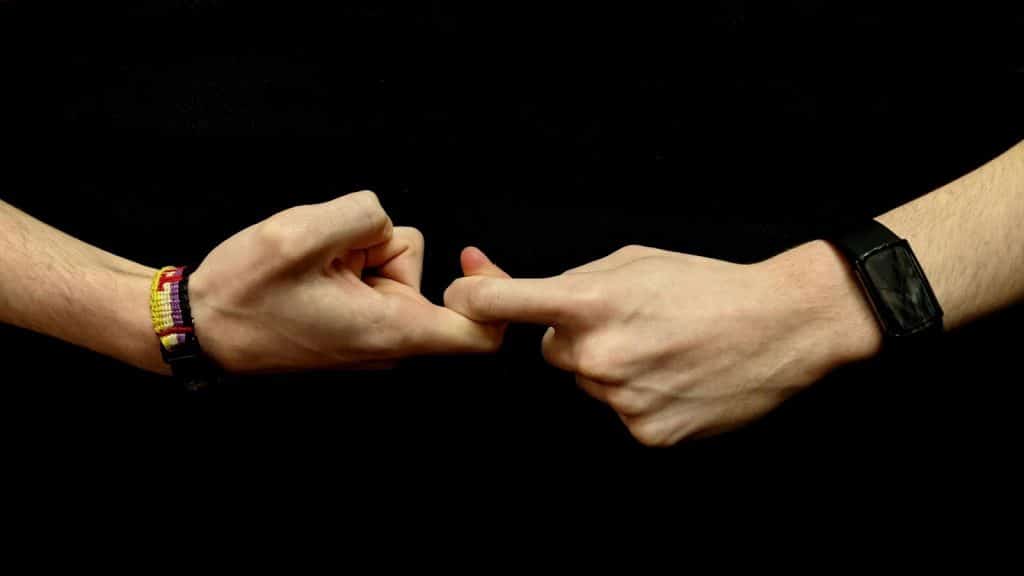
Healthy boundaries help men feel safe, especially when they’re mutual. When boundaries are clear, respectful, and non-reactive, it shows maturity, not rejection. Many men open up more when they know where they stand and what’s safe to express. Boundaries don’t block connection, they define its shape.
Reactions That Don’t Humiliate

Opening up shouldn’t come with shame. If past honesty was met with mockery, dismissal, or emotional withdrawal, the guard only grows higher. Men need to know that sharing their softness won’t be used against them later. Reactions that are calm, curious, and compassionate build long-term trust.
Moments That Aren’t Always Heavy

Not every moment has to be deep to be meaningful. Playfulness, humour, or relaxed silence can help men feel connected without pressure. It’s easier to lower your guard when connection doesn’t always demand disclosure. Many men open up during laughter, side-by-side tasks, or light conversation, not just emotional sit-downs.
A Space to Be Imperfect

Perfectionism is a quiet killer of emotional safety. When a man feels like he must always be emotionally articulate, composed, or stoic, he’ll fake connection. Space to get it wrong, to stumble over words, to backtrack, to admit he’s unsure, helps create real connection. Emotional growth starts where emotional performance stops.
Time Without Pressure

Emotional safety isn’t built on a timeline. Some men take longer to find the language, rhythm, and trust they need. Rushing it with “we need to talk” energy can feel more like confrontation than care. Patience is love without a stopwatch. The more time he’s allowed, the deeper the honesty that follows.
When Connection Feels Earned, Not Expected

Trust grows in spaces where connection isn’t demanded. Men feel safer when their emotional sharing isn’t treated like a quota to meet. Being open becomes meaningful when it’s chosen, not extracted. That’s when what’s shared becomes sincere, not strategic.
When He’s Not the Emotional Workhorse

Some men carry the quiet pressure of always being the steady one. Always holding space. Always absorbing. When they’re finally allowed to be the one held, not just the holder, it creates a shift. Feeling emotionally supported, not just supportive, invites softness.
The Power of Nonverbal Safety

Body language says what words can’t. Soft eye contact, relaxed posture, a hand on the shoulder, these often register more than phrases. Emotional safety is often felt before it’s spoken. When nonverbal cues say “you’re safe here,” guards come down without a word.
Letting Him Leave and Return Emotionally

Sometimes, emotional withdrawal isn’t distance, it’s processing. Men often open up in waves, not floods. Letting him step away without punishment, and allowing him back without suspicion, signals safety. Space without resentment gives room for reflection and return.
What Happens After the Guard Drops

When a man lowers his guard, he watches what happens next. If it’s met with criticism, pressure, or a change in tone, the door closes again, fast. But if it’s met with calm, care, and consistency, the connection deepens. The real intimacy begins after the first layer falls, not before.








Ask Me Anything