
By the time men reach their 30s, financial decisions from their 20s start to show real consequences. Mistakes that once felt minor begin to limit options, whether in buying a home, starting a family, or pursuing new goals. It’s not about shame; it’s about facing reality with clearer eyes. Many men find themselves saying, “If I’d only known then what I know now.” The good news? Regret can be a powerful teacher when paired with action.
Living Paycheck to Paycheck

Spending everything earned, even with a decent salary, can trap men in survival mode. Without savings, any unexpected expense becomes a crisis. Many regret not budgeting or saving earlier, especially as responsibilities grow. Living paycheck to paycheck isn’t always about low income, it’s often about unchecked lifestyle habits. The regret usually comes when flexibility is needed but unavailable.
Overspending to Impress Others

Trying to keep up, whether with clothes, cars, or nightlife, leaves many men financially stretched. It’s a silent competition no one admits to but many participate in. The approval rarely lasts, but the credit card balance does. Over time, these decisions don’t just impact the bank account, they erode self-worth. Men often regret chasing image over stability.
Not Starting Retirement Savings Sooner
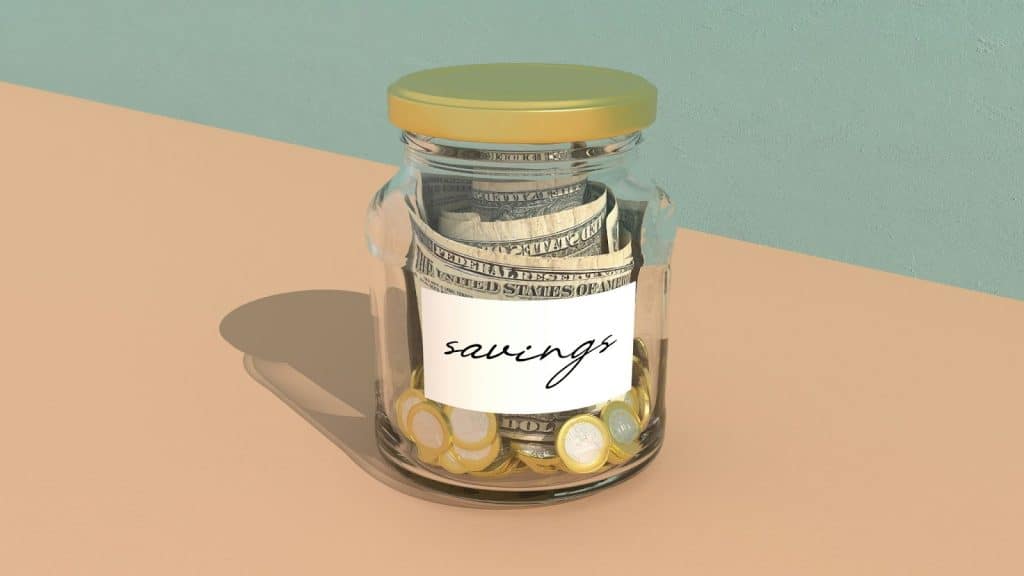
In your 20s, retirement feels distant. But compound interest is most powerful in those early years. Many men in their 30s wish they had started, even with small amounts. Playing catch-up later is stressful and often overwhelming. The regret isn’t just about money, it’s about lost time.
Ignoring Emergency Funds

Unexpected expenses are part of life: medical bills, job loss, car repairs. Without an emergency fund, these situations often lead to debt. Men frequently regret not building a financial safety net when they had the chance. Even a few hundred dollars set aside can make a big difference. It’s one of the simplest yet most overlooked protections.
Skipping Health or Life Insurance

It’s easy to feel invincible in your 20s. But unexpected illness or injury can derail everything. Not having basic health or life insurance is a gamble that many men regret when reality hits. The financial burden doesn’t just affect them, it can impact their families too. Regret often follows when it’s too late to protect what matters most.
Relying Too Heavily on Credit Cards

Credit cards offer convenience, but when misused, they become a trap. Many men in their 30s look back and wish they’d managed credit better. High interest rates and minimum payments keep balances growing, not shrinking. The regret stems from not realizing how quickly small purchases add up. What started as flexibility becomes a long-term burden.
Taking Out Car Loans That Outlast the Car

Buying a new car feels like a milestone, but not all deals are smart. Long-term car loans often outlive the value of the vehicle. Many men regret financing cars that depreciate faster than they can pay them off. It’s a common financial misstep that drains resources without long-term return. Practical transportation often beats luxury in hindsight.
Underestimating Student Loan Impact

Student loans often feel like “good debt,” but they can become a major weight. Men in their 30s frequently express regret over not fully understanding the terms. Deferred payments, interest accrual, and income-based plans can complicate things quickly. Without a payoff plan, loans can linger for decades. The regret usually centers around not being more proactive early on.
Falling for “Hot” Investments Without Research

Chasing hype, whether crypto, meme stocks, or trendy startups, can backfire fast. Many men regret jumping into investments based on emotion or social buzz. Losses often come from not understanding what they were really buying into. The lesson: investing requires patience, research, and risk management. Quick wins rarely beat slow growth in the long run.
Delaying Investing Out of Fear or Confusion

On the flip side, some men regret not investing at all. Fear of making a mistake or lack of knowledge keeps them on the sidelines. Time in the market beats timing the market, but many learn that late. Delaying for too long means missing out on growth. The regret is often paired with a desire to start, but uncertainty still holds them back.
Not Negotiating Salary or Promotions

Many men settle for less than they’re worth without realizing it. Failing to negotiate starting salaries or ask for raises leads to years of compounded lost income. The regret surfaces when peers in similar roles earn significantly more. Confidence and preparation are key, but many wish they’d learned that sooner. Silence often costs more than speaking up.
Letting Lifestyle Creep Take Over

As income rises, so do expenses, often unnecessarily. Many men regret increasing their spending in lockstep with promotions. Instead of building wealth, they simply buy more stuff. This “lifestyle creep” can feel good short-term but leaves little long-term payoff. The regret is realizing financial growth never translated to real security.
Final Thoughts: Regret Is a Signal, Not a Sentence

Financial regret is common, but it’s also reversible. It’s a signal that change is needed, not a sentence to stay stuck. Many men in their 30s use regret as fuel to become more financially aware and intentional. The past can’t be undone, but the future is still open. Every smart move today softens the sting of yesterday’s choices.
The Future Can Still Be Financially Strong

With better tools, advice, and awareness, there’s no reason to stay behind. Many men find clarity in their 30s and make up for lost ground quickly. It’s not too late to save, invest, or start over smarter. Regret doesn’t define the journey, action does. The next chapter can be the most financially empowered one yet.








Ask Me Anything