
The allure of new tech is powerful, sleek designs, smarter features, and the promise of being ahead of the curve. But chasing trends without pause often leads to shallow upgrades, wasted money, and tech that doesn’t actually improve daily life. Many men fall into this cycle not because they need the tech, but because they want what it represents: relevance, status, or control. Knowing the difference can change how upgrades are approached. Smart tech choices start with clarity, not impulse.
Mistake: Confusing Price with Performance
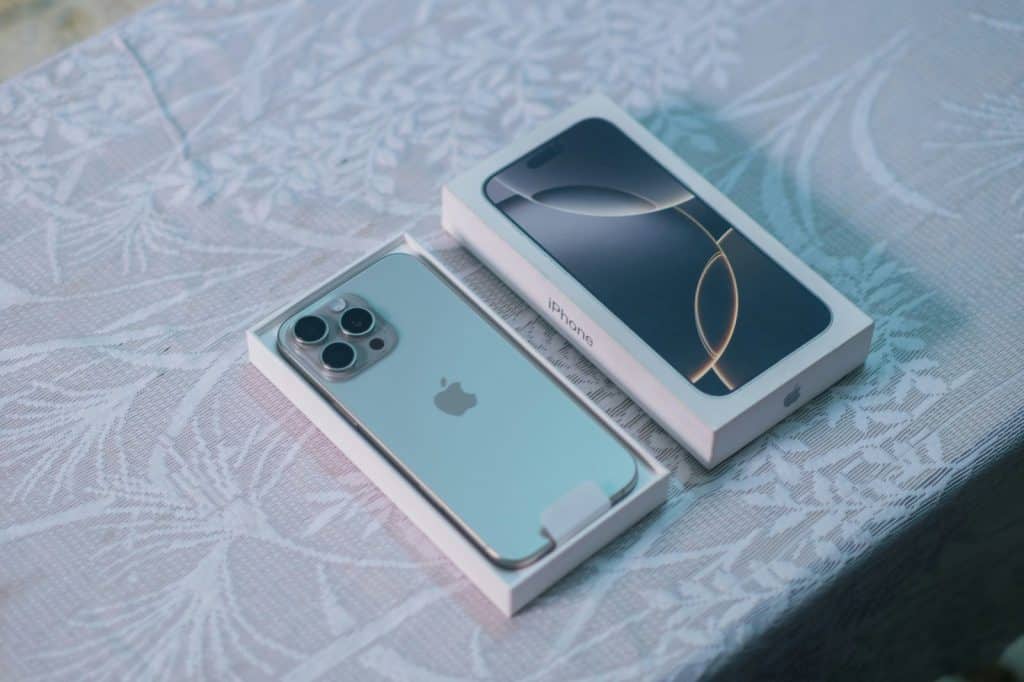
A $2,000 phone doesn’t always mean double the power. Premium tech often adds marginal gains at maximum markup. While higher cost sometimes equals quality, it’s not a guarantee of real-world performance. Specs on paper don’t always translate to speed or usefulness. Spending smart means knowing what you’ll actually use, not just buying what looks elite.
Mistake: Upgrading Just Because There’s a New Model

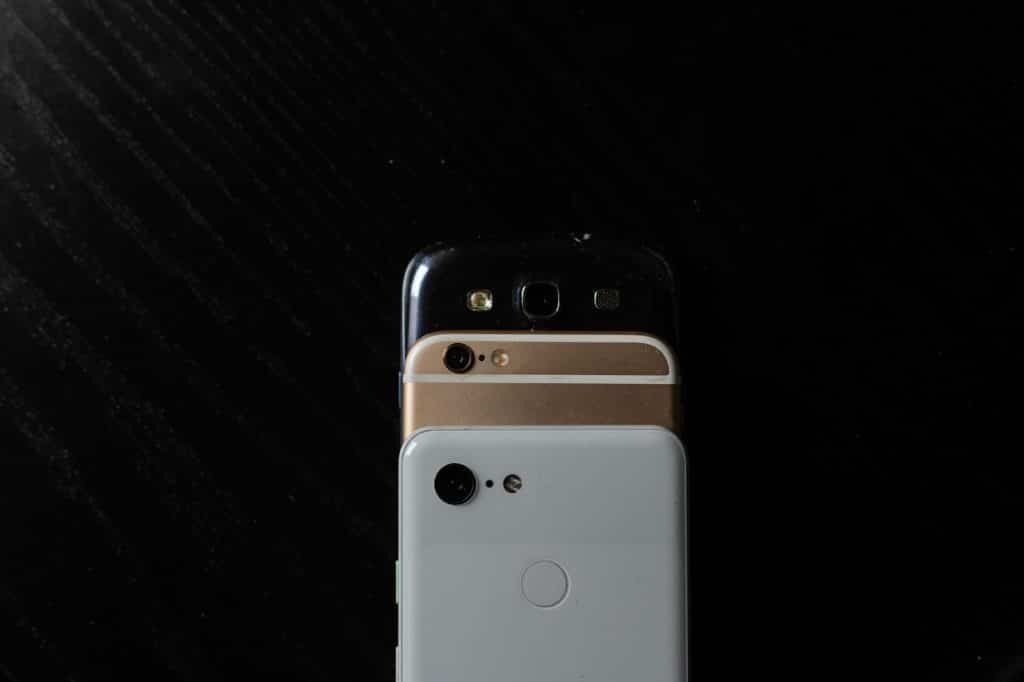
That yearly product cycle isn’t built for your benefit, it’s built for profit. Chasing every new phone, laptop, or wearable traps you in a cycle where owning feels outdated fast. If your current device works fine, chances are the “new” features are incremental at best. Men often justify upgrades they don’t need out of habit. But the real flex? Making your tech last.
Mistake: Falling for Gimmicky Features
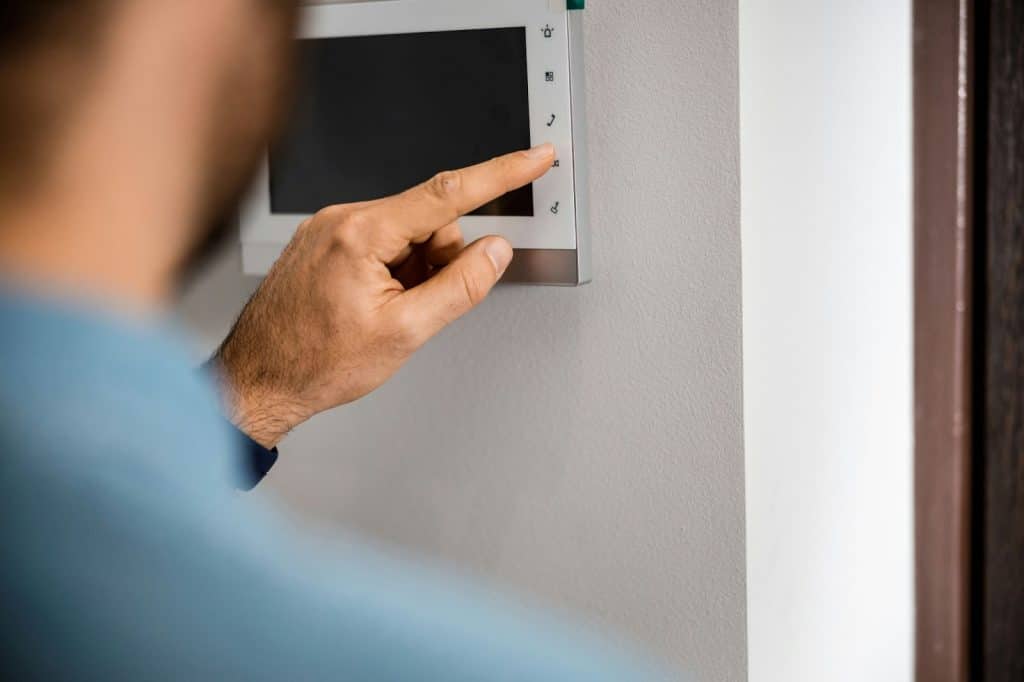
From foldable screens to face-scanning fridges, some features sound revolutionary but add little value. They’re designed to grab attention, not improve everyday use. Buying into gimmicks often leads to regret, especially when those features glitch or break. Tech that lasts is usually boring on the outside but brilliant underneath. Flash fades fast. Function sticks around.
Mistake: Ignoring Software Lifespan

A powerful device means nothing if it won’t get updates after two years. Many guys buy high-end phones or smartwatches without checking how long the manufacturer supports them. Outdated software can lead to security risks and app incompatibility. Prioritizing devices with long-term support means fewer headaches down the line. Don’t just check the specs, check the timeline.
Mistake: Assuming More Settings = More Power

Customizability is great, until it becomes overwhelming. Many men mistake complex control panels for superior functionality. But having 50 shooting modes on a camera or 12 EQ presets on earbuds doesn’t mean better results. Often, the best devices are the ones that just work, without a manual. Simplicity is a feature, not a flaw.
Mistake: Letting Social Media Set the Tech Agenda

Tech influencers love drama: “game-changer,” “killer device,” or “must-have upgrade.” But most of it is marketing with a filter. Viral videos often highlight novelty, not practicality. Following the hype means chasing what’s trending, not what fits. Smart tech choices come from real needs, not online noise.
Mistake: Ignoring Cross-Platform Compatibility
Buying a flashy new gadget only to realize it doesn’t play nice with your ecosystem is a common regret. A Windows laptop, Android phone, and Apple smart home hub can quickly turn into a tech headache. Compatibility is often more important than brand. Before buying, consider whether your new device will work well with what you already own.
Mistake: Believing Early Adoption Is Always Smarter

Being first doesn’t always mean being better. Early adopters often deal with bugs, limited support, and rushed software. The smarter play? Waiting a few months until reviews are in and version 2.0 fixes the flaws. Patience pays off. The cutting edge can also cut back on value, performance, and peace of mind.
Mistake: Forgetting Resale and Repairability
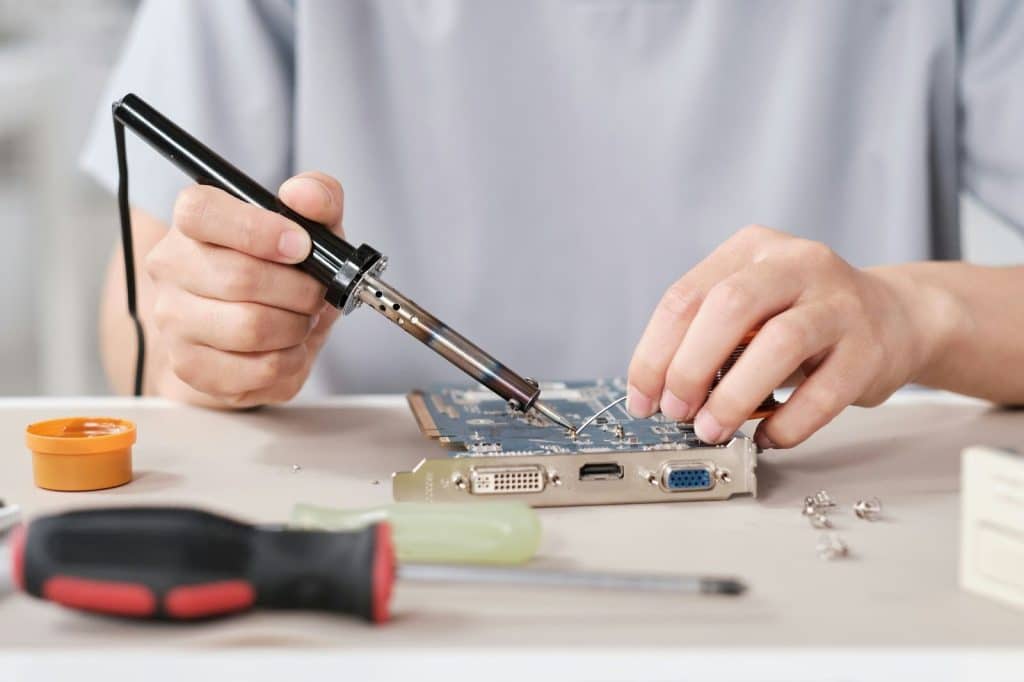
Not all tech ages the same. Some brands hold resale value better, while others become obsolete within a year. Likewise, buying tech with non-replaceable batteries or hard-to-find parts limits its lifespan. Thinking long-term means considering how fixable and sellable your gear is. A great deal today might be e-waste tomorrow.
Mistake: Chasing Minimalism Without a Plan

Going “minimalist” doesn’t mean constantly switching to the sleekest, thinnest devices. Some men chase minimalist gear as a new kind of trend, swapping out perfectly functional tools for the latest “clean aesthetic.” But real minimalism is about keeping what works and eliminating the rest, not constantly refreshing. If simplicity costs you function, it’s just another form of clutter.
Mistake: Not Defining What “Better” Means to You
Tech gets sold with buzzwords, faster, brighter, smarter, but none of that matters if it doesn’t serve your actual lifestyle. Men often chase vague ideas of “better” without defining what that means. Is it longer battery life? Better photos? Less friction in your day? When you define success clearly, you shop with purpose, not pressure. A tech upgrade should improve something real, not just feel new.
Reset the Mindset: From Tech Collector to Intentional User

Owning the latest gear used to feel like winning. Now, intentionality is the new edge. Choosing tech because it fits your workflow, your home, and your goals is more impressive than chasing specs. Real confidence isn’t in having the newest, it’s in knowing what’s actually useful. Stop collecting. Start curating.
Embracing the 80/20 Rule for Tech

Most men use 20% of their devices’ features 80% of the time. Yet upgrades are often based on fringe functions you’ll never use. The smarter move is doubling down on what actually improves your day-to-day. If a cheaper, older model does that, it’s not a downgrade, it’s a better match. Master your tech. Don’t let it master you.
Final Take: Evolve, Don’t Just Upgrade
Staying tech-savvy doesn’t mean owning every new release, it means knowing which ones matter. Chasing trends without strategy leads to clutter, waste, and distraction. The goal isn’t just to evolve with tech, it’s to use it as a tool, not a trophy. Relevance isn’t about what’s in your pocket. It’s how that device helps you show up better in the real world.








Ask Me Anything