
Here’s one incredible, almost impossible-to-overcome obstacle to relationships: Narcissism. It’s not always loud, cruel, or obvious. Sometimes, it’s the subtle self-importance. The inability to sit with someone else’s pain. The deep belief that everything–including love–should orbit around you.
Here’s everything you need to know about narcissistic traits, how they’re derailing your relationship from all it can be, and how you can shut them down before they destroy your love life for good.
1. Narcissistic Traits vs. NPD

But first, let’s get one thing out of the way: Not everyone who exhibits narcissistic traits automatically has Narcissistic Personality Disorder (NPD). NPD is a real, diagnosable condition that requires evaluation by a licensed mental health professional. That said, you don’t need a clinical label for your behaviors to cause damage. Traits like entitlement, emotional withdrawal, or constant criticism can be just as destructive–even if you mean well. Don’t hide behind “but I’m not a narcissist” as a shield. If the traits are showing up, they’re worth working on.
2. Narcissism and True Love

Studies show that people on the higher end of the narcissism spectrum have a hard time experiencing love in its truest and purest form. Why? Because true love requires humility, compromise, and the ability to see someone else’s experience as just as real and valid as yours. Narcissistic traits flatten that possibility. If love always has to serve your ego, it’s not love–it’s possession. This isn’t just about your relationship surviving; it’s about whether you’re capable of truly showing up for it.
Here are the narcissistic traits that are most likely to pop up and how you can squash them before they destroy your relationship:
3. When Charm Becomes Control

Narcissistic charm isn’t always innocent. It often starts with intensity–lavish compliments, quick attachment, and fast-paced closeness–but can quietly evolve into control. If you find yourself using flattery or emotional intimacy to manipulate someone into doing things your way, that’s not affection; it’s coercion in disguise. Take a hard look at whether your charm is truly about connection–or about getting what you want.
4. The Subtle Art of One-Sided Conversations

Do you notice that you’re suddenly the only one speaking during a disagreement, or that your partner’s concerns constantly take a backseat to your opinions? Narcissistic traits thrive in monologues, not dialogues. If you dominate conversations, interrupt constantly, or shift focus back to yourself, you’re not connecting–you’re performing. Learn how to listen. Reflect, don’t just react. And when someone opens up, let it be about them, not you.
5. Lack of Accountability

When your partner points out something you said or did that hurt them, the solution isn’t to deny her reality or make it about your intentions. It’s to take responsibility, full stop. Narcissistic traits often drive people to deflect, minimize, or even blame their partner for their own mistakes. Accountability isn’t weakness–it’s strength. It’s how trust is rebuilt and respect is earned. Start with a real apology, and let your actions back it up.
6. Emotional Intimacy as a Threat

If you use intimacy and closeness as a weapon–either by withdrawing when things get vulnerable or by punishing your partner for needing more–you’re reinforcing one of narcissism’s ugliest traits: emotional avoidance. Real intimacy requires safety. If your partner fears being open with you because you turn cold, sarcastic, or dismissive, you’re not building love–you’re making them walk on eggshells. Face the discomfort. It’s the only way you grow.
7. Defensiveness That Destroys Connection

Similar to a lack of accountability, being defensive when your flaws are pointed out is one of the key markers of emotional immaturity. Narcissistic traits make criticism feel like an attack on your identity instead of an invitation to reflect. If every disagreement ends with you flipping the script, raising your voice, or bringing up old wounds to justify your actions, you’re not resolving anything. You’re avoiding growth–and pushing your partner away.
8. The Need to Always Be Right

Are you ever able to let things go when the conversation doesn’t go your way? Do you always feel the need to still be the victim even though there’s clear evidence that your action hurt somebody? That need to win at all costs, to never be the “bad guy,” is a narcissistic trap. Relationships aren’t debates to be won–they’re ecosystems to be nurtured. Being right isn’t worth it if it makes your partner feel wrong for having emotions.
9. Using Love as a Transaction

Narcissists can’t ever give without expecting anything in return. If your generosity, affection, or kindness always comes with strings attached–praise, compliance, physical intimacy–you’re not being a good partner. You’re playing a game. Love isn’t a currency. Stop keeping score. Start asking yourself whether you’d still do the loving thing even if no one clapped for you after.
10. When Apologies Turn Into Manipulation

Yes, it’s one thing to apologize–and a whole ‘nother thing to mean it. If your apologies are designed to end the argument quickly, get back into your partner’s good graces, or make you feel better, you’re missing the point. Real accountability doesn’t center your feelings. Don’t say sorry just to silence someone. Say it because you understand the harm, and you’re doing something to change it.
11. Weaponizing Vulnerability

Narcissists have mastered the art of appearing vulnerable without actually being so–usually as a tactic to draw sympathy or deflect blame. If you cry only when you’re caught, overshare to manipulate trust, or use your trauma as a reason to mistreat someone, that’s not honesty. It’s emotional baiting. True vulnerability isn’t performative. It’s rooted in responsibility, not self-preservation.
12. Constant Criticism (Disguised as “Helping”)

Are you someone who constantly feels the need to correct your partner, no matter where you are and who’s around? Narcissistic traits often masquerade as “tough love” or “just being honest.” But chronic nitpicking, especially under the guise of improvement, erodes self-esteem. Your partner isn’t a project. You’re not their coach. If your feedback doesn’t come with respect, empathy, and timing, it’s just criticism in a nicer outfit.
13. Making Everything About You

If your partner is going through something difficult, do you always have to fight the need to separate yourself from the equation–or do you immediately shift the focus to how it affects you? Narcissism hijacks empathy. If you dominate every emotional moment with your own feelings, reactions, or comparisons, you’re not being supportive. You’re centering yourself again. Sometimes, love is about shutting up and showing up.
14. Control Over Collaboration

One narcissistic trait you need to watch out for is the tendency to control and override your partner’s preferences, routines, or ideas. If everything has to be done your way–how the house is cleaned, how money is spent, how the weekend looks–you’re not a partner. You’re a dictator in disguise. Relationships require shared power. Try asking instead of telling. Compromise isn’t a loss–it’s a love language.
15. Stonewalling as Abuse of Power

Stonewalling is defined as completely shutting down communication when things get hard–silent treatment, walking out, cold indifference. While some people do it to avoid conflict, narcissistic stonewalling is about punishment. It’s a way to reassert control and make your partner chase your approval. Don’t confuse silence with peace. If you’re using distance to manipulate, it’s emotional abuse. Get honest with yourself–and get help if you need it.
16. Love Bombing, Then Withholding

By definition, love bombing is excessive affection early on–gifts, compliments, over-the-top attention–all to create dependency. But once that grip is established, it’s often replaced with withdrawal, criticism, or detachment. This rollercoaster is addictive and confusing. It’s not real love; it’s control dressed as romance. If this is your pattern, you need to ask yourself what part of you fears stability–and work with a therapist to break the cycle.
17. Dismissing Your Partner’s Emotions
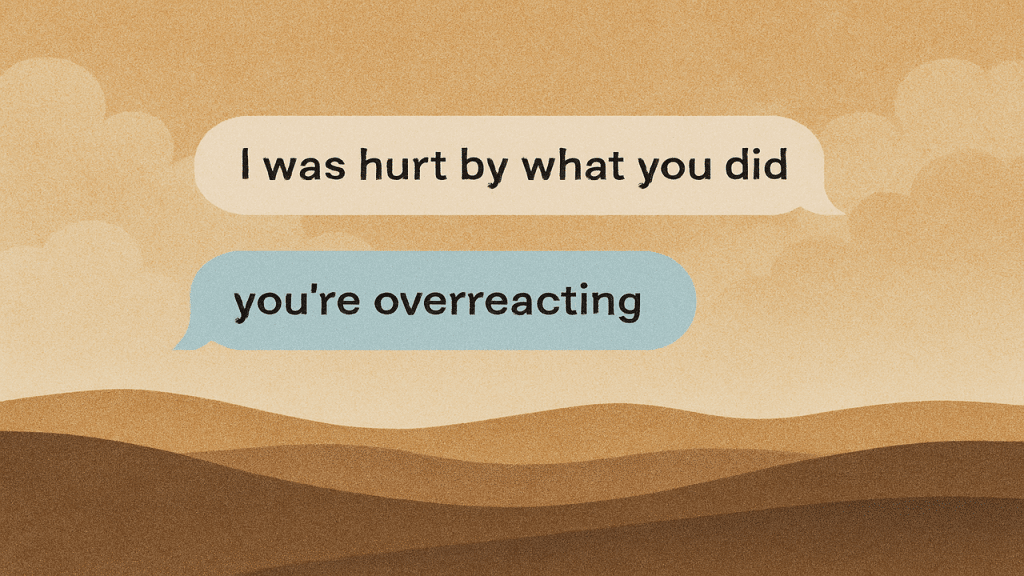
It doesn’t matter if you think she’s overreacting. If she’s expressing hurt, and your first move is to roll your eyes, interrupt, or say “you’re too sensitive,” you’re not showing strength–you’re showing fragility. Narcissistic traits reject emotional complexity in others because they threaten your need for control. Learn to sit with discomfort. Validate before you problem-solve. That’s how emotional safety is built.
18. The Road to Healing

Here’s the good news: You can change. Narcissistic traits aren’t fixed. But they won’t go away on their own. You have to be willing to ask hard questions, sit in discomfort, and–most importantly–seek support. Therapy and counseling aren’t signs of weakness; they’re tools for repair. If you truly want to love better, be better. Your partner deserves it. And honestly, so do you.








Ask Me Anything