
A man’s metabolism, hormones, and recovery all shift after 35. Foods that once gave a quick boost can now quietly drain energy, increase inflammation, or make fat stick around longer. It’s not about never eating these foods again, it’s about understanding how they hit differently now. This list isn’t a ban, it’s a wake-up call. The goal: smarter choices that respect the body you’re living in now, not the one from your college years.
Deep-Fried Everything

Fried chicken, onion rings, mozzarella sticks, they’re nostalgic, comforting, and loaded with trans fats and oxidized oils. As metabolism slows, these fats are harder to process and more likely to increase bad cholesterol. They also ramp up inflammation, which becomes more dangerous as men age. Over 35, these meals don’t just leave you feeling sluggish, they can quietly impact heart health. Save them for rare indulgences, not weekly habits.
Sugary Breakfast Cereals
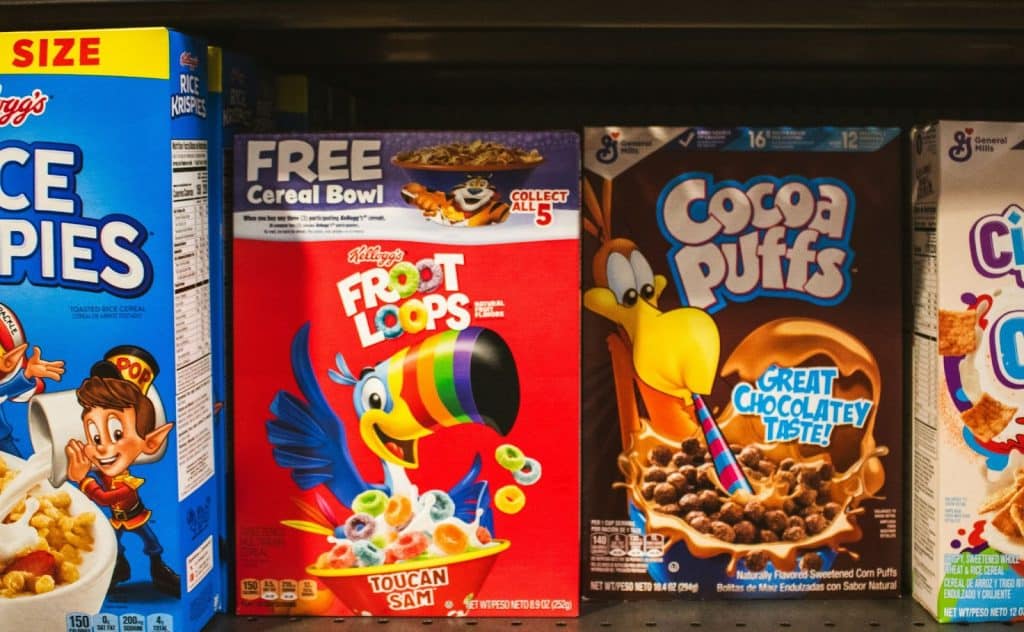
What used to be a fun, easy breakfast now spikes blood sugar and crashes your energy mid-morning. Most sweet cereals are low in fibre and high in refined sugar, leading to increased risk for insulin resistance. After 35, those sugar crashes can affect concentration, mood, and even waistlines. A healthier breakfast sets the tone for the day. What was once quick fuel can now be a metabolic trap.
Energy Drinks
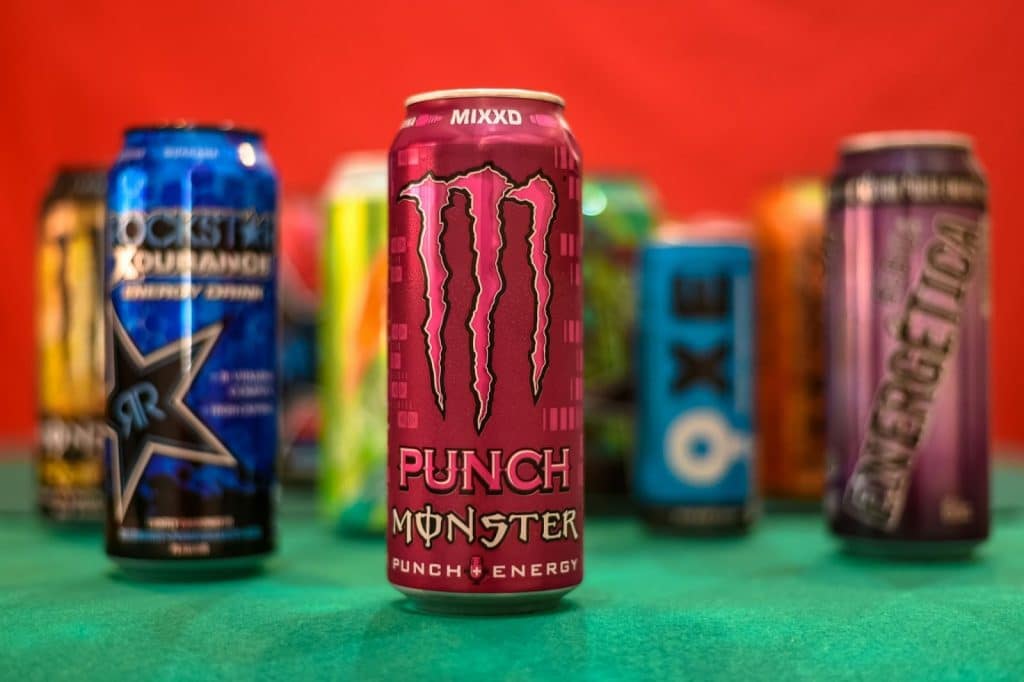
A single can may contain more caffeine than two cups of coffee, plus sugar, artificial sweeteners, and stimulants like guarana. These ingredients can strain your nervous system and heart, especially in your 30s and 40s. Energy drinks also mess with sleep, recovery, and blood pressure. That energy “boost” comes at a cost your younger body could absorb. Now? It’s more of a ticking clock on your health.
White Bread and Refined Carbs

White bread, bagels, and processed pastries digest quickly and spike blood sugar. Over time, they contribute to belly fat, sluggish energy, and poor gut health. In your 20s, your body could burn them off. Post-35, they linger, fueling inflammation and making workouts feel harder than they should. Choosing whole grains isn’t just trendy, it’s functional.
Highly Processed Meats

Bacon, hot dogs, deli meats, they’re fast, flavourful, and loaded with sodium, nitrates, and preservatives. These compounds have been linked to higher risks of heart disease and colorectal cancer. As men age, the body becomes less efficient at managing inflammation and detoxifying harmful substances. These meats were easy wins in your 20s, but now, the long-term costs are clearer than ever.
Extra Cheese on Everything
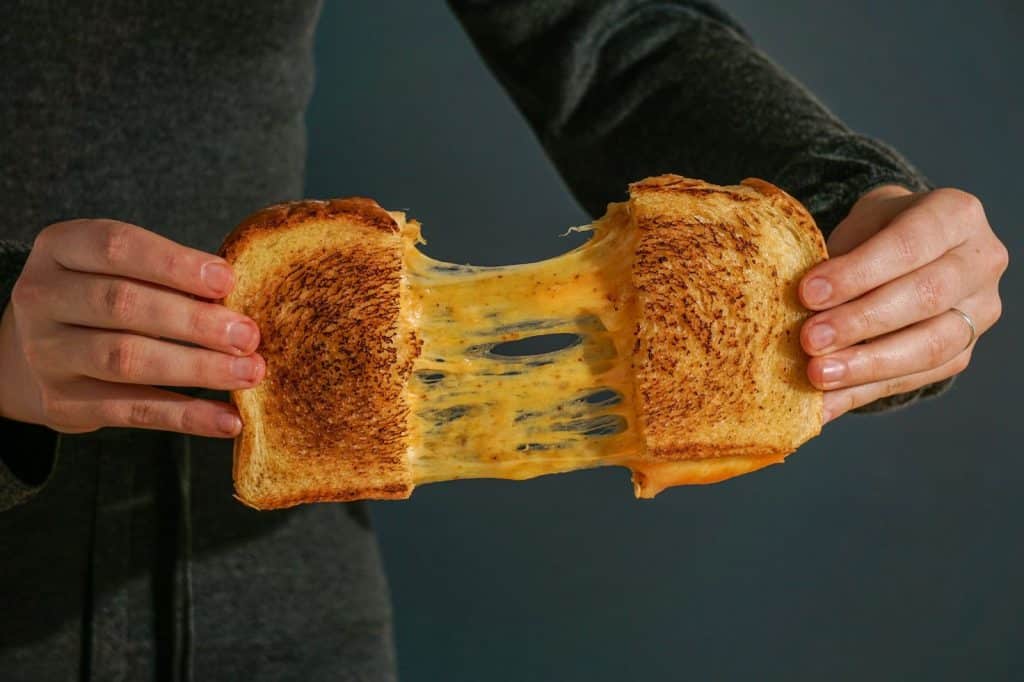
Cheese isn’t the enemy, but the way it’s piled onto pizza, burgers, and pasta might be. As testosterone naturally declines after 35, high saturated fat intake can exacerbate weight gain and cholesterol issues. Excess cheese also adds unnecessary calories that go unnoticed. Keeping portions in check protects your heart and hormones without having to cut it out completely.
Ice Cream as a Nightcap

Late-night ice cream was once a harmless treat. Now, the combo of sugar and dairy before bed can spike insulin and disrupt sleep quality. As recovery and muscle repair become more critical with age, poor sleep creates a vicious cycle. Plus, added sugars impact testosterone and increase visceral fat. Occasional? Fine. Nightly? Problematic.
Flavoured Lattes and Coffee Drinks

A caramel latte might sound harmless, but it can pack more sugar than a donut. These drinks create a blood sugar spike followed by a crash that affects mood, focus, and metabolism. In your 20s, you burned through that easily. But after 35, it’s more likely to store as fat or mess with energy regulation. Switching to unsweetened options pays off quickly.
Giant Portions of Pasta
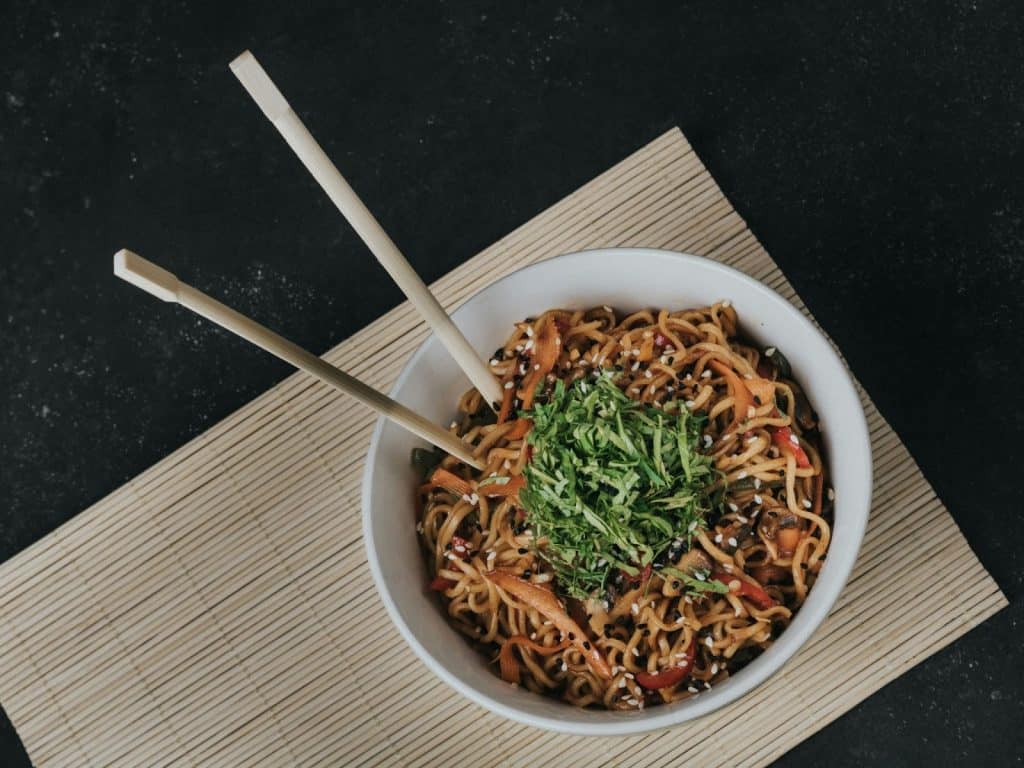
A massive bowl of pasta after a long day might feel comforting, but oversized portions of refined carbs spike blood sugar and promote fat storage. As insulin sensitivity declines with age, it becomes harder to bounce back from carb overload. Smaller portions, more fibre, and added protein can help maintain balance. It’s not about avoiding pasta, just eating it like someone who wants their body to keep up.
Store-Bought Baked Goods
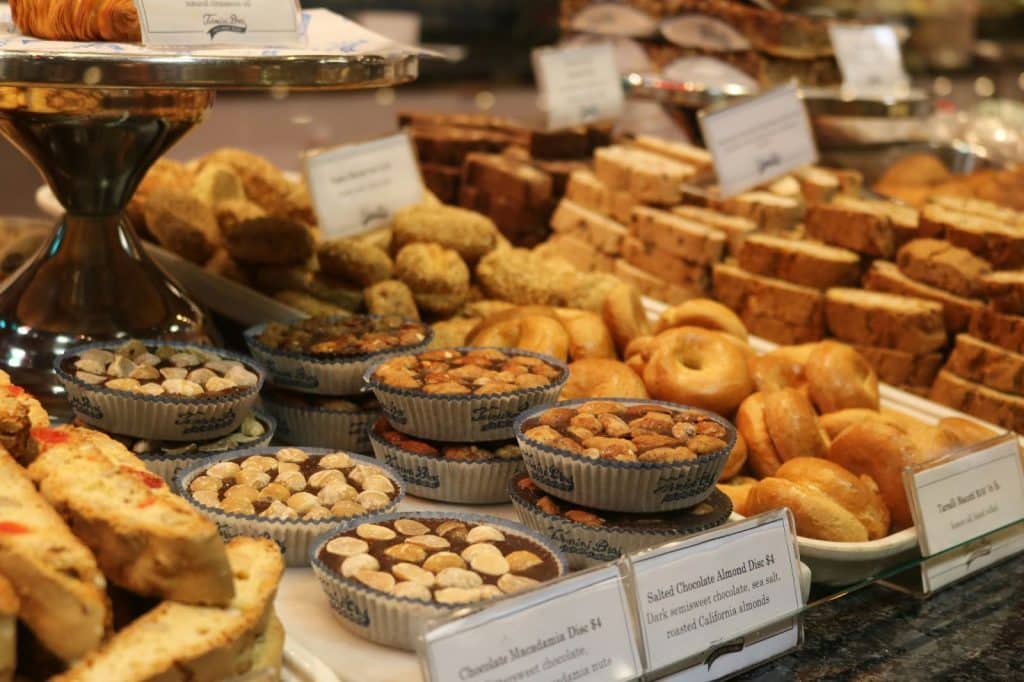
Packaged muffins, cookies, and pastries often contain hidden trans fats, excess sugar, and preservatives. These ingredients worsen insulin sensitivity, promote belly fat, and affect cholesterol. A metabolism in its 30s and 40s simply doesn’t process them the same way as it used to. Homemade or low-sugar alternatives can offer the same satisfaction without the lasting impact.
Soda (Yes, Still)
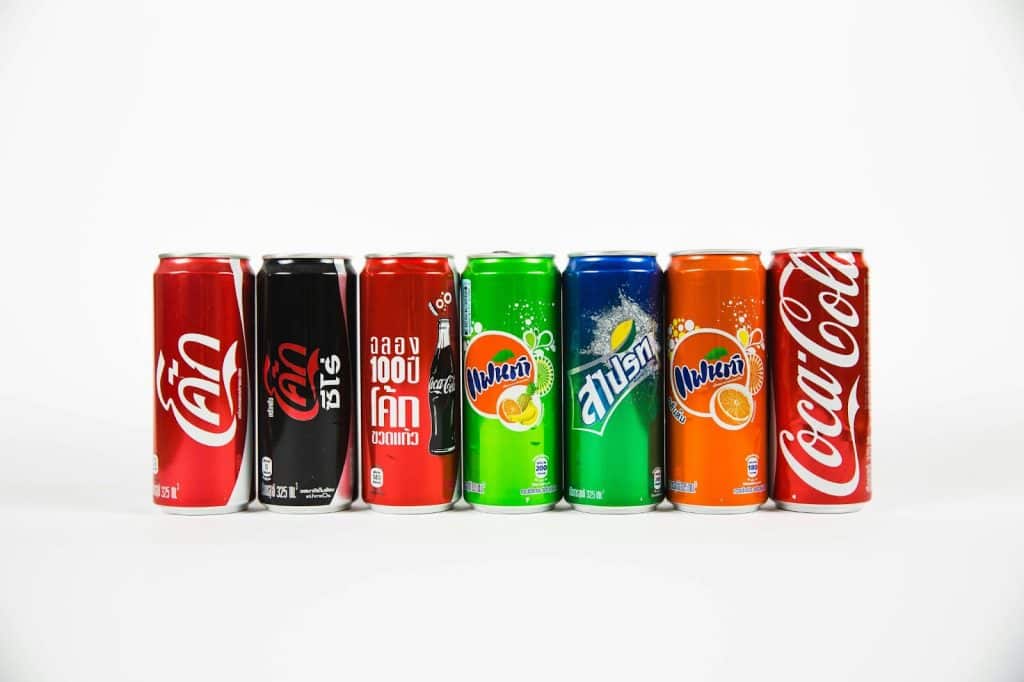
Even just one sugary soda a day increases the risk of metabolic syndrome, especially as aging slows glucose processing. Artificially sweetened sodas aren’t much better, they can still disrupt gut health and insulin signalling. What was once a refreshing lift now has consequences that stack up fast. Hydration, not high-fructose, is what your 35+ body truly needs.
Transitioning from Fuel to Function

In your 20s, food was fuel for long nights, hard workouts, and fast recoveries. After 35, food plays a deeper role, impacting hormones, sleep, energy, and even focus. It’s not about eating less fun, it’s about eating smarter. These shifts aren’t signs of weakness, but maturity. It’s the difference between short bursts of energy and long-term vitality.
You Don’t Have to Quit, You Just Have to Adapt

Being over 35 doesn’t mean cutting everything out. It means recognizing that the body keeps score differently now. Swapping, reducing, and adjusting how often you indulge can keep your energy high and your health on track. The real flex? Knowing your limits and still living well. Your future self will thank you, and so will your next checkup.
The Final Wake-Up Call

These 12 foods aren’t villains, but your body’s relationship with them has changed. Staying sharp, lean, and healthy past 35 is still possible, just not by eating like nothing’s changed. It’s not about perfection, it’s about awareness. Food choices become compound decisions. And what you eat today can either help or hinder tomorrow.








Ask Me Anything