
Not all addictions look like rock bottom. Some wear suits, get promotions, and smile at family dinners. These quiet addictions often fly under the radar because they’re culturally accepted, even rewarded. But behind the surface, they can quietly chip away at well-being, connection, and clarity. For many men, these habits aren’t obvious red flags, they’re coping strategies that turned into something harder to break. This list isn’t about blame, it’s about awareness.
Scrolling for Escape

Doomscrolling doesn’t always feel dangerous, but it’s numbing in disguise. Many men use endless social feeds as a way to decompress or distract from deeper feelings. What starts as checking the news or laughing at memes often becomes hours of avoidance. It’s a low-effort, high-reward hit of novelty that quickly forms a loop. The cost? Focus, sleep, and sometimes even a sense of self.
The Workaholic Mask

Working long hours is often praised, especially for men. But for some, it becomes a socially approved addiction. Workaholism can mask loneliness, fear of failure, or the need to feel useful. It feels productive, but also isolates. Relationships weaken, health declines, and the line between drive and denial disappears. The addiction isn’t to the job, it’s to what the job protects them from feeling.
Fitness or Fixation?

Exercise is healthy. But when it becomes compulsive, it turns into something else. Some men chase the gym not for health, but for control, identity, or punishment. Skipping a workout causes guilt. Injuries are ignored. Food becomes a spreadsheet. Fitness addiction is praised from the outside, but on the inside, it’s about proving something no one else can see.
Obsession with Productivity
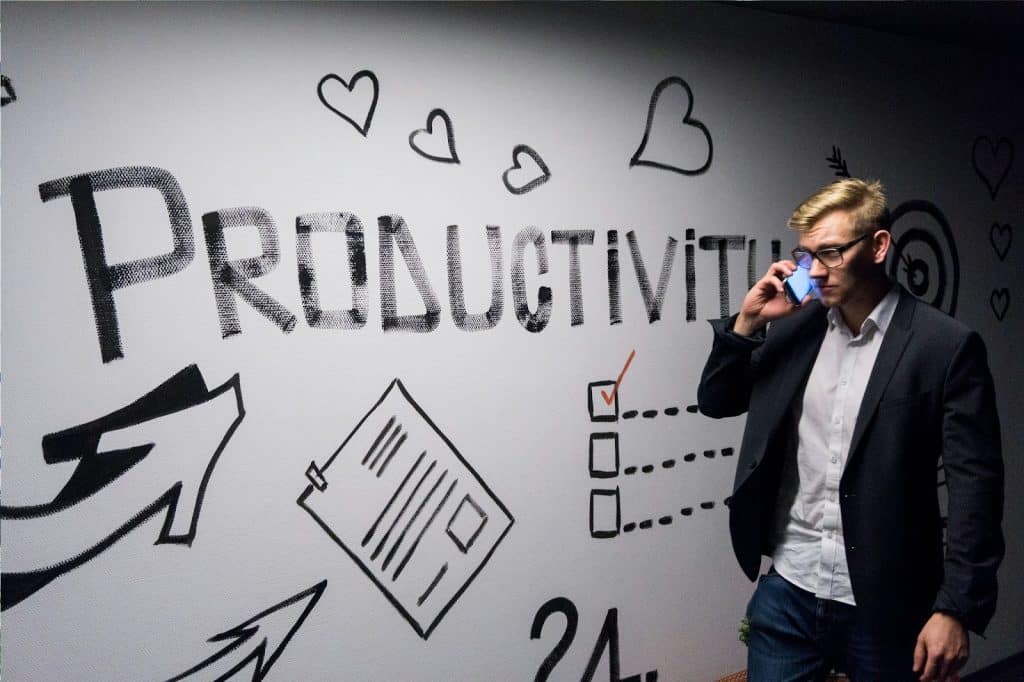
Always needing to be productive can quietly become an addiction. Some men feel guilty when they relax, filling every hour with work, tasks, or side projects. While being driven is often praised, it can mask deeper discomfort with stillness or rest. Over time, this constant hustle wears down the mind and body. True health includes learning when to pause, not just when to push.
Always the Helper, Never the Helped

Some men are addicted to being the strong one, the fixer, the rescuer, the reliable rock. It feels noble, but it’s often a way to avoid vulnerability. Helping becomes a performance of strength that hides discomfort with receiving. Over time, these men may feel unseen, silently burned out, and unsure who they are without someone to save.
Fantasy Sports & Gambling Drift

It starts as fun, a bet with friends, a fantasy league. But for some, it becomes an escape with stakes. Gambling, whether in casinos or on apps, offers adrenaline and control, but also spirals. Many men stay quiet about mounting losses or obsessive tracking. It’s not just about money, it’s the rush, the distraction, and the illusion of winning at something.
The Silent Sip: Alcohol

Not all drinking problems look like bar fights or lost jobs. Some men drink moderately but consistently, using alcohol to smooth out anxiety, loneliness, or transitions. It’s quiet, socially accepted, and easily justified. But dependency often builds slowly. The drink isn’t the problem, it’s what it’s replacing or silencing.
Caffeine as a Lifestyle

Caffeine addiction gets shrugged off, it’s just coffee, right? But for many men, it’s a daily crutch masking fatigue, stress, or poor sleep. When someone needs three cups to feel “normal,” it’s not about enjoyment anymore, it’s dependency. And while it feels like a productivity booster, it often hides deeper imbalances in rest and rhythm.
Over-Planning Everything

Control can be addictive, especially when life feels uncertain. Some men over-schedule, over-research, and over-prepare not out of ambition, but fear. It becomes a quiet addiction to certainty. Spontaneity disappears. Rest feels unproductive. And when plans fall through, anxiety hits harder than it should. The addiction here isn’t to success, it’s to avoiding uncertainty.
The Toxic Self-Improvement Loop
Self-help, when taken to extremes, becomes a trap. Some men get stuck chasing the next book, podcast, or hack, always “leveling up” but never feeling enough. It’s self-improvement as a mask for self-doubt. Growth is great, but when it never stops, it often means someone is avoiding the discomfort of just being.
The Online Shopping Spiral

Shopping addiction doesn’t always mean designer clothes. For men, it often looks like constant browsing, tech, gear, accessories, upgrades. It feels justified (“I need this for work” or “this will finally fix X”), but it’s often a dopamine hit in disguise. Clicking “Buy Now” becomes the reward, not the product itself.
Gaming for More Than Fun

Gaming is a passion for many men, and that’s fine. But for some, it quietly shifts from play to avoidance. Hours blur. Sleep takes a hit. Responsibilities get dodged. It becomes a safe place to win, escape, and feel in control. The danger isn’t the game, it’s what gets left behind in the real world.
Avoiding Emotions With Logic

Some men are addicted to thinking instead of feeling. Logic becomes the way to avoid pain, conflict, or vulnerability. They intellectualize instead of empathize, analyze instead of express. It seems strong, but over time, it creates distance from partners, friends, and even themselves. Not all addictions are actions, some are defenses.
Awareness Is the First Shift
Quiet addictions don’t come with warnings. They sneak in, rewarded by culture and routine. But the longer they stay hidden, the harder they are to name. The goal isn’t shame, it’s curiosity. What’s being avoided? What needs are going unmet? Naming the habit is a first step toward reclaiming choice. Sometimes the most courageous thing a man can do is ask himself, “What am I really reaching for?”








Ask Me Anything