
Many fitness myths emerged decades ago and continue to steer workouts off course today. False ideas about fat loss, training intensity, recovery, and tracking tend to reinforce one another. Psychological research shows that our brains tend to cling to simple rules, even when they fail us. Recent studies in exercise science and behavior change reveal why those old beliefs do more harm than good. By updating your approach with fresh evidence on metabolism, muscle repair, and motivation, you can reclaim lost gains and set smarter goals. Let’s expose the biggest exercise myths and replace them with strategies that actually deliver results.
Spot Reduction works

The idea that you can burn fat in just one spot—like doing crunches to lose belly fat—is one of the most common fitness myths. It’s called “spot reduction,” and unfortunately, it doesn’t work. Studies show that when you exercise, your body burns fat from all over, not just the area you’re working. One study even had people train just one leg, and both legs lost about the same amount of fat. Fat loss is more closely tied to your overall energy balance and genetics than to specific exercises. Instead of targeting specific areas, you’ll achieve better results by focusing on total-body strength, a balanced mix of cardio, and a solid nutrition plan. That’s how you burn fat and keep muscle in the right places.
You Must Sweat Buckets to Burn Fat

Soaking through your shirt might feel like a good workout, but sweat isn’t a solid sign you’re burning serious fat. Sweat mainly cools your body down, not burn calories. What really matters is how hard you’re working—your heart rate, how long you’re moving, and how much effort you’re putting in. Both low-intensity steady-state (LISS) and high-intensity interval training (HIIT) can aid in fat loss, albeit in different ways. HIIT keeps your metabolism revved up even after you’re done, while LISS is easier on the joints and can be sustained for more extended periods. But neither one leads to spot reduction or instant results. Instead of judging workouts by how soaked you get, pay attention to your effort level. A heart rate monitor or just tuning in to how hard you feel you’re working can guide you better than a sweaty t-shirt ever could.
No Pain, No Gain

The old “no pain, no gain” line has misled many men. Sure, tough workouts have their place, but real pain isn’t a sign of progress—it’s your body warning you something’s off. Muscle growth happens during recovery, not while you’re limping around sore for days. If you’re constantly pushing through severe pain, you’re more likely to stall your progress or even get injured. Recovery matters just as much as training. Good sleep, solid nutrition, and active rest days help your body bounce back and grow stronger. Ignoring those things can do more harm than good. Don’t buy into the myth that suffering equals success. Consistency, not constant pain, is what builds results that last.
More Exercise Equals More Weight Loss

Working out more doesn’t always mean you’ll lose more weight. Your body adjusts to heavy training loads, and the extra calorie burn often levels off. Pushing too hard can also increase cortisol, a stress hormone that hinders fat loss and slows muscle recovery. Research shows that doubling your workout time doesn’t come close to doubling results. When you overtrain, you might move less throughout the rest of your day without realizing it. A better approach is to stick with moderate workouts, mix things up, and take rest days seriously. That kind of balance supports strength gains and steady progress without burning out.
Wearables Are Perfect Trackers
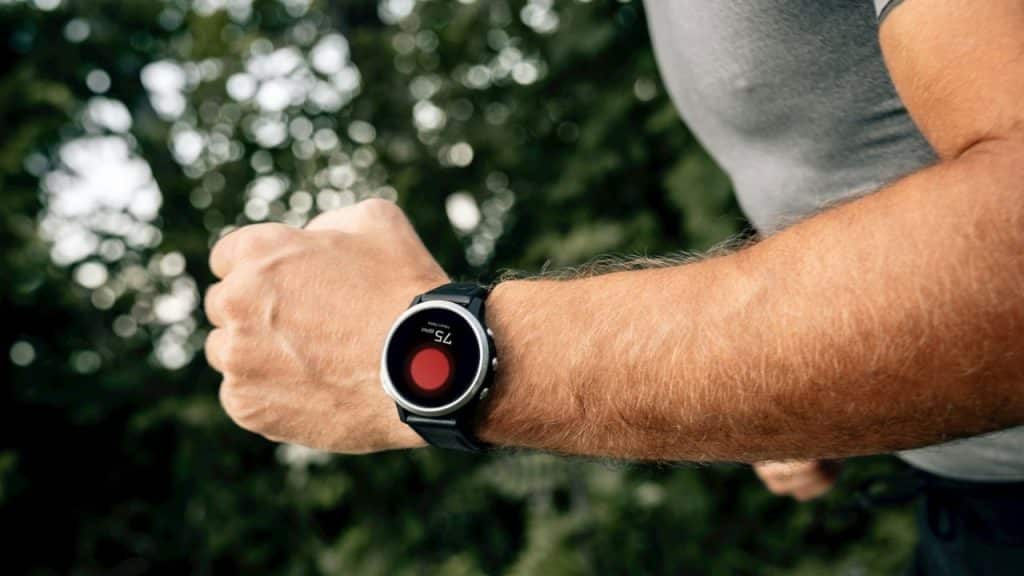
Fitness trackers and calorie-count apps claim to give precise feedback, but can be off by up to 20 percent. They use sensors and algorithms that differ by brand, and factors such as skin tone, device placement, or GPS issues can skew your numbers. If you trust every reading, you might overestimate your burn or feel deflated when the data doesn’t match your effort. Treat these tools as rough guides, not gospel. Pair them with basic methods—a stopwatch, a scale, or simple workout logs—and pay attention to how you actually feel. That way, you avoid chasing false precision and stay focused on real progress.
Fatness Equals Laziness

Calling extra body weight lazy skips over key factors like genetics, hormones, and how fast your metabolism runs at rest. Some people burn far fewer calories without even moving. Issues like insulin resistance or a slow thyroid can make losing fat a real uphill battle. Stress and habits play their part too. When myths blame your body for a lack of willpower, motivation tanks and shame sets in. A better view uses real science to set goals that match your biology. Track healthy habits instead of chasing looks. Notice gains in strength, stamina, and energy, and ditch the guilt for steady, lasting progress.
No Rest Days

Training every day might sound tough, but skipping rest days actually holds you back. Active rest gives your muscles time to repair and adapt, and studies show your metabolism spikes most after moderate workouts, not endless sessions. If you push too hard without breaks, you risk fatigue, poor sleep, and hormone imbalances. Swap a few high-intensity days for low-impact moves like walking or yoga. Those sessions boost circulation, clear out metabolic waste, and ease stress on your body. Balancing hard work with recovery keeps you performing at your best and prevents burnout far better than a nonstop grind.
Supplements Are Essential
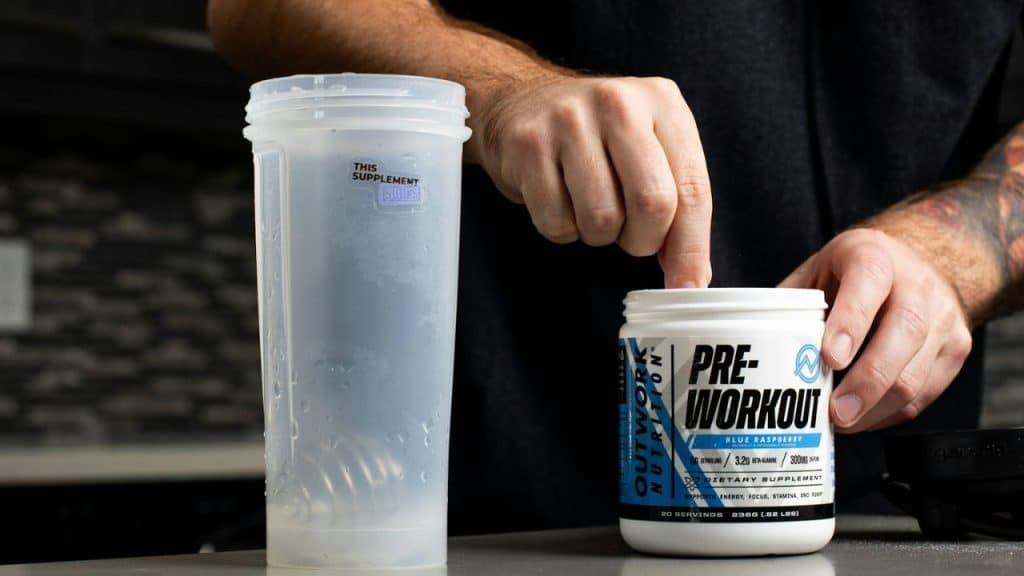
The supplement market is full of big claims that rarely deliver. Protein powder, creatine, and basic vitamins can help fill diet gaps, but most pills and powders lean on marketing instead of solid research. Pre-workout stimulants might give you a buzz, but they won’t build muscle. Fat-burning pills usually just pack caffeine you could get from coffee. Instead of chasing every new blend, nail your diet with whole foods, balanced macros, and consistent training. Then use only proven supplements to support real progress and save your money.








Ask Me Anything