
High cholesterol is one of those health issues that can quietly build up over time. You might not feel anything out of the ordinary, but behind the scenes, your arteries could be slowly narrowing.
If left unchecked, cholesterol can raise your risk of heart disease, stroke, and even premature death. Fortunately, there are plenty of natural ways to bring your cholesterol numbers into a healthier range without relying solely on prescription medication.
Want to take better control of your heart health moving forward? Here are 12 natural ways that are proven to lower cholesterol levels.
Add More Soluble Fiber to Your Diet
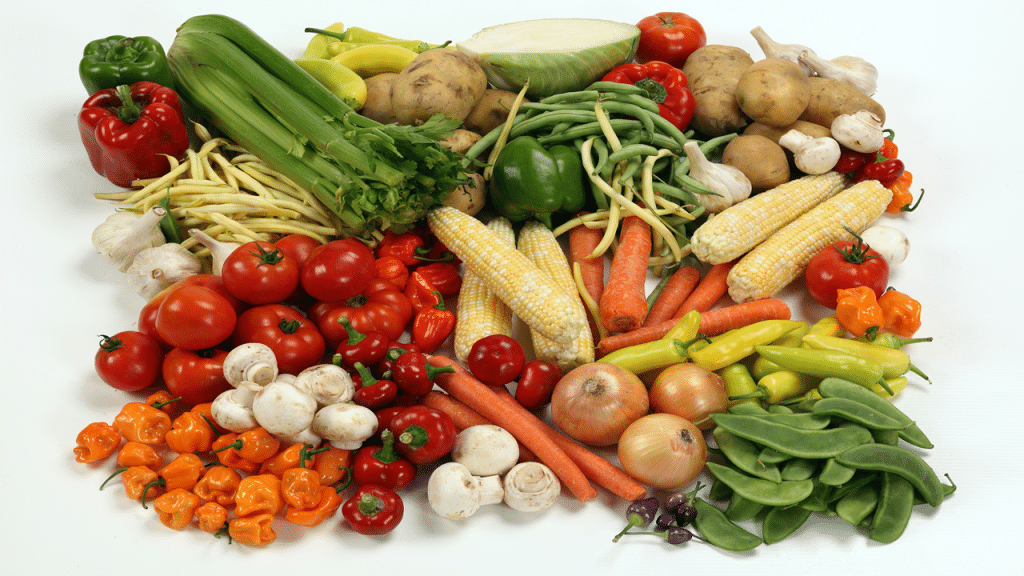
Soluble fiber plays a key role in lowering LDL (bad) cholesterol. It works by binding to cholesterol in your digestive system and helping your body get rid of it before it enters the bloodstream. The more often you eat it, the more consistently it can help.
Foods high in soluble fiber include oats, barley, beans, lentils, apples, oranges, and carrots. Even a small daily addition like a bowl of oatmeal or a cup of lentil soup can make a noticeable difference over time. Try to aim for at least 5 to 10 grams of soluble fiber per day to start seeing results.
Get Regular Physical Activity

Physical activity boosts HDL (good) cholesterol while helping lower LDL and triglycerides. It also supports weight control, improves circulation, and strengthens your heart muscle.
Experts recommend at least 150 minutes of moderate-intensity aerobic exercise each week. That might sound like a lot, but it breaks down to just 30 minutes a day, five days a week.
Walking, jogging, biking, swimming, or even heavy yard work all count. The key is staying consistent. If you haven’t exercised in a while, start small and increase gradually.
Include Nuts in Your Meals
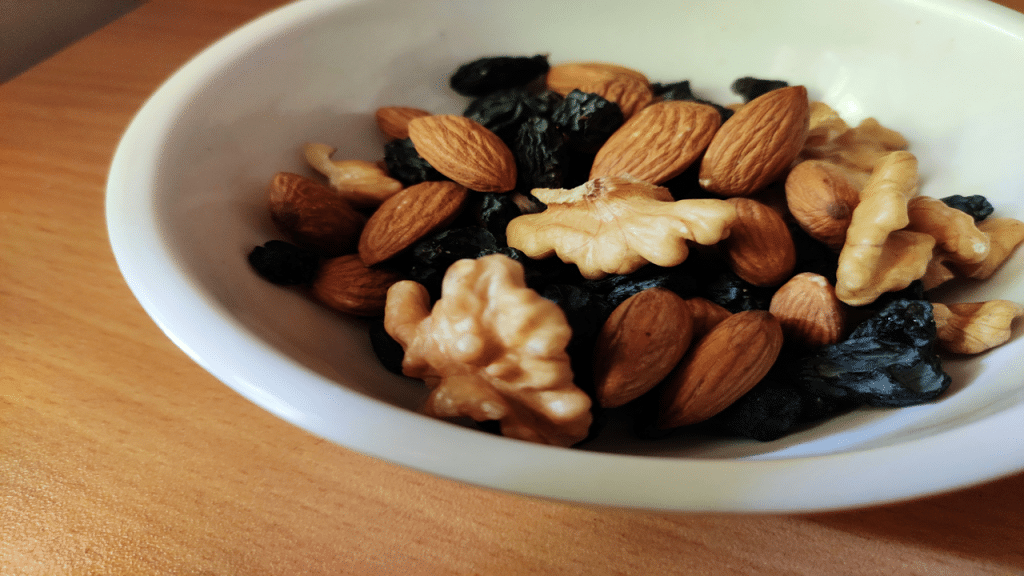
Nuts are packed with heart-healthy fats, plant sterols, and fiber that can help reduce cholesterol. Walnuts, almonds, and pistachios are especially effective. These nutrients help reduce LDL and may also give your HDL levels a boost.
Nuts are high in calories, so moderation matters. Stick to about a handful per day, or roughly 1 to 1.5 ounces. Eat them raw or roasted (unsalted), and skip the sugar-coated varieties. They work well as snacks or sprinkled over oatmeal, yogurt, or salads.
Lifestyle Habits Matter Too

Diet is important, but it’s only one piece of the puzzle. Exercise, sleep, stress management, and maintaining a healthy weight all play a part in your cholesterol levels.
To see lasting improvements, you need to approach your health from multiple angles.
Cut Back on Red and Processed Meats
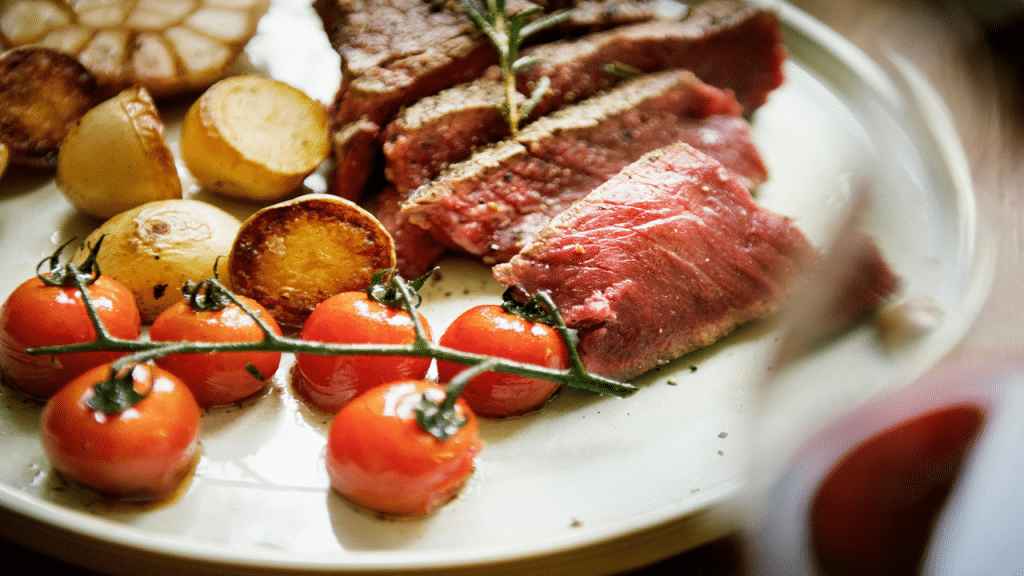
Saturated fats, found in red and processed meats, can increase LDL cholesterol and raise your risk of heart disease. Steak, bacon, and sausages might be part of your regular meals, but eating them too often works against your long-term health goals.
You don’t have to eliminate red meat. Instead, limit your intake to once or twice a week and choose lean cuts like sirloin or tenderloin.
Try swapping in chicken, turkey, fish, or plant-based proteins such as lentils or tofu when you can. Grilling, baking, or broiling are healthier cooking methods than frying.
Use Olive Oil Instead of Butter
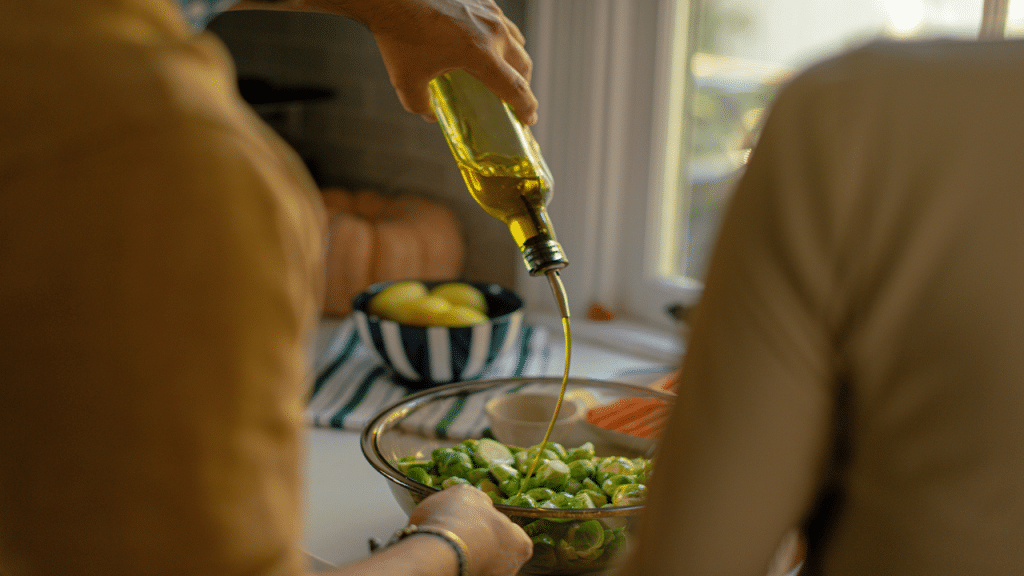
Extra virgin olive oil is a staple in heart-healthy diets like the Mediterranean diet. It contains monounsaturated fats, which help reduce bad cholesterol while supporting good cholesterol levels.
Use olive oil when cooking vegetables, marinating meats, or tossing with pasta. You can also mix it with lemon juice or balsamic vinegar for a simple salad dressing. Choose cold-pressed, extra virgin varieties for the most health benefits.
Avoid Trans Fats

Trans fats are artificial fats that raise LDL, lower HDL, and increase inflammation in the body. They’ve been banned in many countries, including the U.S., but can still appear in some packaged foods due to labeling loopholes.
Always read ingredient lists. If you see “partially hydrogenated oils,” that’s a red flag. Processed snacks, frozen pizza, margarine, and commercial baked goods are common sources.
Cutting out trans fats is one of the most effective ways to protect your arteries.
You Don’t Need Expensive Products

You don’t need to spend big to lower your cholesterol. Some of the best strategies are budget-friendly and supported by years of research.
Walking more often, eating extra fiber, and cooking with olive oil are practical and affordable. Save your money and focus on building sustainable habits.
Eat Fatty Fish Weekly
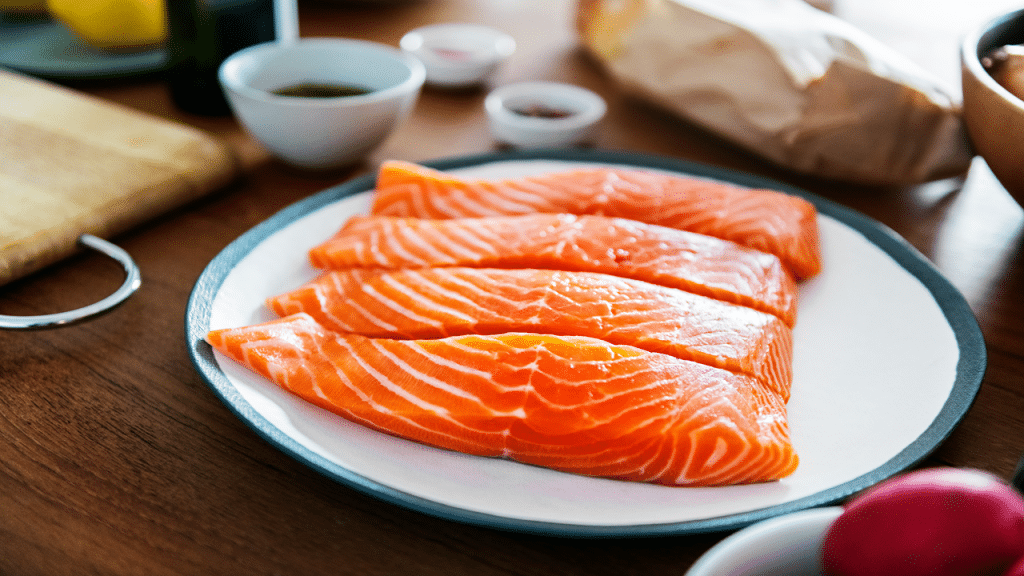
Fatty fish like salmon, mackerel, sardines, and tuna are rich in omega-3 fatty acids. These healthy fats help reduce triglycerides, lower blood pressure, and prevent plaque buildup in your arteries.
Try to eat fish at least twice a week. Grill a salmon fillet for dinner or add canned sardines to toast or salad. If you don’t enjoy fish, high-quality fish oil supplements can be a backup, but they aren’t a substitute for a balanced diet.
Lose Extra Weight

Being overweight raises the risk of high cholesterol, especially when fat is stored around the abdomen. It can increase LDL and lower HDL levels, both of which are bad news for your heart.
You don’t need to lose a huge amount to see results. Even shedding 5 to 10 percent of your body weight can make a difference. Start with simple steps like avoiding sugary drinks, controlling portions, and finding ways to move more each day.
Improve Your Sleep Routine

Sleep is critical for overall health and plays a role in managing cholesterol. Poor sleep can raise cortisol levels and disrupt your metabolism, which may lead to higher LDL.
Most adults need seven to nine hours of sleep each night. Try to go to bed and wake up at the same time every day, keep your bedroom cool and dark, and avoid screens before bedtime. Better sleep often leads to better energy, decision-making, and recovery.
Supplements Help, But They’re Not the Fix

Supplements can help, but they won’t make up for a poor lifestyle. Products like omega-3 pills, fiber powders, and plant sterols may offer benefits, but only if you’ve already built a solid foundation.
Use supplements as support tools, not as shortcuts, and speak with your doctor before starting anything new.
Limit Alcohol Intake

Drinking alcohol in moderation may slightly raise HDL, but too much can spike triglycerides and increase body fat. Excessive drinking also puts added strain on your liver and heart.
Stick to one drink per day if you drink at all. That means 12 ounces of beer, 5 ounces of wine, or 1.5 ounces of liquor. If you don’t drink, there’s no benefit to starting now for the sake of your heart.
11. Quit Smoking
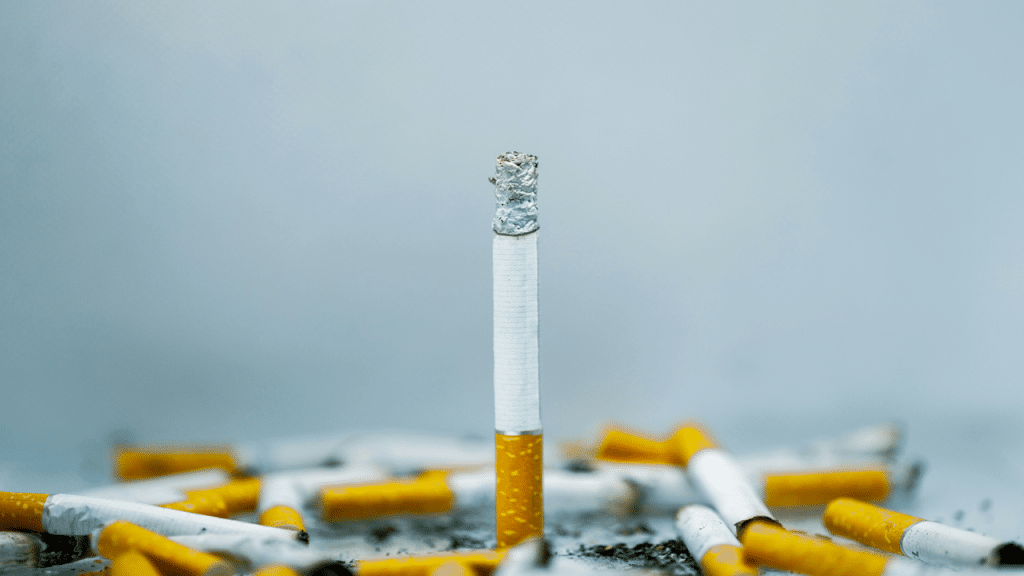
Smoking causes direct damage to blood vessels, lowers good cholesterol, and significantly increases the risk of heart disease. The effects start to reverse soon after quitting.
Just a few weeks after quitting, circulation begins to improve, and cholesterol levels start to stabilize. There are many tools available, from nicotine patches and prescriptions to apps and support groups, to help you quit for good.
Manage Daily Stress

Ongoing stress can raise cortisol levels, increase blood pressure, and encourage unhealthy habits like overeating or skipping workouts. These patterns can lead to higher LDL and lower HDL over time.
You don’t need a major overhaul to feel better. A daily walk, journaling for five minutes, or simply disconnecting from screens can lower stress and support heart health. Make stress management a routine part of your life, not something you address only during a crisis.








Ask Me Anything