
Some horror films aim to scare; others aim to scar. Over the last two decades, a new wave of horror has pushed boundaries, not just with gore, but with emotion, atmosphere, and psychological weight. These films are disturbing not because of what you see, but how they linger afterward. Whether it’s dread that seeps in slowly or a single scene you can’t unsee, each of these movies earns its place on this list for a reason. Viewer discretion? Strongly advised.
Hereditary (2018)
Ari Aster’s directorial debut redefined grief horror. What starts as a slow-burning drama about a family’s loss spirals into a nightmare of cults, possession, and unbearable psychological collapse. Toni Collette delivers a performance that’s almost too raw to watch. Its final act is deeply unsettling, not for jump scares, but for how hopeless it all feels. Hereditary haunts long after the credits roll.
Martyrs (2008)
This French-Canadian film is not for casual viewers. Martyrs begins as a brutal revenge thriller and mutates into a horrifying meditation on suffering and transcendence. It’s unrelenting in its violence and philosophy. While divisive, its themes of sacrifice and belief strike a nerve. You don’t just watch Martyrs, you endure it.
The Babadook (2014)
Jennifer Kent’s debut brought psychological horror to the mainstream with a terrifying metaphor for mourning. A storybook creature begins to torment a single mother and her son, but the true horror lies in her unraveling mind. The film explores maternal guilt, depression, and fear in ways that feel personal and raw. It’s deeply emotional, and deeply disturbing.
Antichrist (2009)
Lars von Trier’s Antichrist is as visually beautiful as it is emotionally grotesque. Following the death of their child, a couple retreats to the woods and unravels into madness and violence. Graphic scenes and philosophical weight make this one of the most controversial horror films of its time. It’s hard to recommend, but harder to forget. Viewer discretion is a must.
The Witch (2015)
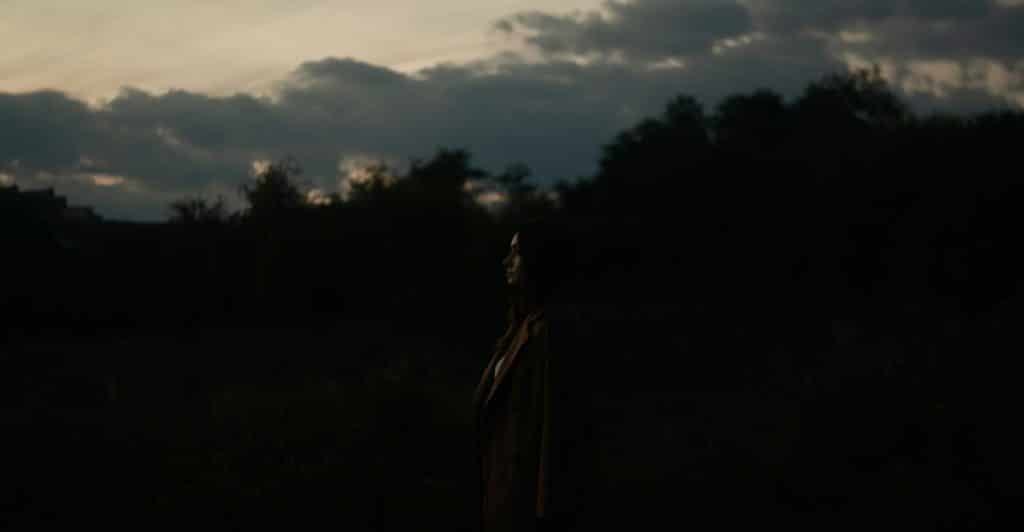
Set in 1600s New England, this slow-burning horror explores religious paranoia and familial breakdown. A family is cast out of their community and begins to suspect their own daughter of witchcraft. The atmosphere is suffocating, the language period-authentic, and the dread unrelenting. It’s the kind of horror that creeps rather than shocks. “Wouldst thou like to live deliciously?” Yes, but not without nightmares.
Eden Lake (2008)
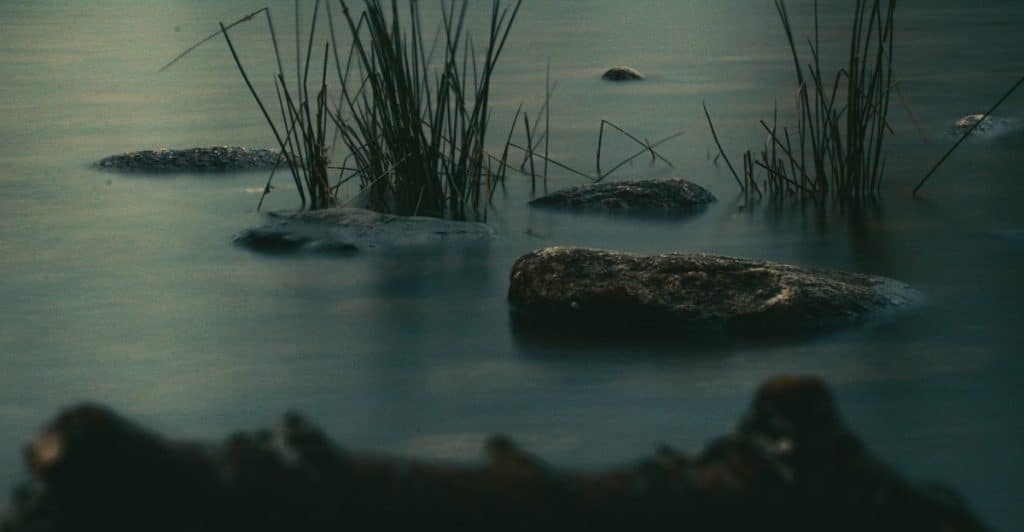
This British horror film strips away the supernatural and focuses on human cruelty. A couple’s weekend getaway turns into a relentless fight for survival against a group of violent teenagers. The brutality is stark and realistic, and the ending offers no relief. Eden Lake reminds viewers that the worst monsters don’t wear masks, they walk among us.
The Poughkeepsie Tapes (2007)
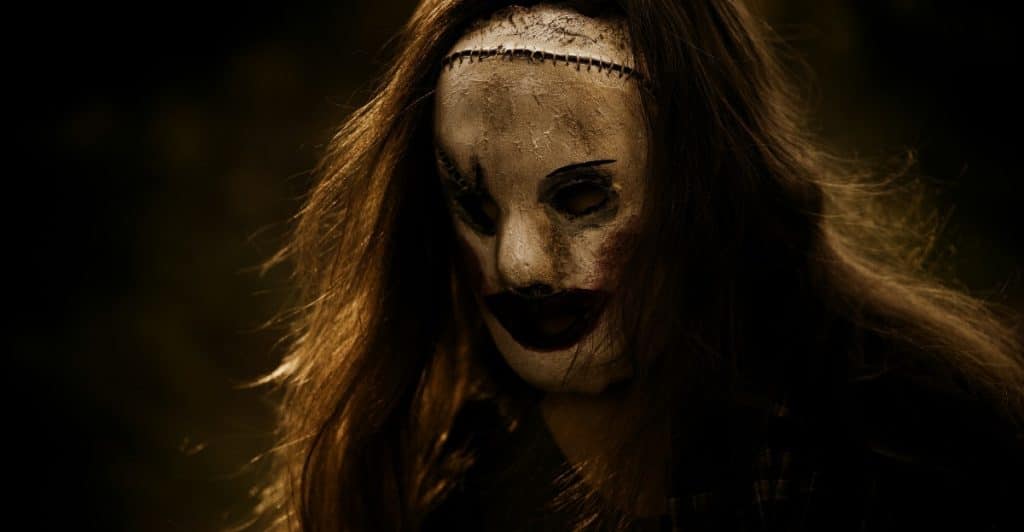
Presented as a found-footage documentary, this film chronicles a fictional serial killer’s chilling archive of home videos. The realism is so convincing that it sparked controversy and urban legend. It plays like true crime with a nightmarish edge. Disturbing in form and content, it lingers in your memory like a bad news story you wish you hadn’t read. Unnerving from the first frame.
Midsommar (2019)
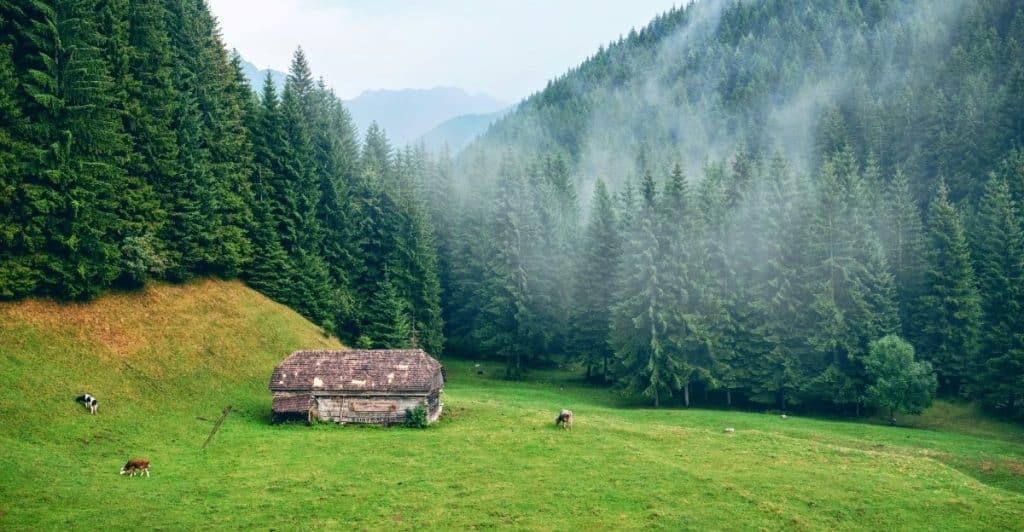
Ari Aster returns with this pastel-colored nightmare set during a Swedish midsummer festival. What begins as a cultural getaway turns into a slow, sun-drenched descent into cult horror. The violence is shocking, but it’s the emotional abuse and isolation that really sting. Midsommar is visually stunning and psychologically suffocating. A breakup movie for the emotionally masochistic.
The Strangers (2008)
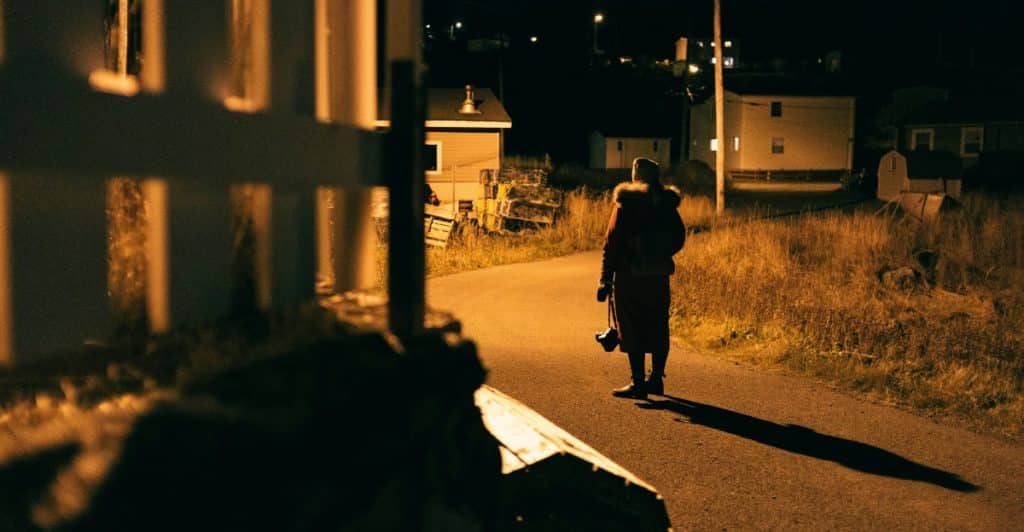
Inspired by real-life home invasions, this minimalist horror succeeds by doing very little, and doing it very well. A couple is tormented by masked intruders simply because they were home. There’s no backstory, no motive, just sustained dread. It taps into primal fears of vulnerability and helplessness. Sometimes, that’s all it takes to disturb.
Raw (2016)
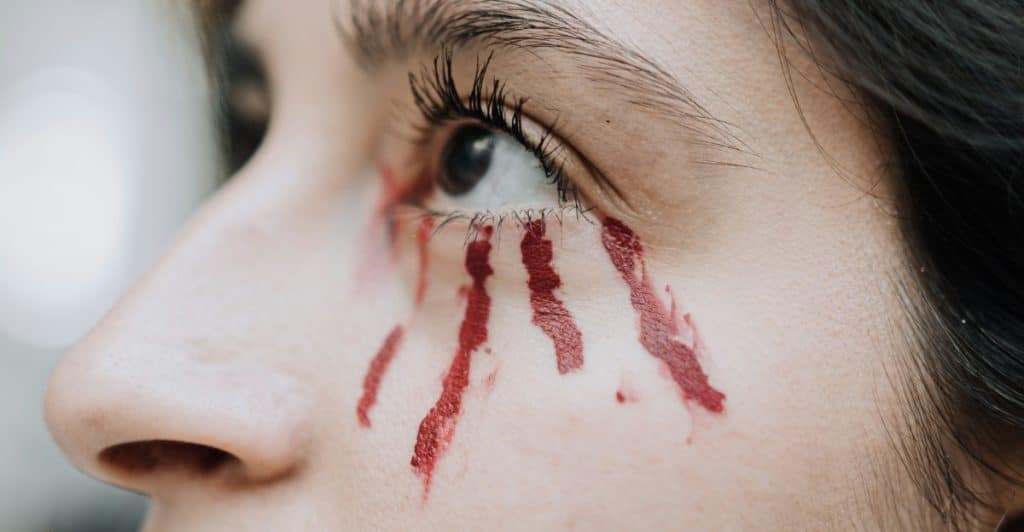
This French-Belgian film tells the story of a young vegetarian who develops a craving for human flesh during veterinary school. Raw is grotesque but smart, using body horror as a metaphor for identity, sexuality, and family pressure. It’s not just gory, it’s layered and introspective. A coming-of-age film unlike any other.
Speak No Evil (2022)
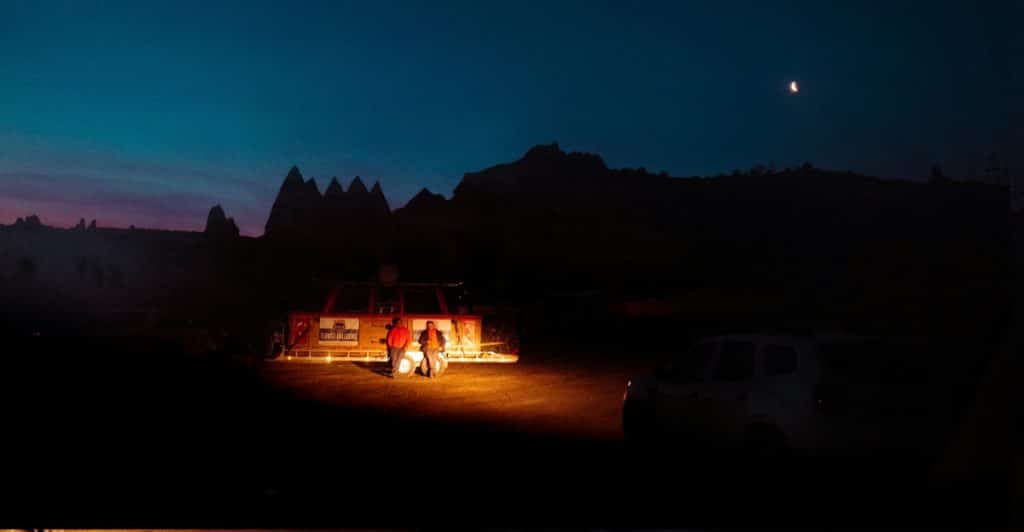
This Danish thriller builds its horror not from monsters, but from social discomfort and passive-aggressive tension. A family visits another they met on holiday, what follows is deeply unnerving. The film escalates slowly, focusing on how politeness can lead to danger when red flags are ignored. The ending is one of the most harrowing in recent memory. It hits hard because it feels all too possible.
Inside (2007)
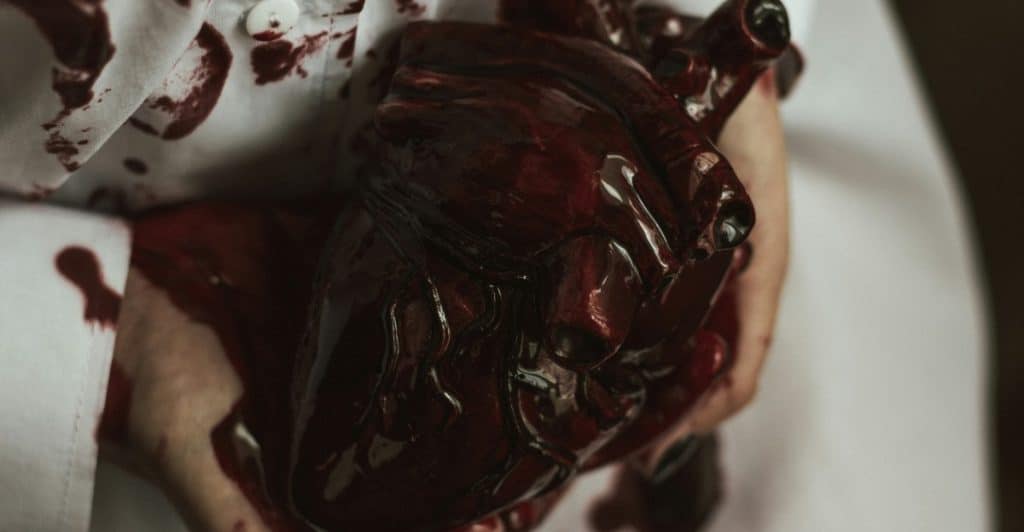
This French horror film focuses on a pregnant woman being terrorized by a mysterious intruder. The violence is intense and the suspense unrelenting. What makes it disturbing isn’t just the gore, but the vulnerability of its protagonist. The confined setting adds claustrophobic tension that never lets up. A visceral and deeply haunting experience.
The Dark and the Wicked (2020)
Set on a remote Texas farm, this film explores a family consumed by despair and a sinister presence. The pacing is slow, but the atmosphere is thick with dread. Every scene feels like a warning. Its minimalistic approach allows fear to build organically. A meditation on hopelessness that’s both chilling and emotionally draining.
Sinister (2012)
Sinister stars Ethan Hawke as a true-crime writer who discovers a box of disturbing home movies in his attic, each depicting a different family’s brutal murder. As he digs deeper, he unravels a pattern tied to a demonic entity named Bughuul. The use of grainy Super 8 film adds to the unease, and the sound design is particularly unnerving. Sinister builds a creeping dread that culminates in a finale that’s as chilling as it is tragic. It’s a modern horror that sticks with you.
Final Thoughts – When Horror Stays With You
Disturbing horror doesn’t just make you jump, it makes you think, squirm, and reflect. These films challenge comfort zones and force confrontation with difficult emotions or ideas. Whether it’s the grotesque surrealism of Antichrist or the unrelenting brutality of Inside, each title offers more than fear, they offer unforgettable psychological depth. They don’t fade when the screen goes dark. They settle in, staying with you long after the final frame.








Ask Me Anything