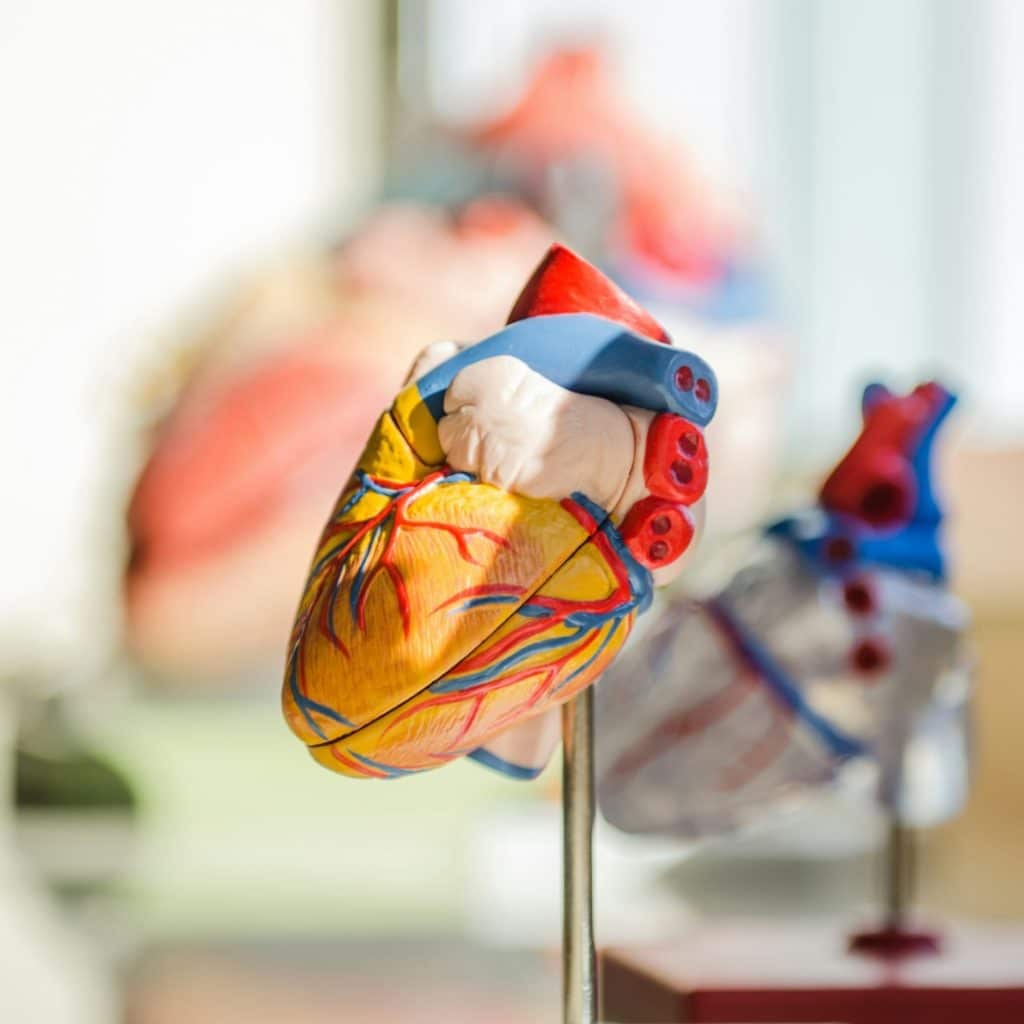
Studies show that as of 2025, heart disease is still the leading cause of death in the United States. There’s no way around it: If we want to live a long and healthy life, we need to take all the precautions we can to ensure that our heart is healthy.
If you want to improve your overall health, here are 15 health hacks to give your heart some much-needed tender loving care before it’s too late.
Stop Smoking

Smoking is one of the leading causes of preventable death, and your heart feels it first. The chemicals in cigarettes damage the lining of your arteries, narrow your blood vessels, and reduce the amount of oxygen your blood can carry. Quitting, even if you’ve smoked for years or even decades, can drastically lower your risk of heart attack and stroke.
According to the Centers for Disease Control and Prevention (CDC), within just one year of quitting, your risk for coronary heart disease drops sharply. There’s no “too late” when it comes to quitting, but the earlier you stop, the more your heart will thank you.
Get Your Daily Exercise In

It doesn’t matter what it is–especially if you’re just starting out. Get at least 30 to 60 minutes of exercise each day to keep your heart pumping strong. The American Heart Association recommends aerobic activities like brisk walking, cycling, or swimming, which strengthen your heart muscle and improve circulation. Exercise also helps lower blood pressure, balance cholesterol, and maintain a healthy weight, which are all key players in heart health. Even something as simple as a daily walk can have a big impact over time.
Manage Your Stress

Stress is another silent killer that people often overlook because we live in a world where overproductivity is highly praised and encouraged. However, chronic stress can lead to high blood pressure, inflammation, and increased cholesterol–all of which strain your heart. Finding healthy ways to manage stress–whether it’s journaling, therapy, yoga, or even just taking a break–can significantly reduce your heart disease risk. Remember, stress management isn’t indulgent. It’s protective.
Eat a Heart-Healthy Diet

Not all foods are created equal, and there are plenty of heart-healthy ingredients and recipes you can look into if you want to improve your cardiovascular health. Focus on whole foods rich in fiber, antioxidants, and healthy fats.
Think leafy greens, berries, whole grains, legumes, nuts, and fatty fish like salmon or mackerel. Limit your intake of processed foods, salt, and trans fats. The Mediterranean diet, for instance, has been shown in numerous studies to significantly reduce the risk of heart disease.
Get Quality Sleep

Sleep can make or break your body’s ability to recover, reset, and regulate. Poor sleep has been linked to high blood pressure, weight gain, and increased inflammation, all of which raise your risk for cardiovascular disease. Aim for 7 to 9 hours of quality sleep per night, and try to maintain a consistent sleep schedule.
According to the National Sleep Foundation, people who sleep less than six hours per night have a significantly higher risk of heart attack and stroke.
Aim for a Healthy Weight

The Body Mass Index (BMI) is not the end-all and be-all of health, but it’s a good starting point for assessing potential risk factors. Excess body fat–especially around the abdomen–can increase blood pressure and cholesterol levels while making it harder for your heart to function efficiently. Shedding just 5 to 10% of your body weight can dramatically improve your heart health. The goal isn’t to chase perfection, but to strive for a weight where your body can function at its best.
Maintain That Weight
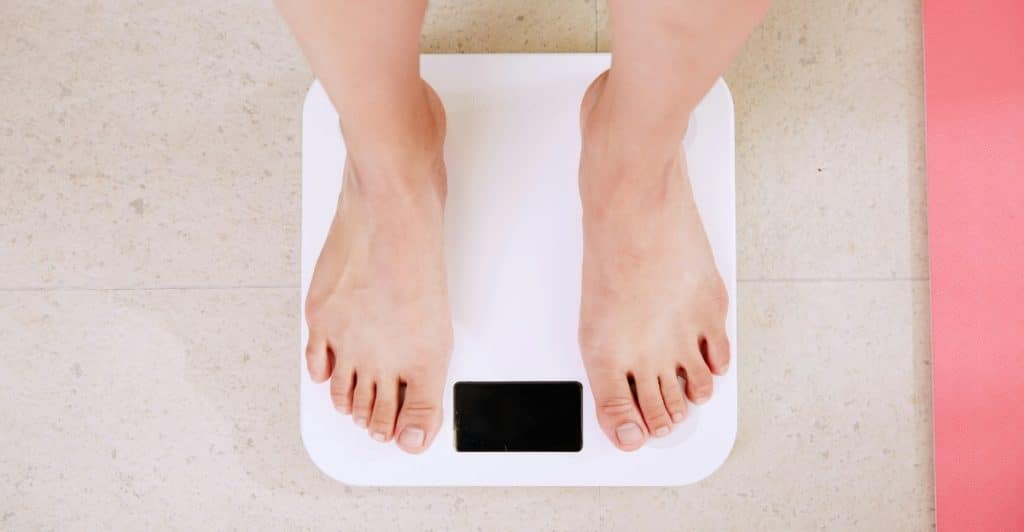
Once you’ve reached that goal weight, maintain it. This doesn’t mean being obsessive over a number on a scale, but rather creating sustainable habits that support long-term heart health. Keep an eye on your portion sizes, stay active, and eat mindfully. It’s not about dieting; it’s about creating a lifestyle where your heart doesn’t have to work harder than it needs to. Consistency is key to preventing weight-related stress on your cardiovascular system.
See Your Doctor Regularly

If you have the capacity to do so, make sure to visit your doctor at least twice a year, even if you’re not feeling anything wrong. Make sure to have a full annual physical exam and discuss your family history, blood pressure, cholesterol, and other potential risk factors. Early detection is one of the best tools we have in preventing serious heart issues. Your doctor can also tailor advice to your specific needs, which is something no Google or Reddit search can replace.
Get Regular Blood Screenings

Your blood tests can tell a lot about the state not just of your heart but your other organs as well. Screenings like lipid panels, glucose levels, and inflammatory markers (like CRP) can give you a clearer picture of your heart’s condition. These tests can catch red flags before symptoms even appear, giving you time to intervene with lifestyle changes or treatment. Work with your physician to schedule the right tests for your age and risk level.
Prevent Infections
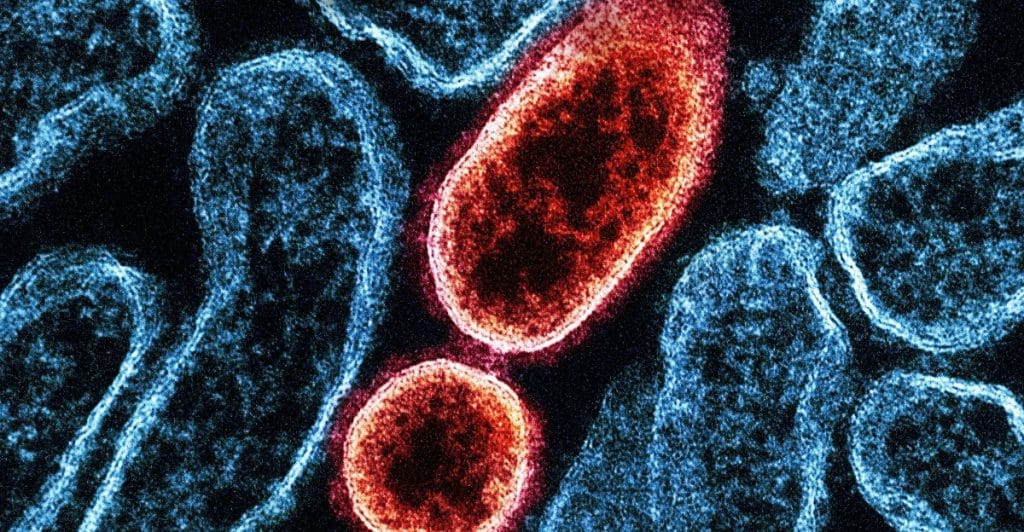
Infections can take a serious toll on your heart, especially if they lead to conditions like myocarditis or endocarditis. Even a simple flu or untreated strep throat can become a threat if left unmanaged. Vaccinations, regular hand washing, and staying home when you’re sick are basic but powerful ways to protect your cardiovascular system. Chronic infections can also exacerbate inflammatory processes in the body, which directly harm the heart over time.
Practice Good Dental Hygiene

You might be surprised to learn that your dental health is directly tied to other areas of your physical health, including your heart. Gum disease (periodontitis) can lead to inflammation throughout the body, and studies have shown a correlation between poor oral hygiene and increased risk of heart disease. Brushing twice a day, flossing, and visiting your dentist regularly can lower this risk. Think of your toothbrush as another heart health tool.
Practice Good Hygiene in General

Good hygiene can affect your heart in that infections, bacteria, and chronic inflammation can all create stress on the cardiovascular system. Keeping your hands clean, avoiding cross-contamination in the kitchen, and washing up after being in crowded places are simple practices that support your immune system. A strong immune system reduces your body’s inflammatory load, which in turn protects your heart from unnecessary stress and damage.
Drink Plenty of Water

Proper hydration is key to helping your heart pump blood more easily. When you’re dehydrated, your blood becomes thicker, which makes it harder for your heart to circulate it efficiently. Drinking enough water supports kidney function too, which helps regulate blood pressure. Aim for at least eight 8-ounce glasses a day or more if you’re active or live in a hot climate.
Surround Yourself with Good People

Did you know that the health of your relationships can directly impact your stress levels and thus, your heart? Supportive friendships and a strong social network can lower stress hormones, reduce blood pressure, and even improve heart rate variability.
Conversely, toxic or isolating relationships can have the opposite effect. It’s not just emotional; it’s physiological. Prioritize the people who bring peace and leave behind the ones who add unnecessary tension.
Care for Your Mental Health

Another area of health you need to protect is your mental health. It’s true: A broken heart can manifest in the body. Depression and anxiety have been linked to increased risk of heart disease, high blood pressure, and irregular heart rhythms. Taking care of your mental health through therapy or counseling, medication (if needed), and rest is just as important as eating your greens or hitting the gym. A healthy heart starts with a healthy mind–and you deserve both.








Ask Me Anything